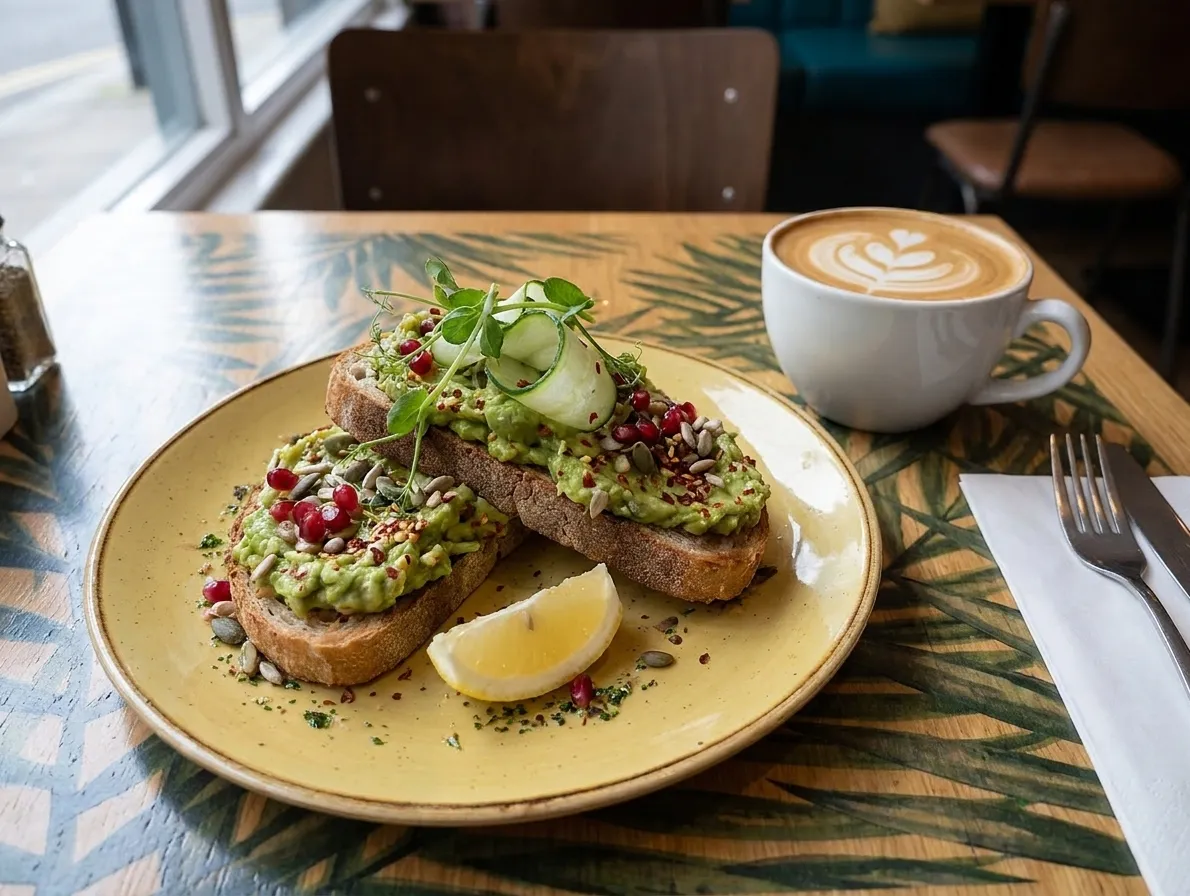
San Francisco is where expensive toast became a national joke, and more than a decade later the category it spawned is still here and has quietly got quite good. The city's healthy breakfast scene now runs on grain bowls, cultured dairy, seeded bread and a level of sourcing that would be unusual anywhere else — alongside a persistent tendency to charge eighteen dollars for something a reasonable person could assemble at home in four minutes. Both things are true at once. The useful skill is telling which side of that line a given counter falls on, and it is easier to judge than the prices suggest.
Karpo can find San Francisco breakfast counters near you that are open now, and tell you which are worth the price before you queue.
What you are actually paying for with toast
The defensible version of expensive toast is a thick slice of genuinely good bread — long-fermented, from a bakery that mills or sources carefully — with a substantial amount of something on it and proper seasoning. Bread of that quality is expensive to make and the price partly reflects it.
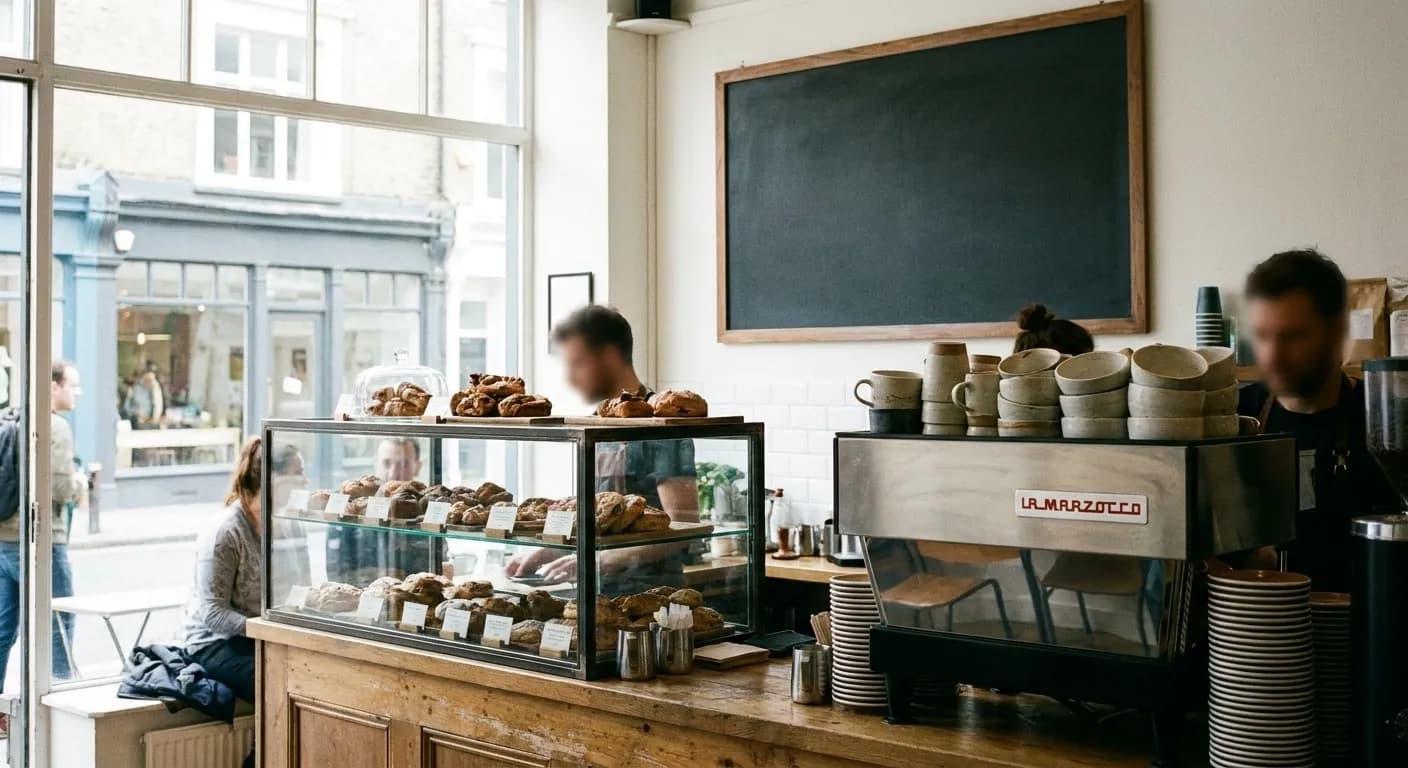
The indefensible version is standard bread with a thin scrape of avocado and a pinch of chilli flakes at the same price. The tell is the bread itself: look at the crumb and the crust in the case. If the bakery is named on the menu, that is usually a good sign, because a café that has gone to the trouble of sourcing well tends to say so.
Grain bowls, and how to judge one
The savoury breakfast grain bowl — a base of oats, quinoa, farro or rice with egg, greens, seeds and something pickled or fermented — is the format San Francisco does best, and at a good counter it is genuinely excellent value compared with the toast.
The things that make it work are the same as anywhere: a real protein portion, a fat source, and something acidic. What distinguishes the better versions here is fermented elements — kraut, kimchi, pickled vegetables — which the city's food culture has been enthusiastic about for years and which do the work that a sauce would otherwise have to. A bowl with three vegetables, an egg and no acid is a worse bowl than one with two vegetables and something pickled.
Smoothies, yoghurt and the sugar question
The smoothie and açaí end of the category is where the healthy label does the most work and deserves the most scepticism. A large fruit smoothie with juice as the base, banana, honey and granola can carry a very substantial amount of sugar, and the fact that it is all from fruit does not change what it does to a morning.
The versions that work as breakfast have a protein component — yoghurt, kefir, nut butter, a protein addition — and a base of milk or water rather than juice. Ask what the base is; most counters will tell you and many will change it. That single question is the difference between breakfast and a dessert with a health halo.
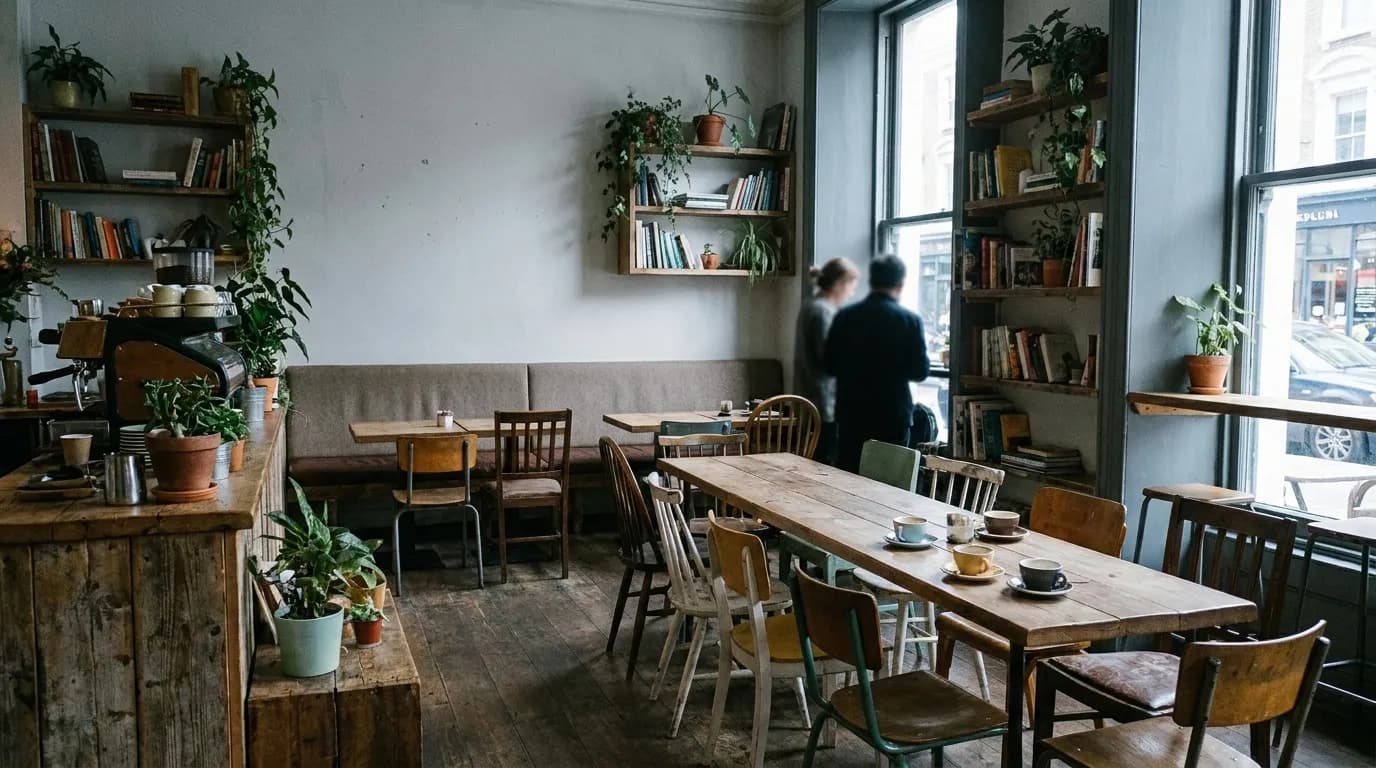
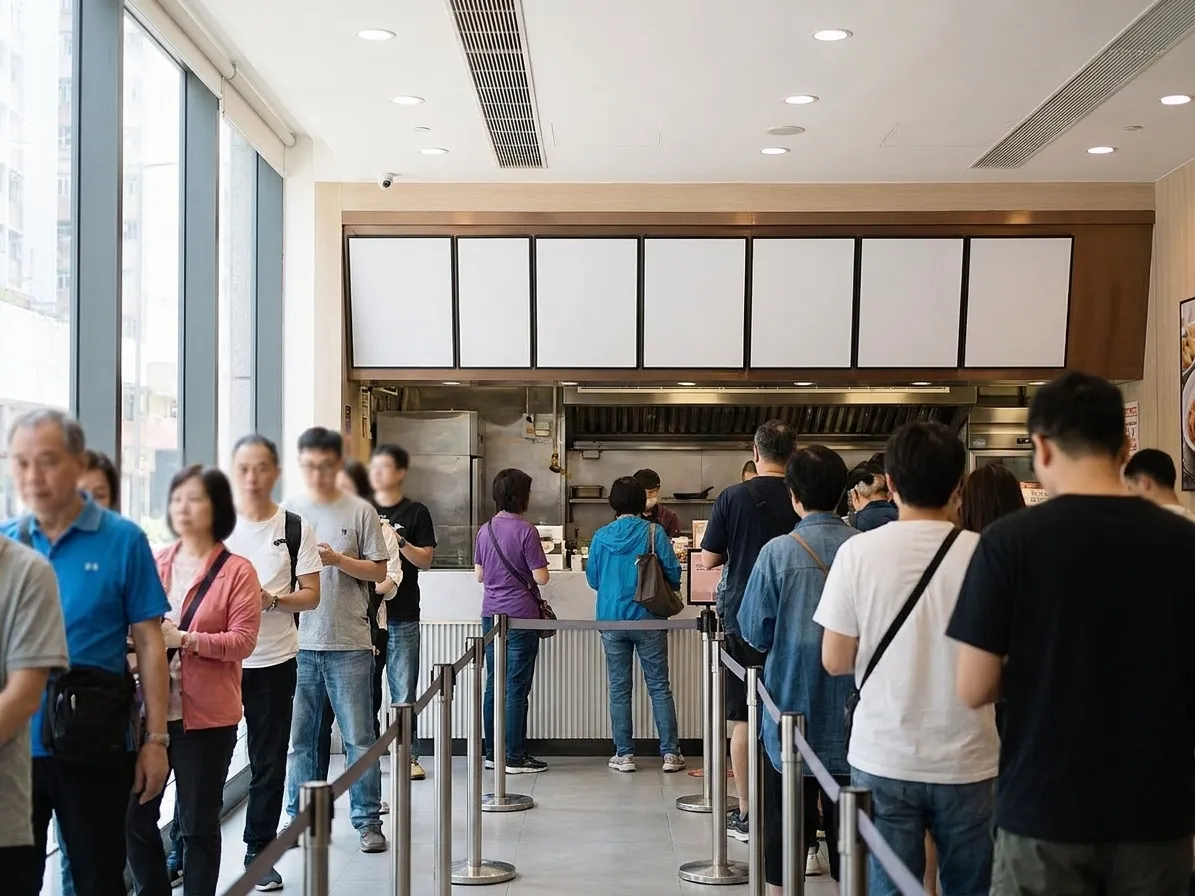
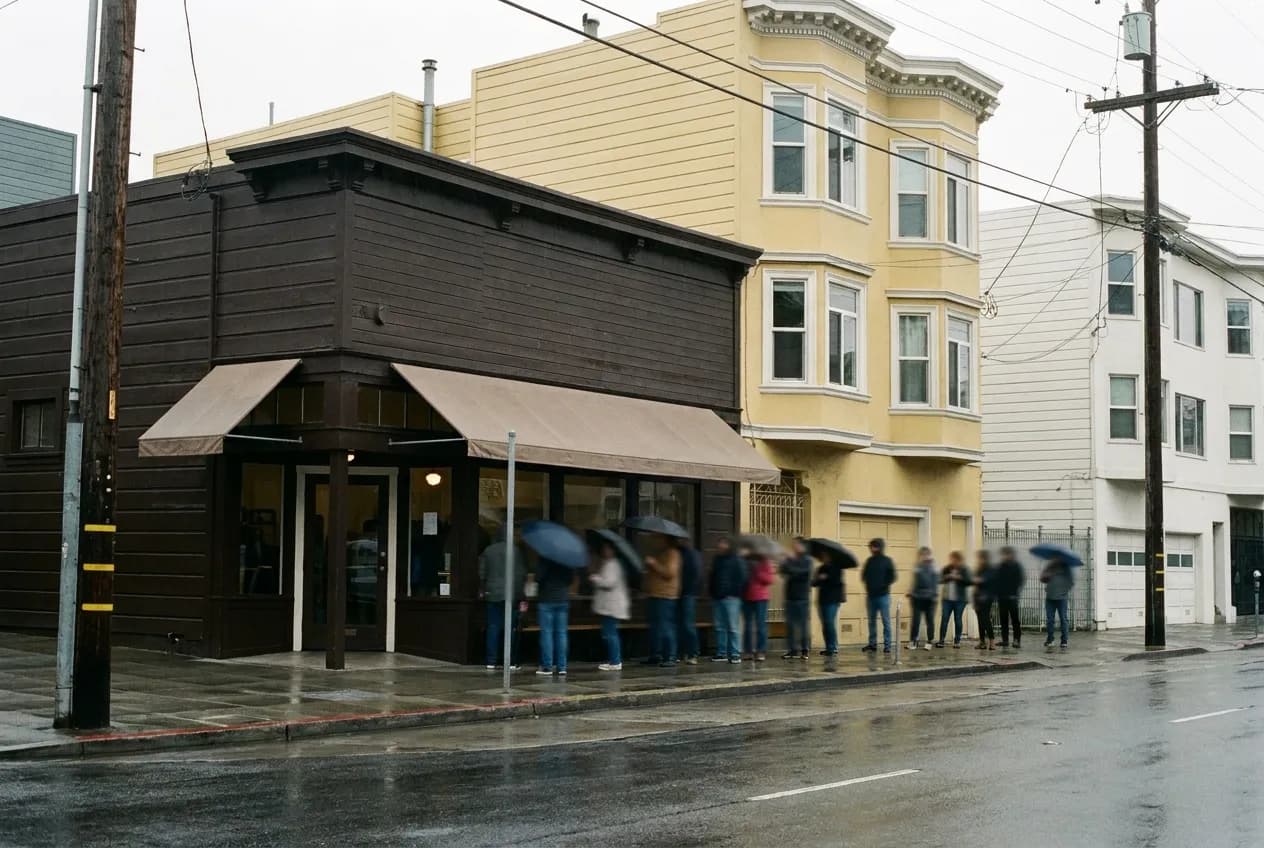
Seating is a real consideration at this end of the market. Many of the best breakfast counters in this city are small, with a handful of seats and a queue, and the expectation is that you do not occupy a table for two hours on one coffee. The cafés that welcome laptops make it obvious; the ones that do not also make it obvious, usually by having nowhere to put one.
The hours will catch you out
This is the practical trap. A significant number of San Francisco's better breakfast counters are weekday-only, close by two or three in the afternoon, and some have moved to a four-day week. Others are weekend-only. Almost none of this is reflected in third-party listings.
Check the day before you walk, particularly on Mondays. And note that the specialist coffee shops, which is where most of these counters live, generally open at seven or later — so if you need to eat before seven, this is not the category and you want a bakery or a diner instead.
The surcharge, and comparing prices honestly
San Francisco's percentage surcharges apply here as everywhere, and on a small transaction they are proportionally noticeable. A fourteen-dollar bowl with a twenty per cent service model is a seventeen-dollar bowl.
That matters when comparing two counters, because some have moved to service-included pricing that looks higher on the board and is lower at the till. Read the small print at the bottom of the menu once for each place you go regularly; after that you know.
Where the value actually is
Two categories consistently beat the dedicated healthy-breakfast counter on both price and nutrition. The city's bakeries, where a good pastry and a coffee is cheaper and more honest about what it is. And the Chinese and Vietnamese breakfast traditions in the Richmond, the Sunset and Chinatown — congee, noodle soup, steamed buns — which are vegetable-forward, high in protein, hot, and cost a third as much.
None of that means the grain bowls are not worth eating; the good ones are. It means the healthiest and best-value breakfast in San Francisco is frequently in a category nobody markets as healthy, which is true of most cities and worth remembering when the toast costs eighteen dollars.
A closing thought on the toast joke, which has aged interestingly. The thing being mocked a decade ago was the price; what actually happened is that a lot of ordinary cafés in this city started buying much better bread, and the baseline rose. You can now get genuinely excellent bread almost anywhere in San Francisco, which is a real improvement that arrived attached to a slightly ridiculous origin story.
Tags: #SFBreakfast #HealthyBreakfast #GrainBowl #AvocadoToast #SanFranciscoFood #SFEats #MorningRoutine #Smoothie #RichmondDistrict #Chinatown #CoffeeShop #FoodGuide #BayArea #Brunch
Please drink responsibly. Must be of legal drinking age.
All trademarks are the property of their respective owners.
Ask Karpo first
Want to know which San Francisco breakfast counters near you are open now, and which are worth the price? Ask Karpo before you queue.