If you search for dumplings in Little Havana you will get almost nothing, and the honest response to that is not to pad out a list with places two neighbourhoods away pretending to be local. It is to explain why - and then to point out that the actual Chinese-Cuban story in this city is far more interesting than a dumpling crawl would have been, and that it has a real presence in Miami if you know what to look for.
The Chinese-Cuban rooms and the dumpling houses are in different parts of the county from each other and from Calle Ocho. Tell Karpo where you are starting and get the route that makes sense.
Why Calle Ocho has no dumpling houses
Little Havana's commercial ground floor is close to fully occupied by businesses serving the neighbourhood's own residents, and that neighbourhood is overwhelmingly Cuban, Nicaraguan, Honduran and Central American. The food economy there is coffee windows, plate lunches, sandwich counters, bakeries and fruit stands, and it is priced and staffed for that. There is no gap for a dumpling house to fill and no local demand to sustain one.
Miami also has no Chinatown, which is unusual for an American city of this size and is the structural reason its Chinese food is scattered. The Chinese population here settled in the suburbs rather than in a central district - Kendall, the south-west of the county, and more recently Doral and the western suburbs - so the restaurants followed the residents into strip malls rather than clustering downtown. That dispersal is why finding good dumplings in Miami requires a car and a specific address rather than a neighbourhood.
The genuine Chinese-Cuban history
Here is the part worth knowing. Large numbers of Chinese labourers arrived in Cuba in the mid-nineteenth century, and by the twentieth century Havana had a substantial Chinatown - Barrio Chino - with its own restaurants, newspapers and societies. When Cubans left after 1959, Chinese-Cubans left with them, and they brought a genuinely hybrid cooking: Cantonese technique applied to Cuban ingredients, and Cuban dishes cooked in a Chinese kitchen.
The result is a real cuisine, not a novelty. Fried rice made with the aromatics of a sofrito. Roast pork treated two ways on the same menu. Maduros served alongside chow mein without anyone commenting on it. In New York this tradition is well documented and has a visible restaurant presence; in Miami it exists more quietly, in older suburban rooms and in the menus of restaurants that describe themselves simply as Chinese but have plantains on the page.
How to spot a Chinese-Cuban room
The tells are specific. A Chinese restaurant menu with maduros or tostones as a side option. Arroz frito listed rather than, or alongside, fried rice. Yuca or plantain appearing anywhere on a Cantonese menu. Spanish spoken in the dining room and at the counter alongside Chinese and English. A room that has clearly been in the same strip mall since the seventies and has never redesigned anything.
These places tend to be in the older suburban corridors rather than the newer ones, which means south-west of Little Havana out through Westchester and toward Kendall rather than west toward Doral. They are not marketed as anything in particular and they will not appear in a search for Chinese-Cuban food, because they do not use the term about themselves. Ask, and you will usually get a family history.
Where the dumplings actually are
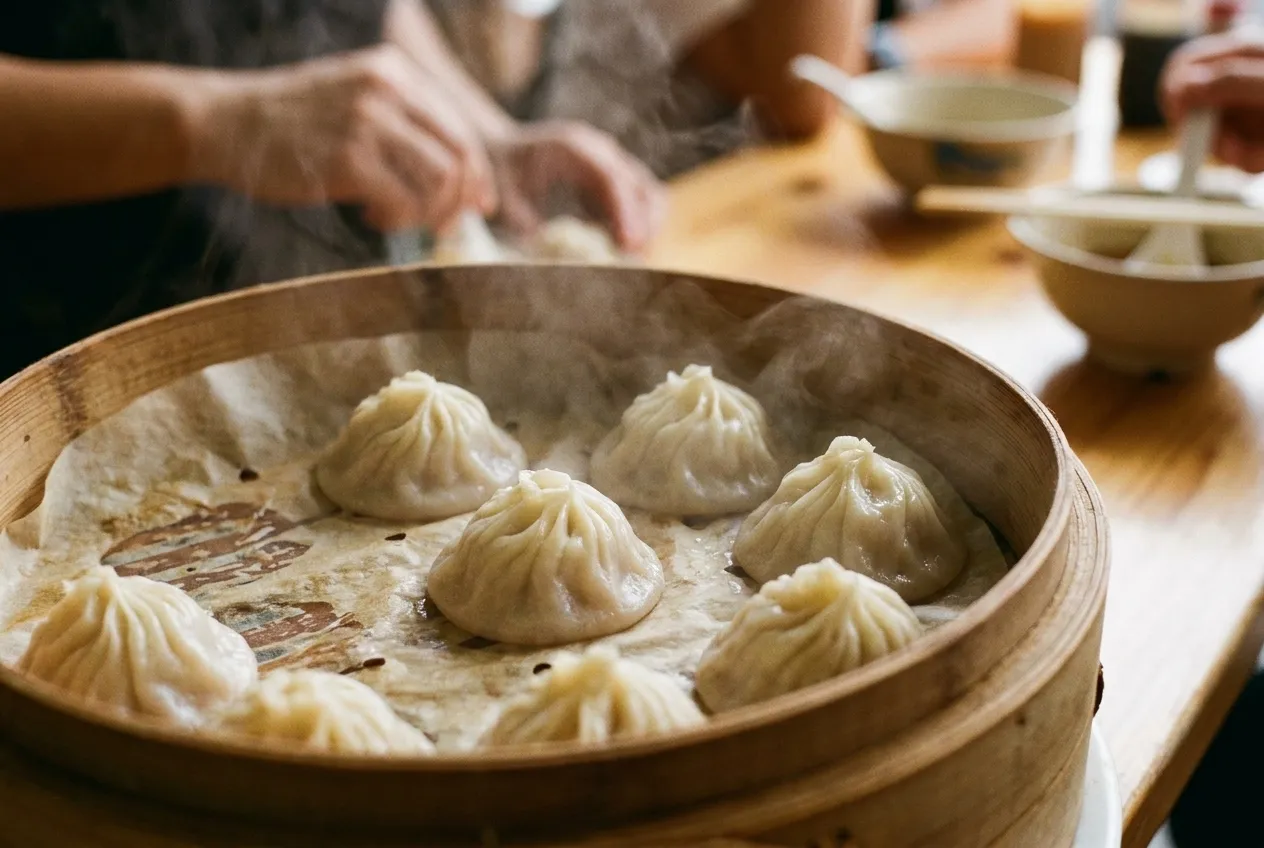
For dumplings specifically, the honest map points south-west and west. Kendall and the surrounding south-west corridor holds the longest-established Chinese restaurants in the county and the best value, including the dim sum rooms that run trolley service at weekends. Doral and the western suburbs have a newer wave, generally more regionally specific and more likely to fold to order.
From Calle Ocho, both are a fifteen to twenty-five minute drive depending on traffic, which in Miami terms is nothing. The Brickell and Design District rooms are closer and more designed and are perfectly good, but they are convenience rather than destination. If you are making a specific trip for dumplings, drive west or south-west rather than east.
Making an afternoon of the contrast
The version of this that actually works as a day: start with the Cuban layer on Calle Ocho - a cortadito at a ventanita, croquetas, a pan con lechon - then drive twenty minutes south-west for dim sum or a dumpling lunch. Two food cultures, both cheap, both excellent, thirty minutes apart, and the contrast tells you more about how Miami is put together than either would alone.
At weekends, dim sum with full trolley service runs in the morning through to about one in the afternoon, so this route works better in the order given than the reverse. On a weekday, the dumpling houses do a la carte rather than trolley service, which is a different and often better experience because everything is folded to order rather than circulating on a cart.
Practical notes
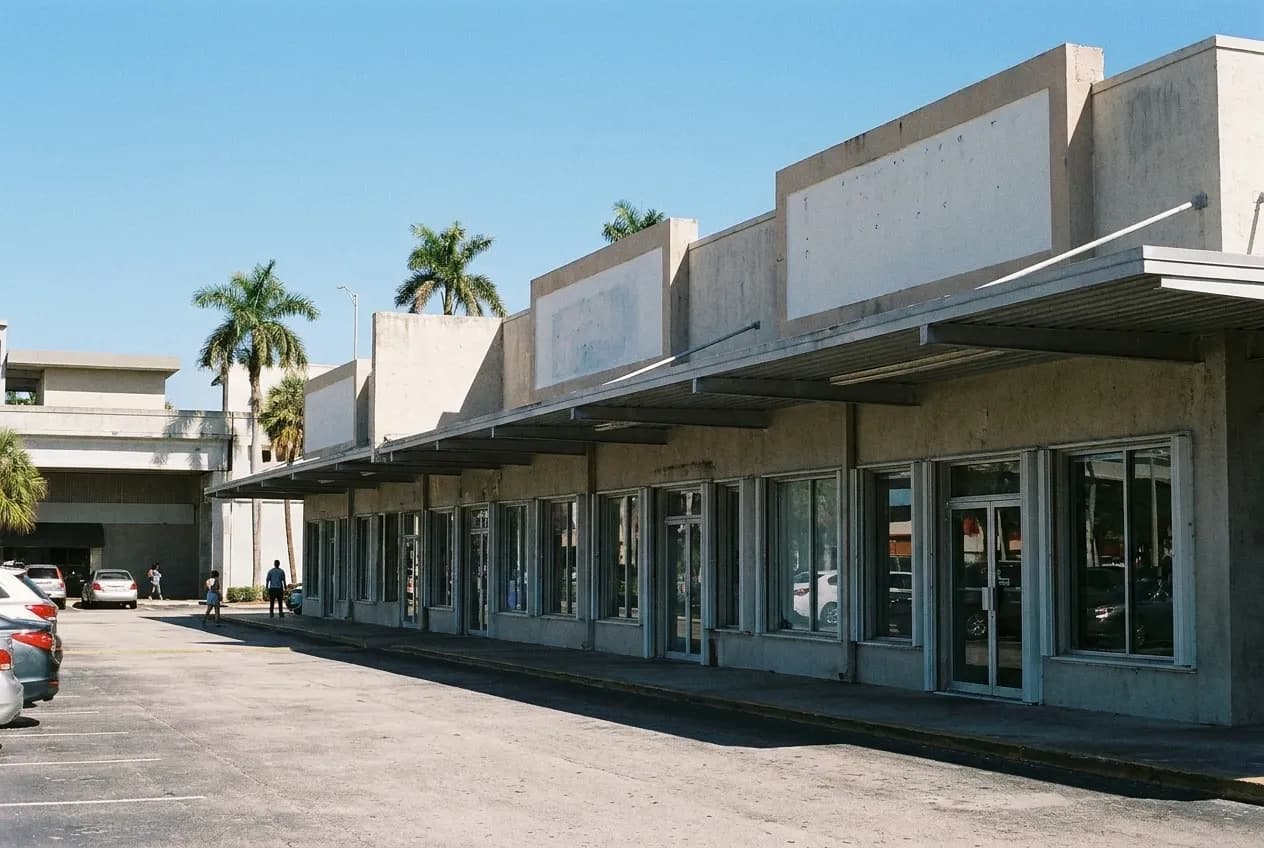
Little Havana itself: coffee, sandwiches, plate lunches, no dumplings, and that is fine. Dim sum with trolleys is a weekend-morning thing in Miami and thins out after about one o'clock; weekday a la carte is often the better food. Drive times from Calle Ocho: fifteen to twenty-five minutes south-west or west. Everything worth eating in this category is in a strip mall, which says nothing about the food. Prices run roughly ten to sixteen dollars per basket or plate. Cash is welcome at the older rooms. And if you find a Chinese menu with maduros listed as a side, order them - you have found the thread this article is actually about.
Tags: #BestDumplings #LittleHavana #Miami #ChineseCuban #ComidaChinaCubana #Kendall #Doral #DimSum #CalleOcho #Westchester #HiddenGems #OddFinds #MiamiEats #MiamiHistory
All trademarks are the property of their respective owners.
Ask Karpo first
This is a search where the literal answer is no and the interesting answer is twenty minutes away. Ask Karpo which dumpling houses are worth the drive from where you are, whether the weekend trolley service is running this morning, and whether any of the older rooms nearby still cook the Chinese-Cuban menu.