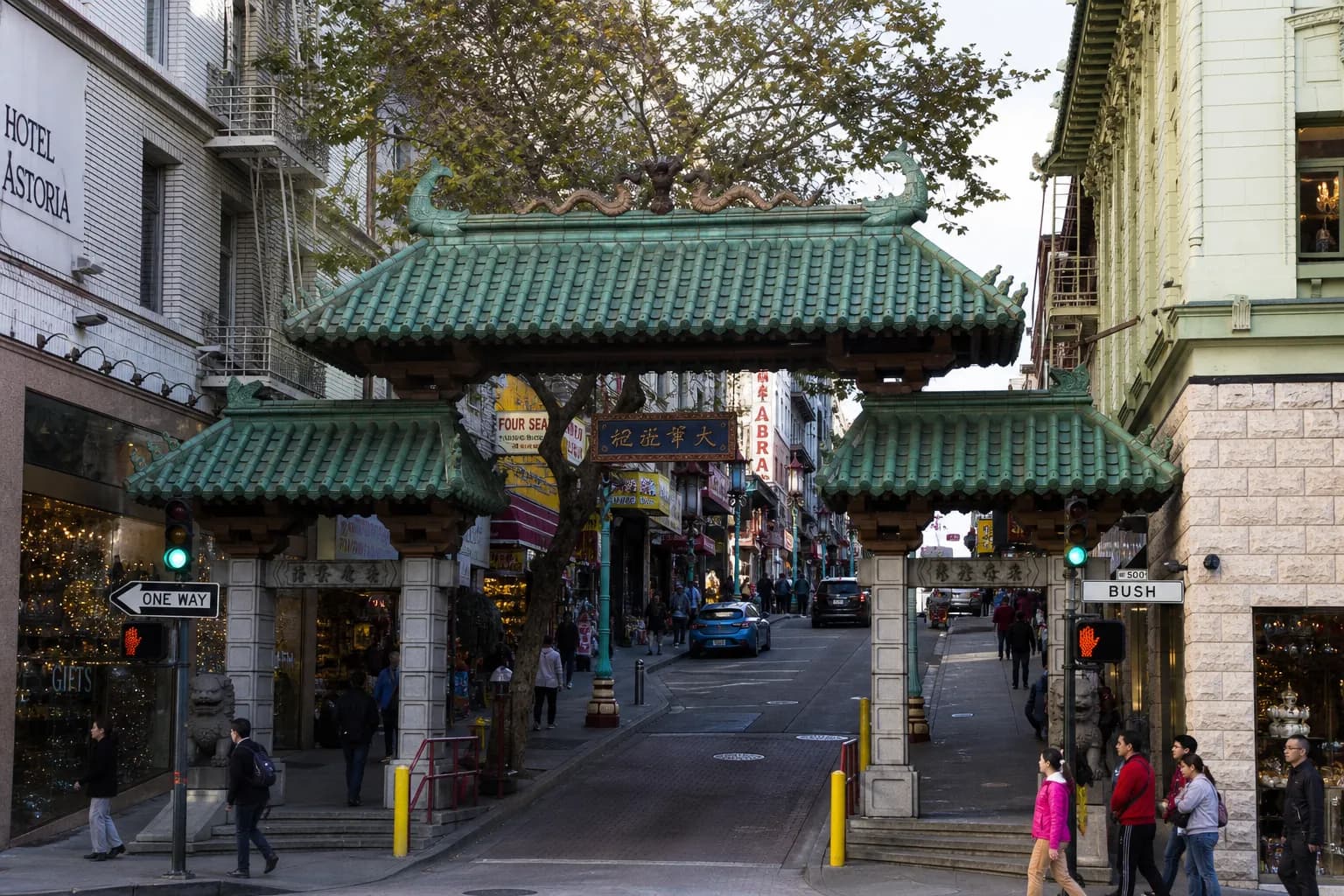
If you want dim sum SF locals actually use, Chinatown still delivers the clearest lunch play in the city: fast carts, big banquet rooms, and enough turnover that a weekday meal can happen in under an hour. The trick is knowing which spots are built for efficiency and which ones are just packed because they’re famous. For the best lunch SF offers in this neighborhood, think timing, table size, and how close you are to the cart action, not just the prettiest facade.
Use Karpo to build a Chinatown lunch plan with the least-crowded windows, the best backup stops, and a route that keeps you moving fast.

How Chinatown Lunch Really Works
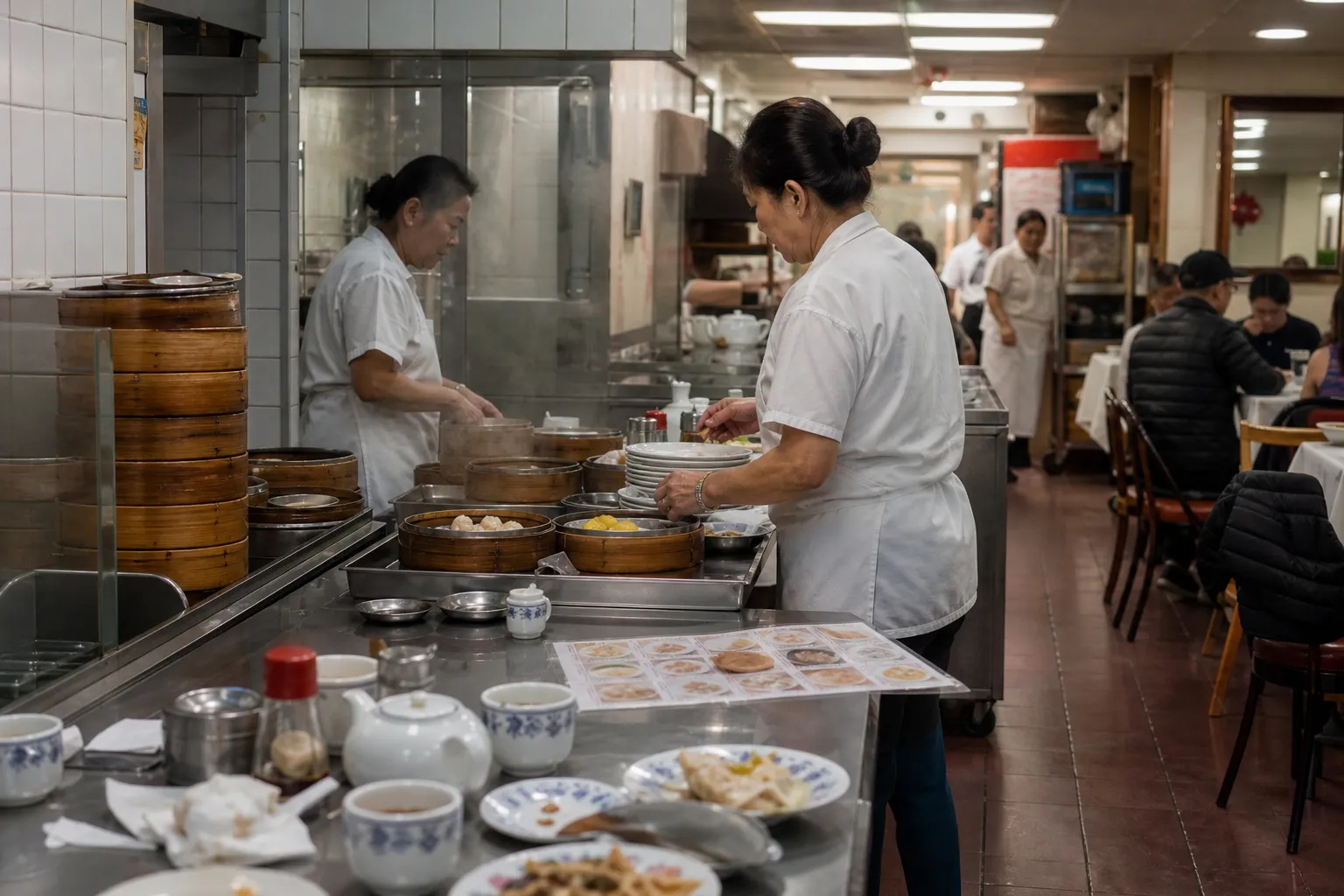
The best dim sum rooms in Chinatown do not feel like a polished sit-down brunch. They feel like a machine: tea arrives fast, carts keep circulating, and tables turn over hard once lunch gets rolling. That’s why sf dim sum works so well for people who want real food without a long decision tree. The strongest rooms are usually the ones with a steady Cantonese crowd, a full dining room by late morning, and enough staff movement that the pace never drifts into sleepy tourist service.
A good Chinatown lunch also depends on where you sit in the room. Near the entrance, you get more cart traffic and easier access to the busiest baskets. Deeper inside, service can feel slower but calmer. If you only judge by the sign outside, you can miss the best lunch sf for your actual needs. For a quick weekday meal, look for places that already have a rhythm by 11:30. For a slower group meal, look for a room that can handle noise without losing control.
What Separates A Good Room
The real Chinatown restaurants SF locals trust usually have a few telltales: older dining rooms, Cantonese menus that lean practical, and a mix of carts plus made-to-order plates. Don’t get distracted by flashy renovations or overly curated decor. The better rooms often look a little worn because they’re built for repeat lunch traffic, not photo stops. That matters in San Francisco Chinese food, where the difference between a tourist stop and a local standby is often how quickly the kitchen can keep hot baskets moving.
Another clue is how the room handles the basics. Tea should come without drama, shared condiments should be on hand, and the staff should seem used to both solo diners and large family tables. If you’re staring at a mostly empty room at peak lunch, that’s not automatically a red flag, but it is worth asking how the flow works. The strongest spots know their regulars, keep the carts circulating, and don’t need to oversell the experience. They let the food and the turnover speak for themselves.
Weekday Strategy For Fast Lunch
Weekdays are the easiest time to do Chinatown right. If you want dim sum SF locals would call efficient, aim for an early window before office lunch crowds fully arrive, or slide in after the main rush when the room has loosened up. This is where you can eat well and still keep the rest of your day intact. Sit down, order tea, and get a first round on the table quickly. The whole point is to avoid spending your best hour waiting for a basket you could have had ten minutes earlier.
For smaller groups, speed comes from being decisive. Pick a couple of staples, one steamed, one fried, and add a rice or noodle dish if the room is busy. That way you’re not depending on one pace of service. If you’re heading back to work, don’t over-order just because the menu is long. Chinatown lunch rewards clarity. A focused table gets fed faster, clears faster, and usually has a better shot at fresh baskets than the table that tries to do everything at once.
Weekend Group Meal Play
Weekend dim sum is a different sport. The room is louder, the waits are longer, and the best tables often go to bigger groups because the dining room is designed around them. That’s why a Chinatown group meal can feel smoother than a two-person drop-in: you’re matching the room instead of fighting it. If your crew is flexible, show up with a plan and a little patience. The payoff is a table that can handle sharing, lingering, and the full spread of baskets without making the meal feel rushed.
This is also when tourist-trap picks become obvious. The places that live off one-off visitors tend to feel confused by volume, while the better Chinatown restaurants SF regulars return to keep a steadier pace even when the room is packed. If you can, split roles: one person checks the dining room, another handles bakery or dessert backup, and everyone else stays ready to sit. Weekend lunch works best when nobody pretends it’s casual. It’s a group event with rules, and that’s part of the fun.
Order Like Someone Who Knows The Room
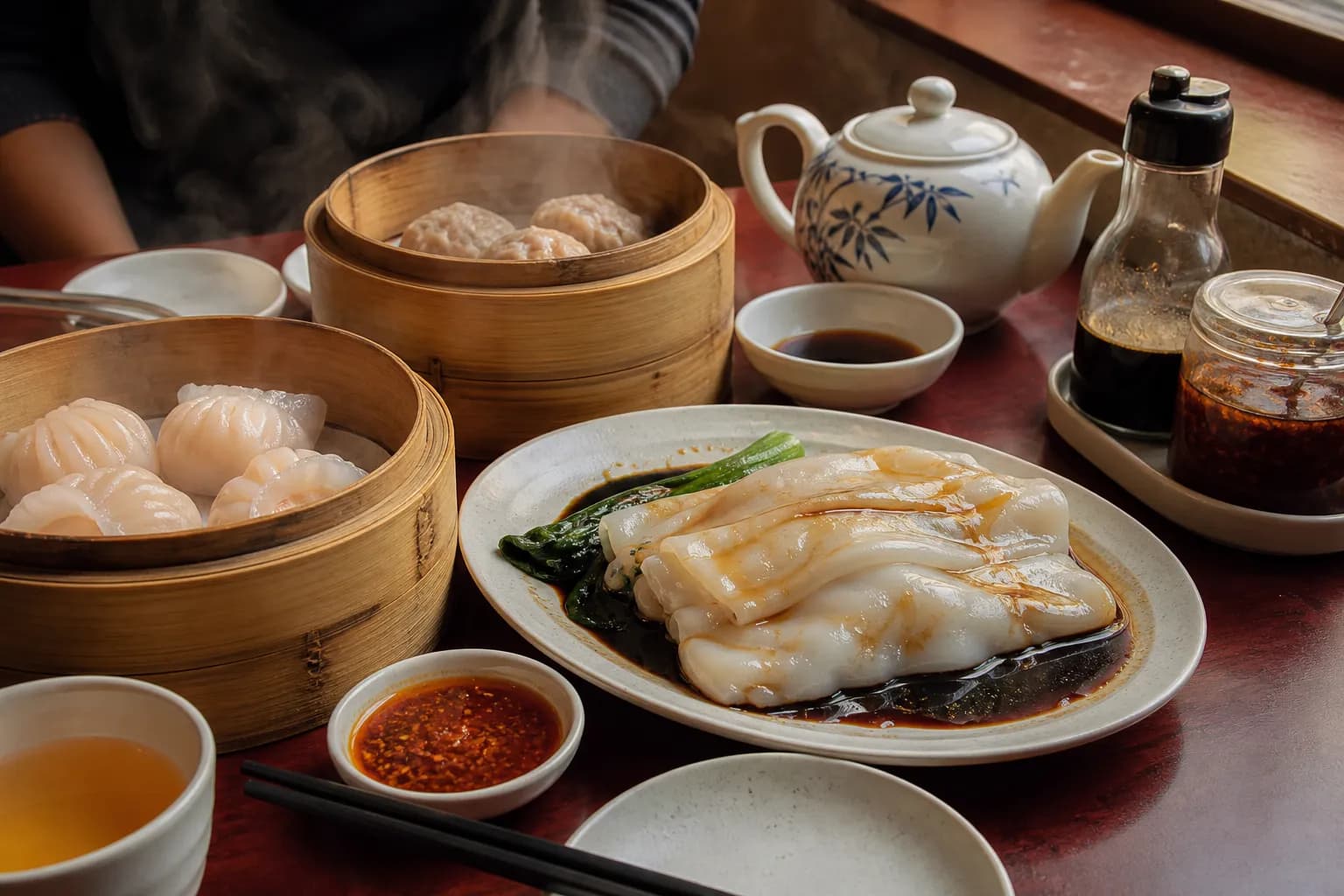
The cleanest dim sum order usually starts with a mix of textures. Steamed dumplings, savory buns, rice noodle rolls, and one or two richer plates give you a better read on the kitchen than a table full of fried items. If the room is busy, order the dishes that tell you something: har gow for wrapper quality, siu mai for seasoning, and cheung fun for texture. Those are the benchmarks. If they’re good, the rest of the meal usually follows. If they’re flat, you know you’re in a weaker room.
Finish with something sweet only if the table still has energy. Egg tarts, sesame balls, and other bakery-style desserts are best when they arrive warm and don’t have to compete with a crowded table. For a really smooth best lunch sf move, leave before you hit the point where the meal turns into idle snacking. Chinatown rewards momentum. Eat, share, clear, and head out while the room still feels lively. That’s how locals keep dim sum feeling like lunch instead of a half-day project.
Practical notes
Chinatown dim sum is easiest if you think in windows, not exact plans. Weekdays are best for a quick lunch; weekends are better for a group meal but come with more waiting and more noise. If you’re visiting from elsewhere in the city, public transit and a short walk usually beat trying to park close. Bring a flexible appetite, because the most efficient meals here are shared. If one room looks backed up, there is usually another solid option a few blocks away, especially along the busier Chinatown corridors and side streets.
Tags: #sanfrancisco #sfchinatown #dimsum #sfdimsum #chinatownrestaurants #bestlunchsf #sanfranciscodining #chinesecuisine #cantonesefood #weekdaylunch #weekendlunch #eatsf #bayareafood #sfrestaurants
Sources consulted: timeout.com · eater.com
All trademarks are the property of their respective owners.
Ask Karpo first
Ask Karpo for the latest Chinatown lunch openings, the best time to go based on today’s crowd patterns, and a live walk route from your current spot. I can also line up a backup noodle or bakery stop nearby, all on public streets and transit so you can move fast without guessing.