 Board Game Cafe Near Me: Kendall's GameZilla Skips The Menu
Back To School
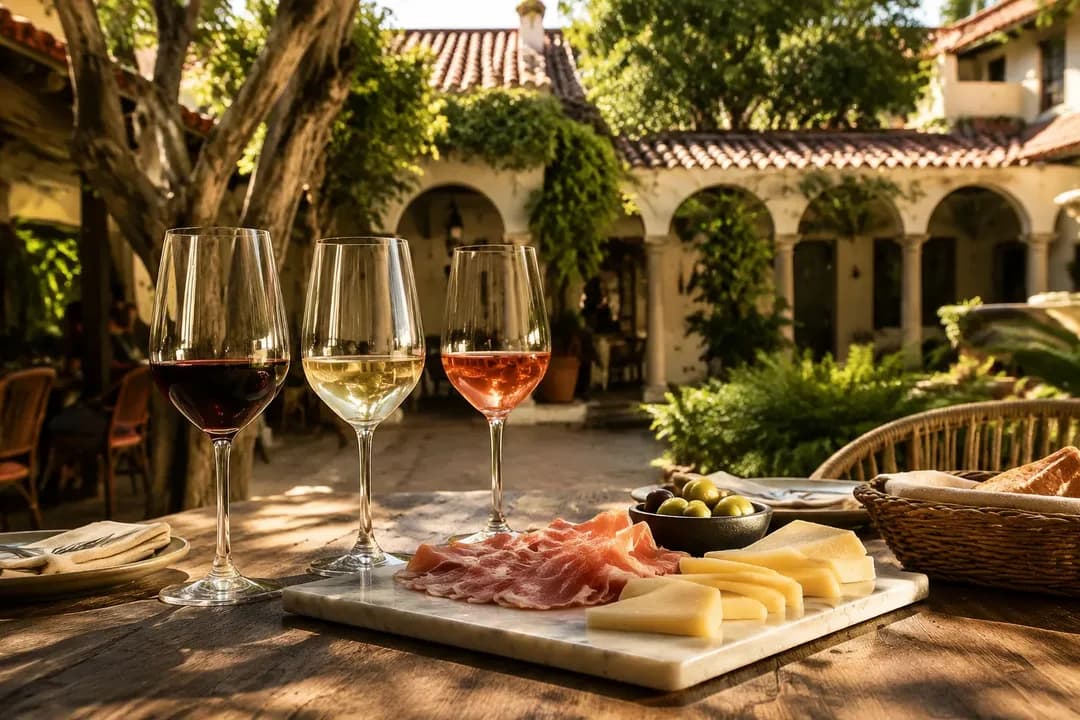
Best Cooper's Hawk Winery Experiences to Book Around Miami This Summer
Cooper's Hawk fans in Miami can plan a winery-inspired route through Design District wine bars and Coral Gables tasting rooms.
August in Miami means air-conditioned libraries, color-coded notes spread across café tables, and the slow realization that nobody wants another iced latte. If your study crew has been eyeing Cooper's Hawk—the winery restaurant chain known for tableside wine flights and American bistro plates—you'll find the closest locations are outside city limits, in suburban Broward and Palm Beach counties. That means causeway traffic, parking lot sprawl, and at least an hour each way before you crack open a single textbook.
Karpo can check which wine bars are open tonight, build you a route that dodges causeway traffic, and hold backup spots if afternoon storms change your plan.
When your study group wants wine instead of coffee
The smarter play is treating Cooper's Hawk as a search prompt rather than a destination. What people actually want when they type that name into their phones is a winery atmosphere with approachable food, a tasting-room vibe that doesn't require vineyard expertise, and enough space to settle in without feeling rushed. Miami has those experiences, especially if you're willing to route your afternoon through neighborhoods where wine bars double as study-friendly refuges and tasting counters stay open past the dinner rush.
This route works best on weekdays when the Design District and Coral Gables tasting rooms are quieter, and when you can grab street parking before the evening crowds arrive. Saturdays bring gallery foot traffic and brunch waits; Sundays compress the whole city into a four-hour window between church and sunset. Plan for three to four hours, start mid-afternoon, and keep your textbooks in a tote bag that can slide under a bar stool.
Start at a Design District wine counter
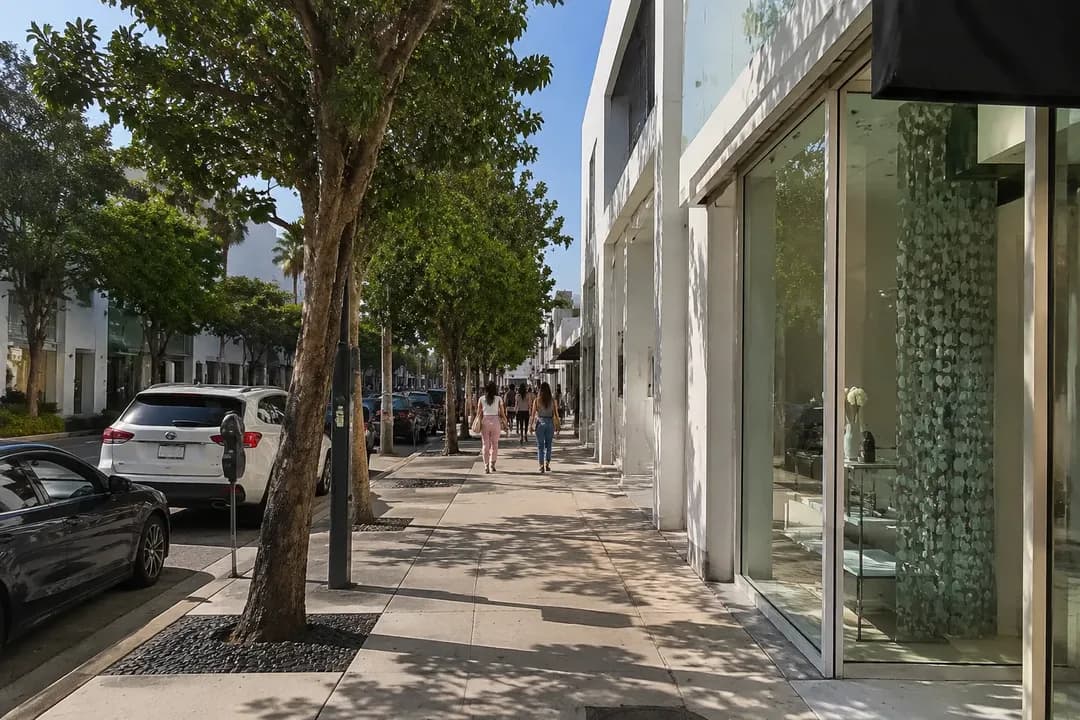
The Design District offers the closest thing to a winery tasting room experience without leaving the city grid. Head to NE 40th Street between Miami Avenue and NE 2nd Avenue, where a handful of wine-forward spots have opened in the past few years alongside the neighborhood's fashion showrooms and contemporary art galleries. These aren't loud nightlife bars—they're daytime-friendly spaces with natural light, small-production bottles, and counter seating where you can spread out a laptop between glasses.
Look for spots that post their wine lists on chalkboards and pour by the glass from regions you won't find at the corner liquor store—southern Italian whites, Oregon Pinot Noir, natural wines from the Loire Valley. The bartenders tend to be sommeliers or former restaurant floor staff who can walk you through a tasting without making you feel quizzed. Order a cheese plate if you need something to anchor the afternoon; the portions are usually generous enough to share and won't weigh you down the way a full entrée would.
Parking here is metered street parking along NE 1st Avenue and the cross streets, or the public garage on NE 39th Street if you're driving. If you're ridesharing, request pickup on NE 40th Street near Miami Avenue—it's a wide, well-lit block where drivers can pull over without blocking traffic. The Design District gets humid by mid-afternoon, so plan to be indoors by 3 p.m. when the sun hits the west-facing windows and the air conditioning starts working overtime.
Move south to Coral Gables tasting rooms
If one tasting counter isn't enough, or if your study plan includes a longer break before the evening review session, drive or ride south to Coral Gables. The stretch of Giralda Avenue between Ponce de León Boulevard and Galiano Street has quietly become Miami's most walkable wine district, with at least three tasting rooms and wine bars within two blocks. These spots lean more European than the Design District—Spanish tiles, courtyard seating, wine lists that favor French and Spanish producers—and the crowds skew older and quieter.
This is Cooper's Hawk energy without the chain polish: wooden shelves stocked with bottles you can buy retail, small plates built around jamón and Manchego, and a pace that assumes you're here to linger. Order a flight if you want to compare regions side by side, or ask the staff to pick a single glass based on what you've been drinking. The servers here are used to regulars who treat the place like a neighborhood living room, so settling in with a textbook or a laptop won't draw stares.
Coral Gables parking can be tricky—most of the street meters are two-hour limits, and the municipal garages fill up by late afternoon. Your best bet is the garage on Salzedo Street just south of Miracle Mile, then walk west to Giralda. If afternoon storms roll in—and they will, most days between May and September—the covered sidewalks along Giralda offer some shelter, but plan to stay inside once the rain starts. Rideshare pickups work best on Ponce de León Boulevard near the intersections with Giralda or Andalusia Avenue, where drivers have room to pull into the right lane.
Pair the wine with something more than cheese
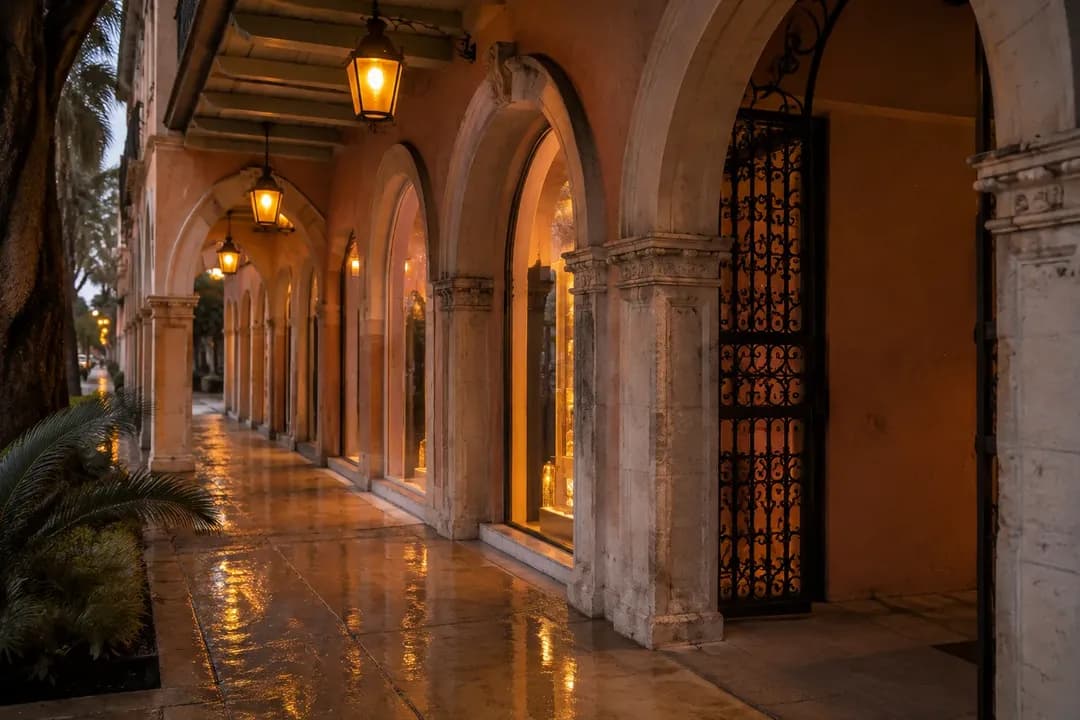
Wine bars are generous with charcuterie and olives, but if your study session stretches into dinner hours, you'll want something closer to a full meal. Both the Design District and Coral Gables have options within a block or two of the tasting rooms, and most of them welcome walk-ins on weeknights. In the Design District, look for the Italian spots along NE 2nd Avenue that serve pasta by the bowl and wood-fired pizzas—nothing fancy, just carb-forward comfort that soaks up the wine and keeps you steady for another hour of notes.
In Coral Gables, Giralda Avenue has a handful of Spanish and Mediterranean restaurants where the menus overlap with what you'd find at a winery bistro: grilled fish, roasted vegetables, short rib over polenta, risotto specials that change weekly. These aren't Cooper's Hawk's signature dishes, but they hit the same craving for approachable, wine-friendly cooking without requiring a reservation or a long wait. Order at the bar if the dining room is full; most of these places seat solo diners and small groups at the counter without hesitation.
If you're planning to eat and drink in the same place, confirm that the wine bar serves food beyond snacks—some of the smaller tasting rooms are licensed only for retail and by-the-glass pours, with no kitchen on site. It's worth asking when you walk in, or checking the posted menu before you settle into a seat. The goal is to avoid the awkward mid-session scramble to find a table elsewhere when hunger kicks in.
Leave before the evening rush makes everything harder
The Design District and Coral Gables both transform after 7 p.m., when the dinner crowds arrive and the neighborhoods shift from daytime calm to evening energy. Street parking vanishes, rideshare wait times double, and the wine bars that felt spacious an hour earlier are suddenly packed three-deep at the counter. If your study plan requires a quiet exit, aim to wrap up by 6:30 p.m. at the latest, especially on Thursdays and Fridays when the weekend momentum starts early.
If you drove, be prepared for slower bridge timing if you're heading back to Miami Beach or Key Biscayne—the causeways log heavy outbound traffic between 5 and 7 p.m. as people leave downtown and Brickell. Factor in an extra fifteen to twenty minutes if your route crosses Biscayne Bay. If you're ridesharing, request your pickup from a cross street rather than the main drags; Ponce de León Boulevard and NE 2nd Avenue both get clogged with delivery trucks and double-parked cars during the dinner rush, and drivers often cancel if they can't find a legal spot to wait.
The other variable is weather. Summer storms in Miami are punctual and predictable—most afternoons between 3 and 5 p.m., the sky opens and dumps an inch of rain in twenty minutes. If you're moving between neighborhoods during that window, plan to wait it out under an awning or inside a shop rather than trying to sprint through it. The rain stops as quickly as it starts, but the streets stay slick and the puddles pool at intersections for another hour. Wear shoes that can handle wet pavement, and keep your study materials in a waterproof bag.
Double-check what's open before you leave campus
Wine bars and tasting rooms don't always follow predictable schedules. Some close on Sundays, others take Mondays off, and a few shut down for private events without much advance notice. Before you leave your apartment or the library, confirm that your first stop is actually open—call ahead, check the social media pages, or text someone who can pull up live hours. This is especially important in August and September, when some spots close for a week or two of summer maintenance or staff vacations.
The same rule applies to parking and bridge timing. If you're driving during afternoon rush hour, check live traffic on Biscayne Boulevard and the causeways before you commit to a route. If one path looks jammed, swing west and take the long way through Coconut Grove or Little Havana—it might add ten minutes, but it beats sitting in causeway gridlock watching the minutes tick past your tasting-room reservation. And if you're relying on street parking, have a backup garage in mind; the Design District meters are often full by 4 p.m., and Coral Gables enforces its two-hour limits aggressively.
Finally, keep your expectations realistic. Miami doesn't have a Cooper's Hawk location within city limits, and the wine bars here aren't trying to replicate that exact experience. What they offer instead is something more specific to this city: small-scale tasting rooms where the staff knows the inventory, neighborhood spots where you can linger without pressure, and a pace that respects the fact that nobody wants to rush through a glass of wine in 90-degree heat. If that's what you're after, the route works. If you want the full chain experience—booth seating, tableside service, a menu that never changes—you'll need to drive north to Aventura or Pembroke Pines and accept the traffic that comes with it.
Practical notes
- Weekday afternoons are quietest at Design District and Coral Gables wine bars; weekends bring gallery crowds and brunch overflow.
- Street parking in both neighborhoods is metered and limited to two hours; arrive by 3 p.m. or use municipal garages.
- Afternoon storms hit most days between 3 and 5 p.m. in summer—plan to wait them out indoors rather than moving between stops.
- Causeway traffic peaks between 5 and 7 p.m.; add fifteen to twenty minutes if your route crosses Biscayne Bay during that window.
- Confirm wine bar hours before leaving—some close Sundays or Mondays, and private events can shut down a room without much notice.
- Most wine bars pour by the glass starting around $12 to $18; tasting flights run $20 to $35, and small plates add another $10 to $20.
Tags: #karpo #miami #miamibeach #designdistrict #coralgables #coopershawk #winery #winebar #miamiwine #tastingroom #studybreak #miamieats #summerstudy #miamilifestyle #southflorida
Sources consulted: Miami Design District · City of Coral Gables
All trademarks are the property of their respective owners.
Ask Karpo first
Text Karpo to confirm which Design District and Coral Gables wine bars are open this afternoon, get a live route that avoids causeway backups, and hold a backup list of tasting rooms if your first choice is closed for a private event. Karpo checks current hours and parking availability so you're not guessing.
Ask Karpo for more information.
Keep reading
- Board Game Cafe Near Me: Kendall's GameZilla Skips The Menu
 Matcha Cafe Near Me: Coral Gables' Coffee-First Alternative
 Vintage Clothing Stores Near Me: MiMo's Designer Consignment Fixture