New York has a category of beach that most people never think about: federal land rather than city land, run as part of the Gateway National Recreation Area, free to walk onto, and charging only for a car. The distinction matters because it is the difference between a beach day that costs a fare and one that costs twenty dollars before you have bought anything. Here is what is in that category, and the specific things that will otherwise catch you out.
Free to walk on does not mean free to get to, and the bus that serves a beach on a Saturday runs differently on a Wednesday. Text Karpo which beach you are thinking about and get the actual route from where you are, what the parking costs if you drive, and whether the section you want is open today.
Jacob Riis Park, and the fee that only applies to drivers
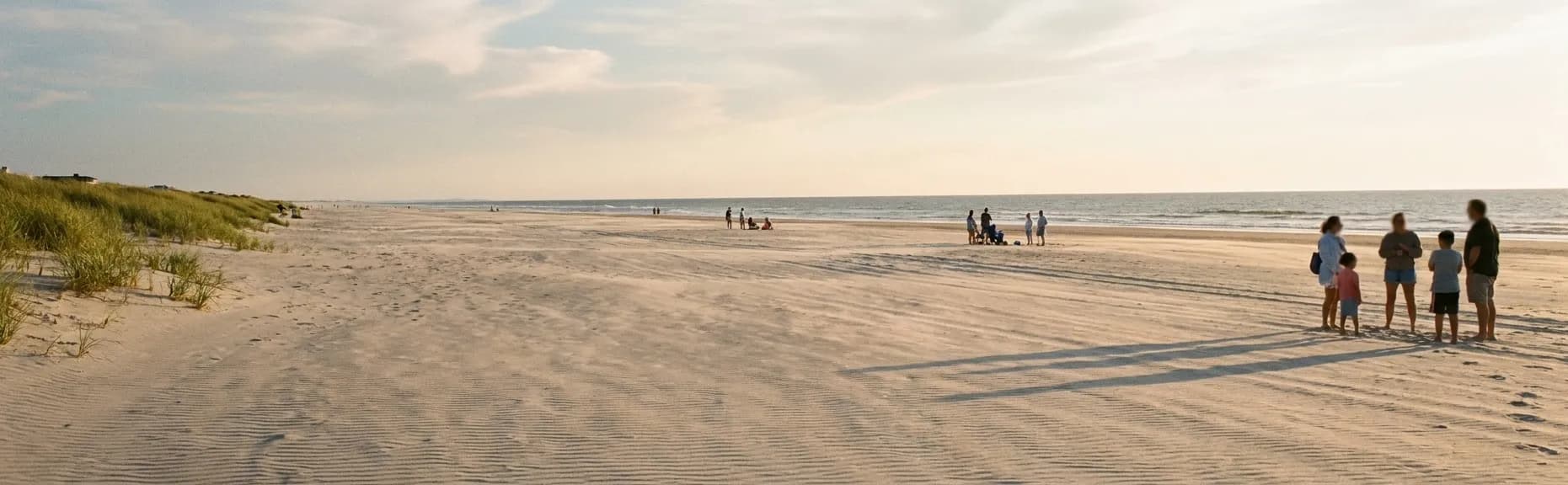
Jacob Riis Park in the Rockaways is an ocean beach with lifeguards in season, a boardwalk, a landmark Art Deco bathhouse, and courts for paddle tennis, baseball, basketball and volleyball. It is reachable by public transit and it also has parking — and the parking is the only part with a price on it.
Parking fees run from the Saturday of Memorial Day weekend through Labor Day at twenty dollars per vehicle per day, or a hundred dollars for the season, in effect between eight in the morning and six in the evening. Which produces the useful arbitrage: arriving by bus or train costs a fare and nothing else, and arriving after six in the evening on a summer day costs nothing either. Park hours run six in the morning to ten at night.
The closure you need to know about
Significant erosion along the eastern shoreline at Jacob Riis Park led to access restrictions established in 2024 that are still in force: Bays 1 and 4 remain closed to access and swimming due to unsafe conditions. This is not signposted well enough to be obvious from the boardwalk, and it is the single most common way a Riis trip goes wrong.
The related rule is that swimming is permitted only when lifeguards are on duty. On a federal beach this is enforced rather than advisory, and outside the lifeguard season the beach is somewhere to walk rather than somewhere to swim. Both of those facts are worth checking against the park's own updates the week you go, because erosion closures move.
Fort Tilden, for people who do not want a boardwalk
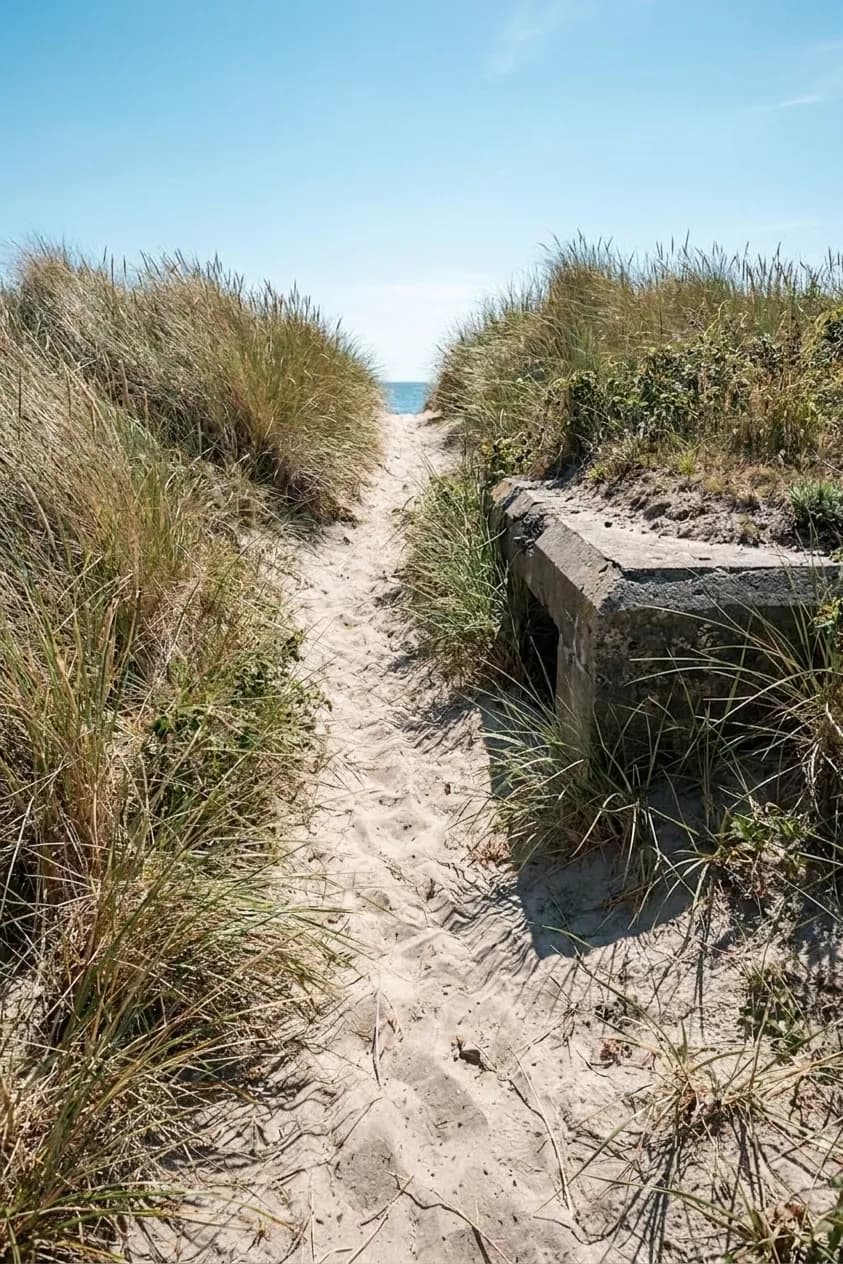
Fort Tilden sits on the south-western end of the Rockaway peninsula at the foot of the Marine Parkway–Gil Hodges Memorial Bridge, west of Neponsit and Rockaway Beach, and it is free to access as part of the same federal park. It is the undeveloped one — a decommissioned military installation with dunes grown over the old batteries and no commercial strip behind the sand.
That is the whole appeal and also the warning. There is no boardwalk economy, which means bring your own water and food, and check the lifeguard situation before planning to swim rather than assuming it matches Riis next door. It is the better walk and the worse day if you arrive unprepared.
Great Kills, for Staten Island
Great Kills Park on Staten Island is the third piece of the same federal system and the one that makes sense if you are coming from the south-west of the city rather than from Brooklyn or Queens. It has a lifeguarded beach area in season and the same broad free-to-enter model.
Its real advantage is crowding. The Rockaway beaches on a hot Saturday absorb a large share of the entire city; Staten Island's shoreline does not, and the trade you are making is a longer, less convenient journey for meaningfully more space on the sand.
How to make a free beach day actually free
Do not drive between Memorial Day and Labor Day unless you are splitting the twenty dollars four ways, in which case it is fine. Take transit, and check the specific weekend service rather than the weekday map — beach-serving routes in New York run different frequencies in summer and the last useful return is earlier than people expect.
Bring water. The free beaches are free partly because there is not much infrastructure on them, and the concession situation at all three is thinner than at a city beach. A gallon of water, food, and shade of your own converts a marginal day into a good one for about six dollars of supermarket shopping.
The honest comparison
City beaches are easier to get to, have more behind them and are busier. The federal beaches are quieter, wilder and require more planning, and the reason to choose them is space rather than price — the free part is a bonus that applies mainly to people who would have taken transit anyway.
If you are going once this summer, go to Riis on a weekday in the late afternoon: the parking window has closed, the crowd has thinned, the lifeguards are still on, and the Art Deco bathhouse looks better at five than it does at noon. That is the version of this day that is genuinely free and genuinely good.
Tags: #bestbeachesnearnyc #freebeaches #jacobriis #forttilden #rockaways #greatkills #statenisland #gatewaynra #nycsummer #beachday #queens #freethingstodo #nycoutdoors #daytrip
All trademarks are the property of their respective owners.
Ask Karpo first
The free beaches near New York are federal parkland with their own rules — seasonal parking fees, lifeguard-only swimming windows and sections closed for erosion. Ask Karpo which one is the realistic trip from where you are today, how long it takes without a car, and what is currently closed.