Every list of the best beaches near Los Angeles eventually admits the same thing: the good ones are busy. What that misses is that a handful of them are reliably empty, and not because they are secret. They are empty because of a mechanical constraint that nobody writes about — there is almost nowhere to put a car, and in this county that is the only crowd control that works.
Coastal conditions and lot capacity change hour by hour, and a full lot at eleven means the whole plan collapses. Ask Karpo what the coast is doing before you commit to the drive up the highway.
El Matador: twenty cars is the whole story
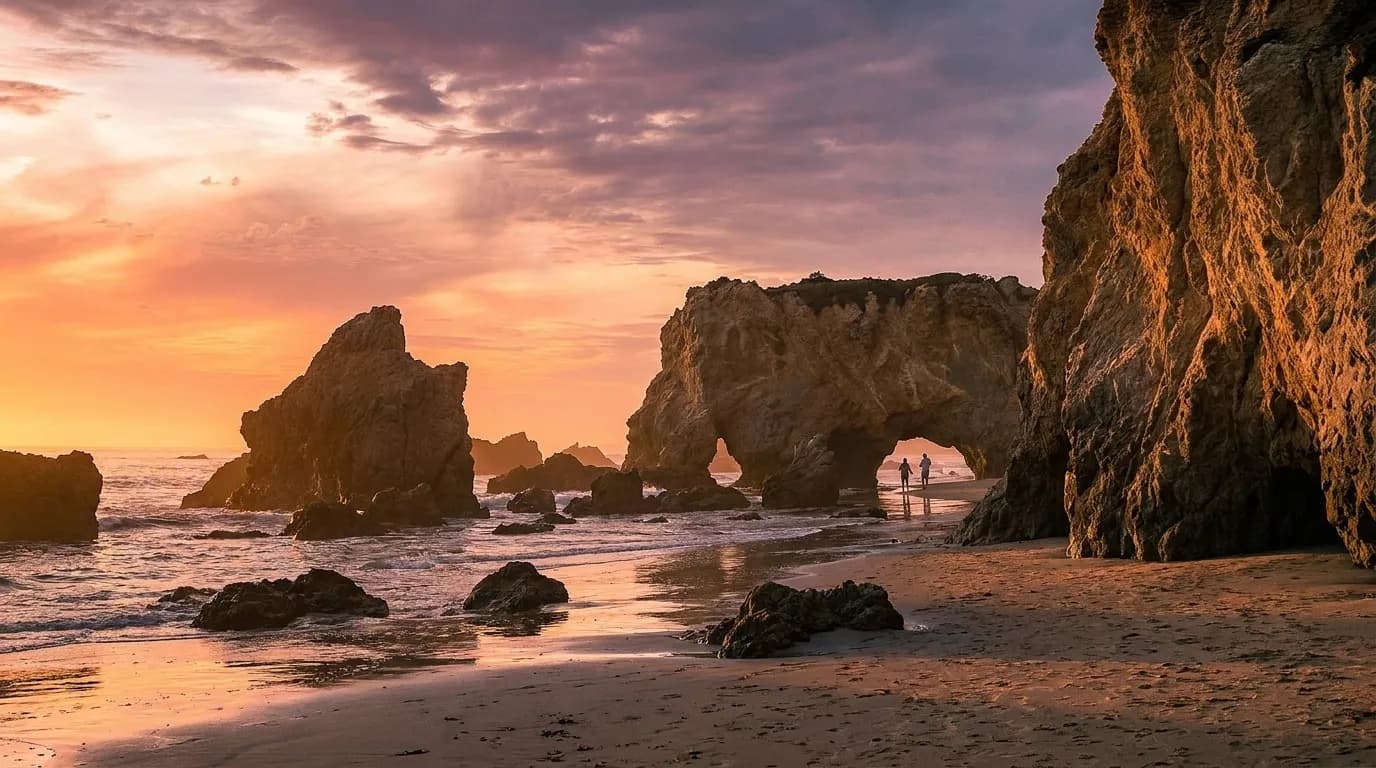
El Matador State Beach sits between Leo Carrillo and Point Dume, and it is the most photographed stretch of sand in the county — sea stacks, arches, extraordinary light in the last hour before sunset. It is also consistently less busy than Venice or the Santa Monica beaches, and the reason is the small paid lot directly off the Pacific Coast Highway, which holds roughly fifteen to twenty cars at around eight dollars, subject to change on holidays.
Fifteen to twenty cars is not a car park, it is a queue. On a summer weekend or a holiday it is full well before late morning, and once it is full the beach stops filling too. That is why the sand stays pleasant while the highway outside is nose to tail. The corollary is that you either arrive early or you do not arrive — and this is not a swimming beach in any case, so the sensible visit is late afternoon into sunset rather than a full day.
Leo Carrillo: far enough west that the county changes
Leo Carrillo State Park sits at the far western edge of Los Angeles County and is the standard local answer to a full Zuma. Going that little bit further does something disproportionate: the crowd density drops away, the development thins out, and the coast genuinely reads as a different stretch of California rather than the end of a city. Official parking at Leo Carrillo, like Zuma and Point Dume, runs somewhere between three and fifteen dollars a day depending on the lot and the season.
The trade is the drive. Leo Carrillo is far enough out that it stops being a spontaneous afternoon and becomes a decision made in the morning — which, again, is exactly why it is quiet. Anything within easy reach of the city is busy by definition.
Point Dume: the one that does three things at once
Point Dume State Beach is the best value per stop of the three, because it packages a protected cove, a headland hike and a set of tide pools into a single car park. That matters with a group of mixed enthusiasm — the people who want to swim, the people who want to walk and the people who want to poke at sea anemones can all be satisfied without moving the car, which is not true anywhere else on this list.
It is also the busiest of the three, relatively speaking, because it is the closest and the most obviously useful. Treat the lot the same way: full before late morning on a weekend, considerably easier midweek.
What quiet costs you
It is worth being honest about the trade, because these beaches are quiet in exchange for things people miss. There are no lifeguard towers every two hundred metres, no line of food, no rental chairs, and at several of them no reliable phone signal. A cove reached down a set of eroded steps is not somewhere to bring an unsteady walker or a great deal of equipment, and the return climb in the dark after a sunset is a genuine consideration rather than a caveat.
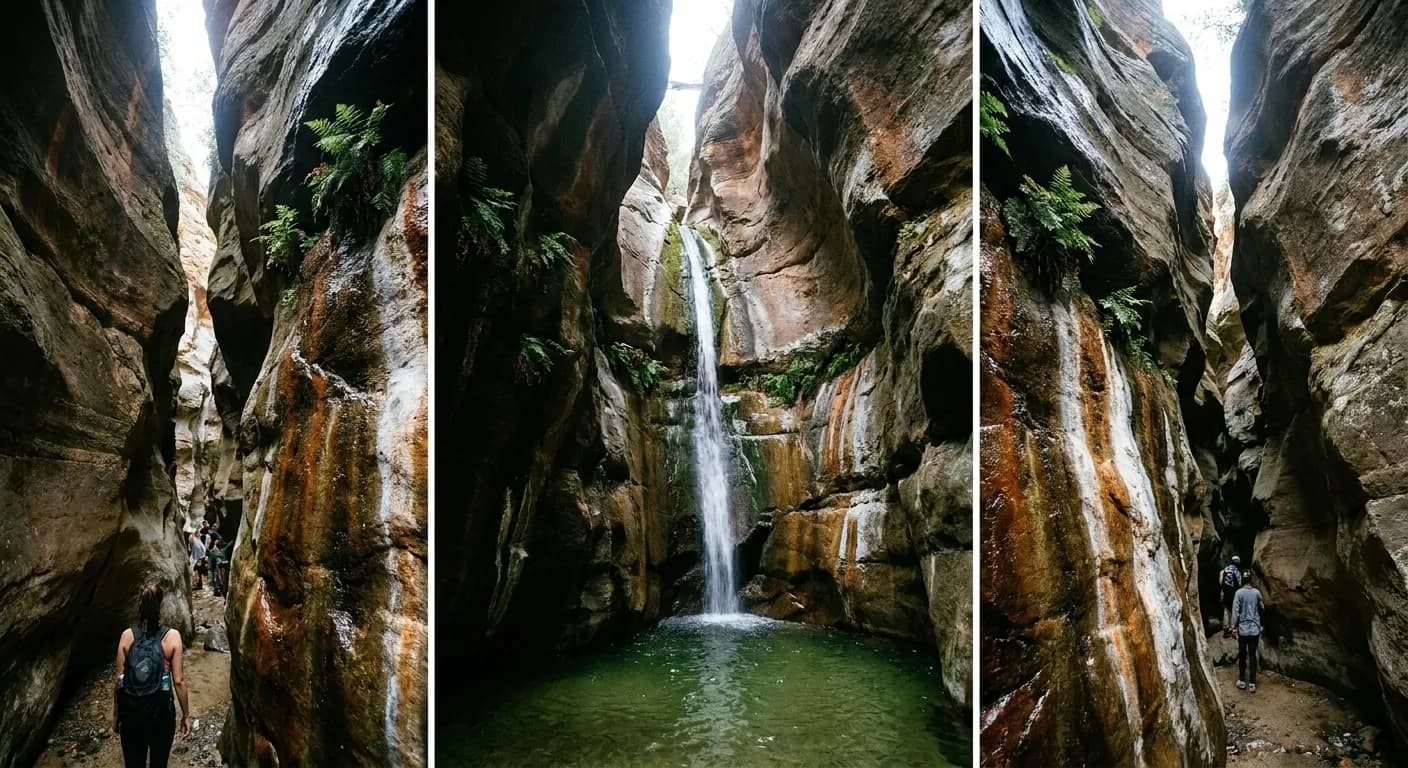
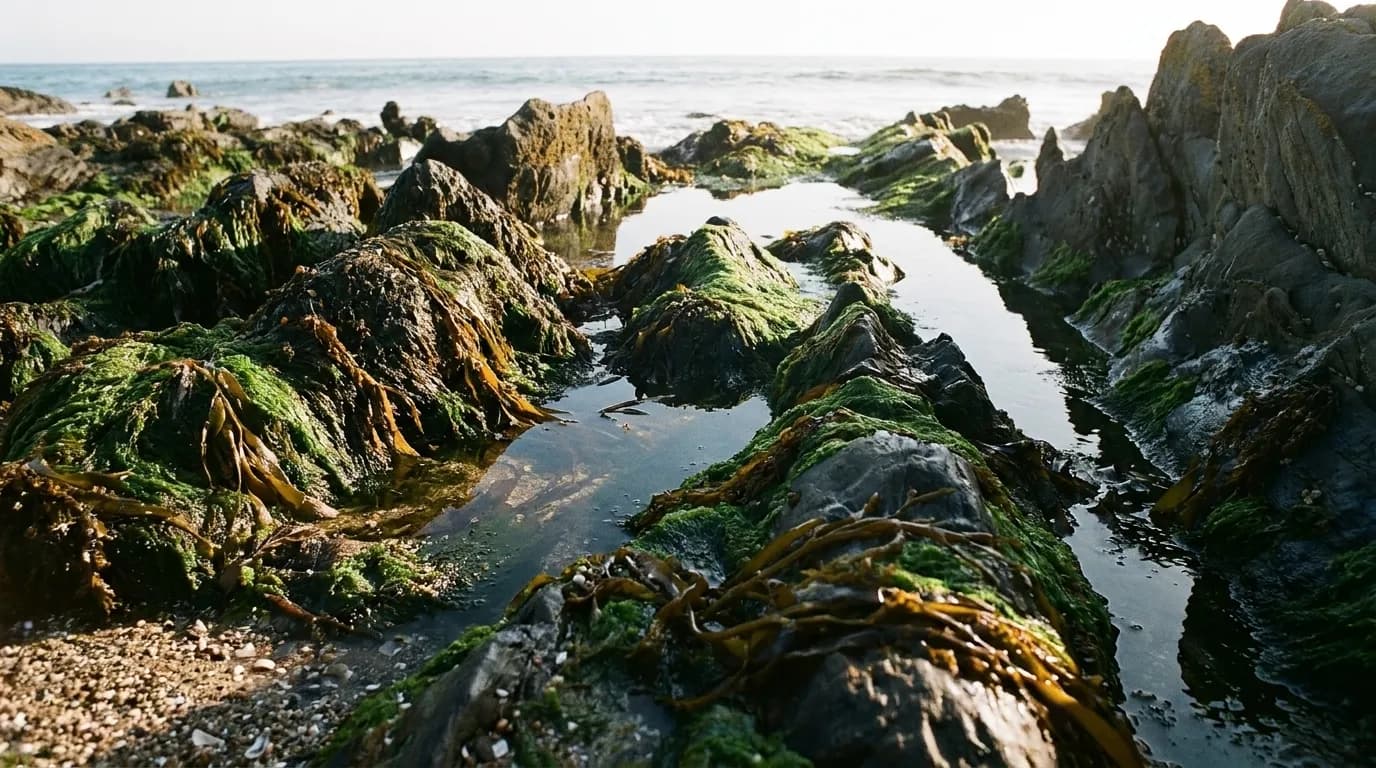
Tides matter here in a way they do not at a wide, flat city beach. A Malibu cove at low tide is an enormous playground of rock pools and passable headlands; the same cove at high tide can be a strip of sand a few metres deep with the water against the cliff. Checking the tide before you drive an hour is the single highest-value thirty seconds in this whole plan, and almost nobody does it.
The wider quiet list, and how to use it
Beyond those three, the names that keep coming up for emptiness rather than beauty are Marina Peninsula, Escondido, Paradise Cove, Carbon Beach and Bluff Cove. They vary a great deal in access — some are a scramble, some have almost no legal parking at all, and at least one has an entry arrangement through a private business. The general rule holds across all of them: difficulty of access is directly proportional to how quiet the sand will be.
The tactical version of everything above is simple. Go midweek if you can, because midweek is genuinely easier at every one of these lots. If it must be a weekend, be parked before late morning or plan for late afternoon when the morning shift leaves. Carry cash in case a machine is out. And have a second beach in mind before you set off, because the whole system runs on lots that fill, and a plan with one beach in it is a plan with a fifty per cent failure rate on a hot Saturday.
Practical notes
El Matador: small lot off the PCH, roughly fifteen to twenty cars, about eight dollars, best at sunset, not for swimming. Leo Carrillo: far western county, the standard escape from Zuma, three to fifteen dollars depending on the lot. Point Dume: cove, hike and tide pools from one stop, busiest of the three. Weekend lots fill before late morning everywhere on this coast; midweek is a different experience entirely. Always have a backup beach.
Tags: #LosAngeles #Malibu #LABeaches #ElMatador #PointDume #LeoCarrillo #HiddenGems #PCH #SoCal #BeachDay #QuietBeaches #LAOutdoors #TidePools #WeekendLA
All trademarks are the property of their respective owners.
Ask Karpo first
Want a beach near Los Angeles that will not be shoulder to shoulder? Ask Karpo which coves are worth the drive right now, what the lots cost, and which backup to head for when the first one is full.