The August 2026 Outshine Fruit Bars recall for possible glass contamination put Berkeley Bowl's transparency protocols on display, with detailed batch numbers and roast dates posted online within hours of the manufacturer's announcement. That kind of rapid response matters in a region where grocery shoppers treat produce sourcing like a contact sport, and where two Berkeley institutions—Berkeley Bowl and Monterey Market—have spent decades building reputations on quality control and farm relationships. These aren't interchangeable supermarkets with identical inventory trucked from distant warehouses. They're produce-first operations with fundamentally different approaches to what belongs on the shelf and how to tell customers when something goes wrong.
Karpo tracks live product recalls, store hours, and peak shopping windows at Berkeley Bowl and Monterey Market so you always know what's safe and when to go.
Two Berkeley institutions, different shopping philosophies
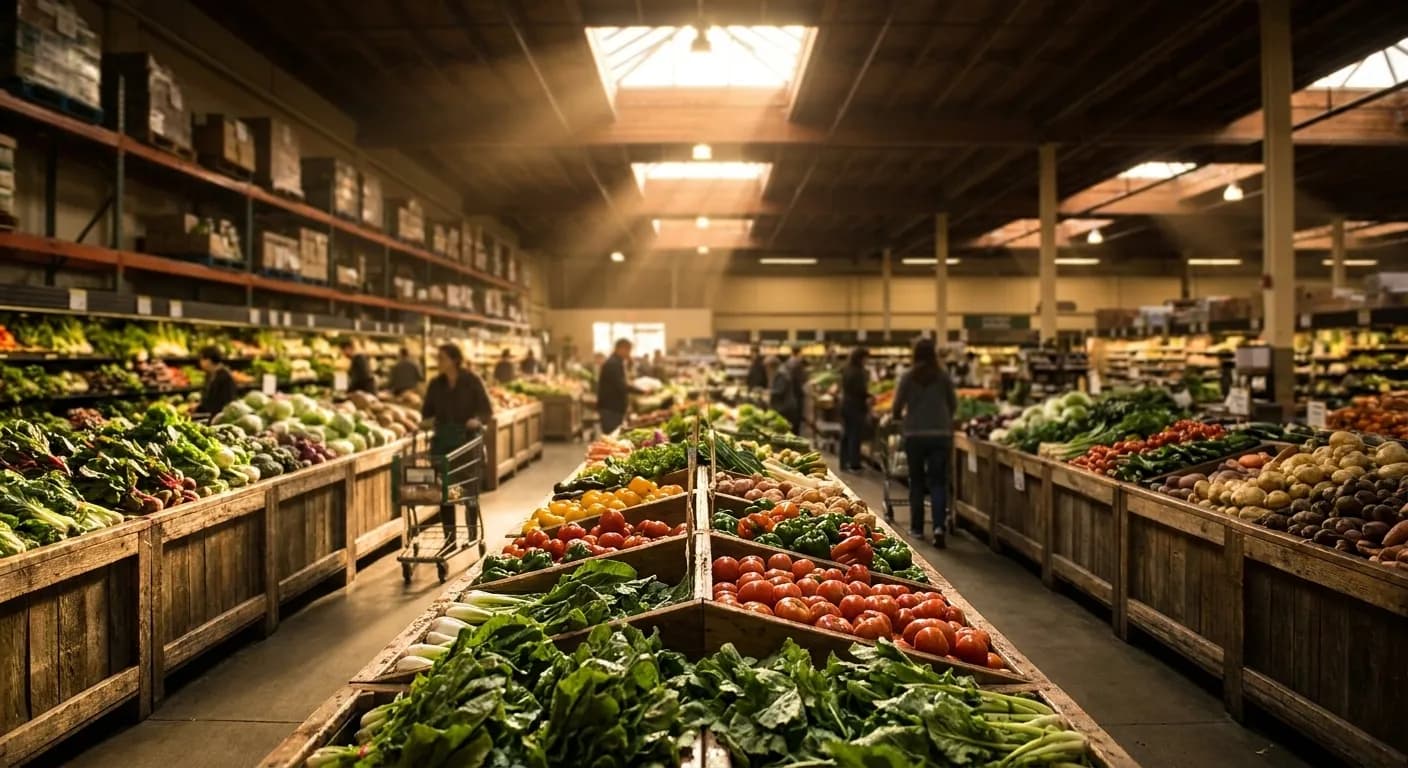
Berkeley Bowl Marketplace sits at 2020 Oregon Street in South Berkeley, a warehouse-scale operation that feels more like a produce stadium than a neighborhood grocer. The 35,000-square-foot space stocks somewhere north of 500 produce items on any given day, from fifteen apple varieties in winter to stone fruit you've never heard of come summer. The aisles run wide enough for two carts to pass comfortably, and the checkout bank stretches twenty registers deep during weekend rushes.
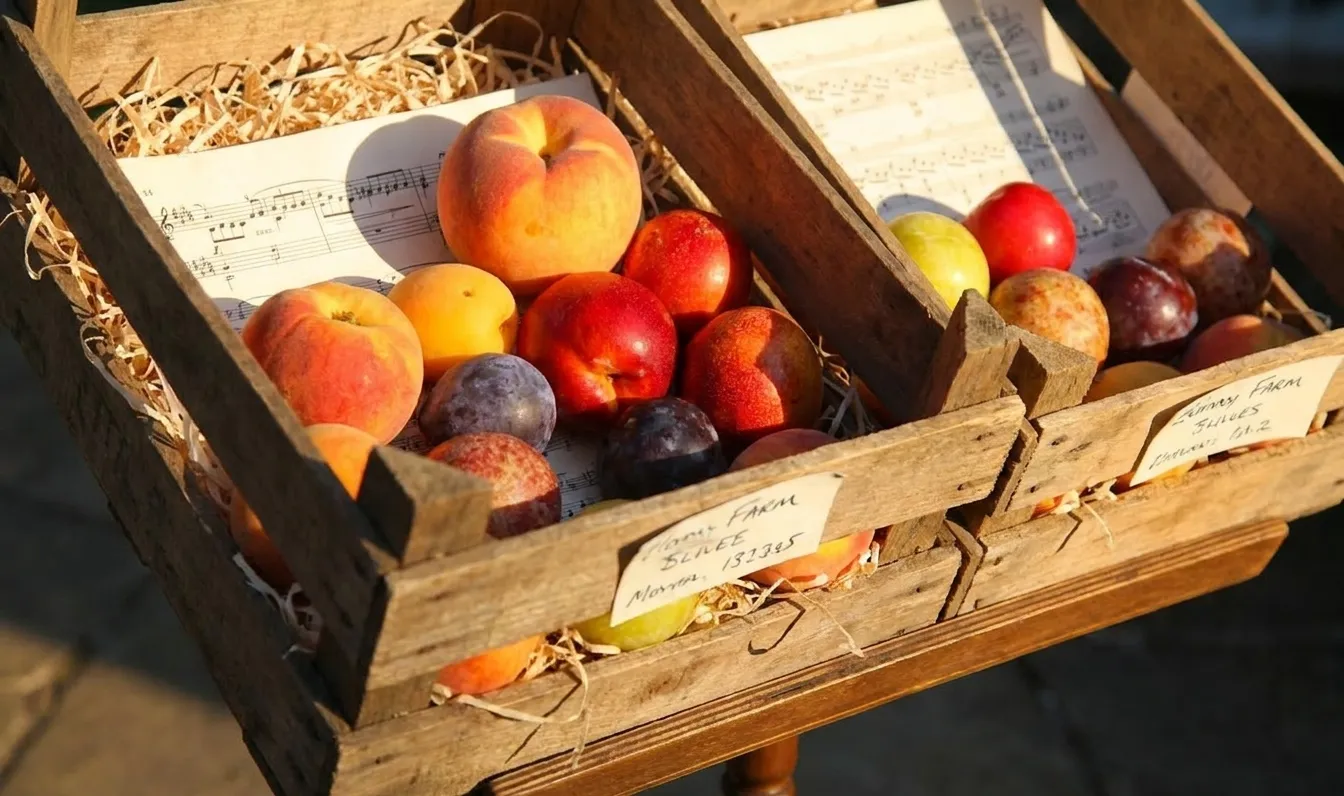
Monterey Market operates three miles north at 1550 Hopkins Street with a completely different energy. The 6,000-square-foot store keeps things tight and curated, with wooden bins and chalkboard signs naming the farms behind each crop. Founder Bill Fujimoto built relationships with Brentwood stone fruit growers and Watsonville berry farmers over four decades, and those connections still define what lands on the tables each morning. The place closes at 7 PM weekdays and 6 PM weekends, which means serious shoppers show up by mid-afternoon before the best stuff disappears.
How Berkeley Bowl handles recalls and transparency
Berkeley Bowl maintains a dedicated recall page at berkeleybowl.com/product-recalls that gets updated the same day manufacturers issue alerts. The August 21, 2026 recall for Outshine Fruit Bars appeared on the site within hours of Dreyer's Grand Ice Cream announcing possible glass contamination in certain flavors. The page lists specific product codes, roast dates for coffee recalls, and direct manufacturer contact emails—no vague warnings or generic advice.
The store's return policy draws a hard line on perishables: all sales are final on bulk, floral, frozen, refrigerated, and perishable items unless defective. That clause matters during recall situations, when customers can exchange affected products for similar items or receive store credit with manager approval. EBT purchases follow different rules—no credit or cash returns, but exchanges work if something arrived spoiled or past code at purchase time.
Walk past Customer Service at the Oregon Street location and you'll see printed recall notices taped to the counter, usually with photos of the affected packaging. Staff pull recalled items from shelves immediately, but the physical notices stay posted for two weeks so regular shoppers know what got flagged. It's old-school transparency in an era of app notifications and email blasts.
Monterey Market's farm-direct advantage
Monterey Market doesn't run an online recall page because the inventory turns over so fast that shelf life rarely becomes an issue. Most produce arrives directly from farms within 100 miles—Dirty Girl tomatoes from Santa Cruz, Frog Hollow peaches from Brentwood, Full Belly cucumbers from Capay Valley. The farm names appear on handwritten signs above each bin, which creates built-in traceability if something goes wrong. When a grower has a problem, the store knows immediately and can pull everything from that source before customers even hear about it.
The buying strategy means seasonal gaps that bigger stores would never tolerate. Blueberries might vanish for three weeks between local harvests because Monterey Market won't truck them in from Chile or Mexico. Shoppers who need year-round consistency find that maddening. People who want peak-season flavor from known farms consider it the entire point.
Navigating Berkeley Bowl's two locations
Berkeley Bowl runs two stores three miles apart with notably different vibes. The original West location at 920 Heinz Avenue opened in 1977 and still occupies a converted bowling alley, complete with sloped floors and tight aisles that feel cramped during Saturday afternoon chaos. The Marketplace opened in 1999 with modern refrigeration, wider aisles, and a much larger bulk section that includes 100-plus spice varieties sold by the ounce.
Both locations stock the same core produce selection, but the Marketplace gets first crack at specialty items and unusual imports. The West store compensates with a new pop-up vendor program in the café space—everything from Indonesian street food to Bay Area BBQ, rotating weekly. Sign up for the email list to track who's cooking when, because the schedule changes faster than the website updates.
Parking at the Marketplace involves a two-level garage that fills completely by 11 AM on weekends. Arrive before 9:30 AM or after 6 PM to avoid circling. The West location offers surface parking that's equally jammed but easier to escape. Both stores close for Thanksgiving, Christmas, and New Year's Day—the only three holidays they observe.
What the produce selection actually looks like
Berkeley Bowl's produce section occupies roughly 40 percent of the Marketplace floor space, arranged in a giant horseshoe with refrigerated cases along the perimeter and room-temperature bins filling the center. The stone fruit section alone runs twelve feet long in summer, with nectarines sorted by farm and ripeness level. Winter brings citrus from California's Central Valley—Oro Blanco grapefruits, Kishu mandarins, blood oranges in four varieties. The Asian vegetable section stocks two dozen leafy greens that most American grocers have never heard of.
Monterey Market dedicates its entire footprint to produce, with a small corner for eggs, bread, and a few grocery staples. The layout changes weekly based on what's in season, so regulars develop spatial memory rather than relying on fixed aisle markers. Heirloom tomatoes take over six tables in August. Stone fruit dominates from May through September. Winter squash fills half the store from October through February. The rotation makes it impossible to shop from a fixed list—you adapt to what arrived that morning.
Practical notes
Berkeley Bowl Marketplace at 2020 Oregon Street opens 9 AM to 8 PM Monday through Saturday and 10 AM to 7 PM Sunday. Monterey Market at 1550 Hopkins Street runs 8 AM to 7 PM weekdays and 8 AM to 6 PM weekends. Both stores maintain standard hours year-round except major holidays. Berkeley Bowl accepts EBT, credit cards, and cash; Monterey Market takes cards and cash only. The Marketplace garage entrance sits on Oregon Street just south of Ashby Avenue. Monterey Market parking uses the lot behind the store, accessible from Hopkins. AC Transit lines 51B and 52 serve both locations. Berkeley Bowl posts recall updates at [berkeleybowl.com](https://www.berkeleybowl.com/product-recalls) with manufacturer contact information and specific batch codes. Monterey Market provides farm sourcing details in-store on handwritten signs. Neither store offers online ordering for produce, though Berkeley Bowl recently launched a new e-commerce platform for packaged goods.
Tags: #BerkeleyBowl #MontereyMarket #EastBayProduce #BlueberryRecall #LocalFarms #BerkeleyGrocery #ProduceShopping #FoodSafety #OrganicProduce #BayAreaFood #SouthBerkeley #FarmToTable #GroceryRecall #CaliforniaFarms #ShopLocal
All trademarks are the property of their respective owners.
Ask Karpo first
Planning your Berkeley grocery run? Ask Karpo which store has shorter lines right now, whether that recall affects your favorite berries, or what time the organic stone fruit arrives. I'll check live inventory, compare prices across both markets, and map the fastest BART-to-store route from anywhere in San Francisco.