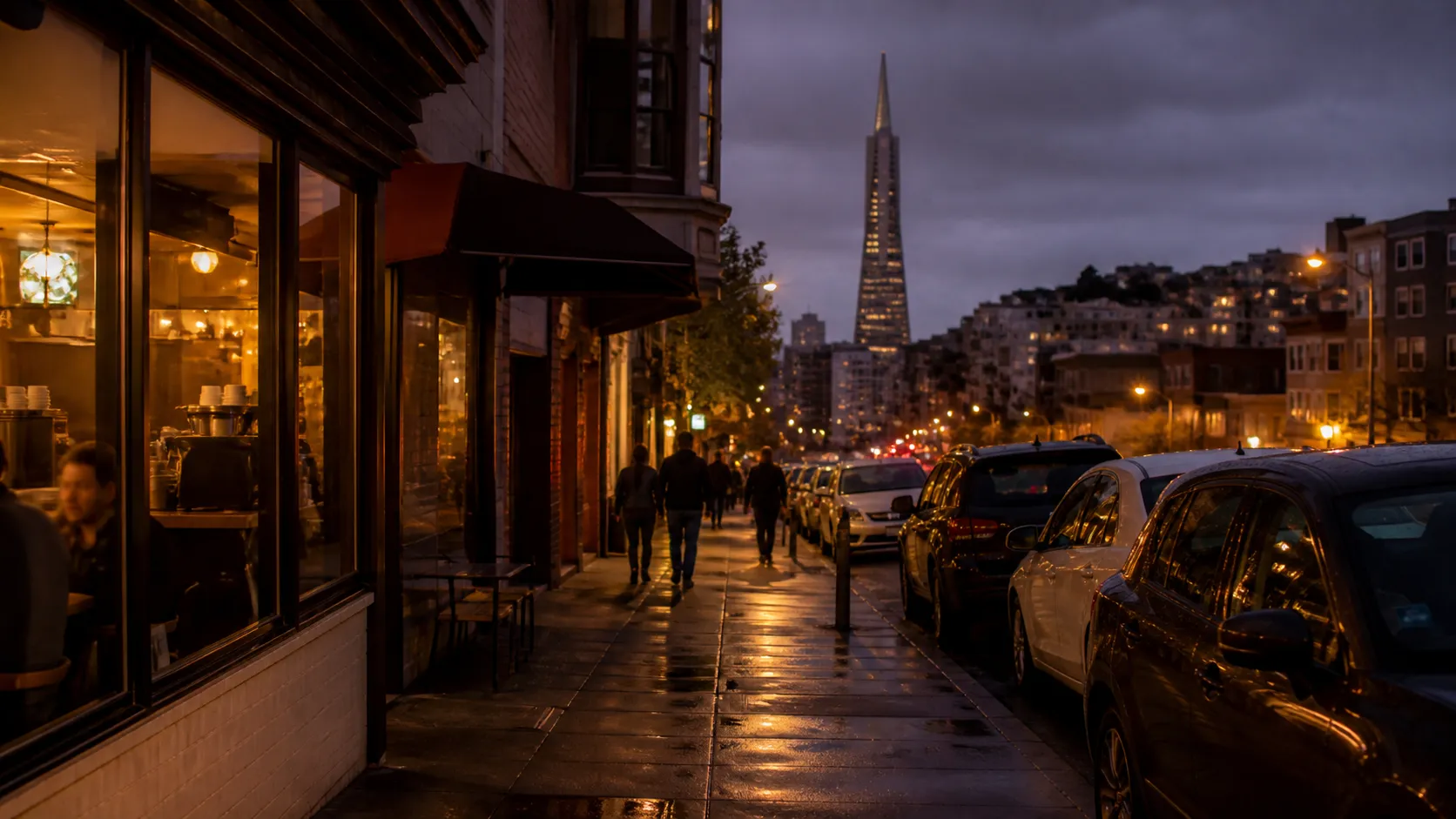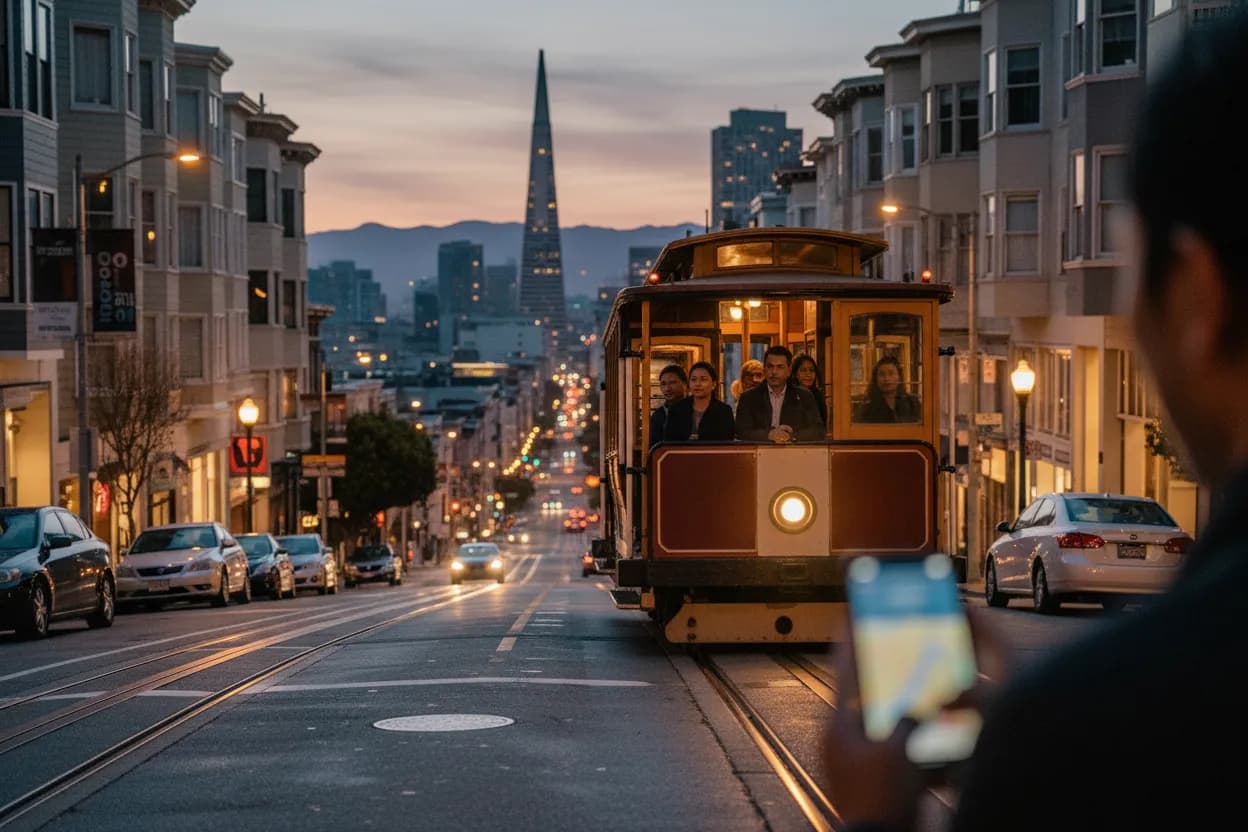
ben simmons may be the search hook of the week, but a good San Francisco sports plan should not depend on a rumor, a private sighting, or a last-minute social post. Treat the name as a reason to gather friends around basketball talk, movement, food, or a casual watch setup, then verify every real-world detail before anyone leaves home. On Tuesday, August 11, 2026, the safest local approach is simple: decide whether your group wants to play, spectate, or just talk sports; check official city transportation and recreation pages; and build a Plan B that works if the first court, route, or meetup spot is crowded, delayed, closed, or not a fit.
Want a tighter version for your block, group size, mobility needs, and preferred Muni route? Text Karpo before you leave, and ask for a verified sports-social plan with a backup.

Turn the sports interest into a social plan
Start by separating the conversation from the claim. If friends are texting about ben simmons, that does not create a San Francisco appearance, affiliation, public event, endorsement, or reliable local schedule. What it can create is a useful reason to meet: a half-court run, a low-pressure skills session, a sports bar conversation, a home watch night, or a walk-and-talk route that ends near transit.
Make one person the verifier, not the hype amplifier. That person should check the official page for the place you intend to use, the SFMTA page for travel options and current alerts, and any official calendar tied to the activity. If the plan depends on a specific court, field, room, street condition, or transit connection, assume it can change until confirmed close to departure.
A good San Francisco sports-social plan is also honest about energy. Some groups want competition. Others want fresh air, basketball debate, and a reason to get out. Decide the tone in advance so the most casual person is not surprised by a serious run, and the serious player is not stuck in a plan that is really just a hangout.
Choose participation or spectating first
Before picking a neighborhood, decide whether the event is participatory or spectator-centered. Participation requires more checks: public access, equipment, weather comfort, court or field condition, bathrooms, lighting, and whether beginners will have a role. Spectating requires different checks: seating, sound level, transit timing, screen availability if relevant, and whether the group has a clear meeting point that does not block sidewalks or business entrances.
For public recreation spaces, use the official San Francisco Recreation and Park Department website and verify current access details there, especially because public facilities and programming can change. If an official page does not load, looks incomplete, or does not answer the practical question, do not fill the gap with assumptions. Choose a simpler backup that does not rely on a fragile detail.
For a mixed group, the cleanest format is often a two-part plan: optional light play first, then a nearby social stop or transit-friendly meetup afterward. That gives the athletes a reason to show up early and gives late arrivals or non-players a way to join without feeling like they missed the whole point.
Match the venue to the group energy
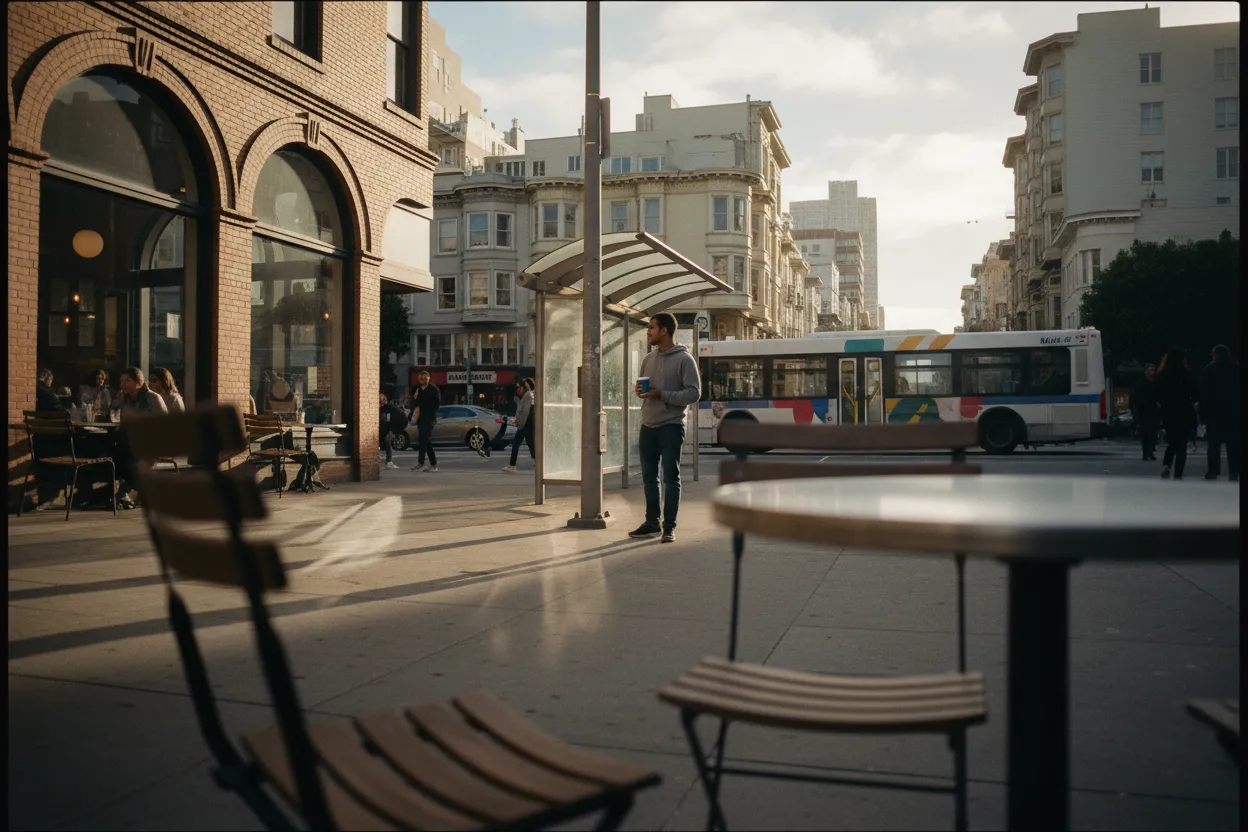
San Francisco plans fail when the venue is chosen for image instead of fit. A high-energy group can handle a busier public setting, more walking, and a looser arrival window. A group with beginners, kids, older adults, mobility needs, or people coming after work needs a clearer route, fewer transfers, obvious rest points, and less dependence on finding open space at the perfect moment.
Use the city’s transportation reality as part of the venue decision. SFMTA provides a Trip Planner with options for Muni, bike, walk, drive, and park, and it also publishes Muni routes and stops, visitor transportation information, neighborhood resources, accessibility information, travel maps, service alerts, meetings, and travel updates. Those tools are not decorative; they are the difference between a plan that sounds good and a plan people can actually execute.
Crowd risk deserves its own check. SFMTA’s site includes travel and transit updates, and current examples listed on the page include Hayes Valley Shared Spaces on Fridays and Saturdays in August 2026, 40-foot bus service substitutions, and the SF Pizza, Bagel, Beer Festival on Saturday, August 15, 2026. You do not need to avoid every busy area, but you should know when nearby streets, vehicles, or sidewalks may feel tighter than usual.
Plan equipment seating and transit early
Make one shared message with the basics: exact meeting point, planned start time, what to bring, what not to bring, nearest transit option to verify, and the backup destination. For a play plan, call out ball responsibility, water, layers, and whether anyone is bringing extra gear. For a watch or discussion plan, call out seating expectations, noise tolerance, and whether people can arrive late without derailing the group.
Do not invent certainty around transit. Check SFMTA close to departure for alerts and route information. The official page shown includes a recent alert format, with a final update noting that a delay at Randolph and Orizaba had cleared and inbound M Ocean View service was resuming. The lesson is not that your route will have that issue; it is that conditions can change, clear, and update in real time.
Driving should be treated as a separate plan, not the default. SFMTA’s trip tools include drive and park options, but parking availability, curb rules, citations, towing information, street closures, and permits are all areas where official verification matters. If half the group is on Muni and half is driving, set the meetup time with enough cushion that one mode’s delay does not punish everyone.
Keep beginners from feeling stranded
A sports-social plan works best when the least confident person knows what to do in the first ten minutes. If you are playing, begin with warmups, shooting, or casual drills before teams are chosen. If you are watching or talking basketball, give the group a simple prompt: one player comparison, one team question, or one prediction. That keeps the meetup from turning into a closed conversation among the loudest fans.
Accessibility is not an afterthought. SFMTA lists accessibility as a major getting-around resource, and its site also provides customer service contacts, 311 information, and free language assistance through the city contact information shown on the page. If someone needs a route with less walking, clearer stops, or more time, build that into the first plan rather than offering it as a reluctant adjustment.
Also protect the exit. Tell everyone the backup choice before the meetup starts: move to a quieter public location, switch from play to a walk, split into food-and-transit groups, or end early with no guilt. A clear exit plan makes people more willing to attend because they know they are not trapped in an overhyped night.
Verify schedules before leaving
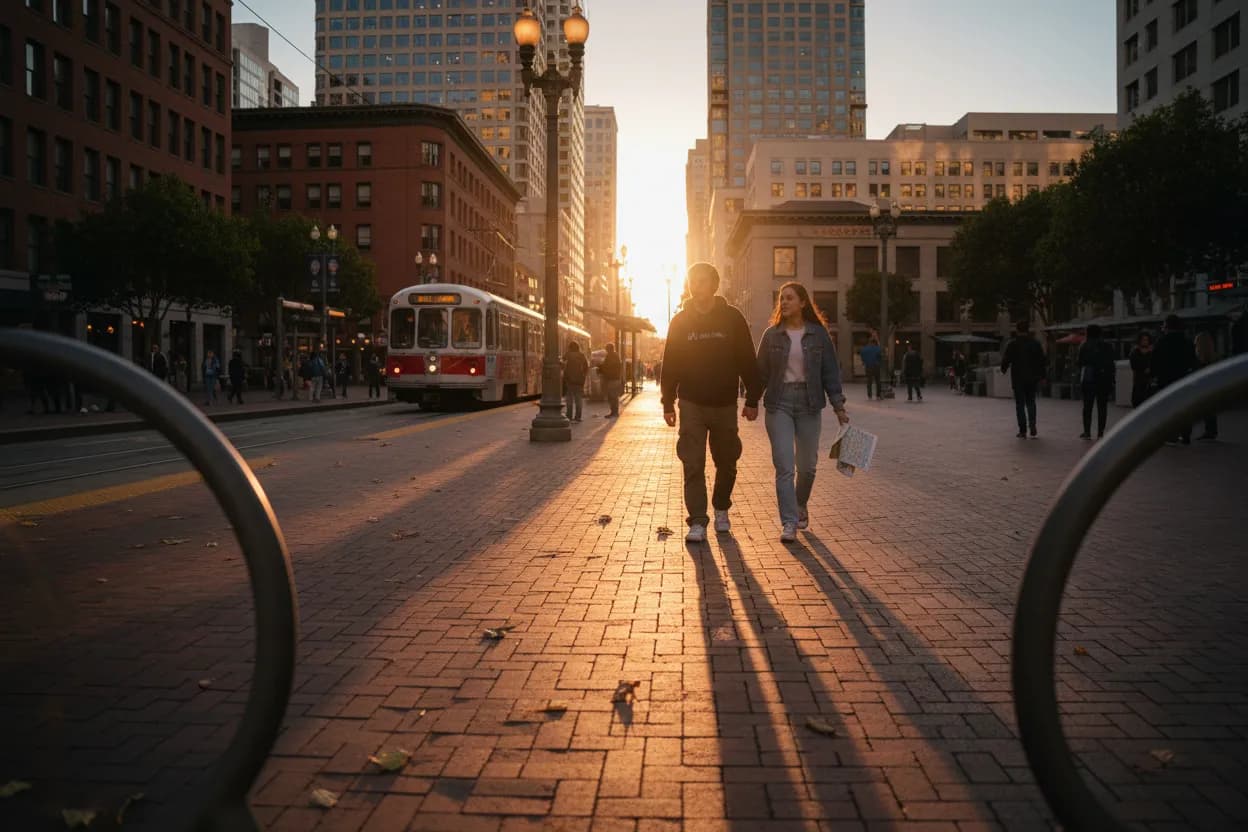
The final check should happen the same day, not the week before. Review SFMTA for current alerts, Muni route and stop information, travel and transit updates, and any relevant calendar items. If you are using a public recreation location, verify the official San Francisco Recreation and Park Department page for current facility, access, and program details. If a detail matters to the success of the plan, verify it from the official source.
Use a simple go/no-go test. Go if the meeting point is clear, transit has been checked, the site still appears suitable, and the backup is acceptable. Delay or redirect if the plan depends on an unverified schedule, a crowded corridor, a route with a current issue, or a court or venue that may not be accessible when you arrive.
The smartest San Francisco answer to a sports spike is not to chase a celebrity trail. It is to use the moment to organize a real public outing that respects people’s time. Keep the ben simmons conversation as the social spark, then let verified city information decide the route, timing, access, and backup.
Tags: #benSimmons #SanFrancisco #SportsSocial #AskKarpo #BeforeYouGo #SFMTA #Muni #SFTransit #BasketballTalk #CityPlanning #PublicAccess #CrowdCheck #TransitPlan #BackupPlan
Sources consulted: sftravel.com · sfmta.com · sfrecpark.org
All trademarks are the property of their respective owners.
Ask Karpo first
Ask Karpo first if your plan depends on timing, transit, or public access. Share your starting neighborhood, group size, mobility needs, and whether you want to play or watch. Karpo can help turn the sports buzz into a practical San Francisco route with a verified backup.