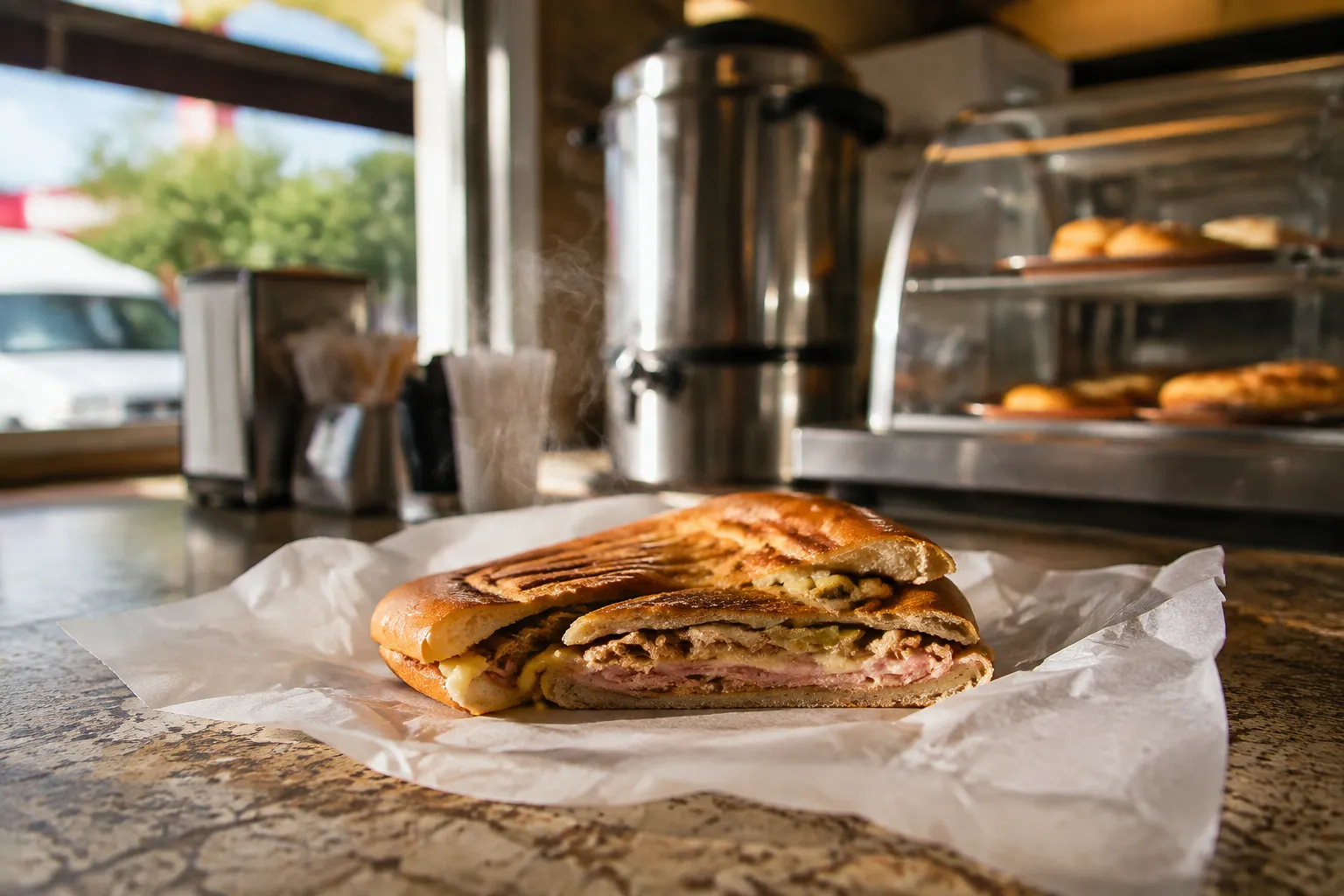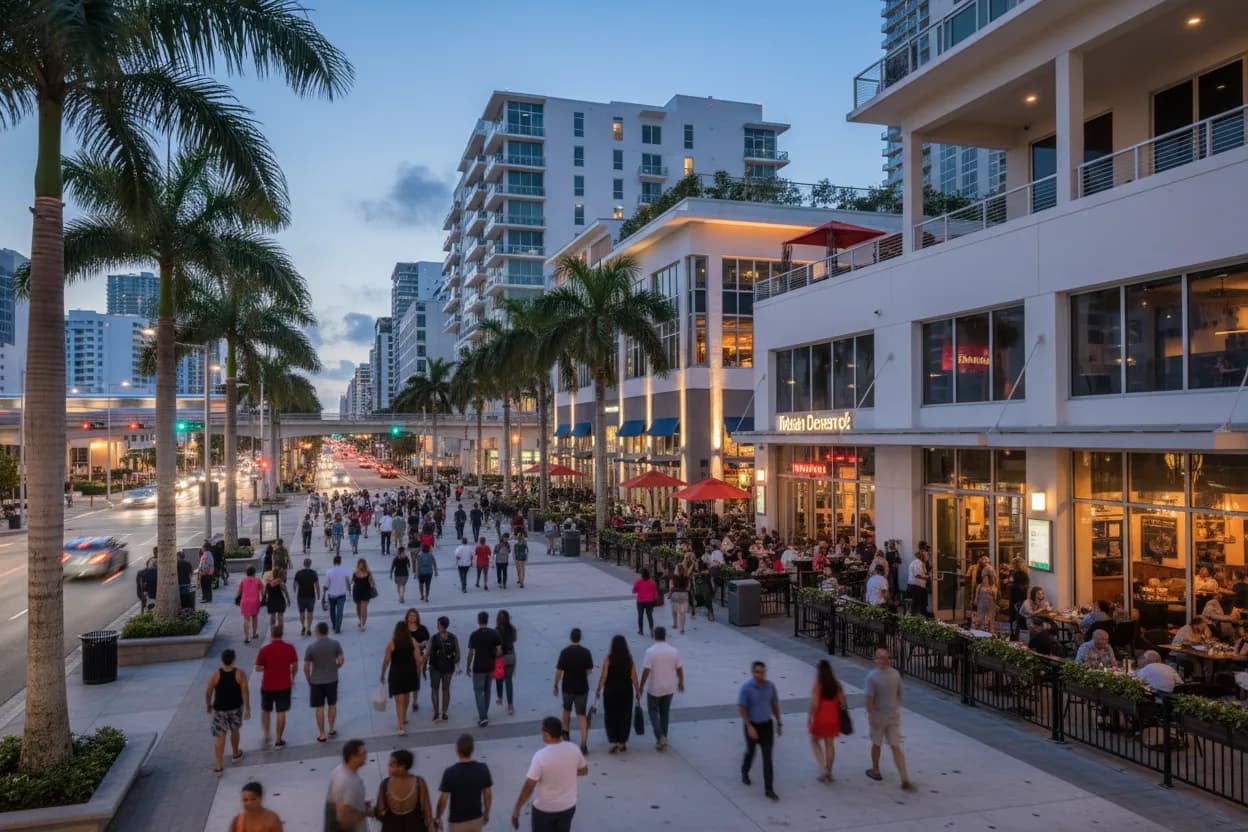
If your group chat is suddenly talking about ben jones, treat the phrase as a social spark, not as proof that anything is happening in Miami. A smooth group meal here starts with verification, because Greater Miami and Miami Beach have a wide dining range, from bold Latin and Caribbean flavors to restaurants led by celebrity chefs and food festivals, and each neighborhood can feel like its own destination. That variety is the advantage and the trap: people get excited, pick a buzzy area, and only later discover the timing, transit, access, or wait situation does not fit the group. The better move is to build a public, checkable plan before committing to a restaurant, market, or hall.
Want a Miami dinner plan that survives late replies, transit surprises, and long waits? Text Karpo with your neighborhood, group size, timing, and access needs before everyone starts voting on vibes.

Use the trend as a dinner conversation hook
A timely search phrase can help a group pick a theme for the night, but it should not become the source of your facts. If someone brings up ben jones in the chat, use it as a harmless opener: “Let’s meet somewhere good and easy tonight.” Do not assume a local appearance, affiliation, private room, special menu, or event unless the restaurant, venue, organizer, or official public source says so directly.
That distinction matters in Miami because dining hype travels faster than planning details. The official Greater Miami and Miami Beach visitor site describes the area as a culinary destination with Latin and Caribbean flavors, celebrity-chef restaurants, and food festivals. It also emphasizes that Greater Miami neighborhoods are distinct destinations. For a group, that means the first real decision is not who is trending; it is which part of the city can handle your timing, mobility, and appetite without turning dinner into logistics work.
Choose the room before choosing the menu
Start by deciding what kind of room your group actually needs. A sit-down restaurant works best when the group wants one table, a defined pace, and fewer decisions after arrival. A market or hall can work better when people want different cuisines, faster ordering, or a looser meet-up. The official visitor source confirms Miami’s restaurant landscape is broad, but it does not make your specific reservation, hours, seating, or access promises for any business. Those details belong on the restaurant’s own current channels.
Before anyone votes on cuisine, assign one person to verify the public basics: current hours, booking method, group policy, address, entry conditions, and whether the business says anything about accessibility. If the group includes children, older adults, visitors without cars, or anyone using mobility aids, do not wait until arrival to learn whether the route and room work. A restaurant can be popular and still be the wrong choice for that night.
The practical filter is simple: choose the place that reduces friction. If the group is already spread between Miami Beach, Downtown, and inland neighborhoods, the best menu may lose to the easiest meeting point. If dinner follows work, a restaurant near transit or a familiar corridor may beat a destination that depends on everyone finding parking at the same time.
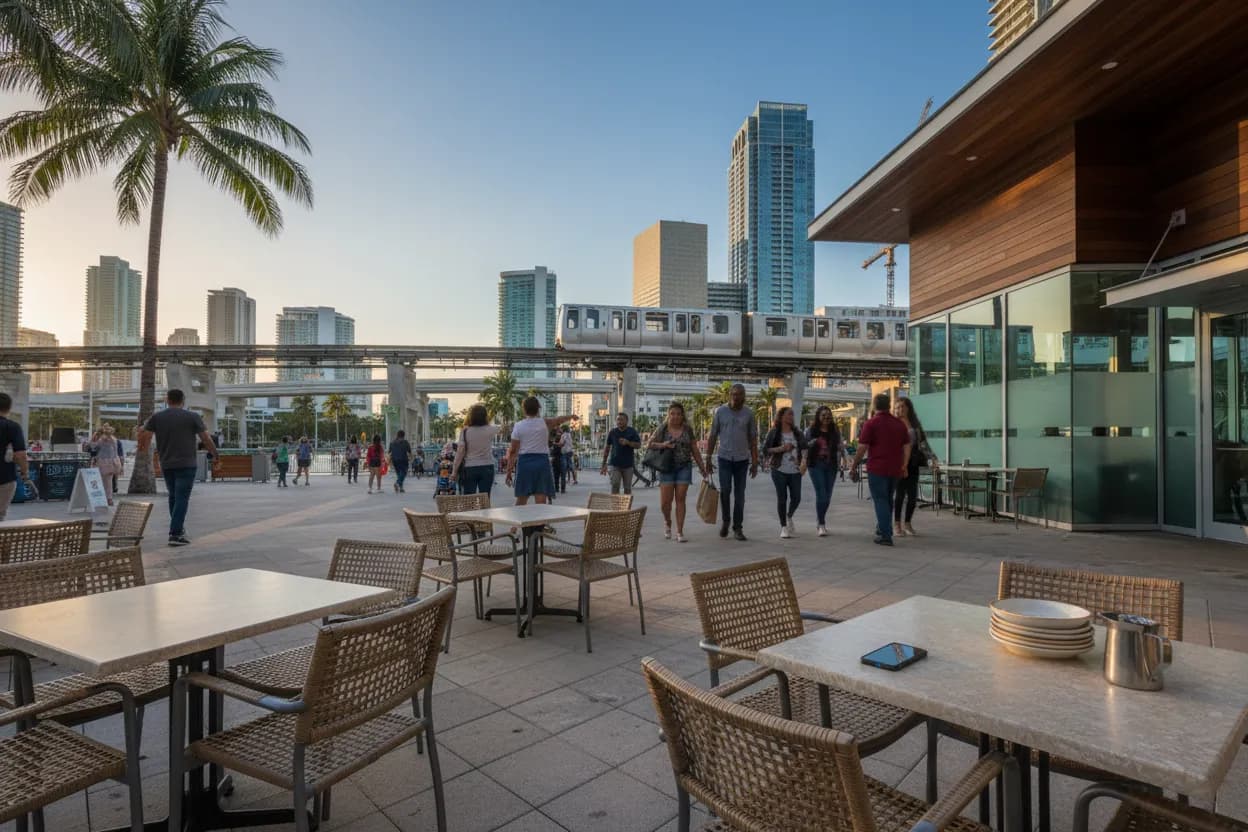
Match the market or hall to the group
Markets and food halls can be useful for mixed-preference groups because they lower the pressure to agree on one cuisine. That fits Miami’s broader dining identity: bold Latin and Caribbean flavors sit alongside many other restaurant experiences across the destination. Still, a hall is not automatically easier. It can be louder, more crowded, and less predictable for seating than a traditional reservation.
Use a market-style plan when the group can tolerate splitting up to order, waiting at different counters, and reassembling with trays. Avoid it when the group needs a quiet table, a single check, a guaranteed seated conversation, or a more controlled pace. If you are planning around a birthday, visiting relatives, or a professional dinner, verify the venue’s current visitor information and do not rely on old photos or social clips.
For crowd risk, pick an arrival window that gives you room to adjust. If everyone arrives hungry at the same peak moment, small problems become group problems: one person circles for parking, another cannot find the entrance, and half the table wants to leave. A smoother plan names the first stop, the meeting point outside or nearby, and the backup before the first person gets on the road.
Keep the first stop easy to reach
Miami-Dade County’s Department of Transportation and Public Works says its mass transit system includes Metrobus, Metro Express, Metrorail, Metromover, MetroConnect microtransit, and Special Transportation Service. For a citywide restaurant plan, that means you can build the first stop around public transportation instead of assuming every guest will drive. Use the county’s Trip Planner, Transit Tracker, service updates, and rider alerts before you lock the meeting place.
Transit checks should happen the same day, especially when the plan involves Downtown or connecting services. The county transportation page notes an active Metromover Upgrade Project to improve equipment reliability and availability, and it provides rider alerts, service updates, and elevator and escalator status. It also posts specific important messages, such as Metromover service beginning at 2 p.m. on Saturday, Aug. 15, while upgrade work continues. A detail like that can change a whole lunch or early dinner plan, so verify it on the official page before leaving.
If your group includes visitors, send them the exact station, stop, or rideshare drop-off zone you expect them to use, not just the restaurant name. Miami neighborhoods can be close on a map but different in real travel time. The point is not to overplan; it is to remove the first fifteen minutes of confusion.
Save a nearby option for long waits
Every group plan needs a second door. The backup should be nearby enough that the group can move together without renegotiating the whole night. It should also be similar enough in purpose: if the first choice is a casual hall, the backup should not require a formal reservation; if the first choice is a seated restaurant, the backup should not depend on everyone standing in different lines unless the group agreed to that tradeoff.
Do not treat the backup as failure. In a city with year-round events, beaches, cultural activity, and dining demand, waits can build for reasons that are not visible from a search result. The official visitor site points to an exciting year-round events lineup in Miami, but individual event impacts, restaurant capacity, and neighborhood crowding must be checked through current official pages or the businesses themselves.
A workable rule: if the host says the wait is longer than the group can comfortably handle, move once. Endless waiting drains the night. Decide in advance who has authority to call the audible, then follow that person. The best Miami dinner plan is not the most ambitious one; it is the one that keeps the group fed and together.
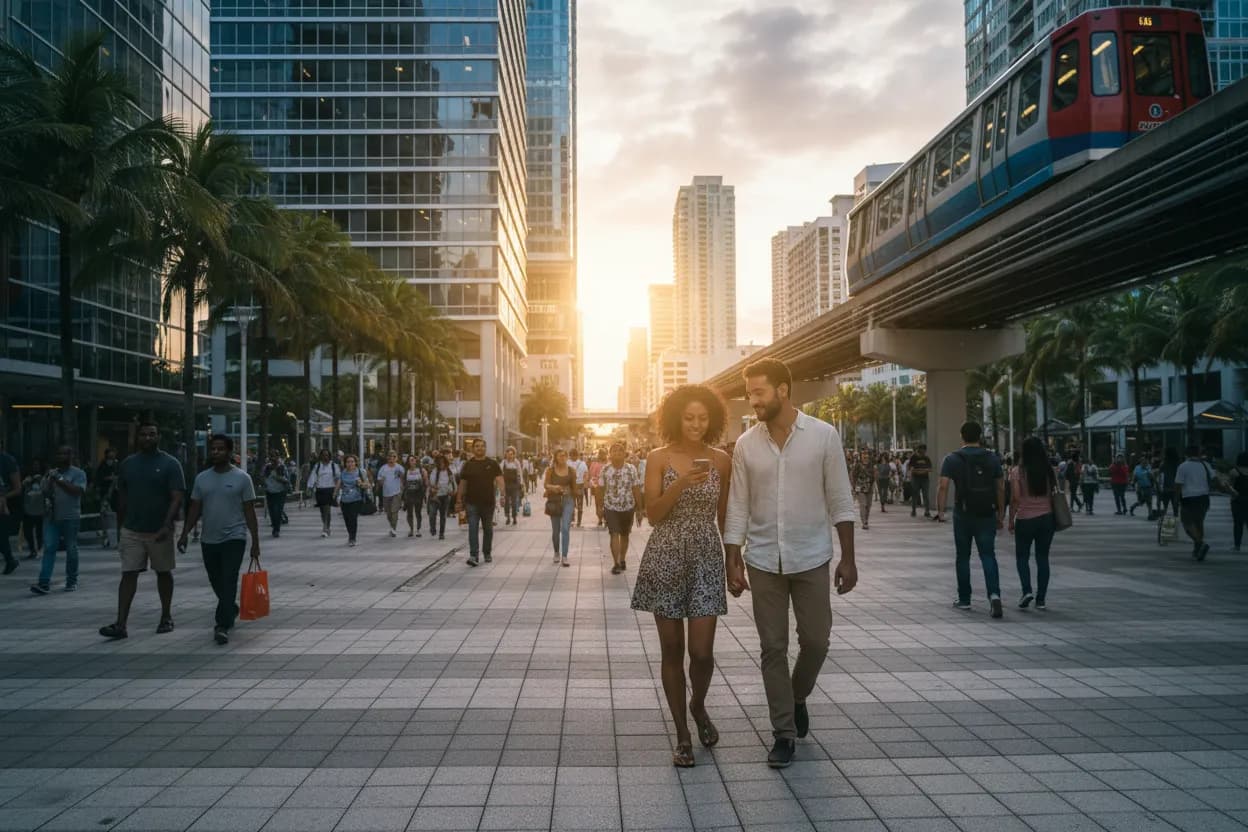
Verify vendor hours before leaving
The final check should happen right before departure. Open the restaurant, market, or hall’s official page or current public channel and confirm hours, address, booking status, entry notes, and any posted changes. Then check Miami-Dade Transit rider alerts, service updates, Transit Tracker, and the Trip Planner if anyone is using Metrobus, Metrorail, Metromover, Metro Express, MetroConnect, or another county-listed service.
Do not fill gaps with assumptions. If a restaurant’s hours are unclear, say that in the group chat and choose a verified alternative. If an elevator or escalator matters to someone’s route, use the county’s elevator and escalator status before committing. If a service update affects the ride, adjust the meeting time or switch neighborhoods. Verification is not pessimism; it is how a Miami group avoids wasting the first hour.
Keep the ben jones hook where it belongs: a reason people started talking, not the plan itself. The plan is public, checkable, and flexible. Pick the room, verify the route, name the backup, and leave with enough time that dinner still feels like dinner.
Tags: #MiamiRestaurants #MiamiDining #GroupDining #MiamiFood #GreaterMiami #MiamiBeach #MiamiTransit #Metrobus #Metrorail #Metromover #FoodHall #RestaurantPlanning #AskKarpo #BeforeYouGo
Sources consulted: miamiandbeaches.com · miamidade.gov · miamidade.gov
All trademarks are the property of their respective owners.
Ask Karpo first
Ask Karpo first when the group chat has energy but no plan. Share the neighborhood, time window, number of people, transit needs, and backup tolerance, and Karpo can help turn Miami restaurant hype into a checkable route before anyone leaves.