Bay Ridge, Brooklyn: The NYC Neighborhood With the Most Underrated Summer Waterfront
Bay Ridge occupies the southwestern corner of Brooklyn like a well-kept secret that locals have agreed, through some unspoken pact, to keep quiet about. While the rest of the city fights for slivers of waterfront at Brooklyn Bridge Park or crowds the Rockaways on summer weekends, this neighborhood stretches along Upper New York Bay with a promenade that feels almost European in its calm. The Verrazzano-Narrows Bridge looms overhead like a steel cathedral, container ships slide through the Narrows toward the Atlantic, and the sidewalk cafes along Third Avenue serve Arabic coffee and Norwegian fish cakes within blocks of each other. This is a neighborhood built by generations of immigrants who stayed, opened businesses, and never bothered to court Instagram attention.
A Waterfront Promenade That Rivals Any in the City
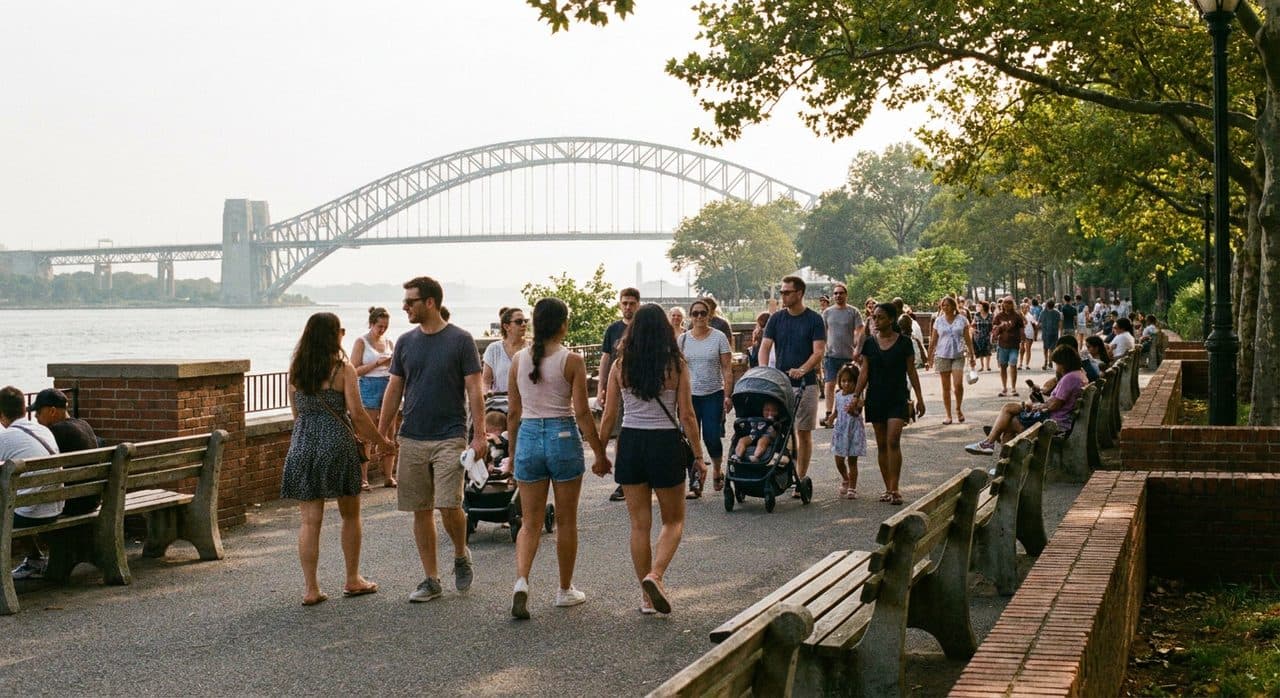
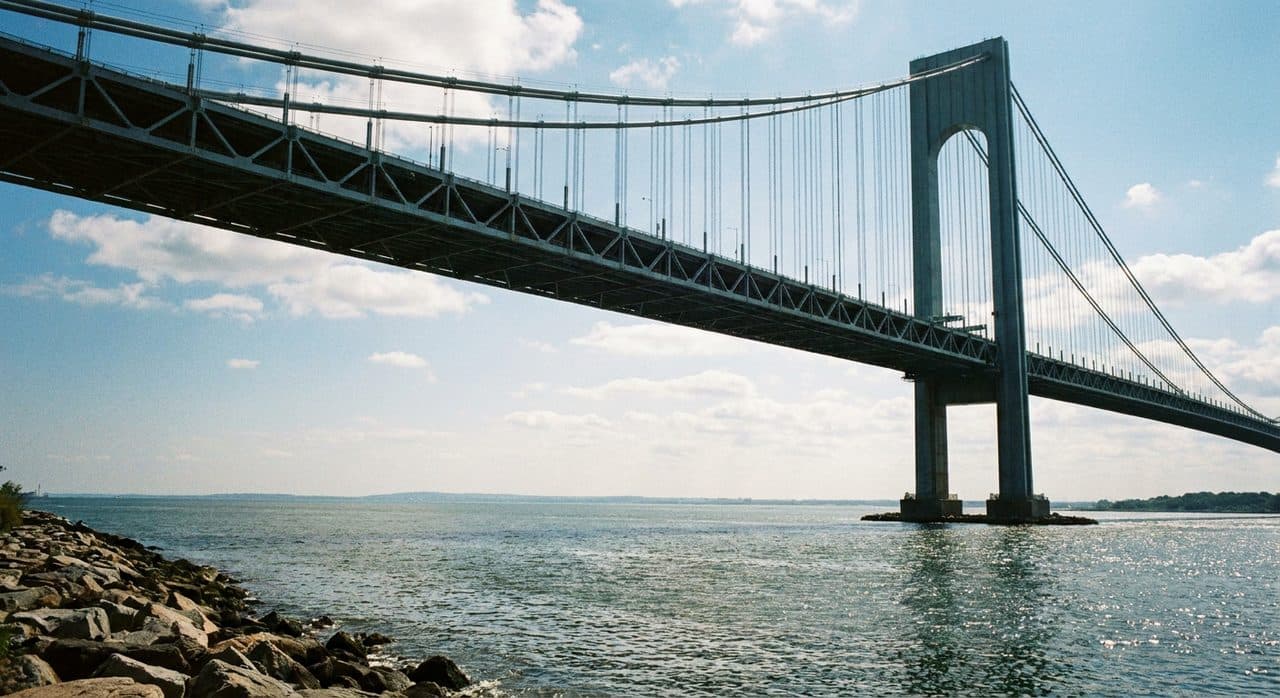
The Shore Road Greenway runs 2.2 miles along Upper New York Bay, tracing the edge of Shore Road Park from the 69th Street Pier down toward Fort Hamilton. Unlike the manicured, heavily programmed waterfronts of Manhattan's west side, this path feels genuinely local — joggers nod at each other, elderly couples claim the same benches each evening, and the views of the Verrazzano-Narrows Bridge are so close and unobstructed that you can watch cars crossing the upper deck. The section between 68th and 72nd Streets faces due west, which makes it the best vantage point in the five boroughs for watching the Narrows shipping lane at sunset without a crowd. On clear summer evenings, the sun drops directly behind Staten Island while tankers and container vessels pass through the channel, their hulls catching the orange light.
The promenade itself is wide enough for cyclists and pedestrians to coexist peacefully, with benches positioned at regular intervals and several small playgrounds tucked into the adjacent parkland. There are no vendors, no performance spaces, no corporate sponsors — just a ribbon of asphalt between the water and the neighborhood. The 69th Street Pier offers fishing access and additional seating, and the American Veterans Memorial Pier near Bay Ridge Avenue provides another gathering point. Locals tend to walk the greenway in the early morning or at dusk, leaving midday hours relatively empty even on weekends.
The Arab-Scandinavian Food Corridor Nobody Talks About
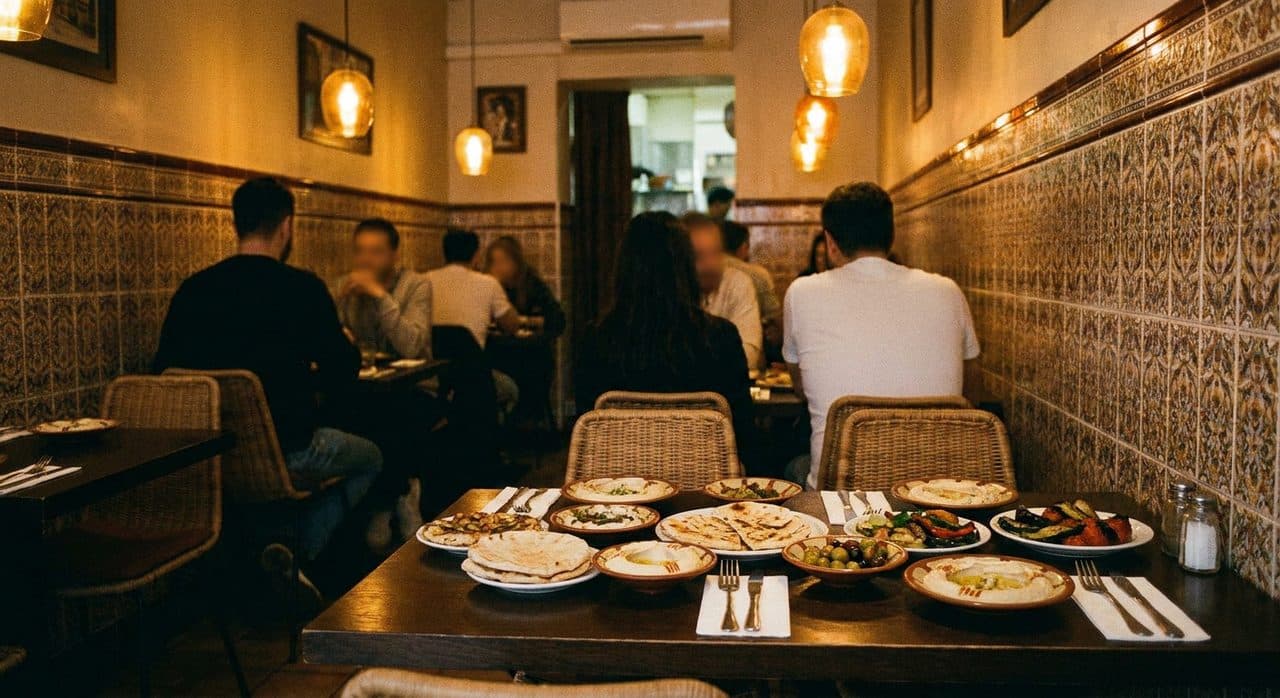
Third Avenue between 65th and 78th Streets contains one of the most distinctive culinary stretches in New York, though you won't find it on most food-media lists. Lebanese, Syrian, and Yemeni restaurants cluster here, many of them predating current real-estate interest by two decades. Several still have no Google listings and rely entirely on community word-of-mouth, running without online menus or delivery apps. The restaurants that do appear online often have outdated information or no photos — you walk in, read the handwritten specials, and trust the kitchen. Lamb shawarma platters run $12-16, and the fattoush salads actually taste like someone's grandmother made them rather than a commissary.
This stretch developed organically as Bay Ridge's Arab-American population grew through the 1980s and 1990s, and it maintains an authenticity that gentrifying neighborhoods tend to lose. Bakeries sell knafeh and baklava by the pound, grocery stores stock tahini and sumac in bulk, and the butcher shops cater to halal requirements without making it a marketing angle. The Yemeni spots, in particular, serve dishes that are nearly impossible to find elsewhere in the city — slow-cooked lamb with rice, fenugreek-heavy stews, and flatbreads baked to order.
Interspersed among the Arab establishments are remnants of Bay Ridge's Scandinavian past. Norwegian and Danish families settled here in large numbers during the early twentieth century, drawn by maritime jobs and affordable housing. While most have dispersed to the suburbs, a Scandinavian-heritage cultural center near 67th Street maintains a publicly accessible events calendar and keeps the traditions alive. A midsommar celebration and traditional fish dinner typically occurs in late June, with walk-in access and a suggested donation rather than ticketed entry. The menu usually includes pickled herring, cured salmon, and aquavit — a genuine community gathering rather than a ticketed cultural experience.
Bars and Taverns With Decades of History
Bay Ridge's bar scene skews toward the unpretentious and long-established. Skinflints, on Fifth Avenue, has been pouring cheap drinks since the 1970s, with a cash-only policy and a jukebox that leans heavily toward classic rock. The Salty Dog, closer to the water, draws an older crowd and serves as an unofficial community center for longtime residents. Neither establishment has undergone a renovation in recent memory, which is precisely the point. Drinks run $6-9 for beer and well liquor, and the bartenders tend to remember faces after a second visit.
For something slightly more polished, The Wicked Monk on Third Avenue occupies a converted church and offers a sprawling beer list alongside elevated pub food. It's the kind of place where you might catch a cover band on Saturday night or settle into a booth for a long dinner. Greenhouse Cafe, also on Third Avenue, has a backyard patio that fills up on summer evenings, serving cocktails and Mediterranean-influenced dishes to a mixed-age crowd. The neighborhood's drinking establishments share a common trait: they cater to regulars rather than visitors, which keeps prices reasonable and atmospheres relaxed.
Architecture and Residential Character
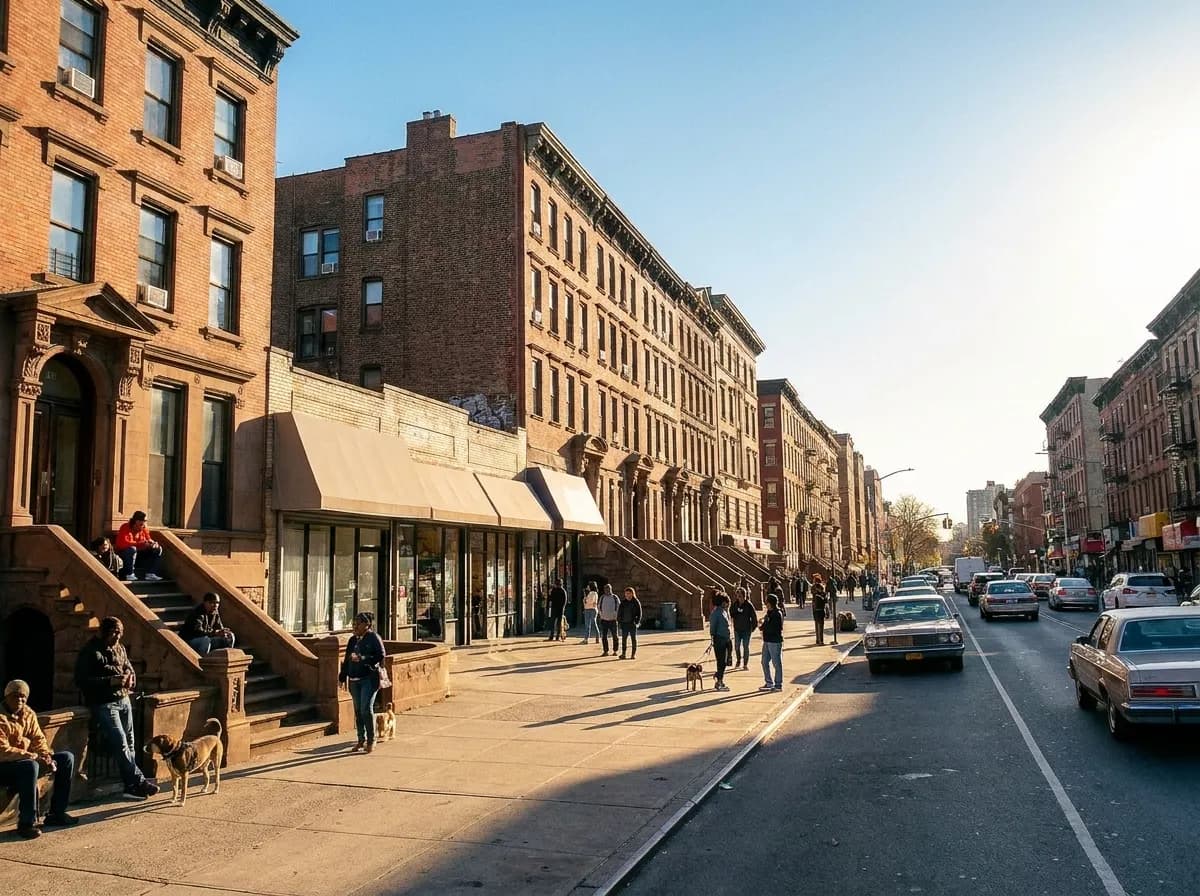
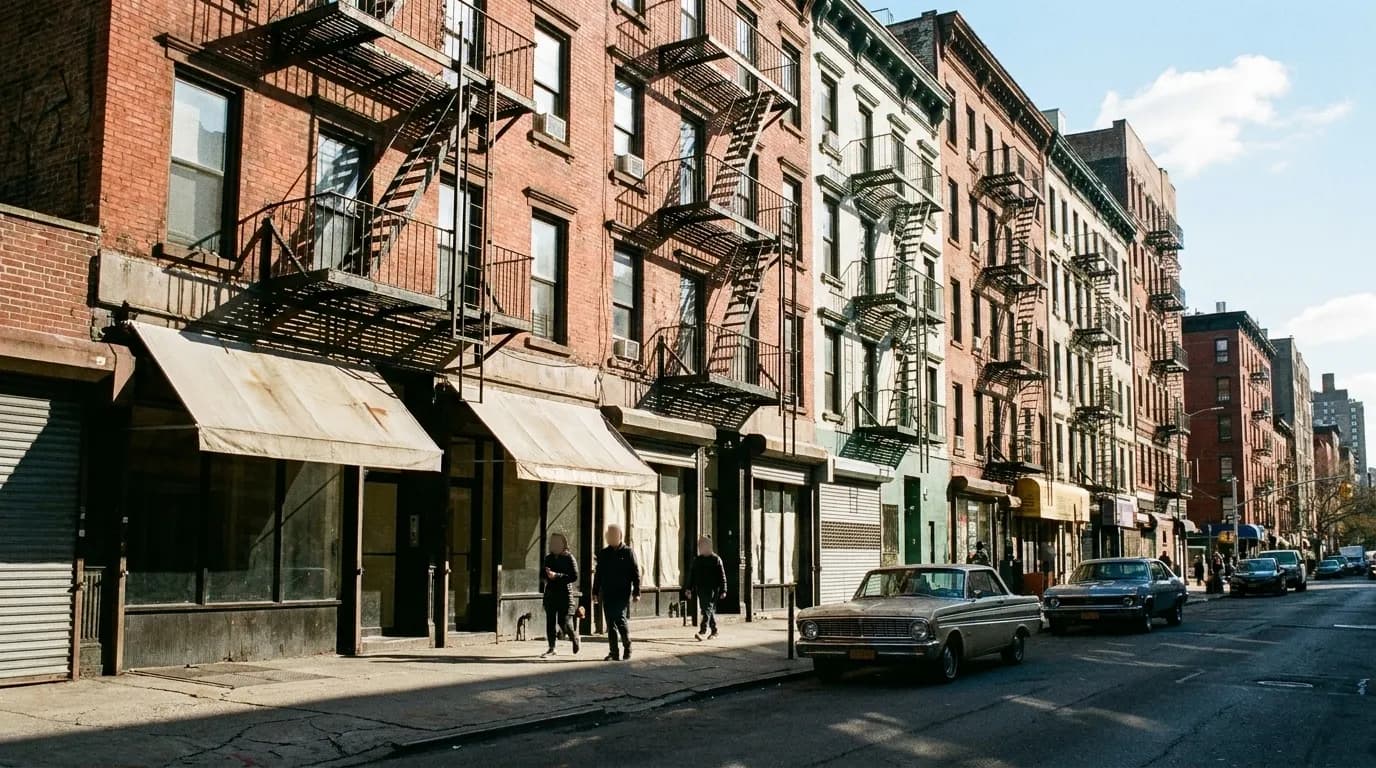
Bay Ridge's housing stock tells the story of its evolution from rural farmland to streetcar suburb to established urban neighborhood. Victorian-era mansions line Shore Road, many of them converted to multi-family dwellings but retaining their original details — wraparound porches, ornamental woodwork, and generous setbacks from the sidewalk. The side streets between Third and Fifth Avenues feature rows of early twentieth-century brick townhouses, their stoops occupied on summer evenings by families and longtime neighbors.
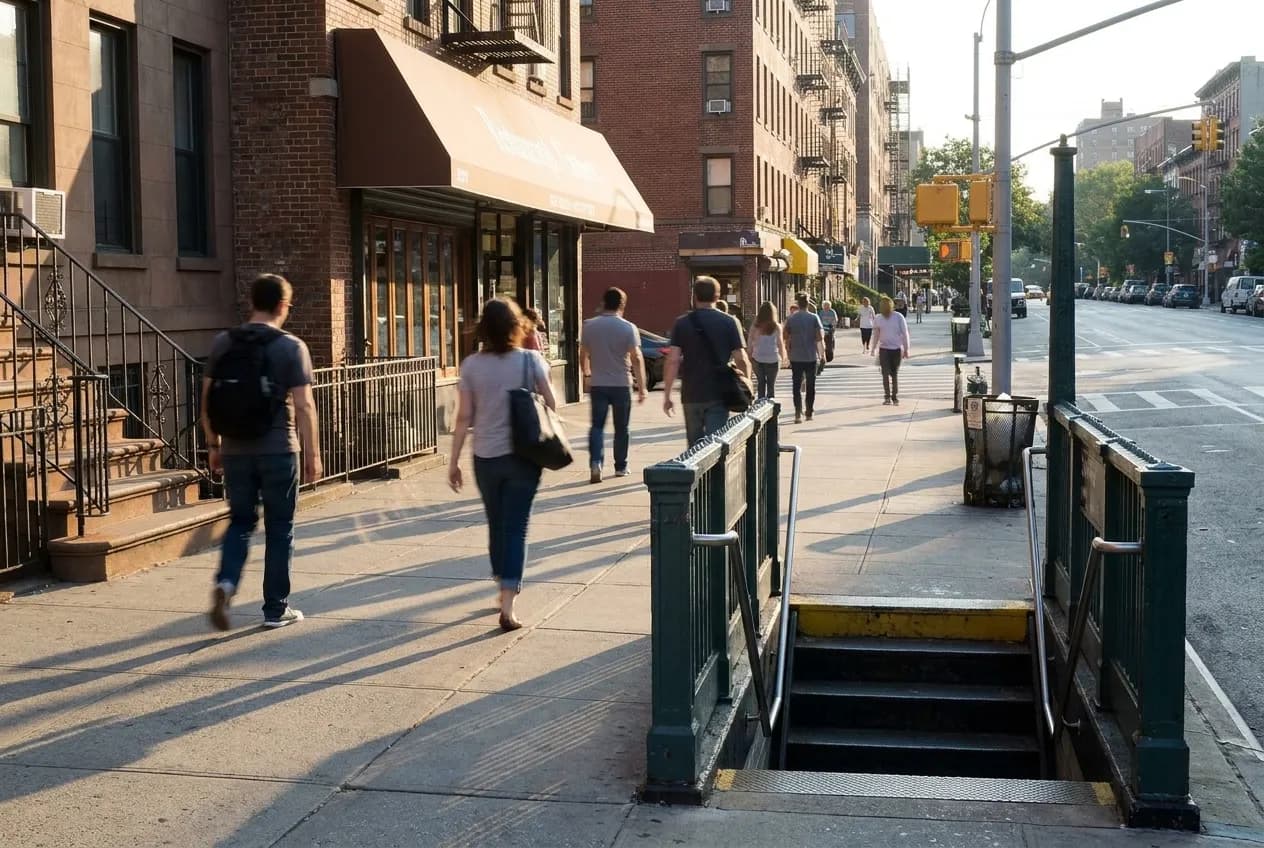
The neighborhood avoided the worst of mid-century urban renewal, which means its commercial corridors retain their original scale. Third Avenue feels like a functioning main street rather than a strip of chain stores, with hardware shops, tailors, and family-owned pharmacies operating alongside newer restaurants and cafes. Fifth Avenue offers a slightly more residential character, with bakeries, delis, and the occasional antique shop. The R train runs along Fourth Avenue, placing stations at 77th, 86th, and 95th Streets and connecting the neighborhood to Manhattan in roughly 45 minutes.
Summer Rituals and Seasonal Rhythms
Bay Ridge operates on a seasonal calendar that rewards repeat visits. The Shore Road promenade becomes an informal gathering space from May through September, with families picnicking on the grass and teenagers congregating near the piers after school lets out. The Fourth of July brings crowds to the waterfront for fireworks views, though the neighborhood's celebration feels distinctly local compared to the spectacles in Manhattan. The Ragamuffin Parade in late September, a children's costume procession down Third Avenue, has run continuously since 1966 and draws participants from across southern Brooklyn.
The summer fish dinner at the Scandinavian cultural center represents a different kind of seasonal ritual — a gathering that connects current residents to the neighborhood's immigrant past. Attendees range from elderly Norwegian-Americans who grew up in Bay Ridge to younger families curious about local history. The suggested donation typically runs $15-25 per person, and the event fills up without formal advertising. Similar community dinners occur at various churches and cultural organizations throughout the year, though the midsommar celebration carries particular significance.
Practical Notes
Getting there: The R train serves 77th Street, 86th Street, and 95th Street stations, all within walking distance of the waterfront and Third Avenue commercial strip. From Midtown Manhattan, expect a 45-50 minute ride. The B63 bus runs along Fifth Avenue from Downtown Brooklyn, and the B37 connects to Sunset Park.
Best timing: Weekday evenings offer the quietest waterfront experience; weekends bring families but never overwhelming crowds. For sunset views along the Shore Road Greenway between 68th and 72nd Streets, arrive 30-45 minutes before sundown to claim a bench. Third Avenue restaurants are busiest Thursday through Saturday evenings; lunch service tends to be quicker and quieter.
Costs: Expect $12-18 for a full meal at most Middle Eastern restaurants, $6-9 for drinks at neighborhood bars, and $15-25 suggested donation for community cultural events. Street parking is generally available outside of rush hours.
Tags: #BayRidge #BrooklynWaterfront #ShoreRoadGreenway #VerrazzanoBridge #ArabicFood #ScandinavianNYC #ThirdAvenueBrooklyn #NYCNeighborhoods #SummerInNYC #HiddenNYC #BrooklynEats #LocalGuide #NYCWaterfront #NeighborhoodGuide #BrooklynSummer
Sources consulted: timeout.com · nymag.com · thrillist.com · eater.com
All trademarks are the property of their respective owners.
Ask Karpo first
Want to know which Bay Ridge restaurants don't require a reservation on weekends, what the promenade looks like at sunset specifically for the Narrows view, and how to reach Bay Ridge fastest from Midtown Manhattan? Ask Karpo for a neighborhood route, dining recommendations by time of day, and live transit options before you head out.