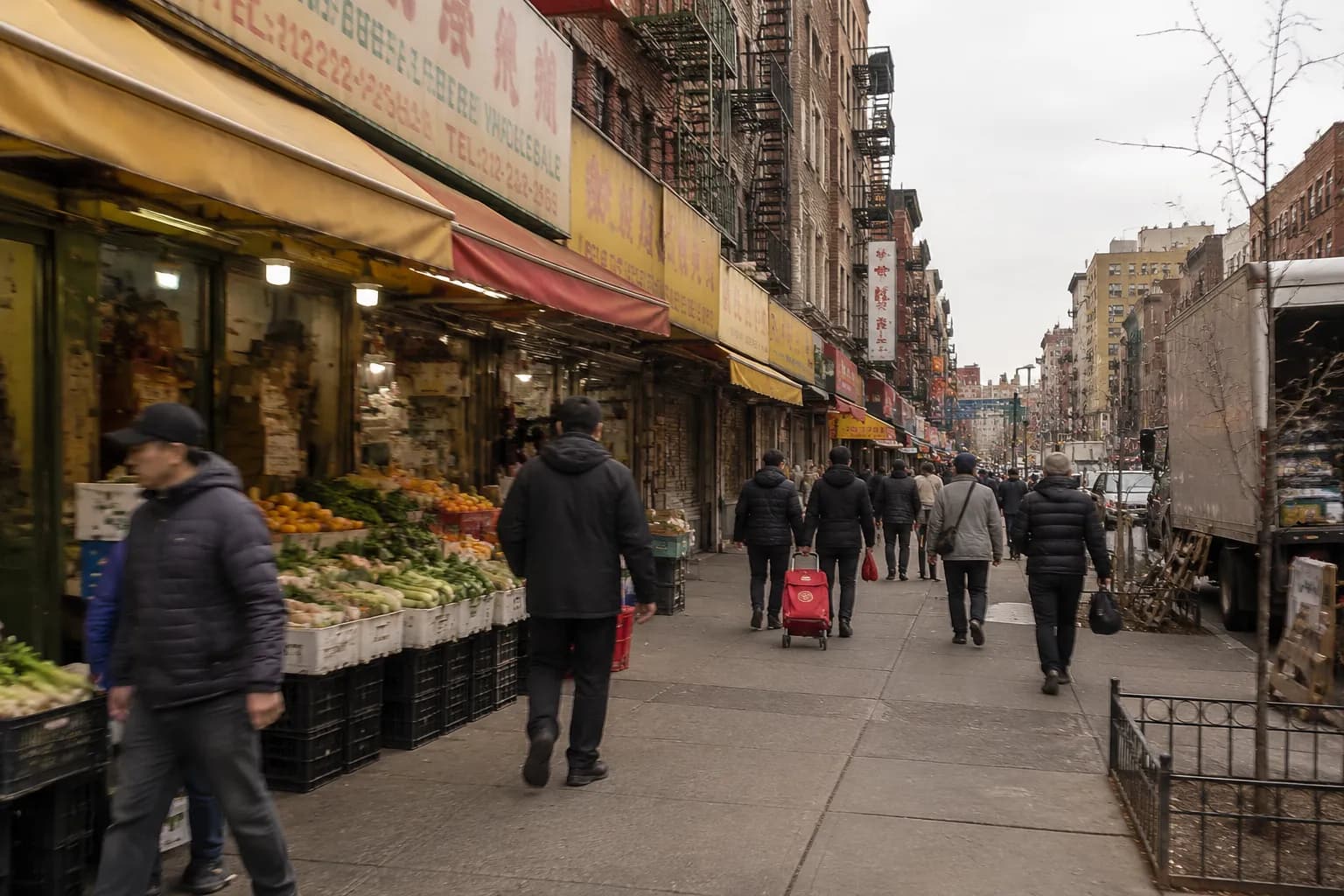
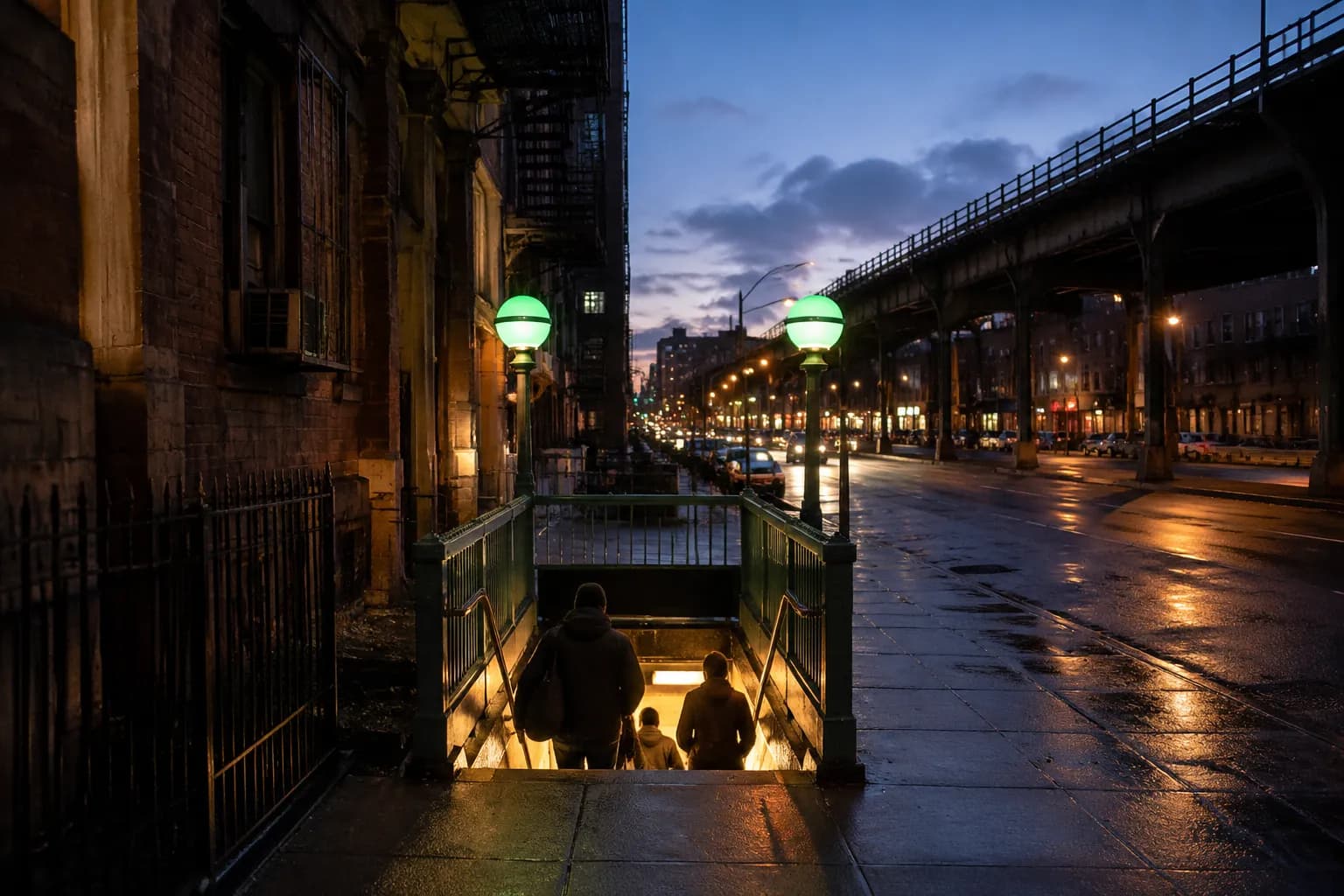
The area around barclays center can work as a free weekday-evening activity when you treat the arena as an atmosphere anchor rather than a ticketed destination. For a curious solo visitor, the useful plan is simple: arrive by transit after checking schedules, maps, planned service changes, alerts, and elevator or escalator status; spend time on the outdoor plaza and surrounding streets; then decide whether to extend toward nearby public space, public seating, or food-vendor corridors depending on crowd level and weather. The value is not guaranteed entertainment. It is the chance to sample Brooklyn event-day movement, architecture, public art, and neighborhood pace without committing money or a fixed schedule.
Text Karpo the day you're free, whether you're coming from Manhattan or Brooklyn, and if you want food vendor access or quiet park space—we'll map a free two-hour route around Barclays Center that matches the event energy, plus one backup indoor public space if weather turns.

Start With The Plaza, Not The Doors
Begin outside, where the arena edge gives the route its shape. The plaza is the best first stop because it lets you read the evening before choosing a direction: quiet enough for photos and people-watching, or active enough that the surrounding blocks feel lively. Stay oriented around open pedestrian space, visible seating, and art or design details you can enjoy without entering the building. This keeps the plan free and avoids depending on ticket access, event entry rules, or venue hours.
For a solo visitor, the main tradeoff is timing. Arriving too early may feel like a normal commute zone; arriving close to a confirmed event can bring more energy but also more congestion. The low-difficulty version is to give yourself a short observation window, then move if the plaza feels too crowded. Barclays Center works best here as a landmark: you are using its public-facing activity, not trying to turn the arena into the whole evening.
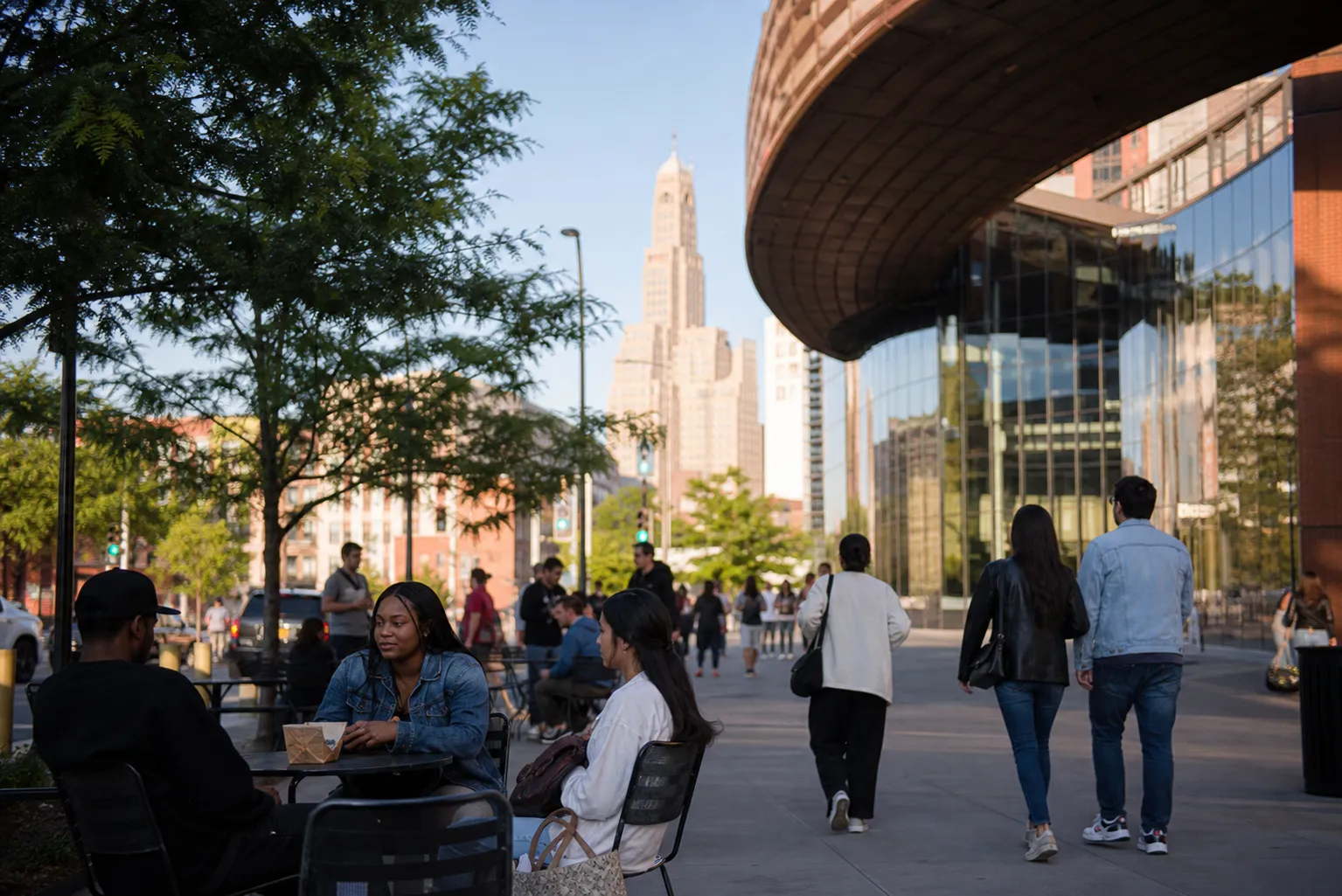
Use Atlantic Terminal As The Practical Anchor
Atlantic Terminal is the route’s practical center because the area is built around major movement. Before leaving, use the MTA’s public trip tools for schedules, maps, fares and tolls, planned service changes, real-time alerts, and elevator or escalator status if accessibility matters. The MTA also publishes guidance for getting to New York-area stadiums and arenas on public transit, which makes this kind of plan easier to verify on the same day instead of relying on memory.
The best free route is one you can abandon cleanly. If a line has planned work, if an elevator status affects your trip, or if service alerts make the return leg awkward, change the order before you arrive. A weekday evening solo plan should protect the ride home first, then the walk. That may sound unromantic, but it is what keeps the route low difficulty: you are never locked into a paid activity, reservation, or long walk after the atmosphere has already peaked.
Follow The Public Art And Street Detail Loop
After the first plaza pass, slow down and look for the details that are easy to miss when everyone else is moving toward an entrance. The arena exterior, transit-adjacent public space, signage, lighting, storefront rhythm, and temporary event-day street activity create a compact visual loop. This is especially good for a curious solo visitor because you do not need a companion agenda. You can pause for a facade detail, a street musician if one is present, or the simple theater of crowds gathering and dispersing.
Keep the loop flexible rather than naming a fixed checklist. Public art visibility, vendor presence, and crowd flow can shift with weather, construction, event timing, or street management. A stronger approach is to set a free route rule: spend a few minutes in each open public area, move only when the space stops feeling interesting, and avoid entering private or ticketed zones unless you have independently confirmed access. That makes the experience grounded in what is actually happening that evening.

Add Nearby Green Space When You Need Air
Event-day energy can be fun, but it can also become loud or compressed. Build in a nearby park or green-space detour as the pressure valve rather than as a separate attraction with promised programming. The goal is not to chase a specific event listing. It is to step away from the densest pedestrian stream, sit for a few minutes if public seating is available, and let the arena noise become background instead of the whole experience.
This detour is what makes the plan suitable for a weekday evening. You can keep it short if the weather is poor, extend it if the streets feel pleasant, or skip it if transit timing matters more. Do not assume park events, special installations, or public facilities are available unless you verify them that day through the relevant city listings or on-site signage. The reliable free benefit is simpler: open-air contrast after the plaza, a quieter place to reset, and a more rounded sense of Prospect Heights around the arena.
Let Food Vendors Shape, Not Control, The Route
The brief appeal of event days is that the surrounding area can feel more animated, including the possibility of food vendors and extra sidewalk traffic. Treat that as atmosphere, not a guarantee. If vendors are present and lines are short, they can mark a natural turning point or a place to pause. If they are absent, the route still works because the core activity is free: public space, people-watching, architecture, and the shifting boundary between commuters, fans, workers, and neighborhood residents.
If you decide to buy food, use common-sense checks rather than assumptions. NYC provides an ABCEats restaurant inspection search, which is useful when you want to look up dining information instead of choosing only by proximity. For a strictly free plan, keep purchases optional and continue toward public seating or a return transit point. That distinction matters: the route should not become a spending funnel by accident. The best version lets food activity add color while the experience remains complete without it.
Tags: #NYC #Brooklyn #FreeThingstoDo #SoloTravel #WeekdayEvening #ProspectHeights #PublicSpace
Sources consulted: Source 1: nycgovparks.org · Source 2: new.mta.info · Source 3: nypl.org · Source 4: a816-health.nyc.gov
All trademarks are the property of their respective owners.
Ask Karpo first
Ask Karpo to turn this NYC idea into a current plan for your date, budget, companion, transit preference, and energy level. Karpo can narrow the route and flag what to verify before you go.