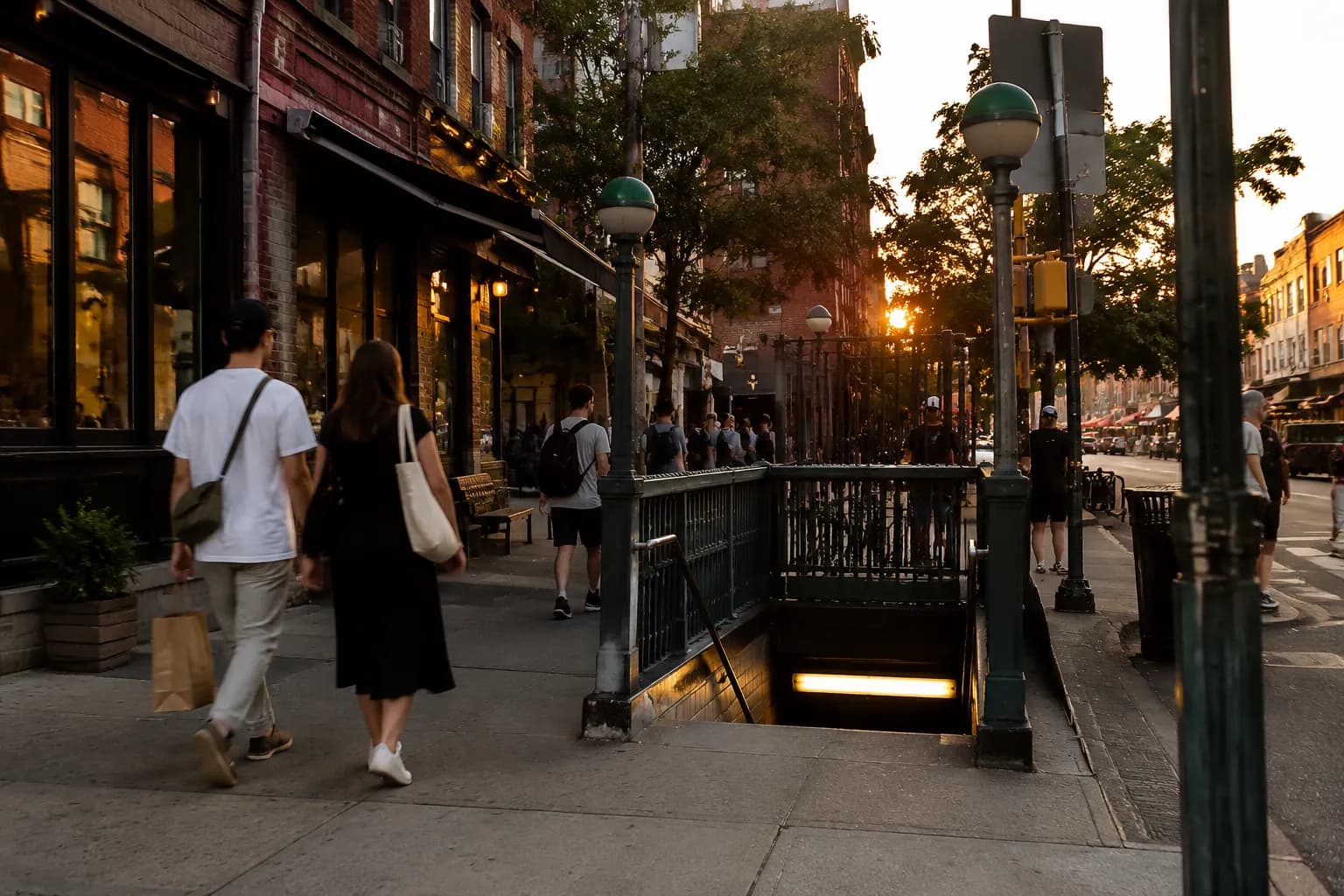
For politically engaged readers seeking thoughtful community dialogue, the search for barack obama memoir discussions and civic book clubs in NYC bars requires more than a quick online search. Across Harlem, Brooklyn, and the Upper West Side, a scattered network of bars and cafés hosts political book clubs, civic-engagement happy hours, and memoir discussion groups—but finding the right fit means weighing atmosphere, facilitation style, and whether the vibe leans partisan or genuinely open debate. This guide walks solo attendees and politically curious friends through the verification steps, transit routes, and decision trade-offs involved in choosing a weeknight evening venue where ideas, not just drinks, are on the menu.
Text Karpo your borough, whether you prefer structured or casual discussions, if you've read the Obama memoirs, and your free weeknights—we'll send two bars or cafés hosting political book clubs, confirm upcoming topics, and suggest one library discussion group as a quieter backup.

Why Verification Steps Matter More Than Event Listings
Most political book clubs in NYC bars operate informally, with organizers posting events on social media, community boards, or word-of-mouth networks rather than centralized calendars. A venue might host a civic discussion one month and pivot to trivia the next, making it essential to confirm current schedules directly with the bar or through attendee groups. Calling ahead or checking the venue's Instagram stories the day of your planned visit reveals whether books are provided, if a facilitator leads the discussion, or if participants bring their own copies and self-organize. This extra step prevents wasted trips and clarifies whether the event suits solo attendees or assumes you arrive with a group already familiar with the material.
The distinction between facilitated and open-format discussions shapes the entire experience. Facilitated sessions often feature a moderator who sets ground rules, manages speaking time, and steers conversation away from shouting matches—ideal for those seeking structured dialogue. Open-format gatherings can feel more spontaneous and egalitarian but risk devolving into echo chambers or dominance by the loudest voices. Ask whether the venue or organizer describes the event as "moderated," "guided," or "open mic," and consider your own comfort level with unstructured debate before committing to a weeknight evening in an unfamiliar space.
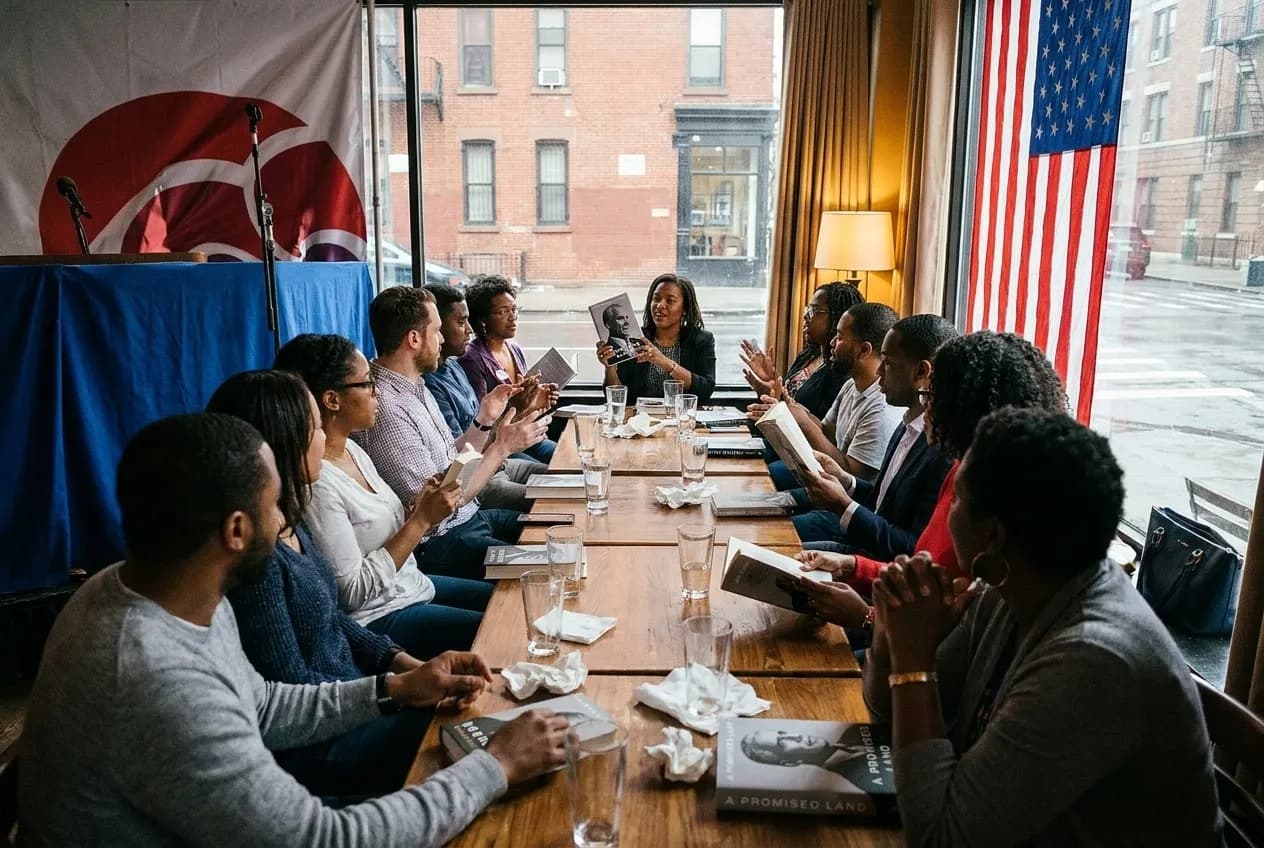
Harlem's Civic Happy Hours and Memoir Circles
Harlem's bar scene blends historic activism with contemporary civic engagement, making it fertile ground for political book clubs that center social justice memoirs and policy debates. Venues near the 125th Street corridor and along Frederick Douglass Boulevard occasionally host happy-hour discussions tied to recent political memoirs, though the frequency and consistency vary by season and organizer availability. Public transit access via the 2, 3, A, B, C, and D trains at 125th Street makes weeknight attendance feasible for those coming from other boroughs, but verifying the exact bar location and whether it's a seated discussion or standing-room mingling helps you plan arrival time and energy level.
The atmosphere in Harlem civic spaces often reflects the neighborhood's legacy of grassroots organizing, meaning discussions may lean toward progressive viewpoints rather than neutral debate. This isn't inherently partisan in a party-politics sense, but attendees should expect conversations that prioritize community impact, historical context, and lived experience over abstract policy theory. If you're seeking a space where Barack Obama's memoirs are discussed through the lens of community organizing and racial justice rather than electoral strategy alone, Harlem venues align well with that expectation. Solo attendees often find these gatherings welcoming, as the emphasis on shared learning reduces pressure to perform or compete rhetorically.
Brooklyn's Partisan Versus Open-Debate Trade-Offs
Brooklyn's sprawling geography means political book clubs cluster in distinct pockets—Park Slope, Fort Greene, Williamsburg, and Prospect Heights—each with its own ideological flavor and venue style. Some bars explicitly brand their events as "progressive book clubs" or "leftist happy hours," signaling a partisan frame that attracts like-minded participants but may discourage attendees seeking cross-ideological exchange. Other venues advertise "open civic dialogue" or "nonpartisan policy discussions," though the reality often depends on who shows up and whether a facilitator enforces balanced participation. Researching the host organization or reading past attendee comments on event pages helps gauge whether the atmosphere matches your tolerance for ideological homogeneity versus debate.
Transit logistics in Brooklyn require more planning than Manhattan's dense subway grid. The 2, 3, 4, 5, A, C, G, and R trains serve the neighborhoods where civic bars cluster, but evening service changes and longer walk times from stations mean building in buffer time. Verify whether the bar provides books or discussion guides in advance, as some Brooklyn organizers expect participants to read assigned chapters beforehand and arrive ready to engage. This moderate difficulty level—requiring both event research and logistical preparation—suits politically curious friends who enjoy planning outings together but may frustrate solo attendees hoping for drop-in accessibility.

Upper West Side's Facilitated Memoir Discussions
The Upper West Side's café and bar scene skews toward facilitated discussions with academic or nonprofit organizers, reflecting the neighborhood's concentration of universities, think tanks, and established civic institutions. Events here often feature structured agendas, pre-circulated reading materials, and moderators trained in conflict resolution or deliberative dialogue techniques. This format reduces the risk of unproductive arguments but can feel overly formal for attendees seeking casual conversation over drinks. The 1, 2, 3, B, and C trains provide frequent weeknight service to Upper West Side venues, and the neighborhood's well-lit streets and pedestrian density make solo evening travel more comfortable for those concerned about navigating unfamiliar areas after dark.
Memoir discussion groups on the Upper West Side frequently center books by political figures, including Barack Obama's works, as entry points for broader civic conversations about leadership, policy, and democratic norms. Facilitators often pose discussion questions that balance personal reflection with systemic analysis, creating space for participants to connect memoir narratives to their own civic engagement. However, the demographic makeup of these events tends toward older, more affluent attendees, which can influence the range of perspectives shared. Solo attendees seeking intergenerational dialogue may find the Upper West Side less dynamic than Brooklyn or Harlem, but the predictability and structure offer reassurance for those new to political book clubs.
What to Ask Before Your First Visit
Before committing to a weeknight evening at a political book club, contact the venue or organizer with specific questions: Are books provided or should I bring my own? Is there a facilitator, and what's their approach to managing disagreement? Does the event assume prior knowledge of the book or welcome newcomers? Is there a cover charge, drink minimum, or suggested donation? These practical details determine whether the event fits your budget, schedule, and social comfort level. Bars hosting civic events rarely advertise prices or policies comprehensively online, so direct communication prevents surprises and helps you assess whether the venue treats the book club as a community service or a revenue driver.
Finally, consider the emotional labor involved in political dialogue after a workday. Civic book clubs demand active listening, critical thinking, and sometimes vulnerability when discussing contentious topics—moderate difficulty not just in logistics but in mental energy. Solo attendees may find the experience energizing or exhausting depending on group dynamics and facilitation quality, so giving yourself permission to leave early or skip follow-up events preserves the activity as a source of connection rather than obligation. Politically curious friends attending together can debrief afterward, processing the discussion and deciding whether the venue merits return visits or if the search for thoughtful community dialogue continues elsewhere.
Tags: #politicalbookclubsNYC #civicengagementbars #Harlemcommunityevents #Brooklynpoliticaldiscussions #UpperWestSidebookclubs #memoirdiscussiongroups #politicallyengagedreaders #weeknightcivicevents #NYCpublictransit #thoughtfuldialoguevenues
Sources consulted: Source 1: nycgovparks.org · Source 2: new.mta.info · Source 3: nypl.org · Source 4: a816-health.nyc.gov
Please drink responsibly. Must be of legal drinking age.
All trademarks are the property of their respective owners.
Ask Karpo first
Ask Karpo to turn this NYC idea into a current plan for your date, budget, companion, transit preference, and energy level. Karpo can narrow the route and flag what to verify before you go.