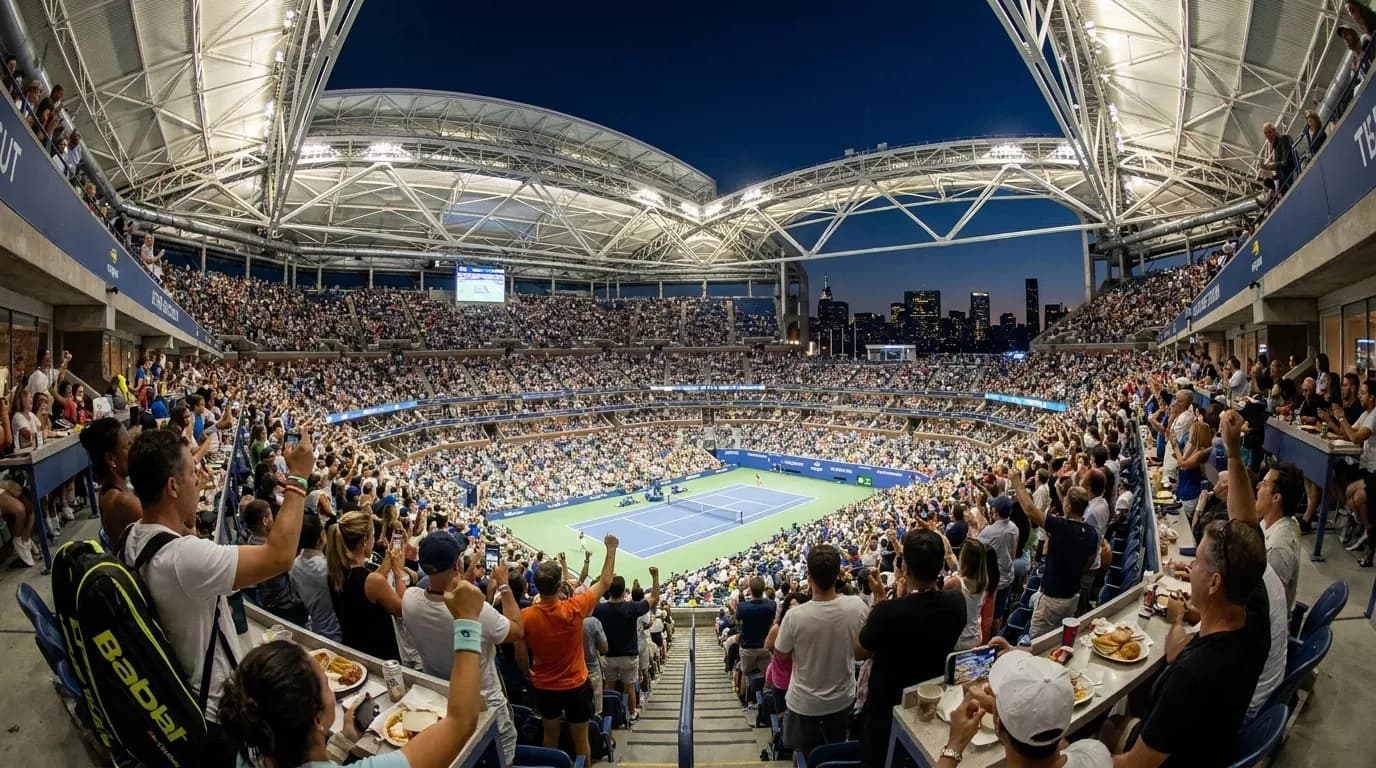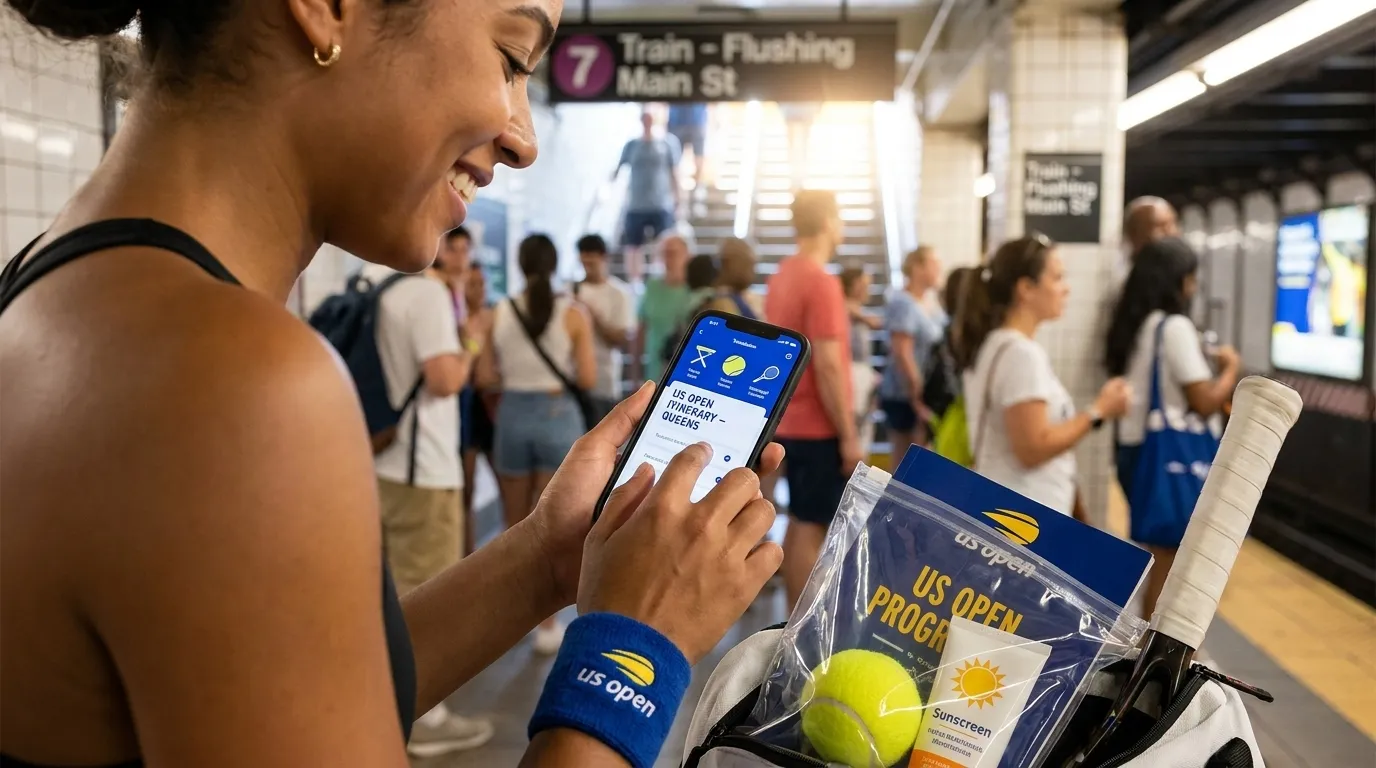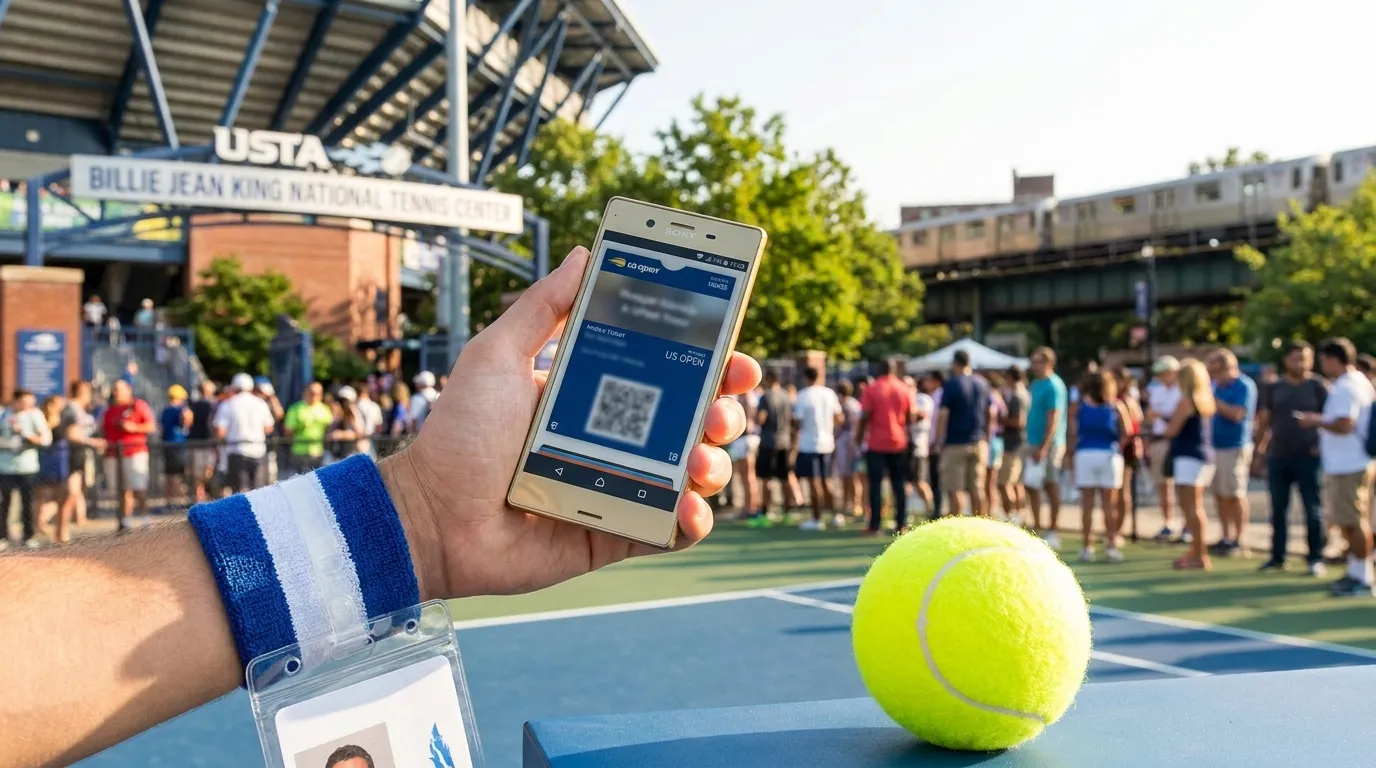
If you are still looking for seats to the 2026 US Open, slow down before clicking on a resale listing that looks urgent, unusually cheap, or thin on details. The tournament calendar currently runs August 23 through September 13, with singles main-draw play beginning August 30, but a valid day on the calendar is only one part of the decision. Your safer path is to compare any listing against official US Open information, confirm the exact session and venue access it claims to provide, review the seller’s transfer and refund terms, and avoid payment methods that leave you with little recourse. Because schedules, gate times, player fields, transit, venue rules, weather, local hours, inventory, and service availability can change, treat every purchase as something to verify again close to travel.
Text Karpo before you buy so we can walk through resale red flags together.

Start With the Session, Not the Seat
Resale listings often lead with a section, row, or a phrase such as “great view,” but the first question should be whether the ticket matches the session you actually intend to attend. The US Open is not a single continuous admission window for every court and every match. Dates, sessions, and access areas matter, and fans should compare the listing against the official event schedule before assuming that a ticket fits a preferred day or match window.
Be especially careful when a listing implies access to a specific player, round, or court experience without showing clear session details. Player fields and match schedules can change, and a ticket should not be treated as a promise that a particular athlete will appear at a particular time. A safer habit is to decide what you are really buying: entry for a date and session, access to a specific stadium or grounds area if applicable, and the flexibility to enjoy the event even if the match order changes.
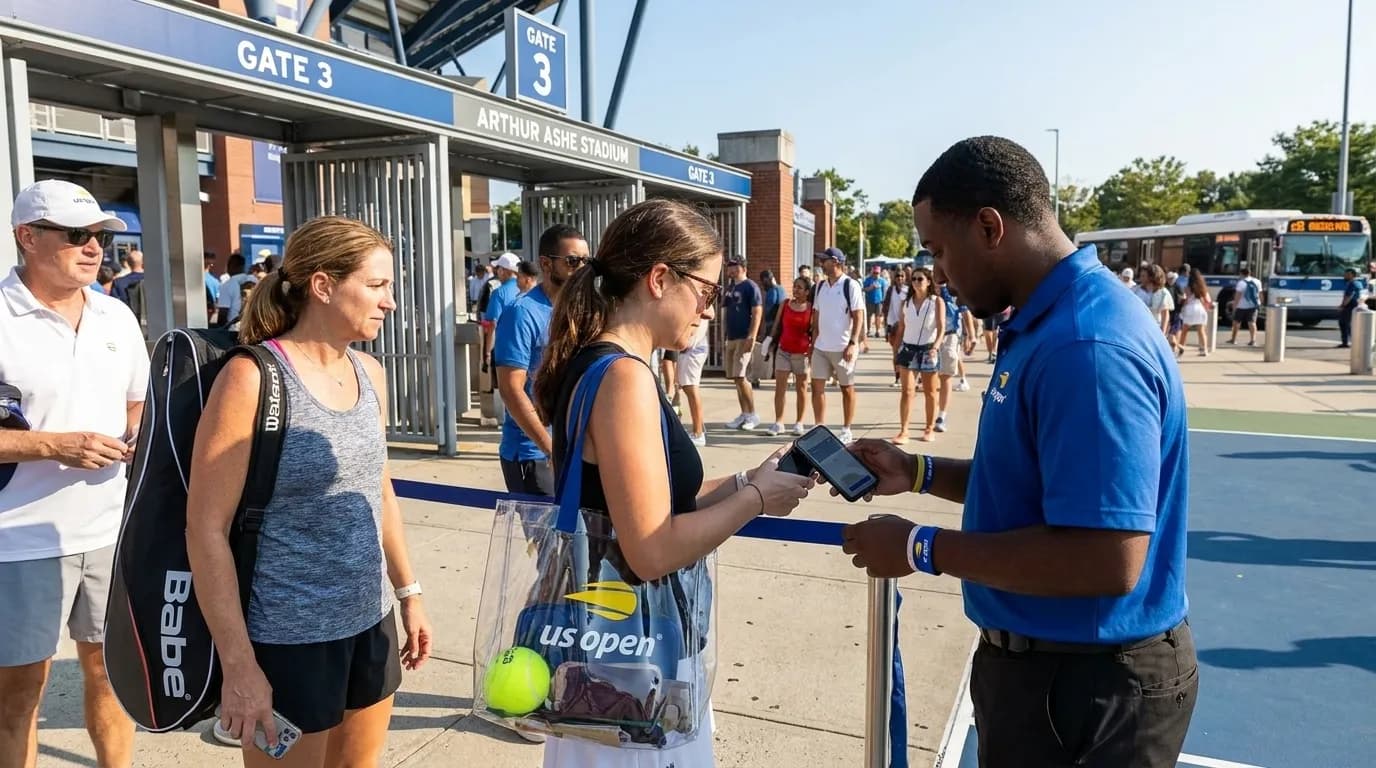
Warning Signs in Resale Listings
A risky listing is not always obvious. Some scams look polished, use familiar tournament language, and pressure buyers with countdowns or claims that other fans are waiting. Others depend on vague wording, blurry screenshots, or payment channels that are difficult to dispute. If any part of the transaction requires you to trust a stranger more than the ticket details, pause and look for a safer route.
- The listing does not clearly show the date, session, venue area, section, row, and any stated access limits.
- The seller relies on screenshots instead of a verifiable transfer process or avoids explaining how delivery will occur.
- The price is dramatically lower than comparable inventory without a credible reason, or the seller pressures you to decide immediately.
- The description promises a specific player, matchup, court assignment, gate time, or experience that could change.
- The seller asks for payment by wire transfer, gift card, cryptocurrency, friends-and-family transfer, or another method with limited buyer protection.
- The account is new, has inconsistent contact details, or refuses to communicate through the platform where the listing appears.
- The ticket terms are hidden until after payment, including transfer timing, refund conditions, or what happens if a session is affected by weather or schedule changes.
None of these signs proves a listing is fraudulent by itself, but each one raises the amount of trust you are being asked to extend. The more uncertainty a seller creates, the more important it becomes to step back and verify through primary sources before spending.
Verify the Details Against Official US Open Pages
Before buying, open the official US Open event schedule and compare the listing’s date and session language with the tournament’s current calendar. Then check the US Open A-Z visitor guide for venue information that could affect your day, and review the prohibited items page before assuming that bags, cameras, food, or other personal items will be allowed. These official pages are the closest starting point for practical rules, even though they should be rechecked near your visit.
Also look at transportation guidance from the US Open and the MTA’s US Open travel guide if you are planning to reach the grounds by transit. A ticket purchase is not only about the barcode; it is about whether the whole plan is workable. If a listing depends on a tight arrival, a same-day transfer, or a seller meeting you near the venue, official transit and venue information can help you judge whether the arrangement is too fragile.
When a resale page uses language that sounds official, do not treat that as verification. Tournament logos, map snippets, or copied schedule text can appear in unofficial listings. The safer question is whether the ticket details independently match the current official schedule and visitor rules, and whether the platform provides a clear, documented path if the ticket cannot be delivered or used.
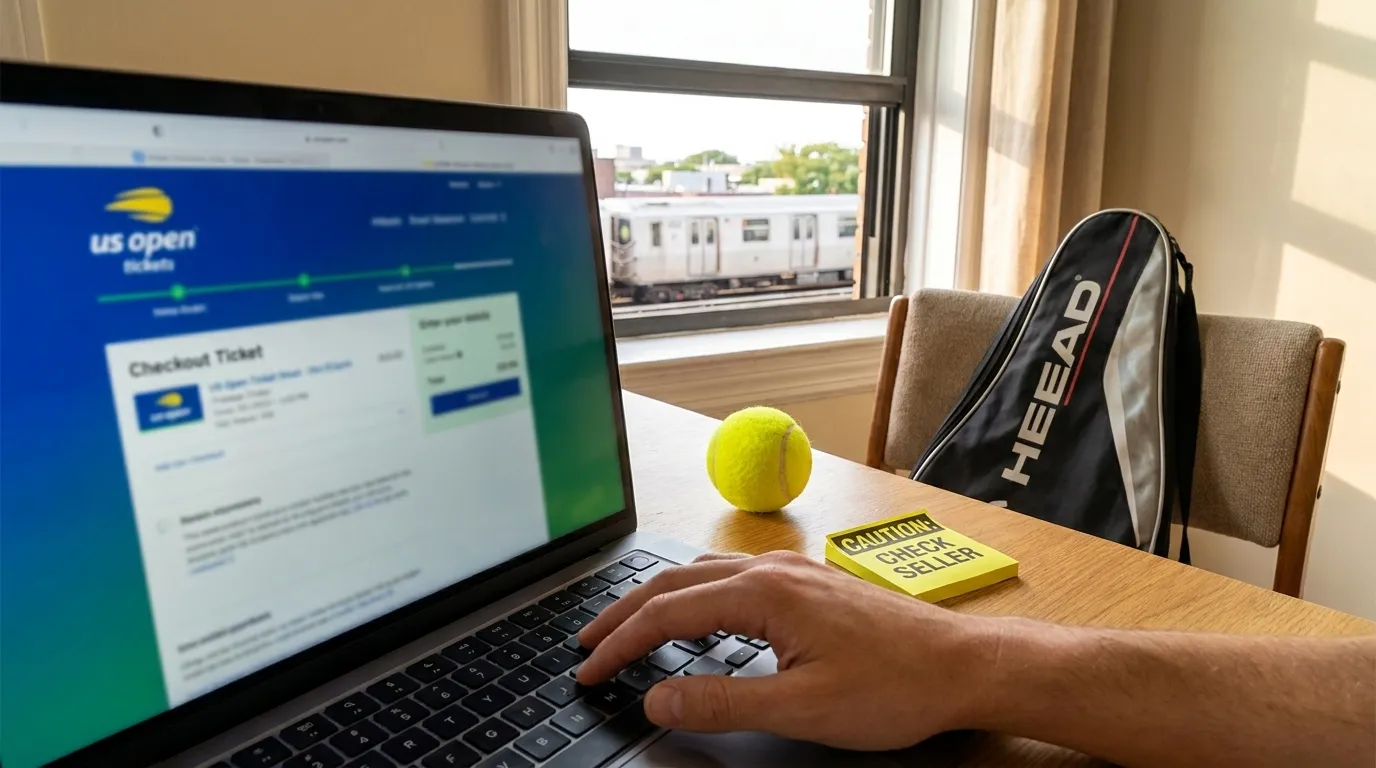
Understand Delivery, Transfer, and Refund Terms Before Paying
Many ticket problems begin after payment, when the buyer learns that delivery is delayed, transfer is conditional, or the seller’s refund terms are narrower than expected. Read the platform’s rules before purchasing, not after a problem appears. Look for how and when tickets are transferred, whether the ticket will be in your own account or only shown as an image, and what documentation is required if entry is denied.
Avoid informal promises such as “I will send it later” or “my friend has the tickets.” If the seller cannot explain the transfer process clearly, that is a practical risk. The closer you are to the session, the less room you have to fix a failed delivery. A same-day purchase may still be possible through legitimate channels, but it leaves less time to resolve platform support, account access, payment disputes, or changed travel plans.
Refund language deserves the same scrutiny. Weather, schedule adjustments, and event operations can be complicated, and buyers should not assume that a resale seller’s terms mirror the tournament’s policies or any other platform’s policies. Save the listing, receipt, seller messages, and transfer confirmations in one place. If something goes wrong, clean documentation is more useful than a memory of what the seller seemed to promise.
Keep Your Payment Trail Boring and Traceable
Scammers often try to move buyers away from a traceable marketplace or payment method. They may offer a small discount to complete the sale privately, say fees are unnecessary, or claim that an off-platform transfer is faster. That discount can erase the protections you would otherwise have. For a major event trip, a boring payment trail is a strength: one platform, clear receipt, documented terms, and a payment method with a dispute process.
If you are buying as a group, assign one person to handle the purchase and keep records. Group chats can create confusion about who saw which listing, what was promised, and when the tickets arrived. Confirm the exact number of tickets, whether seats are together if that matters to your group, and whether each person will need an account or app access for entry. Do not wait until you are outside the grounds to discover that one ticket is still sitting with the original purchaser.
Build a Backup Plan That Does Not Depend on a Stranger
A safer ticket plan includes an exit ramp. Before committing to a resale listing, decide what you will do if the transfer is late, the listing disappears, transit takes longer than expected, or the session you wanted no longer fits your schedule. That might mean setting a personal deadline for ticket delivery, keeping alternate dates in mind, or choosing a purchase route with clearer support instead of chasing the lowest visible price.
Travel plans should be flexible where possible. The official tournament calendar, visitor guide, transportation pages, prohibited items information, and MTA guidance are all worth checking again shortly before you go. This is not only about avoiding scams; it is about reducing preventable friction. A legitimate ticket can still become stressful if you arrive with the wrong bag, rely on outdated transit assumptions, or misunderstand the session you bought.
Practical Notes
- Check the official US Open event schedule for the current date and session before comparing resale options.
- Review the US Open A-Z guide and prohibited items page so your arrival plan matches current venue rules.
- Use the US Open transportation information and the MTA US Open guide to test whether your timing is realistic.
- Buy only when the listing clearly states the session, seating details, transfer method, and refund or support terms.
- Avoid off-platform payments and save receipts, listing screenshots, seller messages, and transfer confirmations.
- Recheck official sources close to travel, because schedules, gate times, player fields, transit, venue rules, weather, local hours, inventory, and service availability can change.
The best resale decision is rarely the fastest one. Treat every listing as a claim to verify, not a shortcut to trust. If the details are clear, the payment path is documented, and your plan still works after checking official US Open and MTA information, you will be in a better position to decide. If the seller rushes you, hides the mechanics, or asks you to accept too many unknowns, let the listing pass.
Tags: #USOpen2026 #Tennis #NewYork #Queens #FlushingMeadows #KarpoFinds #Karpo #USOpenTickets #ResaleSafety #ScamSmartFans
Sources consulted: usopen.org — Official reference · usopen.org — Official reference · usopen.org — Official reference · usopen.org — Official reference · new.mta.info — Official reference
All trademarks are the property of their respective owners.
Ask Karpo first
Ask Karpo to help compare listing details, transfer timing, and official-source checks before you spend.