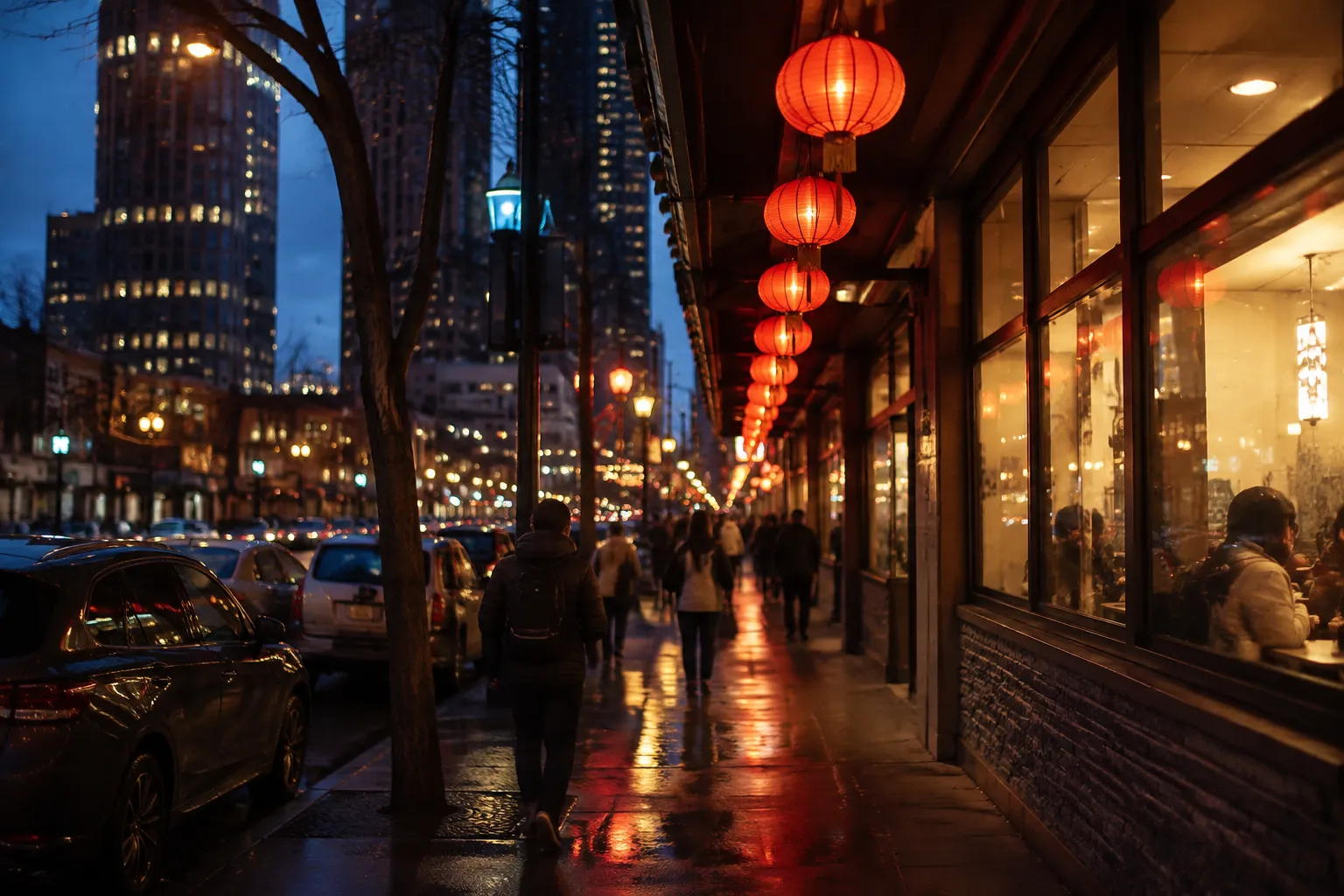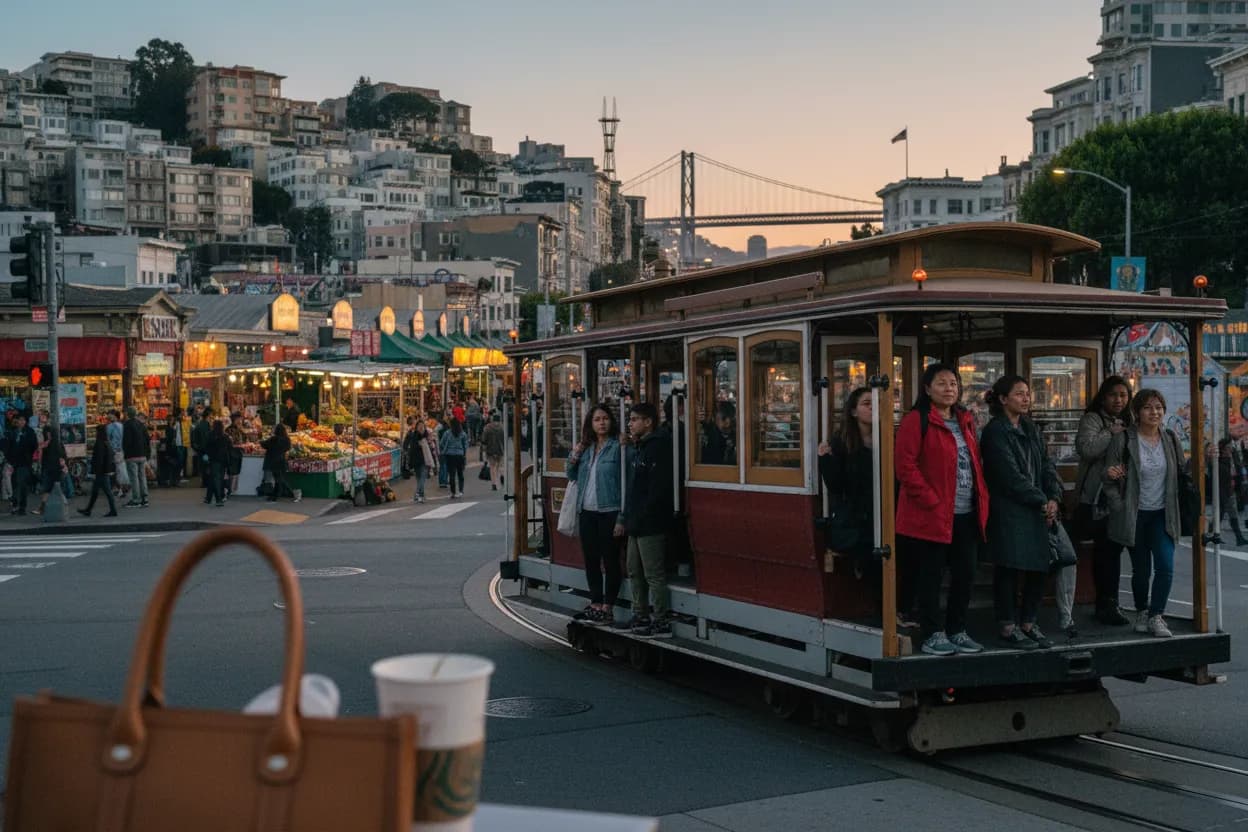
San Francisco can turn almost any pop-culture spike into a dinner debate, but a search phrase is not a reservation, a screening, or proof that anything local is happening. If your group is texting about avengers doomsday character updates and wants to meet over food tonight, treat the trend as a conversation hook, not as evidence of a restaurant tie-in. The practical move is to pick a public restaurant, market, or food hall plan that survives changing hours, transit delays, long lines, and mixed access needs. As of Tuesday, August 11, 2026, the safest local approach is verification-first: check the restaurant or vendor directly, use SFMTA tools before departure, and keep one nearby alternative ready.
Want a second set of eyes before you commit to a crowded dinner route? Text Karpo with your neighborhood, group size, timing, and access needs for a quick pre-departure check.

Use the trend as a dinner conversation hook
The phrase avengers doomsday character updates is useful because everyone understands the assignment: people want to compare theories, argue casting logic, and avoid being the friend who missed the latest chatter. That does not mean a San Francisco restaurant is hosting anything official, that a celebrity will appear, or that a private fan gathering is open to the public. Keep the expectation clean: this is a normal city meal with a timely topic at the table.
That distinction matters in San Francisco because hype can distort simple decisions. A group may overcommit to a hard-to-reach restaurant because someone saw a post, or skip basic checks because the plan feels spontaneous. Start with the public facts you can verify. The San Francisco Department of Public Health says it protects and promotes the health of all San Franciscans, and its environmental health work includes food safety education, inspection, permitting, and related measures for restaurants. For a food-focused night, that is more useful than rumor.
Make the trend do only one job: help the group agree on a reason to meet. Everything after that should be logistical. Who can get there without driving? Who needs step-free access or a shorter walk? Who is comfortable waiting? Who needs a quieter table? Answer those questions before debating the menu.
Choose the room before choosing the menu
For a San Francisco restaurants plan, the room often matters more than the dish. A single full-service restaurant works best when the group wants one table, one conversation, and fewer moving parts. A market or hall-style stop is better when people disagree on cuisine, arrive at different times, or want to split into smaller ordering lines. Neither format is automatically better; the right choice depends on how much uncertainty your group can tolerate.
If the night is built around conversation, choose a place where the group can actually hear one another and where lingering will not depend on assumptions. Verify current seating rules, hours, and service format on the venue’s own official page or contact channel before leaving. Do not rely on old screenshots, third-party blurbs, or social posts that may not reflect the current day.
For diners who care about health and compliance checks, use official public-health resources rather than vibes. The Department of Public Health’s restaurant-related work includes food safety, inspection, permitting, and public safety measures. If your group wants to check a restaurant’s health information, look for the official San Francisco public-health pathway for opening a restaurant or checking health scores, then confirm you are viewing current information.
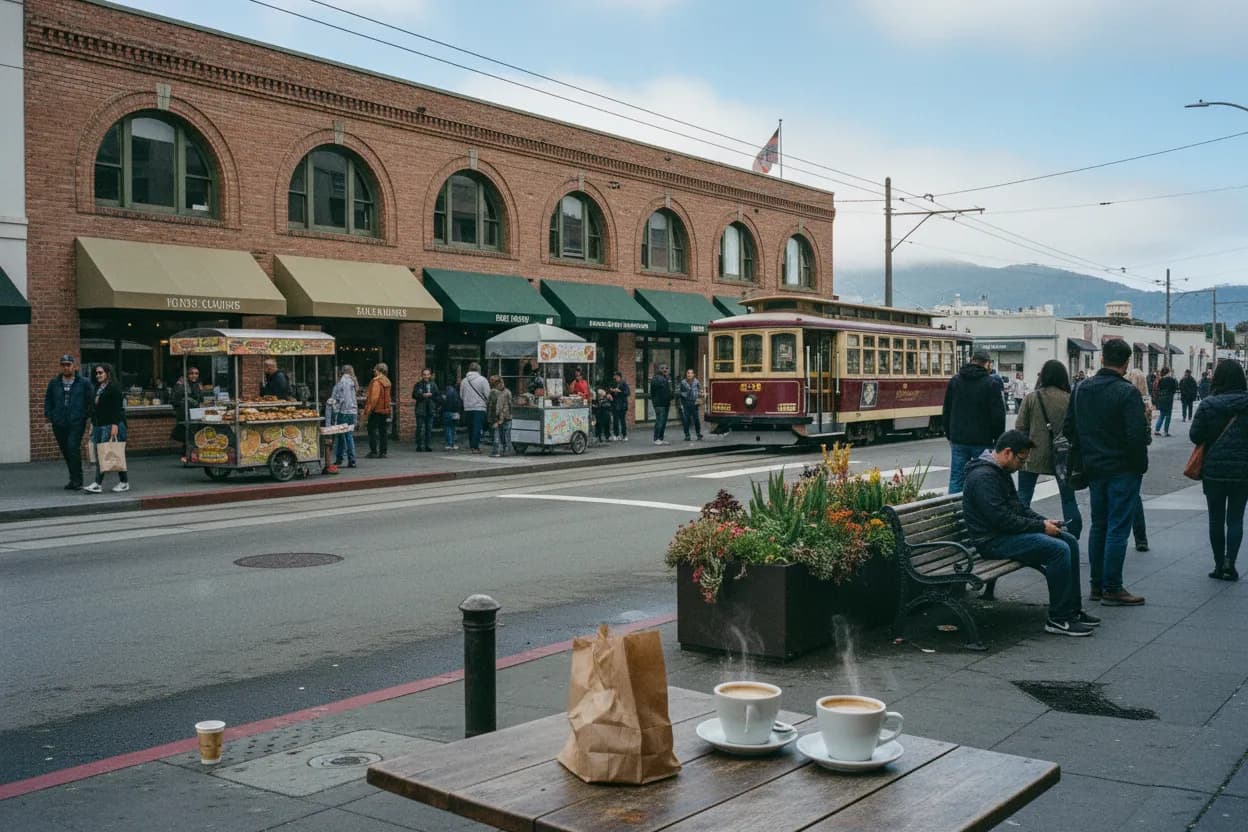
Match the market or hall to the group
A market or hall can solve the classic San Francisco group-dinner problem: one person wants a quick bite, another needs a more filling meal, someone is running late on Muni, and nobody wants to spend twenty minutes negotiating a menu. The tradeoff is crowd risk. Multiple vendors can mean multiple lines, scattered seating, and more chances that one counter has already changed hours or run out of an item.
Build the plan around the slowest constraint. If one friend has a hard stop, pick the easiest ordering format. If someone is bringing a child, factor in bathroom access, seating, and noise. If the group includes people with dietary restrictions, do not assume a vendor can accommodate them because a menu item sounds close enough. Confirm directly through the vendor’s official information when the answer matters.
Use a simple assignment before departure: one person checks the destination’s current hours, one checks the backup, and one checks transportation. This is not overplanning; it is how you prevent the first thirty minutes of the evening from becoming sidewalk troubleshooting. The more flexible the venue format, the more important the verification step becomes.
Keep the first stop easy to reach
SFMTA’s public site gives residents and visitors several planning anchors: a Trip Planner, options for Muni, walking, biking, driving and parking, taxi information, accessibility information, Muni routes and stops, and travel maps and guides. Use those tools before choosing the first stop, not after. A restaurant that looks close on a map may still be awkward if transfers, hills, or service alerts complicate the trip.
Check SFMTA alerts and travel updates on the day you go. The agency’s site displays alerts and publishes travel and transit updates, and details can change. If your group is meeting after work, do not assume the route that worked last month is the best route tonight. SFMTA also lists neighborhood information and visitor guidance, which can help if part of the group is unfamiliar with the area.
For access planning, be explicit. Ask whether the chosen route works for the person with the least flexibility, not the person who walks fastest. If driving is part of the plan, verify parking and loading realities through current official or venue information rather than promising easy curb access. San Francisco rewards short, realistic first legs.
Save a nearby option for long waits
A backup is not a sign that the first choice is bad. It is a recognition that restaurants are public places with changing demand, staffing, seating, and vendor operations. Long waits are especially annoying when the group has already spent transit time getting there. Pick a second public option before anyone leaves home, and make sure it is close enough that the group will actually use it.
The best backup has a different failure pattern from the first choice. If your first stop is a popular single restaurant, the backup might be a more flexible hall-style option. If the first stop depends on several vendors being open, the backup might be a simpler restaurant with clearer seating expectations. Avoid a backup that requires a completely new cross-city trip unless the group has already agreed to that possibility.
Set a decision rule in advance. For example, agree that if the wait looks too long, seating does not work, or the vendor information conflicts with what you verified, the group moves to the backup without a debate marathon. The goal is dinner, not proving that the original plan was perfect.
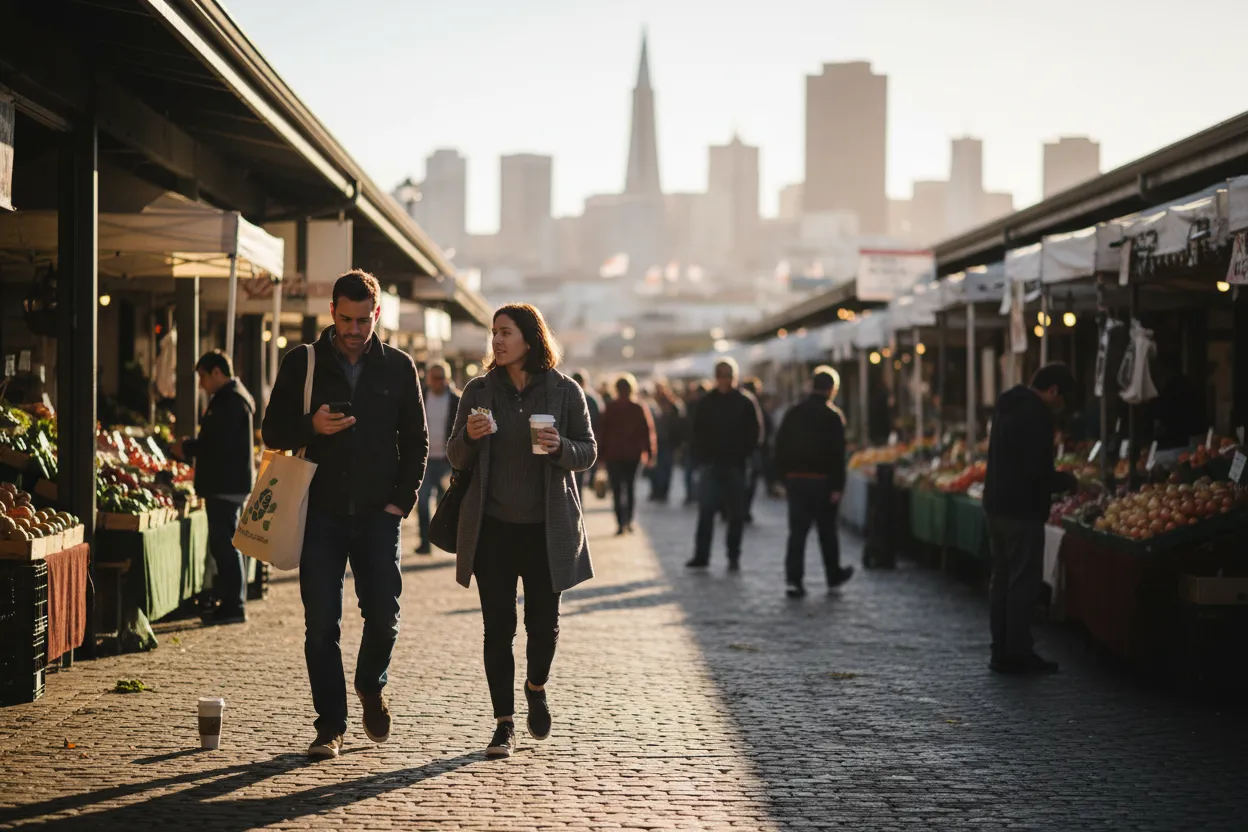
Verify vendor hours before leaving
Final verification should happen close to departure, because hours, service formats, and access details can change. Check the restaurant, market, hall, or vendor’s official page or direct contact channel. Then check SFMTA’s Trip Planner, route information, alerts, and travel updates for the current trip. If any part of the plan depends on a specific vendor, do not treat a general venue page as enough.
Also check the public-health angle from official sources when relevant. The San Francisco Department of Public Health states that it provides food safety education, inspection, permitting, and other measures to keep food safe for the public. If your group wants health-score information, use the official city pathway and understand that records and displays should be reviewed directly rather than repeated from memory.
The cleanest San Francisco meal plan for a trend-driven night is short and executable: one verified first stop, one nearby backup, a current transit route, and a shared understanding that avengers doomsday character updates are only the conversation starter. No claimed affiliation, no imaginary event, no promise that a place will hold space for you. Just a public dinner plan that can survive the city being the city.
Tags: #AskKarpo #BeforeYouGo #SanFrancisco #SFRestaurants #Muni #SFMTA #FoodSafety #DinnerPlan #RestaurantGuide #LocalLife #CityDining #TransitFirst #FoodHall #BayArea
Sources consulted: sftravel.com · sfdph.org · sfmta.com
All trademarks are the property of their respective owners.
Ask Karpo first
Ask Karpo first before turning a hot search into a hard plan. Share the neighborhood, time window, group size, mobility needs, and backup tolerance, and Karpo can help you spot the weak link before you are standing outside a full restaurant.