Nestled in Washington Heights, Audubon Terrace is an unexpected cultural destination, a grand Beaux-Arts complex designed to house prominent institutions around a central plaza. While many museum-goers head downtown or to the Upper East Side, this monumental cluster of buildings, conceived in the early 20th century by Archer M. Huntington, offers a unique blend of architectural grandeur and specialized cultural programming. It’s a rewarding detour for those seeking a tranquil, historically rich experience away from typical tourist paths, providing a glimpse into a meticulously planned cultural hub in Upper Manhattan.
Want a detailed, step-by-step itinerary to explore Audubon Terrace and its surrounding landmarks? Text Karpo for a personalized plan.

What is Audubon Terrace?
Audubon Terrace is a Beaux-Arts / American Renaissance cultural complex in Washington Heights, Manhattan, planned as a cultural center by Archer M. Huntington and developed in the early 20th century. This historic district occupies most of a city block, defined by two parallel rows of complementary buildings facing each other across a common plaza or courtyard. The district is located west of Broadway, between West 155th Street and West 156th Street, an area commonly described as Upper Manhattan.
The complex holds significant historical and architectural recognition, designated as a New York City historic district and listed on the National Register of Historic Places as the Audubon Terrace Historic District. Its creation on land associated with John James Audubon’s former estate adds another layer of historical intrigue. This planned cultural hub previously hosted institutions like the American Numismatic Society, the American Geographical Society, and the Museum of the American Indian, though today the primary public-facing institutions are the Hispanic Society of America and the American Academy of Arts and Letters.
Who Will Enjoy This Hidden Courtyard?
This destination is particularly suited for visitors who appreciate neoclassical architecture, specialized cultural institutions, and a quieter, more reflective pace. If you've explored the grand museums of Midtown and are looking for a unique, less-trafficked experience that connects deeply to New York's cultural past, Audubon Terrace offers a compelling alternative. It’s ideal for history buffs interested in the intersection of philanthropy, art, and urban planning, or anyone seeking a serene escape within the bustling city.
Art and literature enthusiasts will find particular interest in the Hispanic Society of America, with its focus on Spanish and Portuguese art and culture, and the American Academy of Arts and Letters, which supports and celebrates American artists and writers. This route is not for those seeking a quick photo stop or a broad, general museum experience. Instead, it rewards deliberate exploration and an appreciation for specific cultural niches.
Pacing Your Visit to Audubon Terrace
A visit to Audubon Terrace can be comfortably paced over a half-day, allowing ample time to appreciate the architecture, explore the publicly accessible institutions, and absorb the atmosphere. Start by walking around the exterior of the complex, noting the grandeur of the Beaux-Arts design and the layout of the buildings around the central plaza. The district's boundaries, from Broadway on the east to West 155th Street on the south and West 156th Street on the north, offer clear navigation cues for a comprehensive exterior viewing.
Dedicate the core of your visit to the Hispanic Society of America and the American Academy of Arts and Letters. These are the best-documented public-facing institutions remaining on the terrace. Check their respective websites for current exhibition schedules and any specific entry requirements. Editorial advice: Consider visiting one institution thoroughly, then taking a break in the courtyard before exploring the next, to prevent fatigue and allow for deeper engagement with each collection. The entire complex, including its immediate neighborhood, can be explored without feeling rushed.
Navigating the Architectural Landscape
The complex’s defining layout features two parallel rows of buildings facing one another across a central plaza or courtyard. As you approach, keep an eye out for iconic addresses such as 633 West 155th Street and 632-638 West 156th Street, which are part of the protected district and can help you orient yourself within the historic boundaries. The grand scale and meticulous detailing of the facades are key elements of the Beaux-Arts style, offering numerous architectural points of interest.
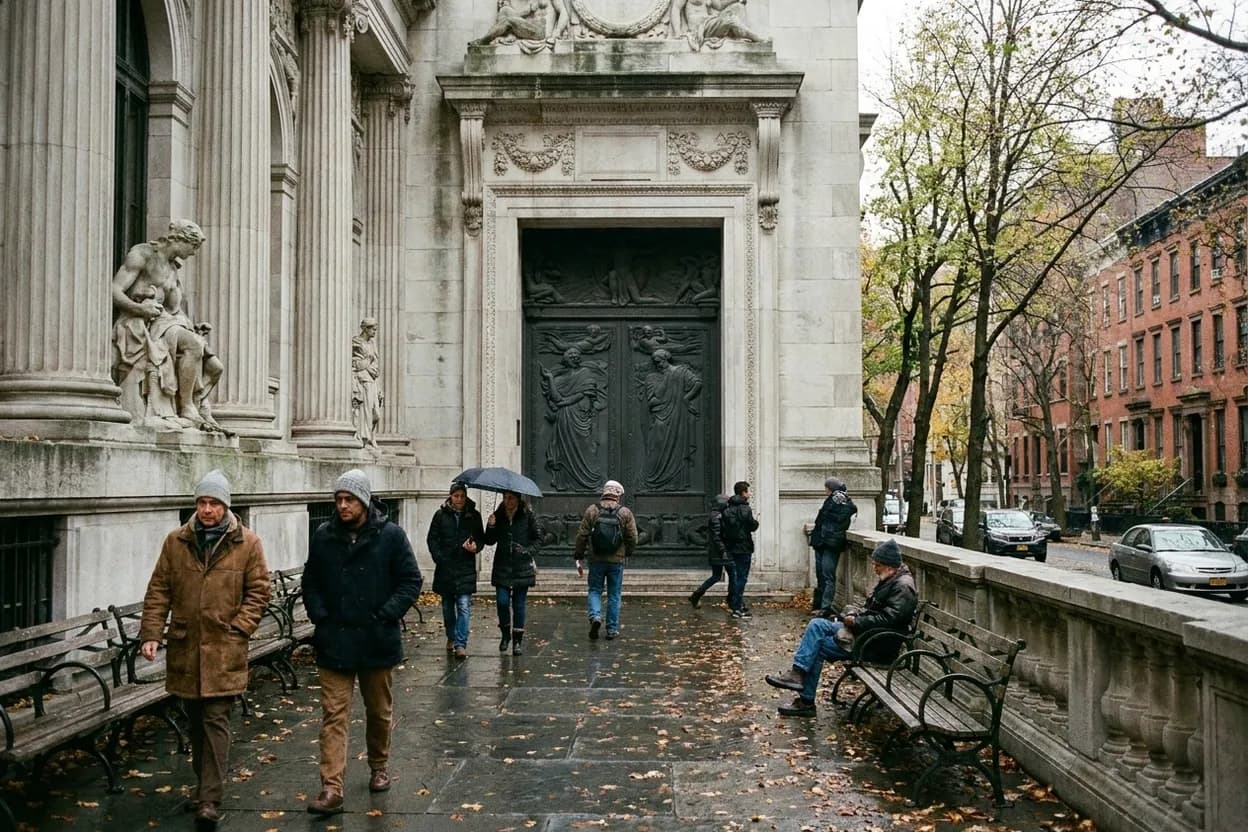
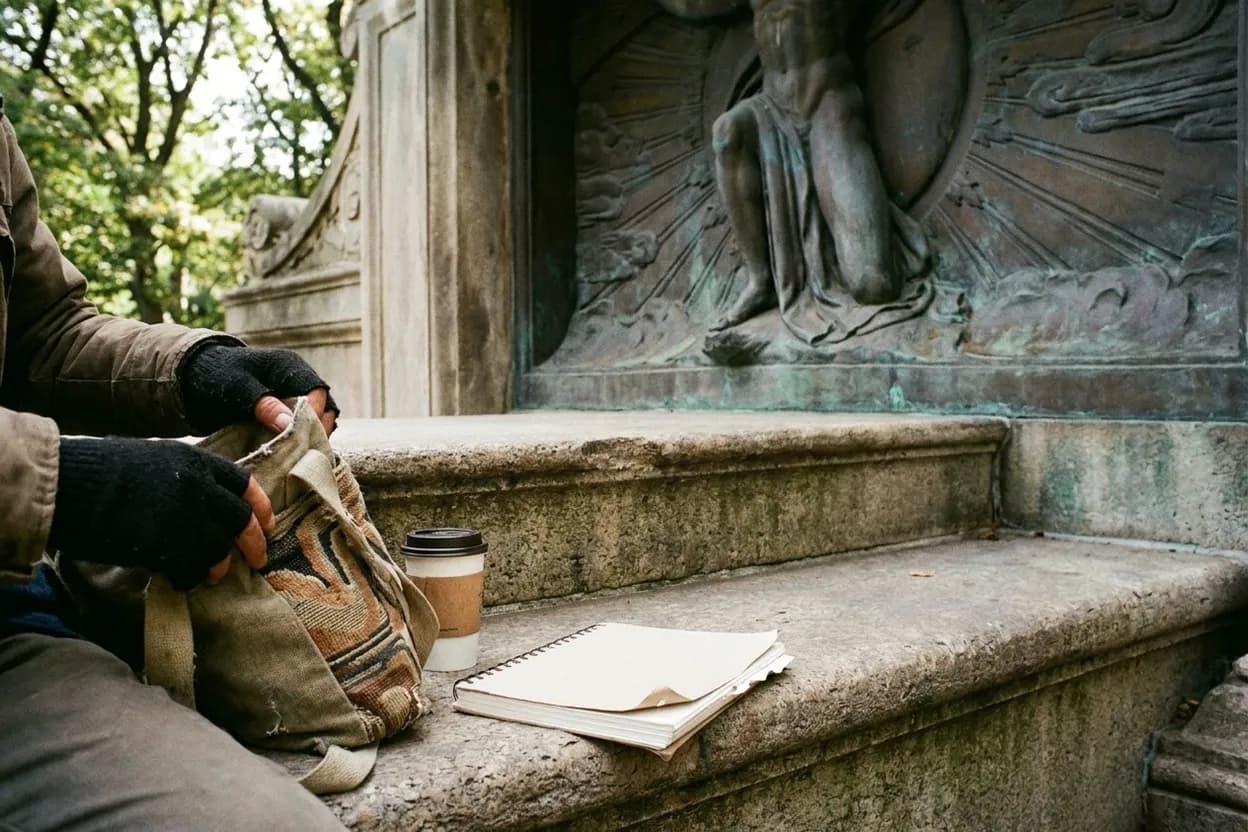
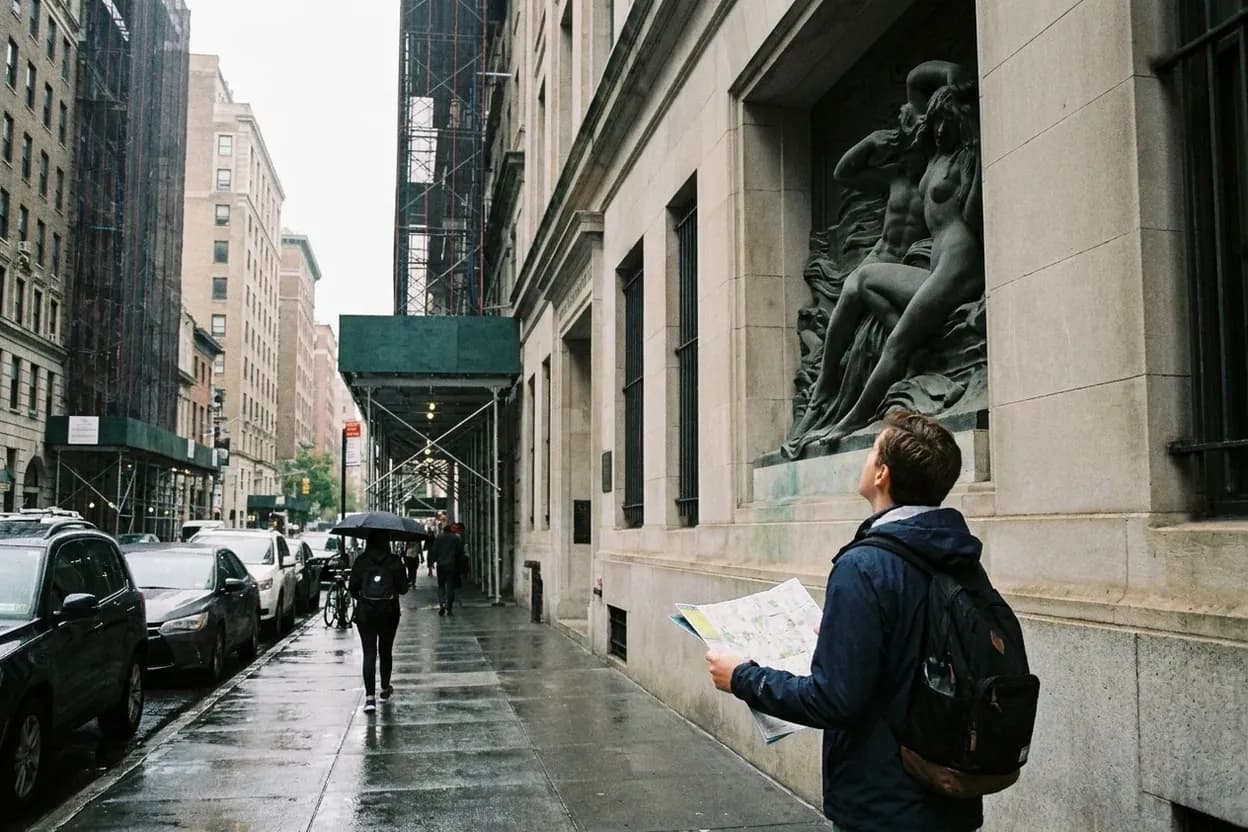
Take time to observe the public sculptures and architectural flourishes that contribute to the monumental feel of the complex. The buildings themselves are part of the experience, designed to convey a sense of gravitas and cultural importance. The broader area also provides a rich landmark context: the terrace sits directly across 155th Street from Trinity Church Cemetery, which serves as a useful landmark for your approach and orientation, and the Audubon Park Historic District is also nearby.
Key Institutions to Explore
The Hispanic Society of America is the predominant visitor-facing institution on Audubon Terrace. It houses a collection dedicated to the art, literature, and culture of Spain, Portugal, and Latin America. Its galleries offer a deep dive into centuries of artistic expression, often featuring masterworks that are rarely seen outside of this specific collection. Confirm current access, exhibition details, and any reservation requirements directly on their official website before your visit.
The American Academy of Arts and Letters also maintains a public gallery, providing a platform for American artists and writers. While its public offerings may be more intermittent or specialized than those of the Hispanic Society, it provides another unique cultural dimension to the terrace. As with the Hispanic Society, verify their current opening days and hours on their official site to ensure a smooth visit, as public access is not uniform across the entire complex.
Beyond the Terrace: Local Connections
While Audubon Terrace is a destination in itself, its location in Washington Heights places it within a neighborhood rich with history and cultural significance. The district was created on land associated with the former estate of John James Audubon, the renowned ornithologist. This historical connection to a significant American figure adds an interesting layer to your visit, inviting contemplation of the area's past before its transformation into a cultural hub.
The broader area is part of a landmark-rich neighborhood context. Trinity Church Cemetery, located directly across 155th Street, offers a peaceful and historically significant space for reflection. The presence of the Audubon Park Historic District nearby further reinforces the area's deep historical roots and architectural heritage, making a visit to Audubon Terrace a gateway to exploring a wider swath of Upper Manhattan's unique character.
Practical notes for Audubon Terrace
Public access is not uniform across the entire Audubon Terrace complex, as different institutions set their own entry rules. Before leaving, always verify current access, exhibition schedules, and any reservation requirements directly on the official websites of the Hispanic Society of America and the American Academy of Arts and Letters. This ensures you have the most up-to-date information for a seamless visit. The supplied results do not confirm whether the plaza itself is freely accessible at all times, so be prepared for potential variations.
Current hours, admission fees, or tour schedules for the full terrace complex are not centrally managed or confirmed by a single source. Therefore, cross-reference details for each specific institution you plan to visit. Editorial advice: Plan your transportation to Washington Heights, considering subway lines that serve the 155th Street area. Be aware that this is a residential neighborhood, so respect local residents. Check weather conditions, as much of the experience involves walking and viewing exteriors.
Tags: #AudubonTerraceNYC #HiddenNYC #WashingtonHeights #BeauxArtsNYC #HispanicSociety #AmericanAcademyArtsLetters #NYCArchitecture #UpperManhattan #CulturalComplex #HistoricDistrict #NYCExplorer #AskKarpo #BeforeYouGo #NYCSeoul
Sources consulted: Source 1: hispanicsociety.org · Source 2: artsandletters.org · Source 3: nyc.gov · Source 4: hdc.org · Source 5: en.wikipedia.org · Source 6: washington-heights.us · Source 7: nycgovparks.org · Source 8: nps.gov · Source 9: en.wikipedia.org · Source 10: en.wikipedia.org · Source 11: keithyorkcity.wordpress.com · Source 12: s-media.nyc.gov · Source 13: ceciliadetorres.com · Source 14: facebook.com
All trademarks are the property of their respective owners.
Ask Karpo first
Tell Karpo your date, group size, budget, and starting neighborhood. We’ll check current access, timing, transit, and the cleanest plan for Audubon Terrace before you head out.