The Audi Q9 has sparked fresh interest in premium SUV ownership across the New York metro area, and for many Queens households weighing a vehicle purchase or rental, the question isn't just about the car itself—it's about when and where that car makes sense in daily life. The 2026 US Open, scheduled for late August and early September at the USTA Billie Jean King National Tennis Center in Flushing Meadows Corona Park, offers a useful case study: a high-attendance event in a transit-rich neighborhood where driving, parking, and public transportation each carry distinct trade-offs. This article walks through a decision framework that balances vehicle capability, parking realities, transit access, and the rhythms of a two-week tennis tournament, helping you think through whether to drive, where to park if you do, and how to weave a US Open visit into a broader Queens day.
Text Karpo with your US Open session time and Queens starting point, and we’ll turn this driving and parking decision framework into a practical local plan.
Why the Audi Q9 Conversation Matters for US Open Planning
Interest in the Audi Q9 reflects a broader moment when families and professionals across Queens, Long Island, and Westchester are reconsidering vehicle ownership—especially larger, comfortable SUVs that promise space for gear, passengers, and weekend trips. But owning or renting a premium vehicle in New York means confronting a recurring question: when does driving make sense, and when does it add friction? The US Open is a perfect test case. The tournament draws hundreds of thousands of visitors over two weeks, many arriving by subway, LIRR, or ride-share. Parking at the venue is limited and requires advance purchase. Streets around Flushing Meadows see heightened traffic, and nearby neighborhoods like Corona, Jackson Heights, and Flushing experience spillover congestion. If you're considering a vehicle purchase or planning a US Open visit, this framework helps you think through the variables before you commit to a route.
Official Parking and Transportation Guidance
The US Open's official transportation page at usopen.org lays out the core options: on-site parking (pre-purchased, limited inventory), public transit via the 7 train to Mets–Willets Point, LIRR service to the same station, and ride-share drop-off zones. The MTA's dedicated US Open guide at new.mta.info/guides/stadiums/us-open provides real-time service updates, recommended train lines, and walking directions from the station to the Tennis Center gates. On-site parking typically sells out early for evening and weekend sessions, and the official visitor A-Z guide at usopen.org/en_US/visit/a_z.html notes that parking passes are non-transferable and session-specific. If you're planning to drive, securing a parking pass weeks in advance is essential. If passes are sold out or you prefer flexibility, the decision shifts to off-site parking, street parking in nearby neighborhoods, or switching to transit entirely.
The 7 Train Corridor and Transit-First Scenarios
The 7 train runs express and local service from Manhattan through Long Island City, Woodside, Jackson Heights, and Corona, terminating at Flushing–Main Street. Mets–Willets Point station sits adjacent to Citi Field and a short walk from the Tennis Center. For visitors staying in Manhattan, Astoria, or western Queens, the 7 offers a direct, predictable route that avoids parking costs and traffic variables. The MTA typically adds extra service during US Open sessions, though crowding is common during evening matches and weekends. If your starting point is along the 7 corridor or within a short bus or bike ride of a 7 station, transit often proves faster and less stressful than driving. The decision framework here weighs your tolerance for crowded trains, your need to carry gear or travel with young children, and your plans before or after the match.
When Driving Makes Sense: Group Size, Gear, and Multi-Stop Days
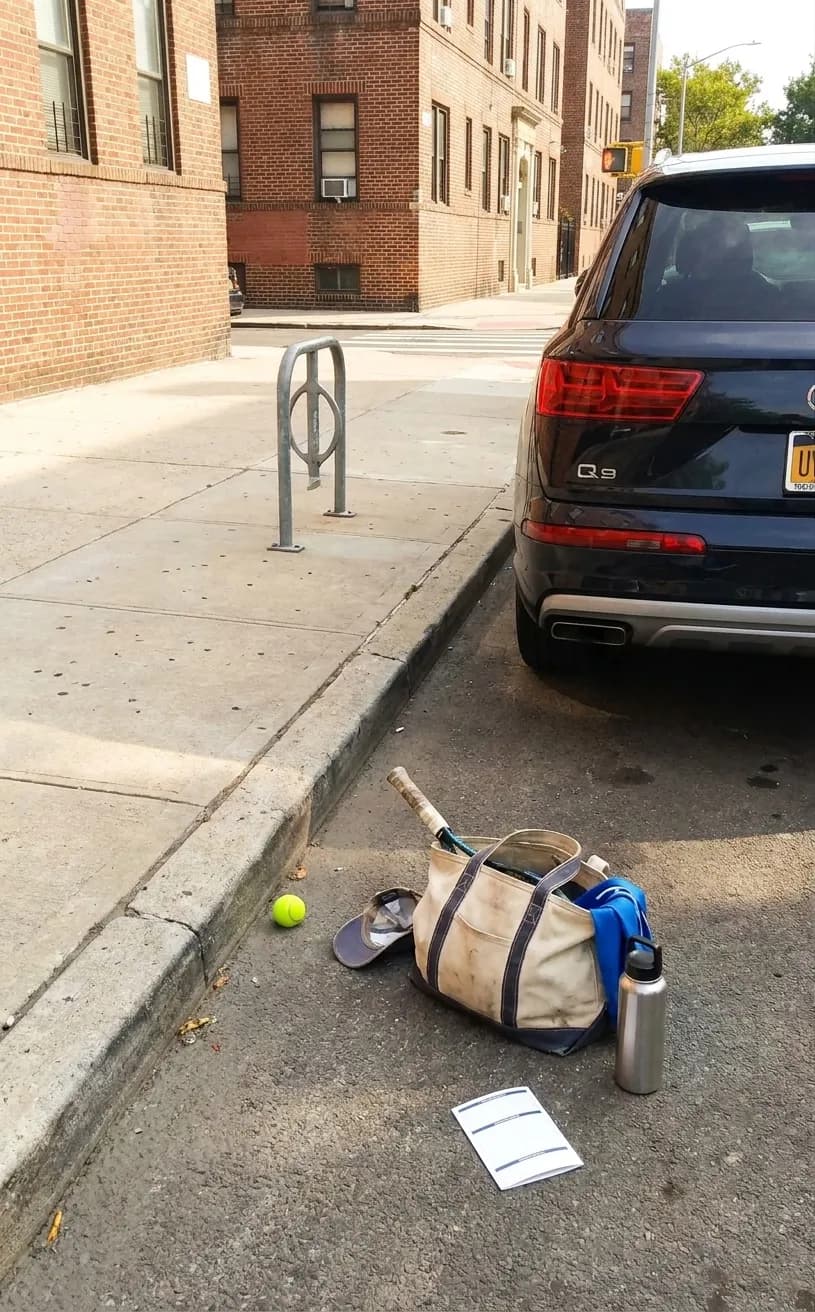
Driving to the US Open becomes more practical in a few scenarios: you're traveling with a group of four or more, splitting parking and tolls; you're carrying camera equipment, sun shelters, or coolers (subject to the prohibited-items policy at usopen.org/en_US/visit/prohibited_items.html); you're combining the match with stops elsewhere in Queens—Flushing's food markets, the Queens Museum or Hall of Science in Flushing Meadows, or a meal in Jackson Heights; or you're arriving from a suburb without convenient transit access. A vehicle like the Audi Q9, with three rows and ample cargo space, suits these multi-stop, group-oriented days. The trade-off is parking cost, the need to arrive early to secure a spot if you don't have a pass, and the likelihood of sitting in post-match traffic on the Grand Central Parkway or Long Island Expressway. The framework asks: does the convenience of door-to-door travel outweigh the friction of parking and traffic?
Off-Site Parking and Neighborhood Realities
If on-site parking is sold out, some visitors park in nearby neighborhoods—Flushing, Corona, or along residential streets near the park—and walk or take a short bus ride to the Tennis Center. This approach requires careful attention to street-cleaning schedules, residential permit zones, and the reality that many blocks fill quickly on match days. Flushing's municipal lots and garages serve local shoppers and diners, and availability fluctuates. The decision framework here includes: how early can you arrive, how far are you willing to walk, and do you have a backup plan if your first-choice block is full? For many, the unpredictability of off-site street parking tips the balance back toward transit or pre-purchased on-site passes. If you do park off-site, plan to arrive at least ninety minutes before your session and confirm parking rules using NYC's parking regulation map or local signage.
Building a Queens Day Around the Match
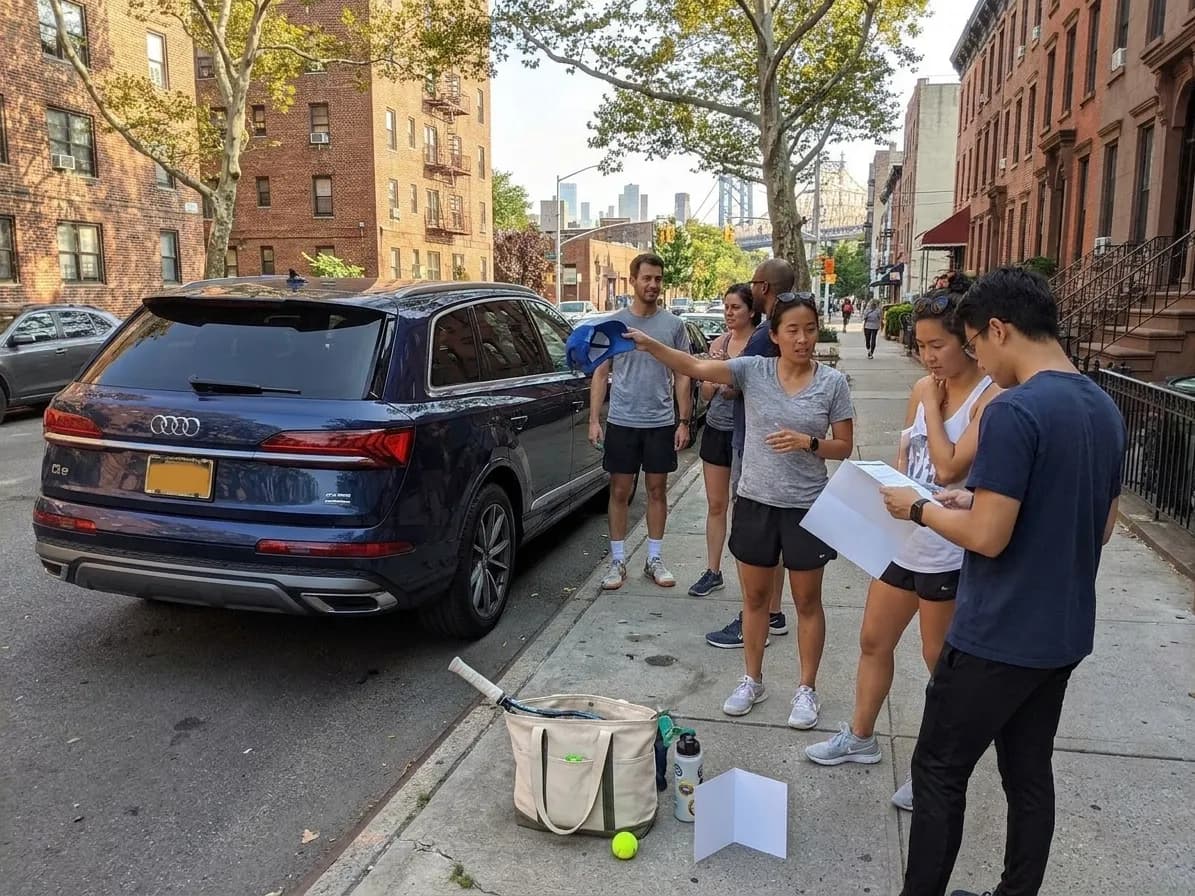
One advantage of driving is the ability to structure a full Queens day: breakfast in Astoria, a walk through Flushing Meadows to see the Unisphere and visit the Queens Museum, an afternoon or evening US Open session, and dinner in Flushing or Jackson Heights afterward. This itinerary benefits from a vehicle if you're carrying bags, traveling with family, or prefer not to navigate multiple subway transfers. The framework asks: does your day include stops that are poorly served by transit, or are you moving along corridors—like the 7 line or Northern Boulevard—where buses and trains are frequent? If your plan is Tennis Center-only, transit is often simpler. If you're weaving together parks, museums, meals, and the match, a car adds flexibility but requires parking strategy at each stop.
Practical Notes for Your US Open Driving and Parking Decision
- Check usopen.org/en_US/visit/transportation_directions.html for parking pass availability and purchase deadlines as soon as your session tickets are confirmed.
- Review the MTA's US Open guide at new.mta.info/guides/stadiums/us-open for real-time service updates, especially if you're considering transit as a backup.
- Consult the prohibited-items list at usopen.org/en_US/visit/prohibited_items.html before packing your vehicle; large bags, coolers, and certain gear may not be permitted inside the Tennis Center.
- If driving from outside Queens, factor in tolls (Triborough, Whitestone, Throgs Neck) and peak-hour traffic on the Grand Central Parkway and Long Island Expressway.
- For off-site parking, arrive early, confirm street-cleaning schedules, and have a transit backup plan if your first-choice block is full.
- Consider ride-share for one leg—drive to a 7 train station with ample parking (like 61st Street–Woodside or Junction Boulevard) and take the train the final stretch.
- If combining the match with other Queens stops, map parking at each location in advance; many neighborhood lots are small and fill during weekend afternoons.
Checking Conditions Close to Your Visit
The US Open's official event schedule at usopen.org/en_US/about/eventschedule.html is updated as the tournament approaches, and session times, gate openings, and parking policies may shift. The MTA's service status page at new.mta.info/ provides real-time alerts for the 7 train and LIRR. NYC Parks' Flushing Meadows page at nycgovparks.org/parks/flushing-meadows-corona-park lists any park closures or events that might affect access or parking. If you're flying in and renting a vehicle, check the Port Authority's JFK page at jfkairport.com for terminal and ground-transportation updates. Confirming these details a few days before your visit ensures your driving and parking plan reflects current conditions, not assumptions made weeks earlier.
audi q9, us open parking, us open transportation, flushing meadows parking, queens driving, 7 train us open, mets willets point, usta billie jean king national tennis center, queens transit, us open 2026
Audi, Q9, US Open, USTA, Billie Jean King, MTA, and other marks are the property of their respective owners. This article is informational only and is not endorsed by, sponsored by, or affiliated with any tournament, transit agency, automobile manufacturer, or venue operator.
Ask Karpo First
Tags: #USOpen2026 #Queens #FlushingMeadows #KarpoFinds #Karpo #audiq9 #NewYorkLocal #TennisTravel #NYCLocalLife #TennisTravel
Sources consulted: usopen.org — Official event schedule · usopen.org — Official visitor A-Z guide · usopen.org — Official transportation directions · usopen.org — Official prohibited-items guide · MTA — Official US Open transit guide · NYC Parks — Flushing Meadows Corona Park · MTA — Service status · Port Authority — JFK Airport
All trademarks are the property of their respective owners.
Ask Karpo first
Want to know what is actually open, how to time the trip, and where to pause around Queens? Ask Karpo for the latest public US Open context, a respectful visitor plan, and a live route around Flushing Meadows before you head out.