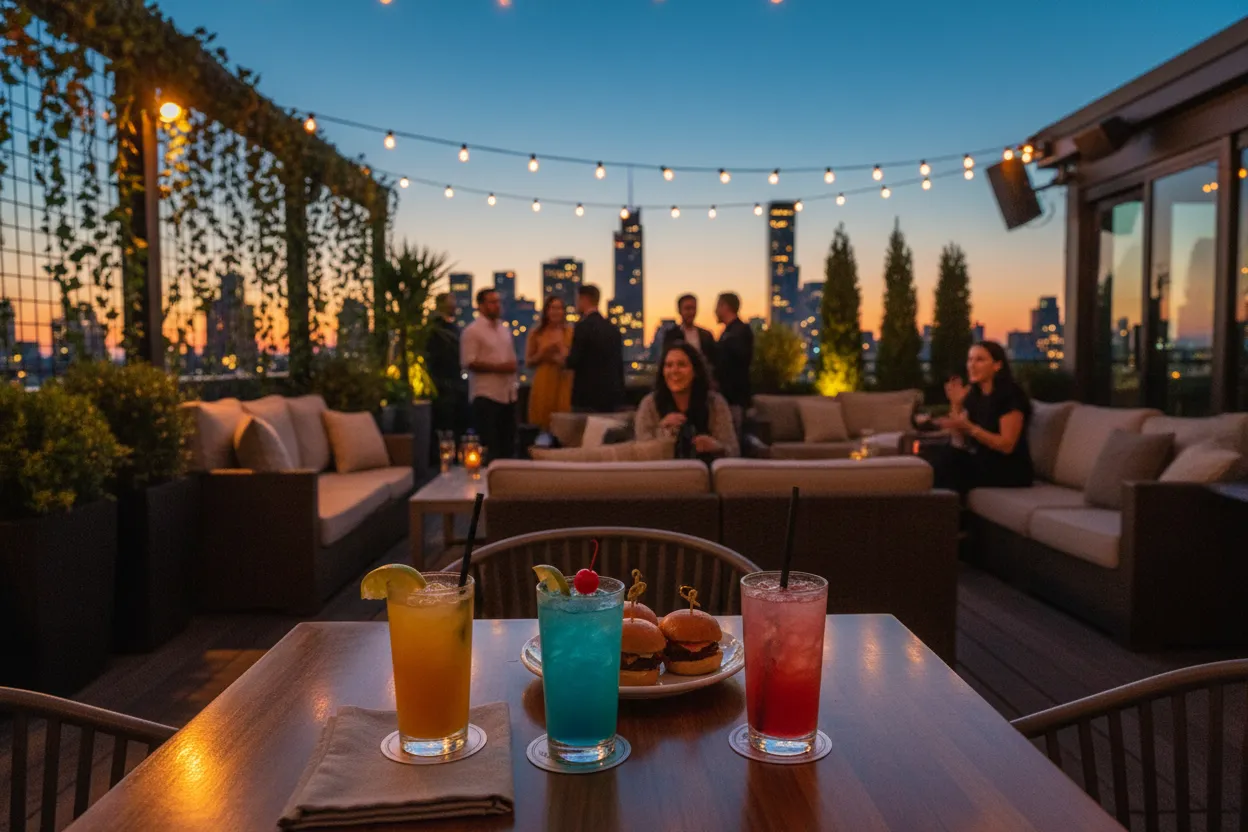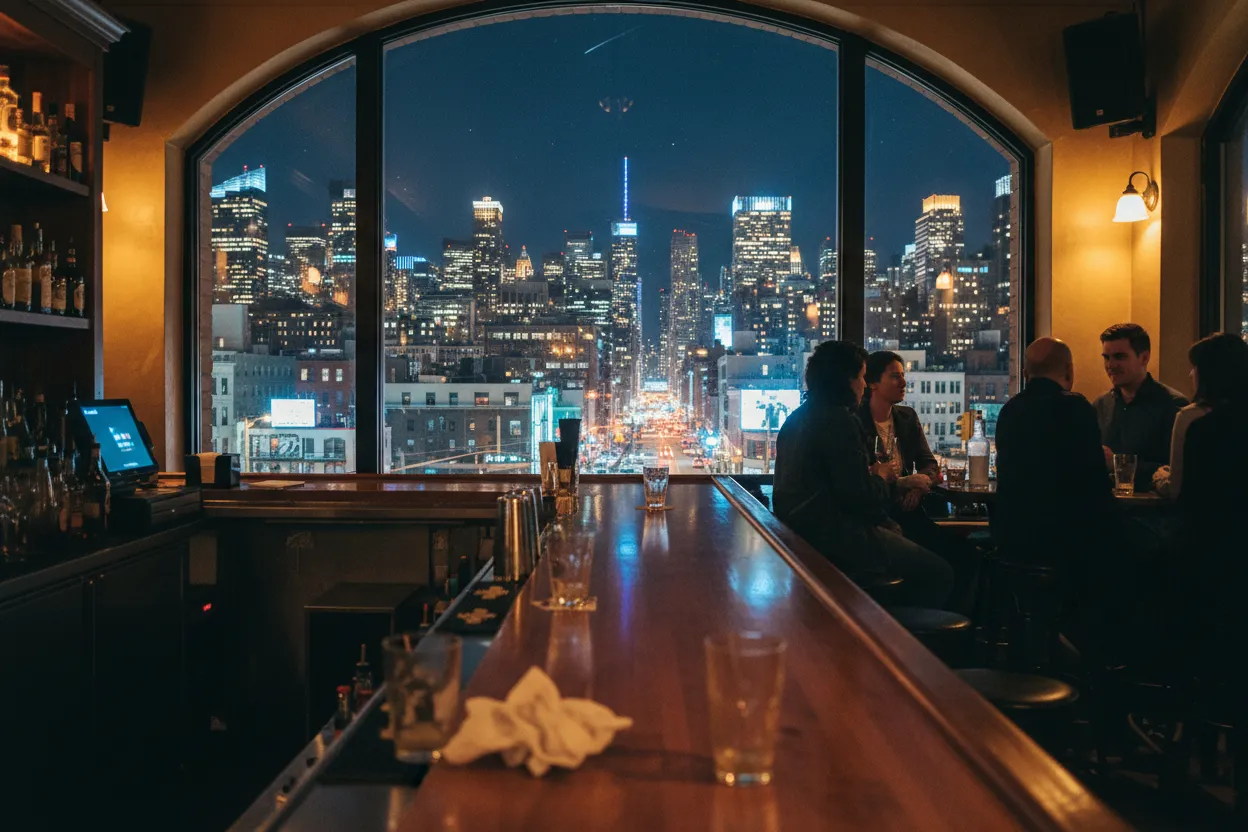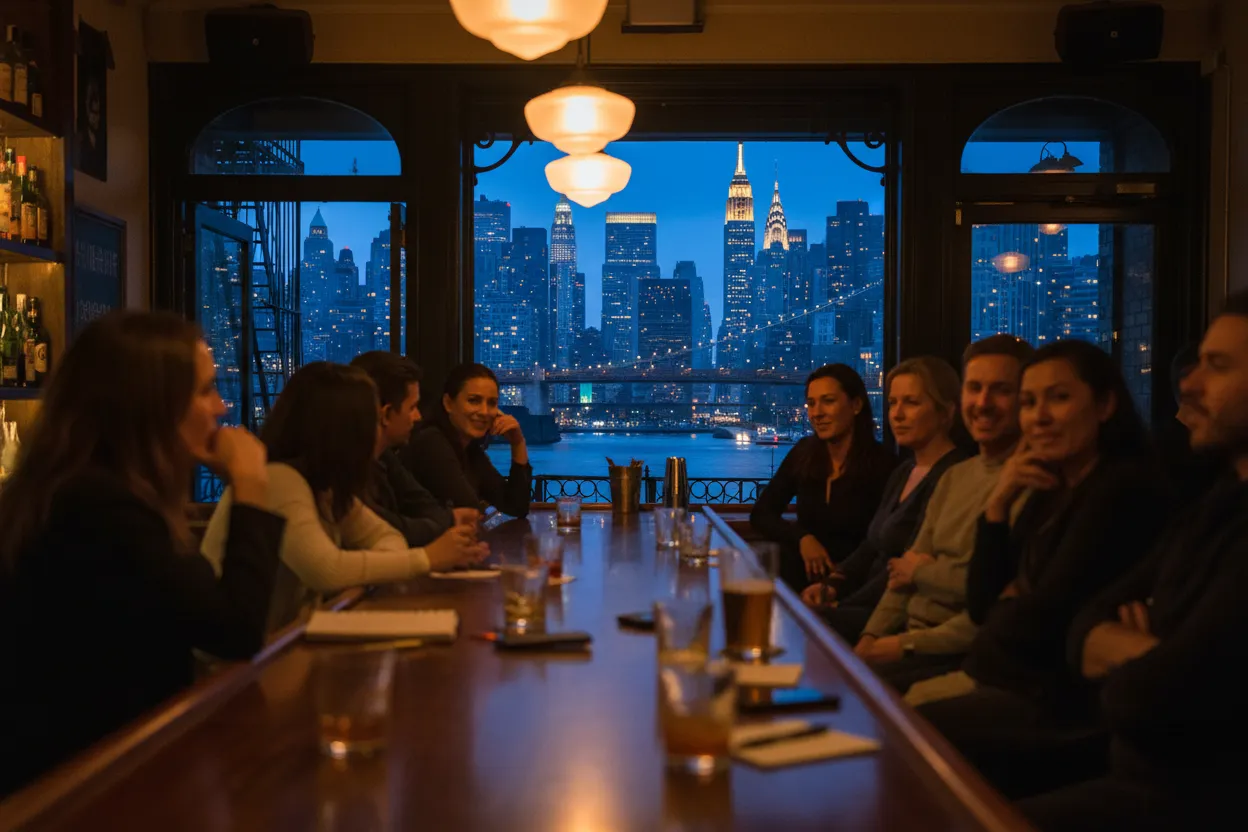
aubrey plaza: Where NYC Can Talk Without Shouting is not a promise that anyone famous is in town, behind a curtain, or connected to your table. Treat aubrey plaza as the night’s lightweight opener: a reason to gather friends, compare tastes, and choose a room where conversation can survive the first round. NYC nightlife rewards people who verify instead of wander. The city’s official tourism site points visitors toward nightlife, eating and drinking, budget activities, borough guides, and current food programs, but the details that matter tonight still live on each venue’s own page. Before you leave, confirm the bar is open, check whether the night has a performance or private booking, look at transit conditions, and decide when you will switch plans.
Want a quieter route before the group chat turns chaotic? Text Karpo with your borough, time window, sound tolerance, and food needs, and ask for a verified two-stop plan.

Use the topic as the night’s conversation starter
The cleanest way to use aubrey plaza for an NYC night out is as a shared reference, not a sighting claim. Nobody in your group needs a celebrity rumor to justify leaving the apartment. The better move is to make the phrase a prompt: deadpan comedy, favorite interviews, awkward party stories, or the difference between a bar that looks good online and one where people can actually talk.
That distinction matters in New York because hype compresses decision-making. A trending name can send people searching for the wrong thing: secret events, unverified appearances, or last-minute “industry” whispers. Skip that. Build the night around public information you can check. If a venue lists a DJ, comedy set, live taping, tasting, party, or private event, believe the official venue listing over a social post. If it does not list one, do not assume it exists.
Set the tone in the first message to friends: one main bar, one backup, food nearby, and a hard review point after the first drink. That makes the search hook useful without letting it hijack the night.
Choose sound level before cocktails
For a conversation-first night, choose sound level before you choose cocktails. NYC has every version of nightlife, from dance floors to hotel lounges to neighborhood bars to performance rooms. The official tourism site broadly recognizes nightlife as part of the city’s things to do, and it also highlights eating and drinking across the five boroughs. That variety is a strength, but it means the word “bar” is too vague for planning.
Read the official venue page or the bar’s own social feed for clues that change the room: live music, comedy, karaoke, trivia, a DJ set, a game watch, a ticketed program, or a special event. Any one of those can turn a promising talking room into a shouting room. If the listing is unclear, call or message the venue during staffed hours and ask direct questions: Is there amplified entertainment tonight? Are reservations required? Is seating first come, first served? Is there a cover or minimum? Verify, then decide.
Also choose your arrival style. Early evening generally gives a group more room to adjust than arriving at peak night energy, but do not treat that as a guarantee. Use it as a risk-control habit: start earlier than the crowd you are trying to avoid, and keep the second stop close enough that leaving is painless.
Build a walkable two-stop route
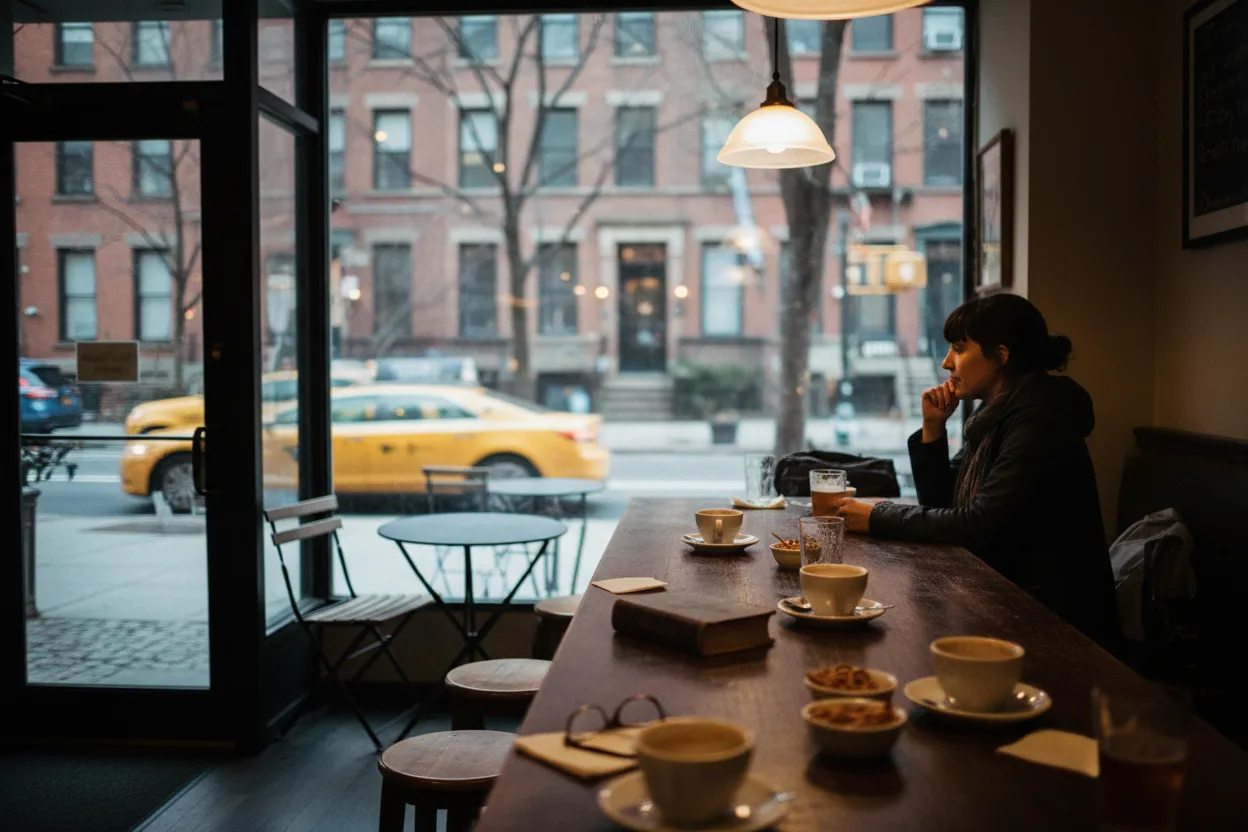
A workable NYC bar night should not depend on three transfers, a rideshare surge, or a fifteen-minute debate on the sidewalk. Pick one neighborhood cluster and keep the second option walkable or a simple transit move away. The city’s official tourism material frames NYC through its five boroughs: Manhattan, Brooklyn, Queens, the Bronx, and Staten Island. That is useful for orientation, but your actual night should be smaller than a borough.
If your group wants classic density and easy meeting points, a Manhattan plan can reduce coordination friction. If the group wants nightlife range and does not mind neighborhood specificity, Brooklyn is officially described as having world-class nightlife and boundary-pushing cuisine. Queens is presented as a borough that can satisfy nearly every taste, which makes it a strong food-first option before drinks. The Bronx and Staten Island can work for local plans too, but only if everyone understands the transit and timing before committing.
Write the route like an instruction, not a vibe: meet outside the first venue, confirm entry conditions, stay for one round, reassess sound and seating, then move only if the backup is still open and appropriate. A two-stop plan beats a five-place crawl when the actual goal is conversation.
Keep food and late transit in the plan
Food is not an optional add-on if people are drinking and talking for several hours. NYC Tourism notes that NYC Restaurant Week Summer 2026 runs July 20 through August 16, with two-course lunches and three-course dinners across all five boroughs starting at $30. Since today is Tuesday, August 11, 2026, that official citywide dining program is still within its listed date range, but participating restaurants, menus, reservations, and availability should be checked on the official program page before you build around them.
Use dinner to stabilize the night. If your first bar does not serve food, put a verified restaurant, counter-service spot, or late snack option within the same neighborhood plan. Do not assume kitchens stay open as late as bars, and do not assume a posted menu reflects tonight’s service. Confirm hours and reservation rules where possible, especially if your group has dietary needs or is trying to sit down before drinks.
Transit deserves the same skepticism. Check official transit information before leaving and again before the last round, especially if the backup room is in another borough or the group is splitting up afterward. Avoid building a night that only works if every train, bus, ferry, or car option behaves perfectly.
Know when to switch to the backup room
The backup room is not a failure; it is the part of the plan that keeps the night from becoming a complaint thread. Decide your switch triggers before the first drink: no seating after a reasonable wait, sound too loud for normal conversation, unexpected cover, inaccessible entrance for someone in the group, private event, long line, or a crowd that changes the mood.
Crowd risk is not only about popularity. A bar can be half full and still wrong for talking if the music is high, the layout is narrow, or a program starts after you arrive. Conversely, a busy room can work if seating is stable and the sound is controlled. Judge the room you are in, not the reputation you saw online.
Make one person responsible for checking the backup while the group finishes the first round. That person should verify current hours, last seating or entry if listed, event notes, and distance. If the backup has become uncertain, do not improvise endlessly. Choose food, a quieter lobby bar, or a direct trip home. A good NYC night sometimes ends early because everyone protected the next morning.
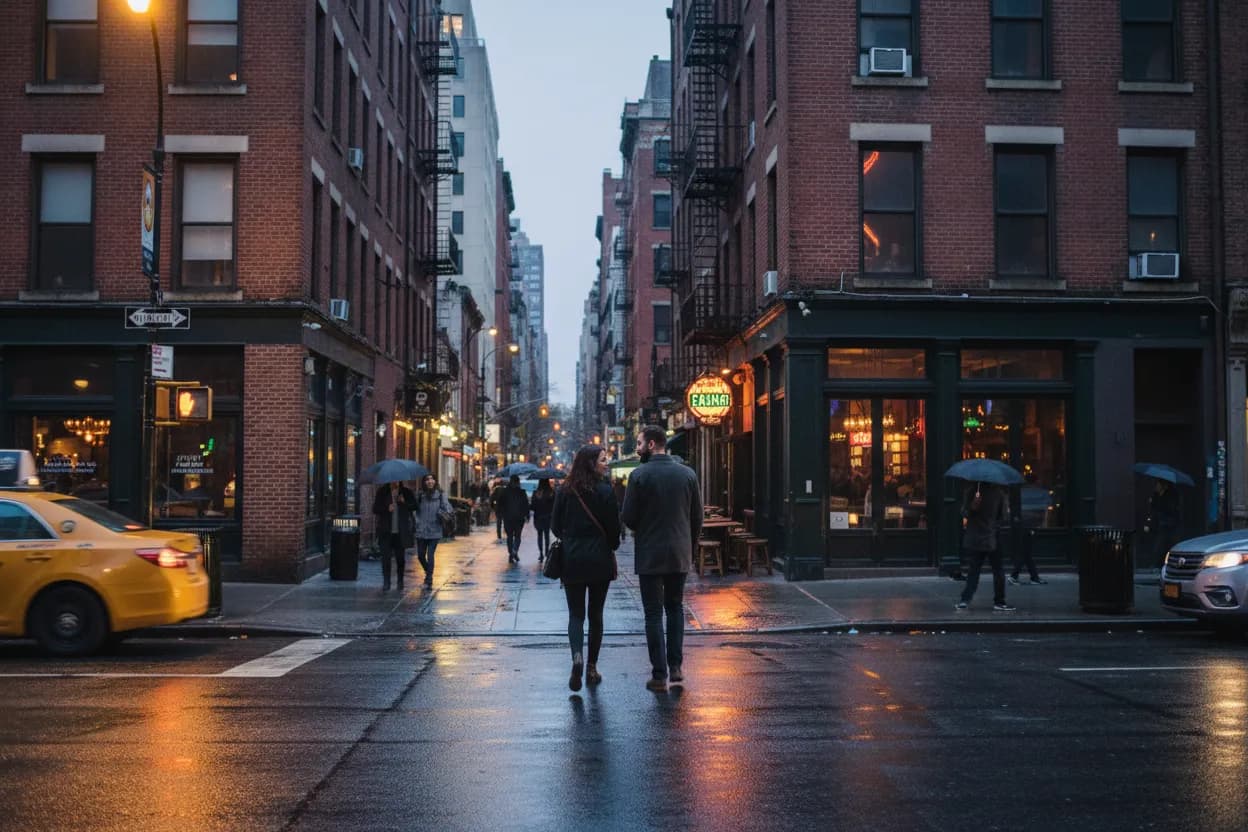
Verify the night’s program before leaving
The final check should happen before shoes go on. Open the official venue page first, then the venue’s current social channel if it uses one for same-day updates. Look for schedule changes, private events, ticket links, age restrictions, accessibility notes, reservation language, kitchen hours, and whether the room is presenting a performance rather than normal bar service. If the information conflicts, contact the venue directly or choose the simpler backup.
Use NYC’s official tourism resources for broad orientation: nightlife, eating and drinking, borough guides, budget ideas, and current citywide programs. Use individual venues for operational truth. The city can point you toward categories and neighborhoods; it cannot guarantee that a particular room will have the right seat, sound level, line, or door policy at the exact minute your group arrives.
The point is not to remove spontaneity. It is to protect it. When the dull checks are done, the night has more room for the good parts: the friend who shows up with a sharper take than expected, the bartender who reads the table correctly, and the rare NYC bar hour where everyone can hear the whole story.
Tags: #AskKarpo #BeforeYouGo #NYCBars #NYCNightlife #QuietBars #NYCDrinks #BarsNightsOut #NYCPlans #ManhattanNights #BrooklynNightlife #QueensEats #NYCRestaurantWeek #TransitCheck #PlanB
Sources consulted: nyctourism.com · new.mta.info · nycgovparks.org
All trademarks are the property of their respective owners.
Ask Karpo first
Ask Karpo first before you chase a loud room for the wrong reason. Send the neighborhood, group size, arrival time, sound tolerance, food needs, and backup radius. Karpo can help turn a trending conversation hook into a verified NYC night-out plan.