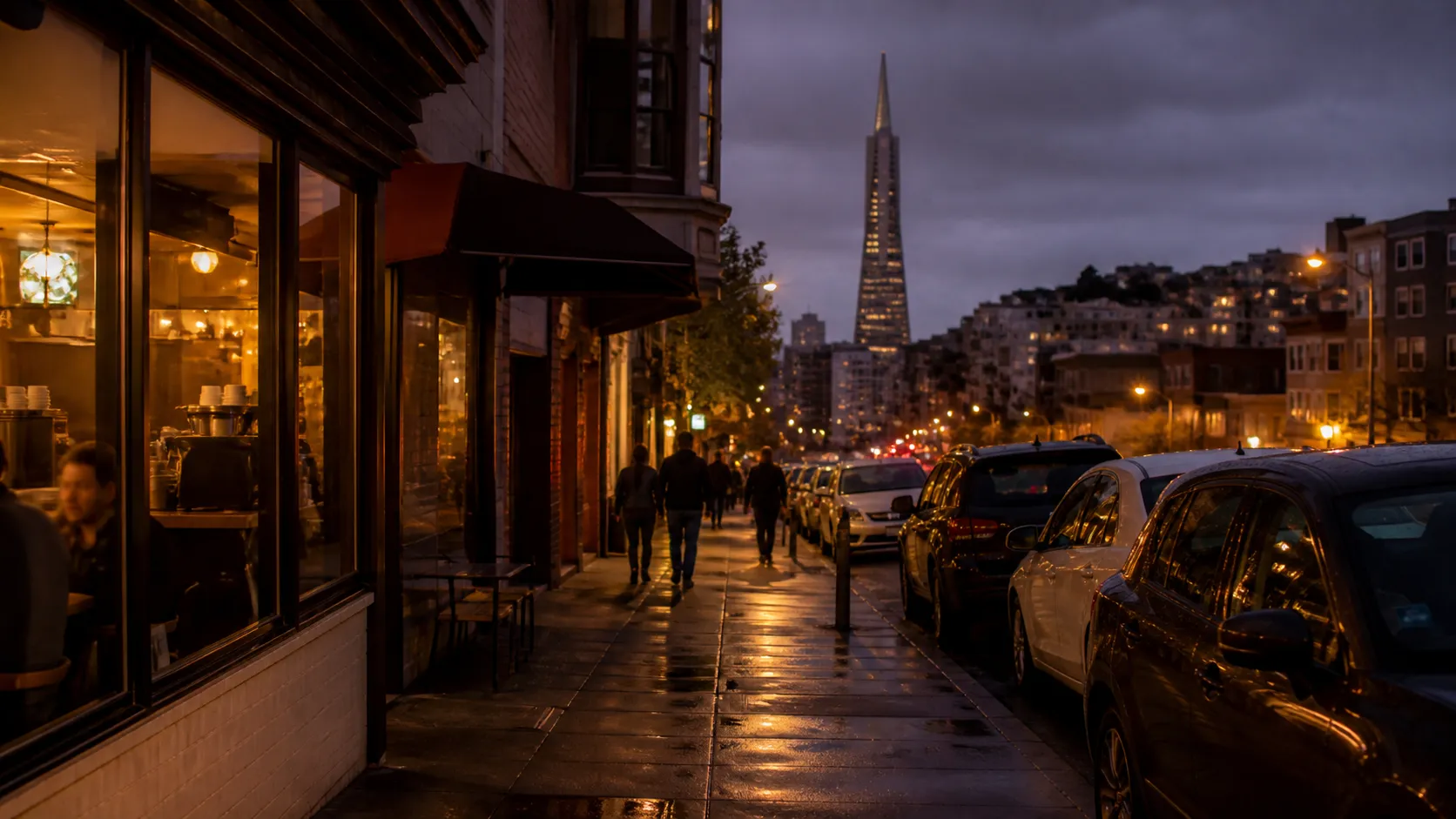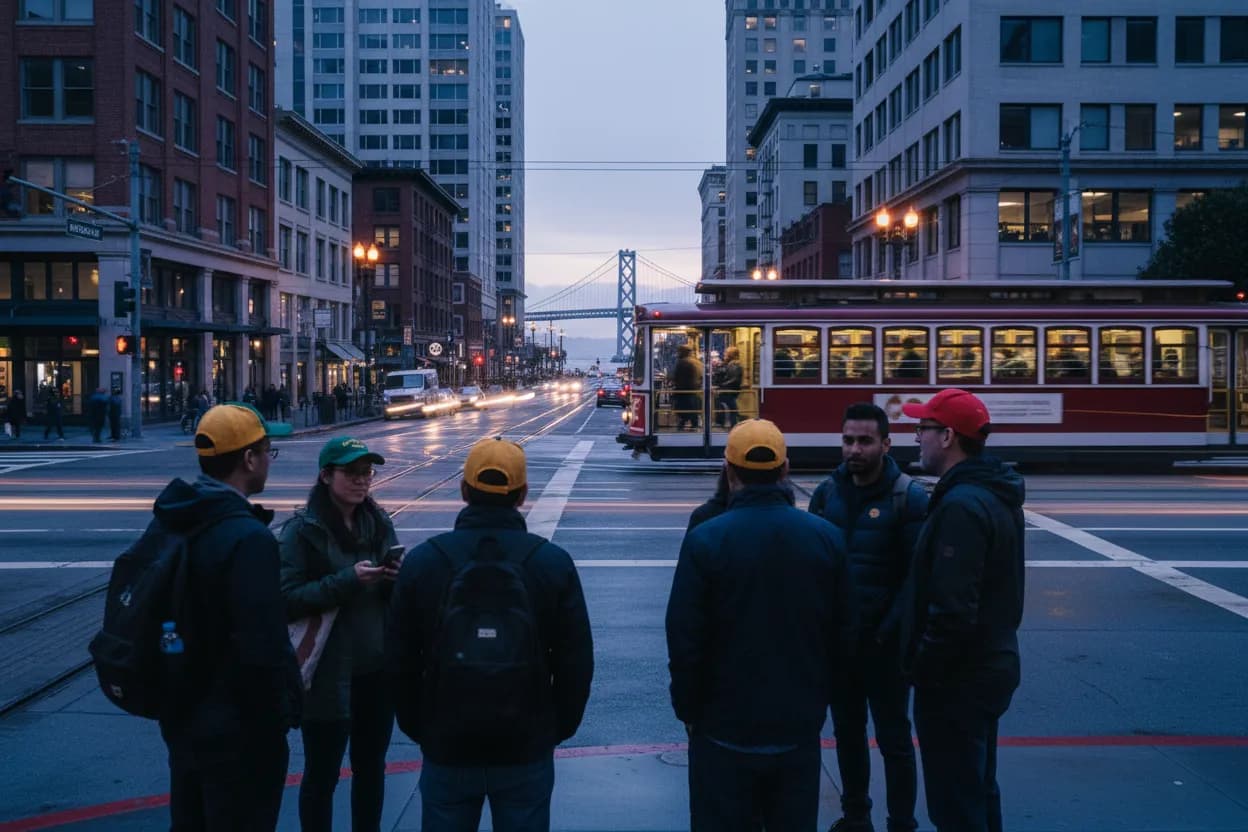
San Francisco sports plans work best when the hype gets filtered through logistics. The phrase athletics vs red sox may be what starts the group text, but it should not be treated as proof of a local appearance, a guaranteed public screening, or any special access. Build the plan around what you can verify: where your group can legally meet, how everyone will get there, what each person needs to bring, and what happens if transit, access, seating, or weather makes the first idea awkward. Keep the social goal simple. You are not promising an official event; you are creating a public, flexible city outing that can survive changing schedules and last-minute friction.
Want a tighter plan before the chat gets messy? Text Karpo with your neighborhood, group size, timing window, and whether you want to play, watch, or just meet socially.

Turn the sports interest into a social plan
Start by separating the search hook from the actual plan. If friends are talking about athletics vs red sox, use that interest as the excuse to gather, not as a claim that something official is happening in San Francisco. A verification-first plan says: here is the meet time, here is the public location, here is the transit route each person should check, and here is the fallback if the first option does not work.
For a citywide plan, choose a format before you choose a place. A low-pressure version could be a walk-and-score-check meetup, a casual catch session, or a sit-down gathering where people follow the game on their own devices if available to them. Do not assume a venue will show anything, reserve anything, or hold seats unless the venue’s own current information confirms it. That keeps the invitation honest and prevents the group from building expectations around rumors.
Make one person the verifier, not the dictator. Their job is to check official pages before departure: SFMTA for movement around the city, the relevant public-space or venue page for access rules, and any official schedule page connected to the activity itself. If something cannot be verified, phrase it as optional rather than promised.
Choose participation or spectating first
Participation and spectating require different preparation. If your group wants to move around, throw a ball, or use public recreation space, the key questions are access, allowed activity, equipment, restrooms, and whether the location is appropriate for beginners. Since public-space details can change, verify current rules and access through the official San Francisco Recreation and Parks site before you tell people to bring gloves or plan around a field.
If the group prefers spectating, avoid overpromising. A public social plan can be built around conversation, score-checking, and baseball talk without claiming that a bar, restaurant, screen, or civic space will carry a specific matchup. If someone insists on watching live, assign that person to verify legal availability and the location’s own current plan before the meetup is locked.
The cleanest invite is direct: “We’re using the baseball chatter as a reason to get together; final viewing or playing details depend on what we can verify before we leave.” That wording sounds less flashy, but it protects the organizer and gives late joiners a realistic picture.
Match the venue to the group energy
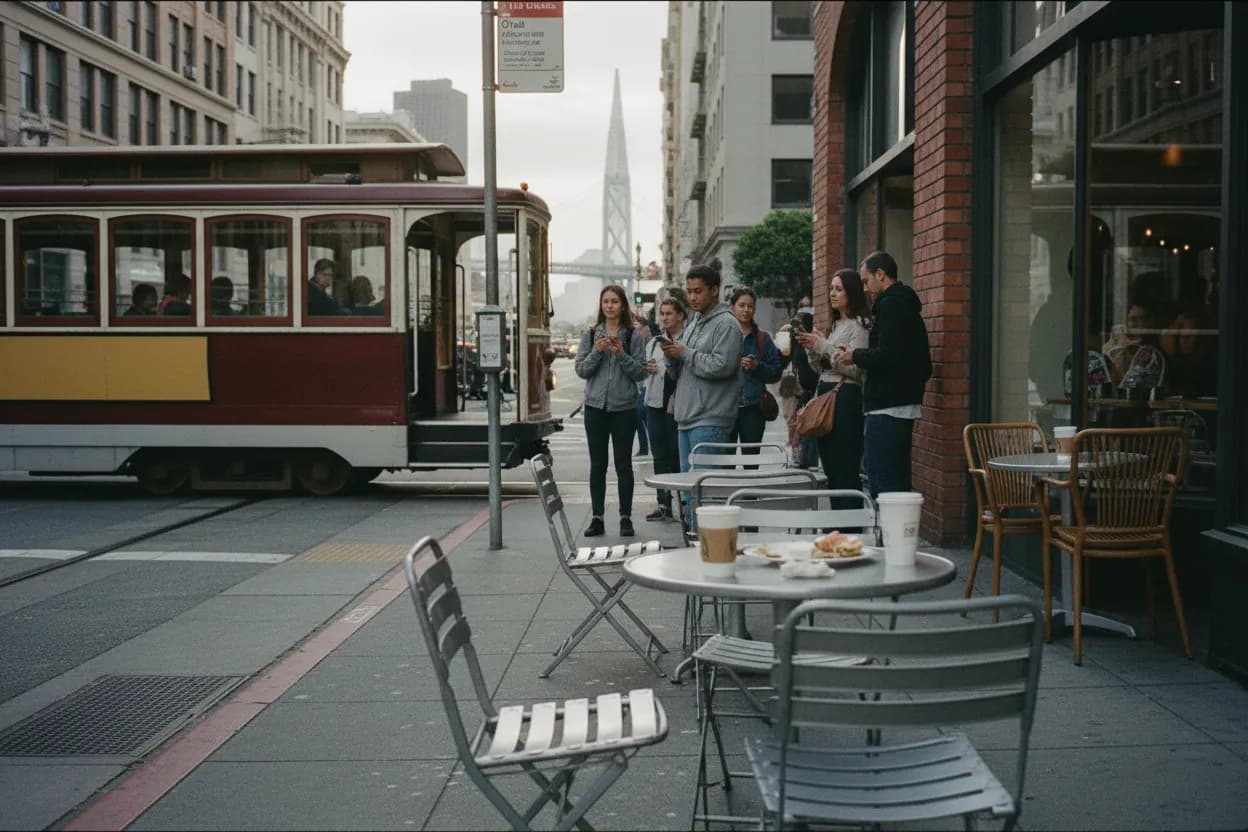
San Francisco groups often fail because the venue does not match the people. A mixed crowd with beginners, kids, or out-of-town visitors needs a simpler location than a group of regulars who know the neighborhood and can tolerate a longer walk. Before naming a meeting point, ask whether the priority is conversation, movement, food nearby, a quiet place to sit, or easy transit.
Use the official SFMTA site as the transportation reality check. Its homepage points riders to a Trip Planner and to ways of getting around by Muni, bike, walk, drive, taxi, and accessibility options. That matters because a plan that looks easy for one neighborhood can be frustrating for someone crossing the city, especially if they are arriving after work or traveling with gear.
Crowd risk is not only about size. It is also about confusion. Multiple meeting corners, unclear pickup points, and “we’ll figure it out” instructions can strand people. Pick one public meeting location, one regroup time, and one decision deadline. If the first choice feels crowded or inaccessible when people arrive, move to the backup rather than negotiating in the street.
Plan equipment seating and transit early
Equipment should be assigned, not assumed. If the plan includes casual play, list exactly what people should bring and what they should not bring. Keep the beginner version light: comfortable shoes, water, sun layer or warm layer depending on the day, and only activity equipment that is allowed at the verified location. If seating matters, tell people whether they should bring portable seating only after checking the location’s rules.
Transit planning should happen before the final reminder, not after everyone is already late. SFMTA publishes transit information, route and stop resources, travel maps and guides, and a Trip Planner. It also posts alerts and travel updates, including examples such as reroutes, service changes, and Muni Metro elevator status. Because these details are time-sensitive, each person should check their own route close to departure.
Build a timing buffer that fits San Francisco rather than an ideal map. Add time for hills, transfers, parking uncertainty if anyone drives, and the possibility that a group member needs an accessible path. If the outing has a first pitch, arrival window, or other time anchor, set the social arrival earlier than the hard deadline and make late arrival easy instead of embarrassing.
Keep beginners from feeling stranded
A sports social should not require insider knowledge. If someone only knows the phrase athletics vs red sox because it appeared in their feed, they should still understand the plan. Avoid shorthand like “same spot as last time” or “near the stop” unless you also provide a clear public meeting point and a backup contact method.
Give beginners roles that do not depend on skill. One person can bring water, another can track transit alerts, another can confirm the backup location, and another can keep the group chat updated. For casual play, explain that participation is optional and that no one has to perform. For spectating, make room for people who are there for the social part rather than the statistics.
Accessibility belongs in the first plan, not the apology afterward. SFMTA lists accessibility among its getting-around resources and posts Muni Metro elevator status. Anyone relying on elevators, shorter walks, or lower-stress transfers should verify those details before leaving and should not be made to chase the group across town if conditions change.
Verify schedules before leaving
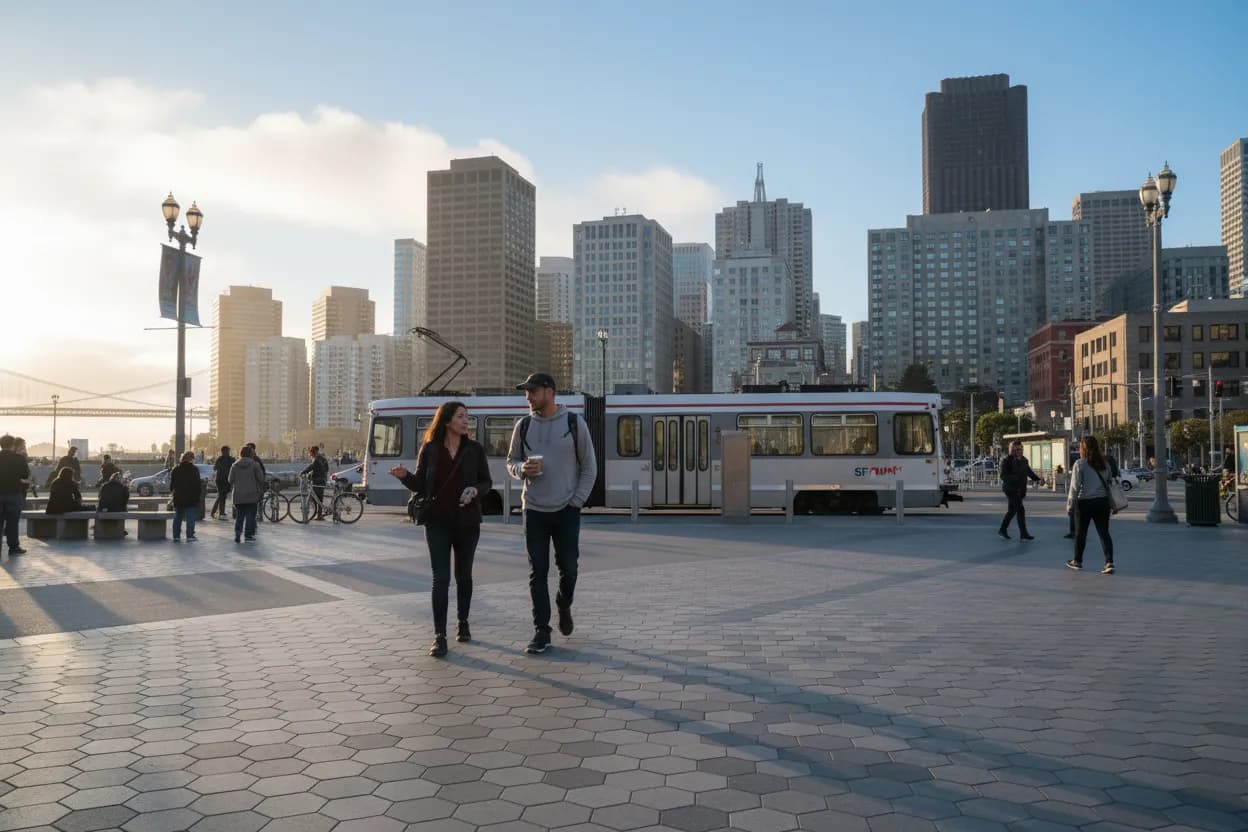
The final check should be boring and specific. Confirm the official sports schedule if the matchup itself matters. Confirm the public location’s current access rules if you are meeting in a park, recreation area, or other managed space. Confirm the route on SFMTA if anyone is taking Muni, biking, walking, driving, or using an accessibility-dependent connection.
Do not treat old screenshots as current information. SFMTA’s homepage shows that alerts, calendar items, service changes, travel updates, and route information can be active and date-specific. That is exactly why a plan made in the morning should be checked again before people leave in the afternoon or evening.
Set one backup choice in advance. It can be a simpler public meet-and-walk plan, a shorter hangout closer to transit, or a postponement if too many key details cannot be verified. The point is not to make the outing fragile; it is to make it honest. San Francisco rewards groups that can pivot without pretending every detail was guaranteed.
Tags: #AskKarpo #BeforeYouGo #SanFrancisco #SportsSocial #BaseballPlan #AthleticsVsRedSox #Muni #SFMTA #TransitCheck #CityPlanning #GameDayMeetup #PublicSpaces #CrowdRisk #BackupPlan
Sources consulted: sftravel.com · sfmta.com · sfrecpark.org
All trademarks are the property of their respective owners.
Ask Karpo first
Ask Karpo first if the plan depends on timing, transit, access, or a group that may split between playing and spectating. Send the neighborhood, preferred window, mobility needs, and backup tolerance, and Karpo can help turn the idea into a verifiable San Francisco plan.