 Dinner Near Me in the Flatiron: Rezdôra's Emilia-Romagna Pastas
Restaurants
At a Back Table on Arthur Avenue, Fresh Pasta and Decades of Regulars
An old-school Italian deli-restaurant in the mid-afternoon lull: hand-cut noodles, hanging provolone, and the quiet rhythm of a neighborhood institution.
The Lull Between Lunch and Dinner
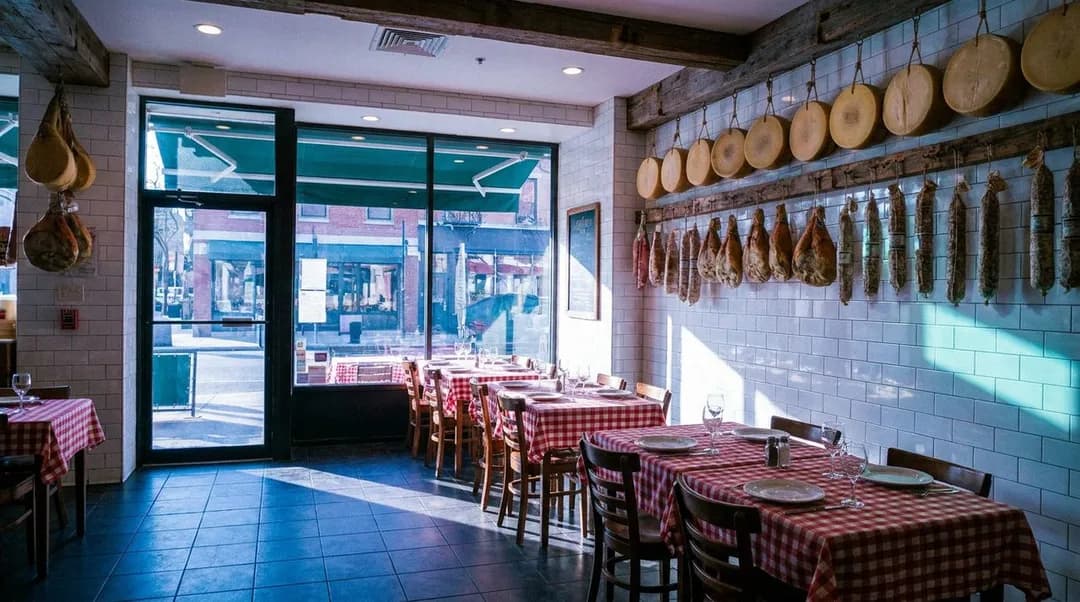
Mid-afternoon on Arthur Avenue and most storefronts have gone quiet. The lunch rush cleared out an hour ago. Dinner prep hasn't started in earnest yet. Inside one of the deli-restaurants that's been here longer than the parking meters, a few tables stay occupied. The air smells like garlic, dried oregano, and the faint tang of aged cheese. Hanging salamis cast shadows across the tile floor. Someone's grandmother sits near the window with an espresso and a newspaper. The pasta machine in the back corner keeps running.
Provolone the Size of Medicine Balls
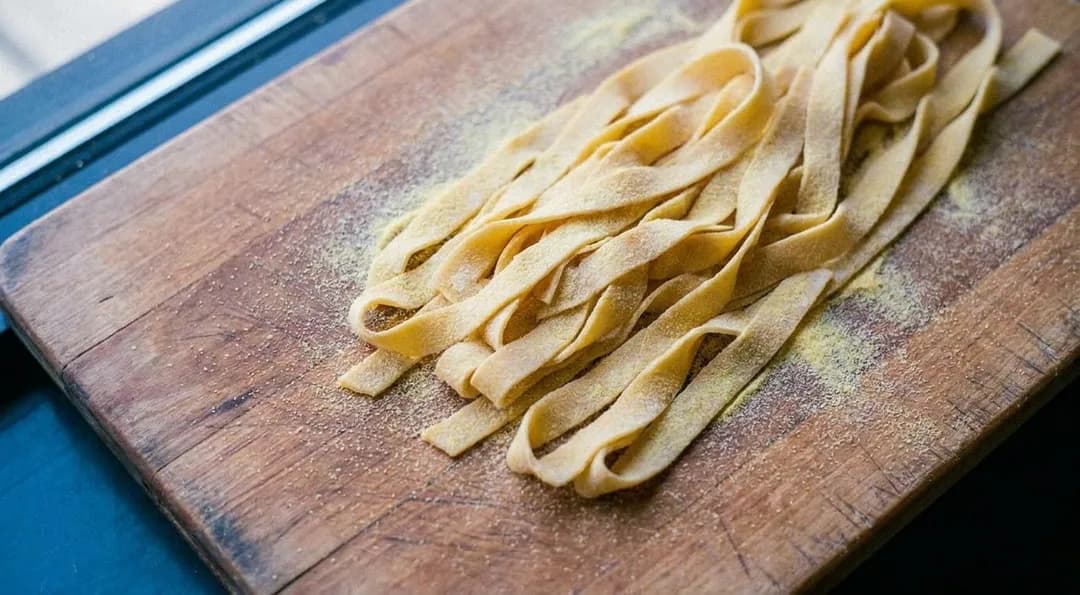
The front half of the space functions as a deli counter and provisions shop. Wheels of provolone dangle from ceiling hooks on thick twine, some as large as basketballs, their waxy rinds darkened with age. Cans of San Marzano tomatoes stack six feet high against one wall. Olive oil in gallon tins. Dried pasta in shapes that haven't been trendy since the Eisenhower administration. The glass case runs the length of the room: mortadella, capicola, soppressata, fresh mozzarella floating in cloudy brine. A man in a white apron slices prosciutto on a hand-crank slicer that looks older than the building's wiring. The rhythm of the blade creates a metronome for the whole operation. Regulars come in, point at what they want, exchange a few words in dialect, leave with white butcher paper parcels tucked under their arms. The transaction takes less than three minutes. No one consults a menu board.
Tables in the Back, Checked Cloth and All
Past the deli counter, through a narrow aisle flanked by shelves of jarred peppers and anchovies, the restaurant section opens up. Eight or nine tables, red-and-white checked cloths, mismatched wooden chairs. The walls carry framed photographs from the neighborhood's earlier decades—street festivals, confirmation portraits, a black-and-white shot of the original storefront with different signage. Fluorescent lights hum overhead but the natural light from the front windows does most of the work. At this hour, the tables fill slowly. A couple shares a carafe of house red. Two men in work jackets sit with bowls of pasta fazool, speaking low and steady. The woman who seems to run the dining room moves between tables without hurry, refilling water glasses, clearing plates, exchanging updates about someone's daughter in medical school.
Hand-Cut Ribbons Still Warm from the Machine
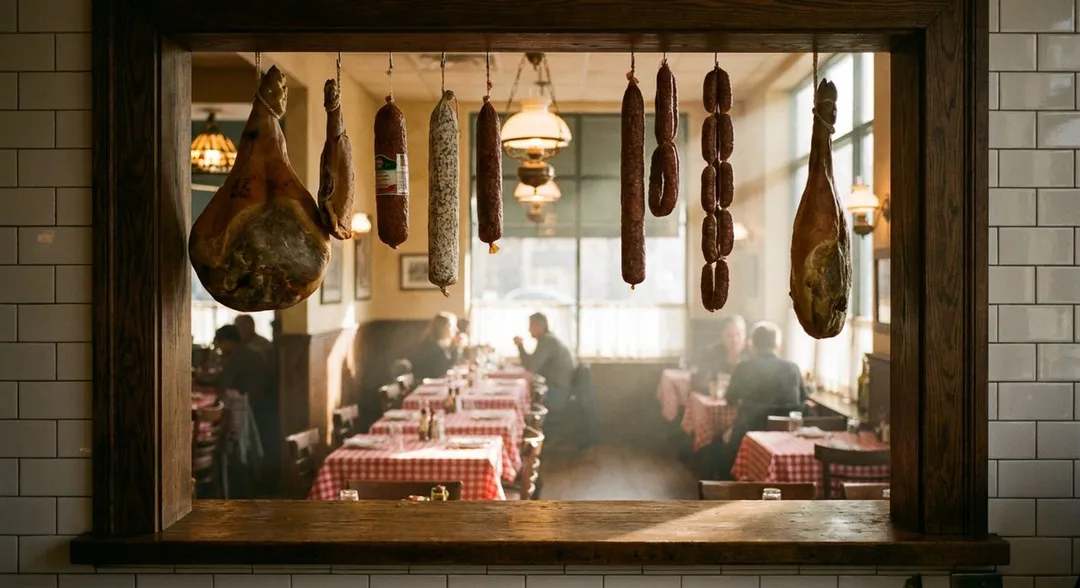
The pasta here gets made in a back corner visible from certain tables. A stainless steel machine, industrial but not modern, extrudes thick ribbons of dough. Someone feeds sheets through the rollers, adjusts the width, catches the strands as they fall. The noodles hang on wooden dowels to dry slightly before they hit boiling water. Fettuccine, pappardelle, tagliatelle—the wider cuts that hold sauce in their folds. The dough smells faintly sweet, almost nutty. Flour dusts the apron of whoever's working the machine. When an order comes in, the cook grabs a bundle, drops it into a pot, waits maybe ninety seconds. The texture lands somewhere between fresh and dried—toothsome, substantial, with enough chew to feel handmade. Sauces skew traditional: Sunday gravy with braciole, carbonara that's just egg and guanciale and black pepper, aglio e olio for anyone who asks. No cream, no fusion experiments, no menu items named after Instagram trends.
The Regulars Who Never Left the Neighborhood
Certain faces show up at the same hour every week. The retired postal worker who takes the corner table near the kitchen and reads La Gazzetta dello Sport cover to cover. The woman who brings her own Tupperware and orders a quart of marinara to go, always adding a half-pound of ricotta at the counter. The guy who arrives right when the doors open, orders veal parm, eats half, wraps the rest, leaves a ten-dollar bill under his plate. These aren't performances or quirks—just the cadence of people who've been coming here long enough that the staff knows their orders before they sit down. Conversations happen in a mix of English and Italian, sometimes switching mid-sentence depending on the subject. The rhythm feels familial, not transactional. Newcomers get polite service but the warmth reserves itself for those who've earned it through years of showing up.
What Happens When the Espresso Machine Hisses
After the meal, the espresso. The machine sits behind the counter, chrome and brass, perpetually warm. The bartender pulls shots into small white cups, no saucers, sometimes with a twist of lemon peel on the side. Sugar comes in rough cubes, not packets. The espresso tastes strong enough to reset the afternoon—dark, slightly bitter, with a thin crema that dissipates fast. Some people drink it standing at the counter, toss back the shot in one go, leave a dollar, walk out. Others take it to their table and nurse it over ten minutes of conversation. A few pair it with a wedge of sfogliatelle or a slice of ricotta pie, both kept under glass domes near the register. The pastries come from another shop a few blocks over, delivered early each morning, gone by evening. No one lingers long after the espresso. The table turns over quietly. The next group settles in.
Practical Notes
The restaurant operates most days from late morning through early evening, closing in that gap between lunch and dinner when the neighborhood itself seems to pause. Public transit via the Metro-North to Fordham station puts the area within a short walk. Street parking exists but requires patience and a willingness to circle. No reservations, no waitlist—just arrive and claim a table if one's open. Cash remains preferred though cards get accepted without fuss. The deli counter moves faster than the dining room, so anyone pressed for time can grab provisions and go. Prices stay reasonable, the kind of place where a full meal with wine lands well under what Manhattan charges for a single appetizer.
Tags: #PullUpAChair #ArthurAvenue #BronxEats #ItalianAmerican #NeighborhoodInstitution #FreshPasta #OldSchoolDining #DeliCulture #NewYorkFood #LittleItaly #HiddenGemNYC #AuthenticItalian #LocalsOnly #BronxBorn #RedSauceJoint
Sources consulted: eater.com · timeout.com · infatuation.com
All trademarks are the property of their respective owners.
Ask Karpo first
Want to know when the pasta's freshest, which table the regulars prefer, and what to order if there's no written menu?
Ask Karpo for the best mid-afternoon timing, where to sit for the kitchen view, what the regulars actually eat, and a live route around Arthur Avenue before you head out.
Ask Karpo for more information.
Keep reading
- Dinner Near Me in the Flatiron: Rezdôra's Emilia-Romagna Pastas
 Lunch Near Me on the Lower East Side: Katz's Hand-Carved Pastrami
 Pizza Near Me in Carroll Gardens: Lucali Is Cash-Only and BYOB