You arrive at 5:30 PM, when the light through the front windows still cuts clean across the bar top and the stools haven't yet filled with the post-work crowd that'll pack this place shoulder-to-shoulder by the seventh inning. This East Village spot—tucked on a side street between Avenue A and First Avenue—runs baseball like a religion, and if you know the rhythm, you can eat well, catch the game's best moments, and slip out before the volume crosses from conversational into pure roar.
The Golden Hour Is Actually Golden Here
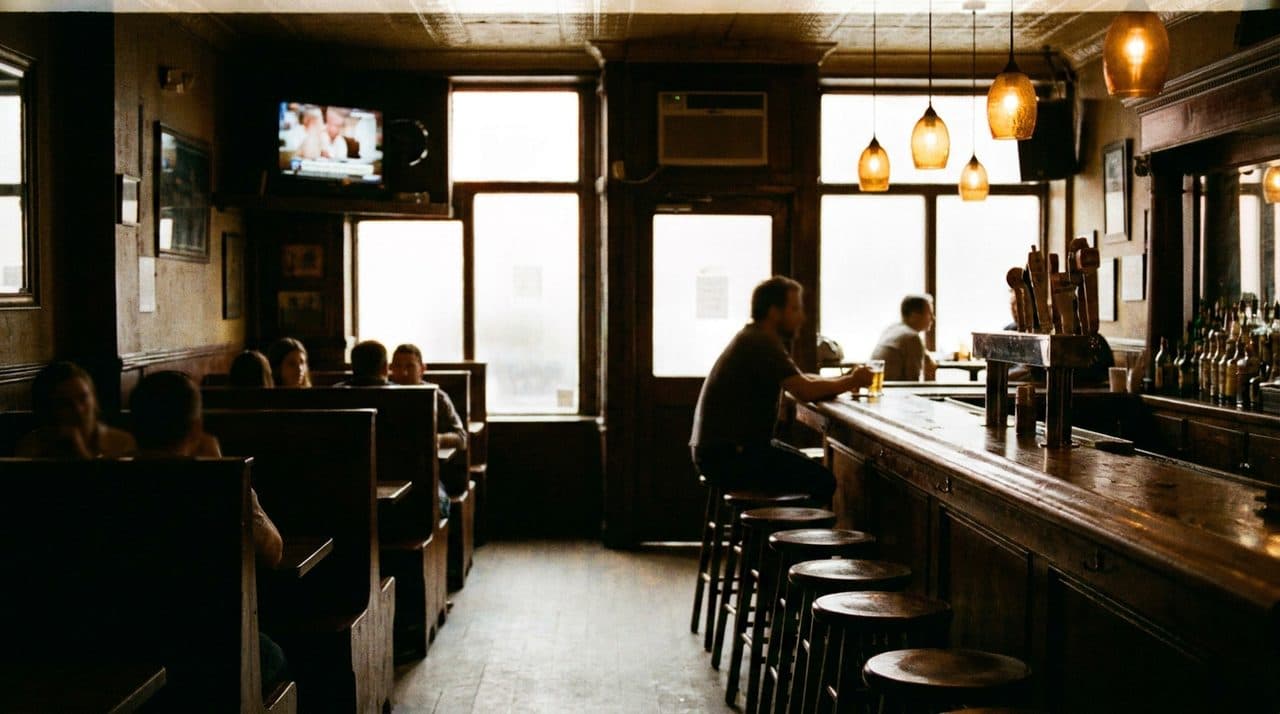
Walk in during that soft pre-game window and you'll notice the bartender's still wiping down the taps with the kind of unhurried attention that disappears once the orders start stacking. The wood-paneled walls catch the late daylight in a way that makes the whole room feel warmer than it actually is—the AC's already cranking, anticipating the body heat to come. A handful of regulars claim their usual spots, the ones who've been doing this long enough to know that arriving early means you actually get to taste your food instead of wolfing it down standing. The TVs are on but muted, closed captioning scrolling underneath highlights from last night's West Coast games. Someone's playing old Steely Dan from the kitchen speaker, and it'll be the last time you hear music clearly for the next three hours.
Order Before First Pitch or You're Waiting Until the Third
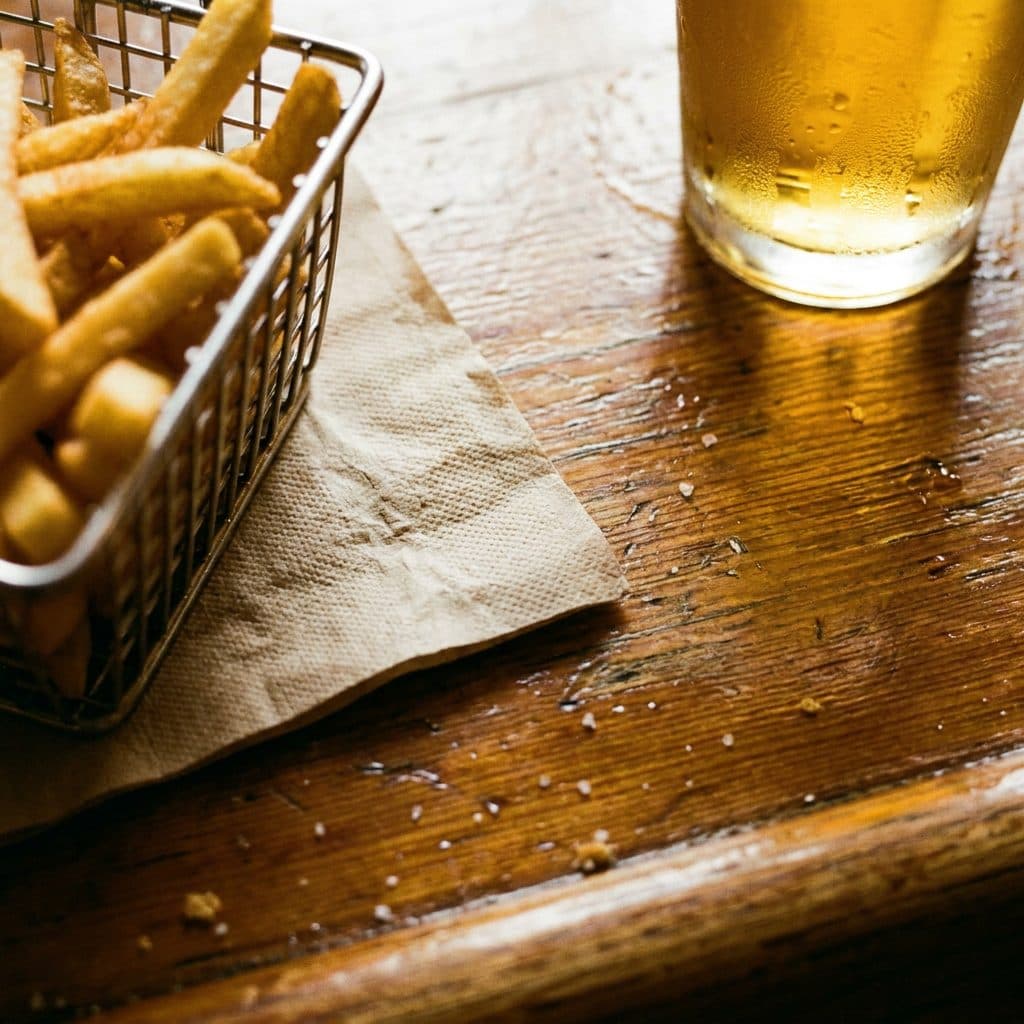
The kitchen here moves fast early, then gets slammed the second the national anthem wraps. You want the burger—thick, messy, arrives on wax paper with a pile of fries that's somehow both crispy and grease-soaked in the best way. The hot wings come out actually hot, the kind that makes you reach for your beer before you've finished chewing, tossed in a sauce that's more vinegar-forward than sweet. Skip anything that requires a fork and knife; by the second inning the tables are too crowded to manage silverware with any dignity. The kitchen's visible from most seats, and you'll watch the line cook work with the efficiency of someone who knows exactly how many orders are about to drop. That sizzle and smoke smell—charred beef, fried batter, something vaguely spicy—starts filling the room around six, mixing with the beer-and-wood-polish baseline scent that never quite leaves.
The Crowd Arrives in Waves You Can Set Your Watch To
First wave hits around six-fifteen: the finance bros still in button-downs, ties loosened, who order whiskey and don't look at the menu. Second wave's the neighborhood regulars, arriving solo or in pairs, claiming their sections with the territorial confidence of people who've been coming here for years. By six-forty-five the bridge-and-tunnel crowd starts filtering in, louder, wearing jerseys, here because someone told them this was the place. You'll feel the room's energy shift as the game starts—voices rise half a decibel, everyone angles toward the screens, and suddenly you're part of something communal without having said a word to anyone. The bartenders start moving in double-time, pulling beers three at a time, and the background hum of conversation sharpens into focused commentary, groans, scattered cheering.
The Seventh Inning Is Your Exit Cue
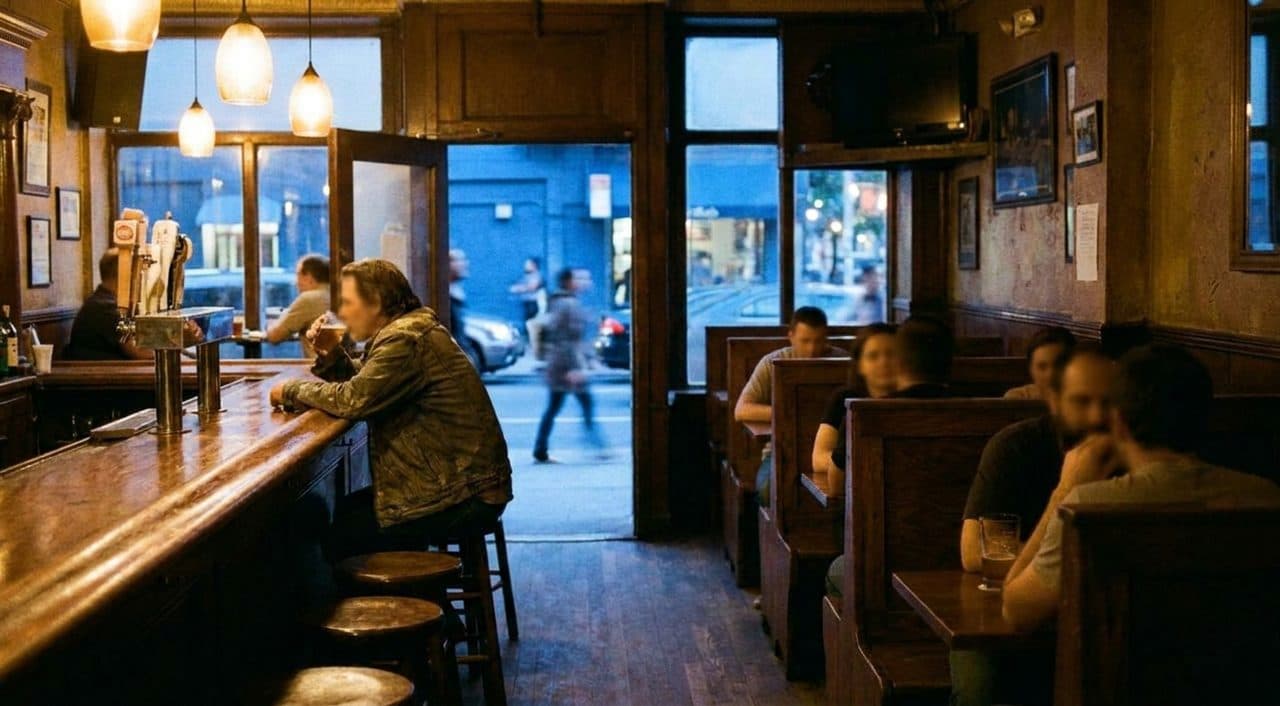
Stay past the seventh and you're committed to the full experience: standing room only, shouting to be heard, that particular brand of late-game chaos where someone's definitely spilling a drink on you. But leave during the stretch and you're still part of the good version—you caught the game's shape, saw whether the pitching would hold, got your fill of the atmosphere without surrendering your hearing. The bathroom line's manageable before the eighth. You can still catch the bartender's eye to close out. The street outside feels almost quiet by comparison, even with East Village foot traffic, and you'll hear the muffled roar from inside when something big happens, a reminder that you timed it exactly right. The twilight's settled into proper evening by now, and the neighborhood's transitioned into its night mode: restaurant patios filling, groups deciding where to go next, that particular energy of a Thursday that feels like Friday.
Why This Place and Not the Twenty Others
The TVs here are positioned so you can actually see from anywhere—no weird neck-craning, no pillars blocking your sight line. The beer list runs deep on local drafts without getting precious about it, and everything's served cold enough that condensation drips down the glass within seconds. But the real reason is the staff's fluency with the sport itself. They're not just pouring drinks during a game; they're watching, reacting, occasionally offering commentary that's actually informed. You'll overhear the kind of baseball talk that assumes knowledge—pitch counts, bullpen decisions, the specific weakness of a reliever who just walked on. It's a room that respects the game's pace, understands that baseball's rhythm allows for conversation and eating in a way football doesn't. The crowd here came to watch, not just to be out.
What the Late Shift Becomes
If you're curious—or if you've mistimed it—the late cheap seats version of this place is its own animal. By the ninth inning, every stool's taken, people are three-deep at the bar, and the volume's reached that level where you're reading lips more than hearing words. The floor gets sticky. Someone's definitely arguing about a call. The energy's more fratty, less focused, and while there's something fun about that collective intensity, it's not the version where you're actually experiencing the game. The staff shifts into pure survival mode, and the kitchen's probably stopped taking orders for anything that isn't fried and fast. You'll wait fifteen minutes to close out, and leaving requires strategic navigation through bodies and backpacks. It's not bad, exactly—just a completely different night than the one you get if you arrive when the light's still good.
Practical Notes
The place opens mid-afternoon on game days, earlier on weekends. Getting here before six on a weeknight gives you the pick of seats; weekends require showing up even earlier if there's a marquee matchup. No reservations, cash and card both work, and the crowd skews mid-twenties to early forties. Nearest subway stop is a short walk—First Avenue's your landmark. If you're coming with more than three people, someone's standing. The bar has maybe fifteen stools, a dozen tables, and standing room that expands or contracts based on fire code interpretation. Expect to spend less than you would at a sit-down restaurant but more than a dive. They'll have the game audio on for crucial moments, but mostly it's the crowd providing the soundtrack.
Tags: #EastVillageNYC #BaseballBars #RightOnTime #SportsBarStrategy #NewYorkBaseball #PreGameRituals #EastVillageBars #NYCNightlife #BaseballSeason #LocalsGuide #TimingIsEverything #NeighborhoodBar #NYCEats #GameDayPlanning #ManhattanBars
Sources consulted: timeout.com · secretnyc.co · thrillist.com
Please drink responsibly. Must be of legal drinking age.
All trademarks are the property of their respective owners.