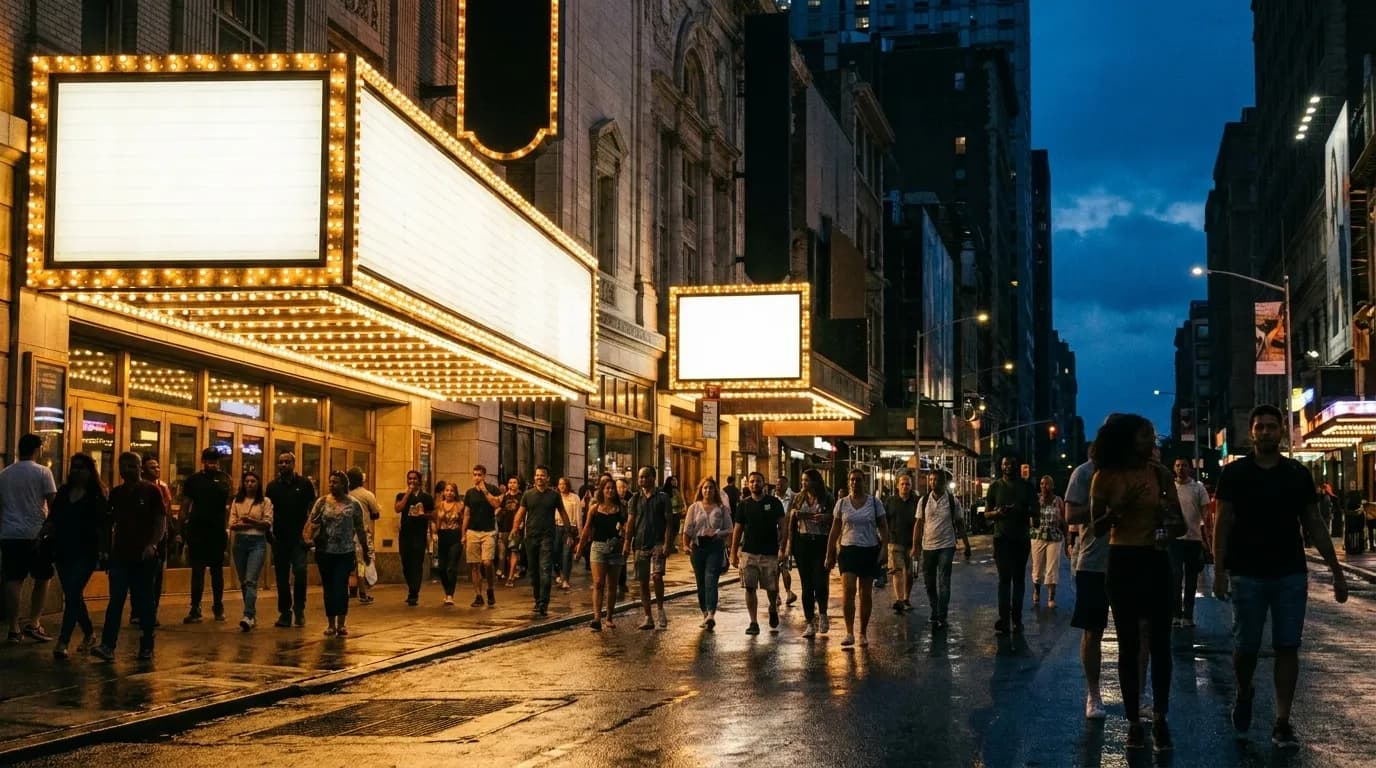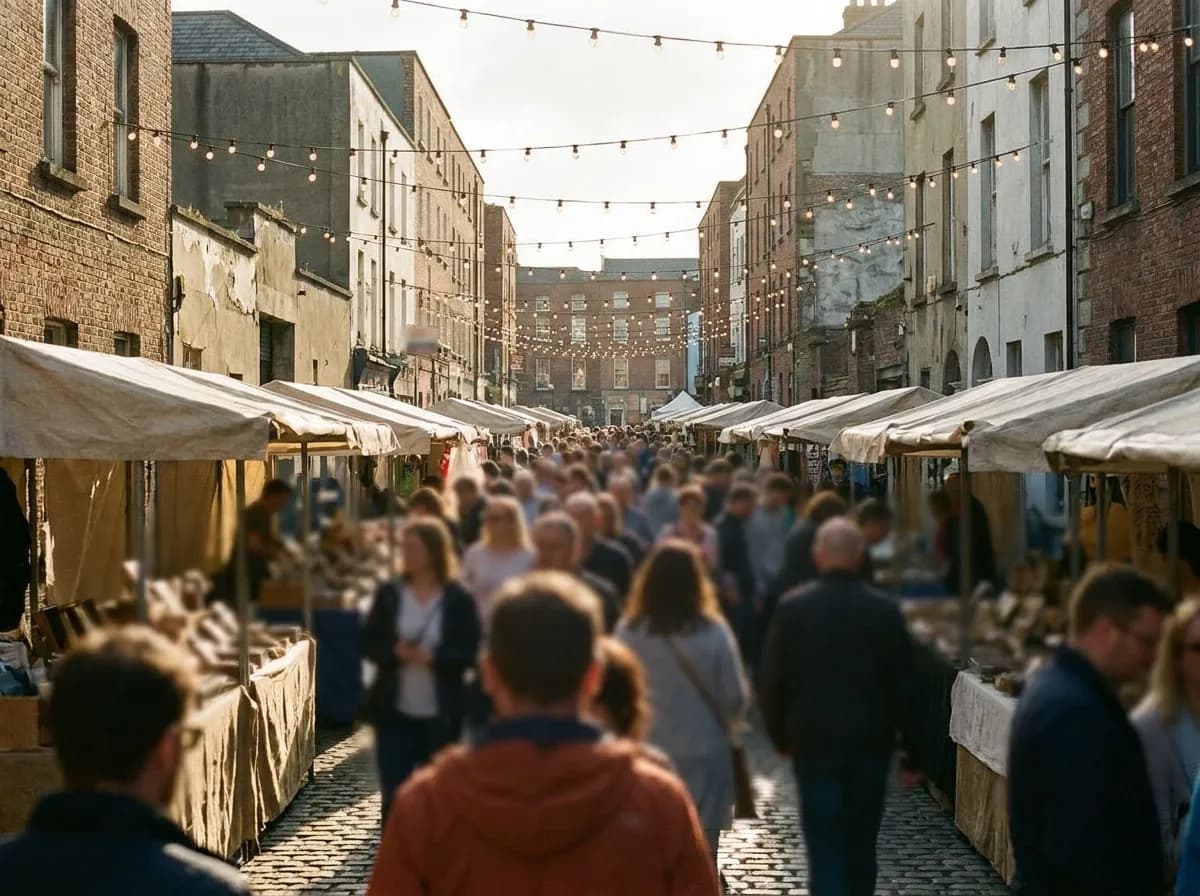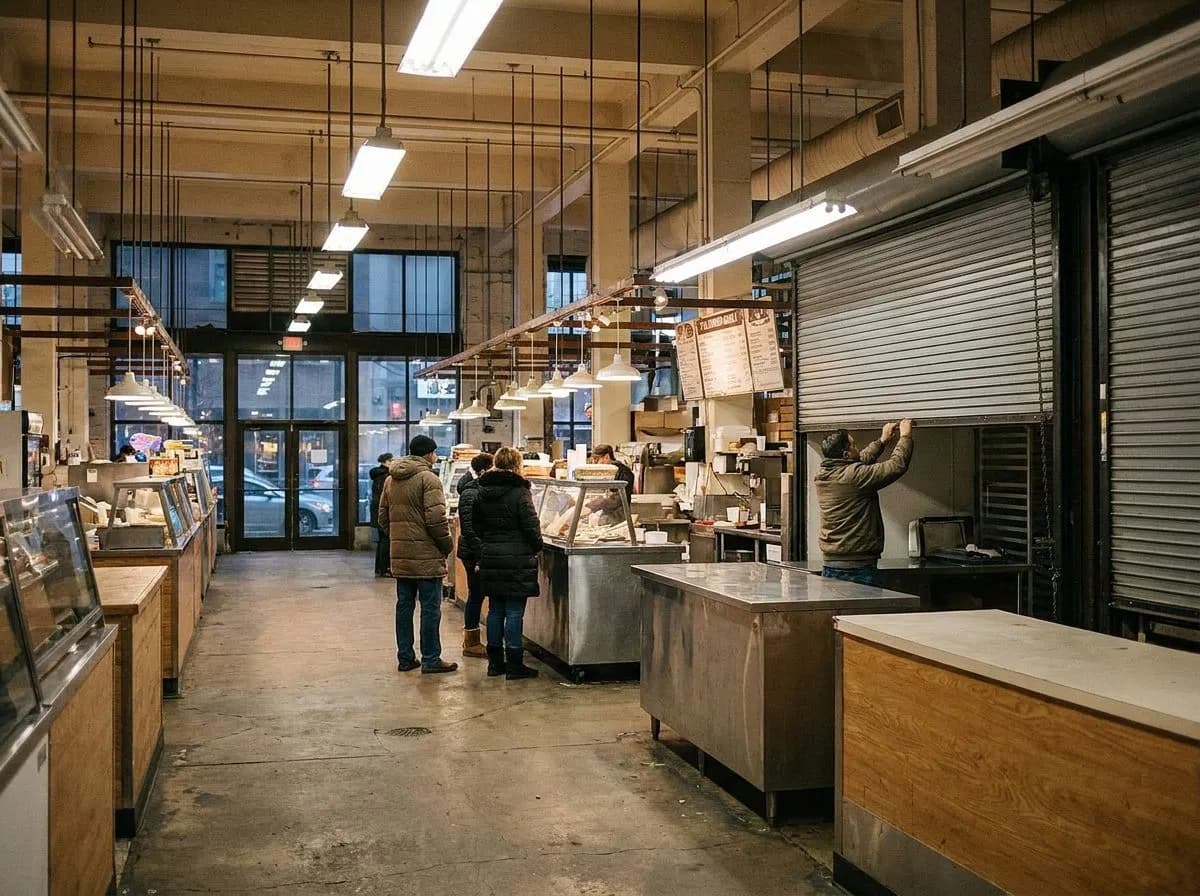
By half past four on a weekday afternoon, Arthur Avenue Retail Market begins its slow exhale. The lunch rush—tourists clutching cannoli bags, office workers grabbing sandwiches—has ebbed. What remains is something closer to the market's original cadence: stallholders wiping down marble counters, a produce vendor stacking crates, the scent of Parmesan and cured salami mingling with the faint metallic tang of hosed-down floors. This is when the market stops performing for the crowd and returns to its role as neighborhood commissary, when the people behind the glass cases have time to look up, and when showing up with a canvas tote and genuine curiosity earns you something the guidebooks miss.
Updated August 2026: hours, prices, reservations, event dates, transit details, and venue policies can change. Use the linked official venue, city, or operator sources in the Sources section as the final reference before you go.
The Staggered Shutdown
Official hours should be confirmed before visiting, but the market's interior clock runs on a different standard. Walk through around five-fifteen and you'll notice the rhythm has already shifted. Produce vendors near the entrance begin stacking wooden flats of escarole and fennel, their awnings half-retracted. The flower stall dims its overhead spots. These are the early packers, the ones with fresh inventory that won't survive another night under refrigeration or simply long-timers who know the final forty-five minutes rarely justify staying open.
Meanwhile, Mike's Deli and the meat counters hold firm, lights bright, slicers still humming. They'll stay closer to five forty-five, sometimes past, because their regulars know to arrive late. There's an unspoken taxonomy here: perishable greens close first, durable salumi and aged cheeses last. The market has always operated on relationships more than posted hours, and the closing sequence is just another expression of that.
Generous Portions and Quiet Deals
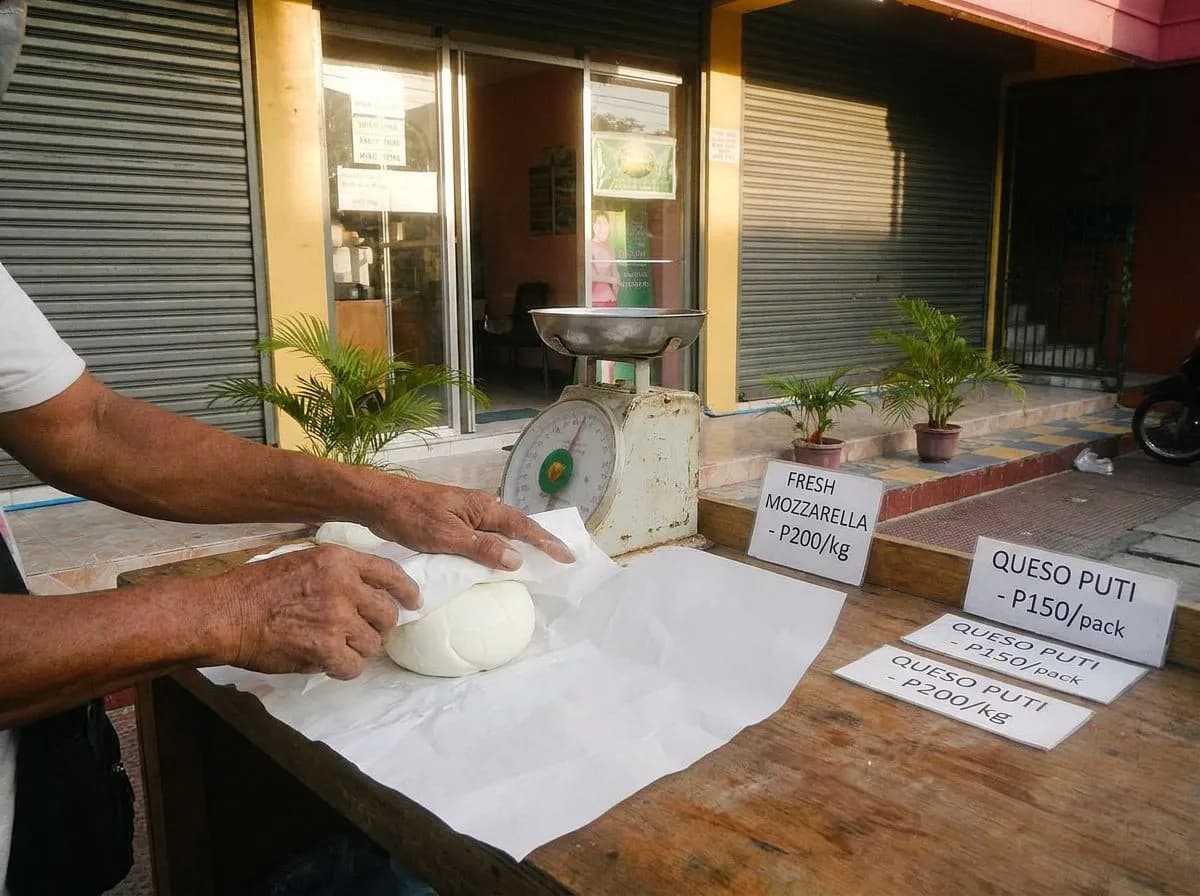
The fresh pasta and cheese counters become subtly more generous in the final forty-five minutes. It's not advertised—no signs, no shouting—but the woman behind the mozzarella case might cut you a half-pound ball that weighs closer to ten ounces, or the ricotta scoop lands a little heavier in the container. The logic is practical: better to send product home with a customer than manage overnight storage. A vendor once explained it as "good business and less work," which is about as sentimental as the math gets.
This is also when prices float, gently. A tray of house-made ravioli might drop a couple dollars if you're buying for tonight's dinner. The prosciutto ends—too small to display tomorrow but too good to toss—get offered at a discount to anyone paying attention. It requires a light touch: you don't haggle, you just make eye contact and ask what's good today. The answer will tell you everything.
The Regulars and Tomorrow's Order
By five-thirty, the market's social architecture reveals itself. A man in paint-speckled jeans leans against the salumeria counter, not buying, just catching up. A woman in hospital scrubs stops at the pasta stall to arrange a pickup for Friday. These aren't tourists extending a day trip; they're neighbors folding the market into the cadence of the week. The vendors remember names, ask after family, keep mental notes about who likes the fennel sausage hot versus mild.
This hour also belongs to the restaurant buyers from the surrounding blocks, though they're less visible than the morning wholesale crowd. A chef might slip in for emergency parsley or a quart of stock base, moving quickly, nodding to the vendors who've supplied their kitchens for years. It's a reminder that Arthur Avenue's ecosystem extends beyond the market's brick walls, threading through the trattorias and red-sauce institutions that still anchor this stretch of the Bronx.
Atmosphere: Tile Floors and Overhead Fans
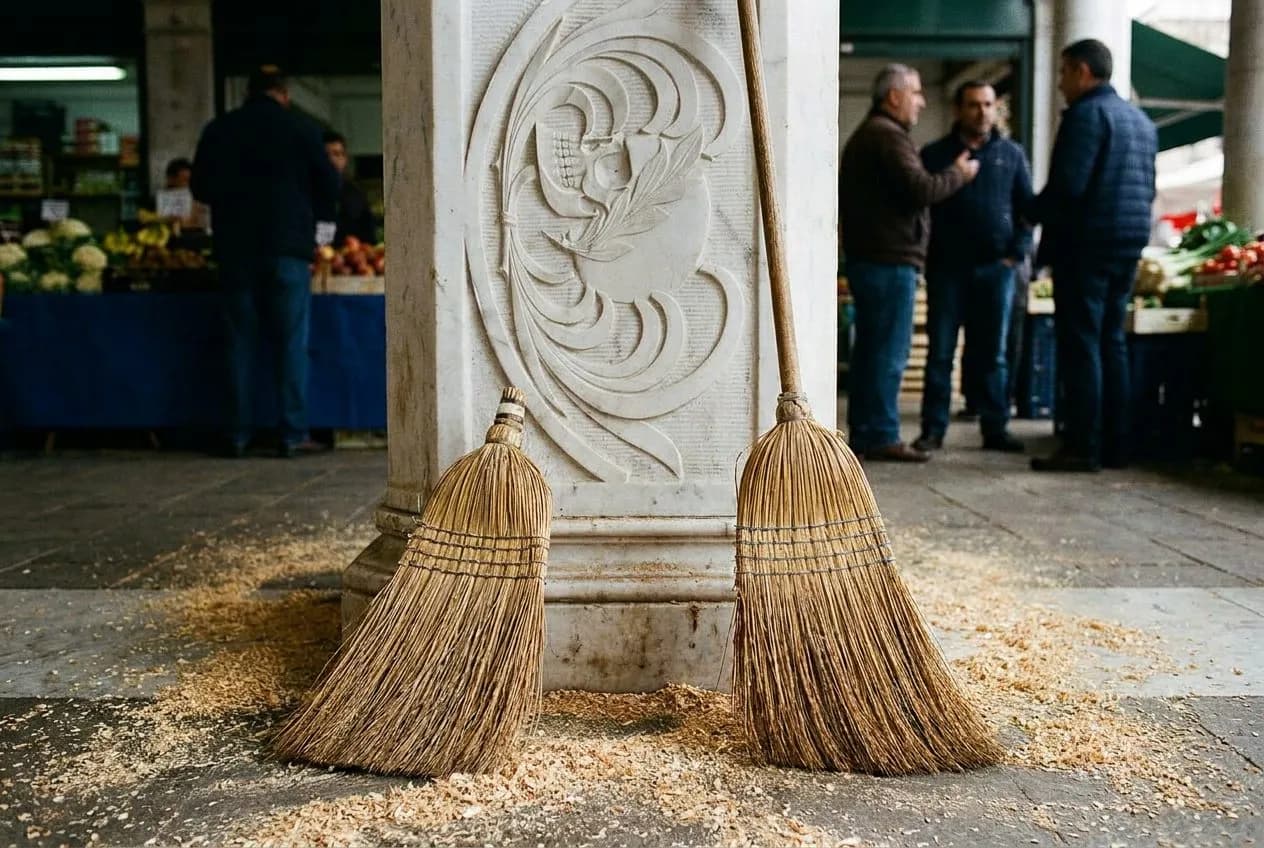
The acoustics change when the crowd thins. Footsteps on the white tile echo a little longer. The overhead fans—old, industrial, barely noticed at noon—become audible again, their blades ticking a steady rhythm. Someone starts sweeping near the back entrance, the bristles scraping in long, methodic strokes. There's a particular quality of late-afternoon light that slants through the high windows this time of day, softening the fluorescents, catching the dust motes above the cheese wheels.
It's not picturesque in the styled, Instagrammable sense. The market is too worn in for that—scuffed counters, patched floor tiles, hand-lettered price signs gone slightly crooked. But there's a lived-in authenticity here that the city's sleeker food halls can't replicate, a sense that this space has been doing the same essential work for decades and will continue long after the current wave of nyc restaurants fades from the algorithm.
Why the Last Hour Matters
Arriving at closing time is, admittedly, a gamble. Some stalls will have already packed their best inventory. The bread might be down to half a dozen loaves. But what you gain is access—to the vendors' attention, to their willingness to talk about where the porcini came from or how long to age that provolone. You're no longer one of fifty customers in an hour; you're the person they're happy to spend five minutes with because the rush is over and the conversation is part of why they're still here.
This is when the market's neighborhood heart shows. Not in the transactions themselves—those are efficient, practiced—but in the pauses between them. The vendor who tells you to come back Tuesday when the fresh sausage arrives. The offhand mention that his grandfather ran this counter in 1957. The way the whole place feels less like a curated destination and more like a commissary that happens to welcome strangers who show up with respect and a willingness to carry their own bags.
Late 2026 and Holding Steady
Arthur Avenue Retail Market continues to resist the forces that have gentrified or hollowed out so many of the city's old-guard food markets. There's been talk—there's always talk—of development pressure, lease uncertainty, vendor retirements without succession plans. But for now, the market still operates on its own logic, still closes down each evening in the same staggered, unhurried fashion it has for generations.
Which makes the closing hour a kind of daily reassurance. The doors will lock at six, the vendors will go home, and tomorrow the whole cycle will begin again: the morning deliveries, the lunchtime surge, the late-afternoon slowdown when the light slants just so and the tile floors start to gleam under the mop. If you want to understand why this place has lasted, show up at four-thirty and watch it wind down. The market doesn't need an audience to be itself.
Practical Notes
Arthur Avenue Retail Market is located at 2344 Arthur Avenue in the Belmont neighborhood of the Bronx. The nearest subway is the D train to Fordham Road (about a ten-minute walk) or the B/D to Fordham Road or nearby Bronx stations. Street parking is generally available on surrounding blocks. Official hours are weekdays until 6:00 p.m., though many vendors begin packing by 5:15 p.m.; confirm current schedule before planning a late visit. The market floor is level and accessible. Bring cash for some stalls, though most now accept cards. Reusable bags recommended.
Tags: #ArthurAvenue #RightOnTime #NYCMarkets #TheBronx #ItalianMarket #ClosingTime #BelmontNYC #LocalFood #MarketCulture #NYCFood #NeighborhoodGems #AuthenticNYC #FallInNYC #2026Travel #CityLife
Sources consulted: Arthur Avenue (Wikipedia) · Belmont neighborhood · Official Bronx Borough Site · NYC Tourism The Bronx · MTA Transit Information · Arthur Avenue Retail Market official hours · NYC Public Markets Arthur Avenue Market
All trademarks are the property of their respective owners.