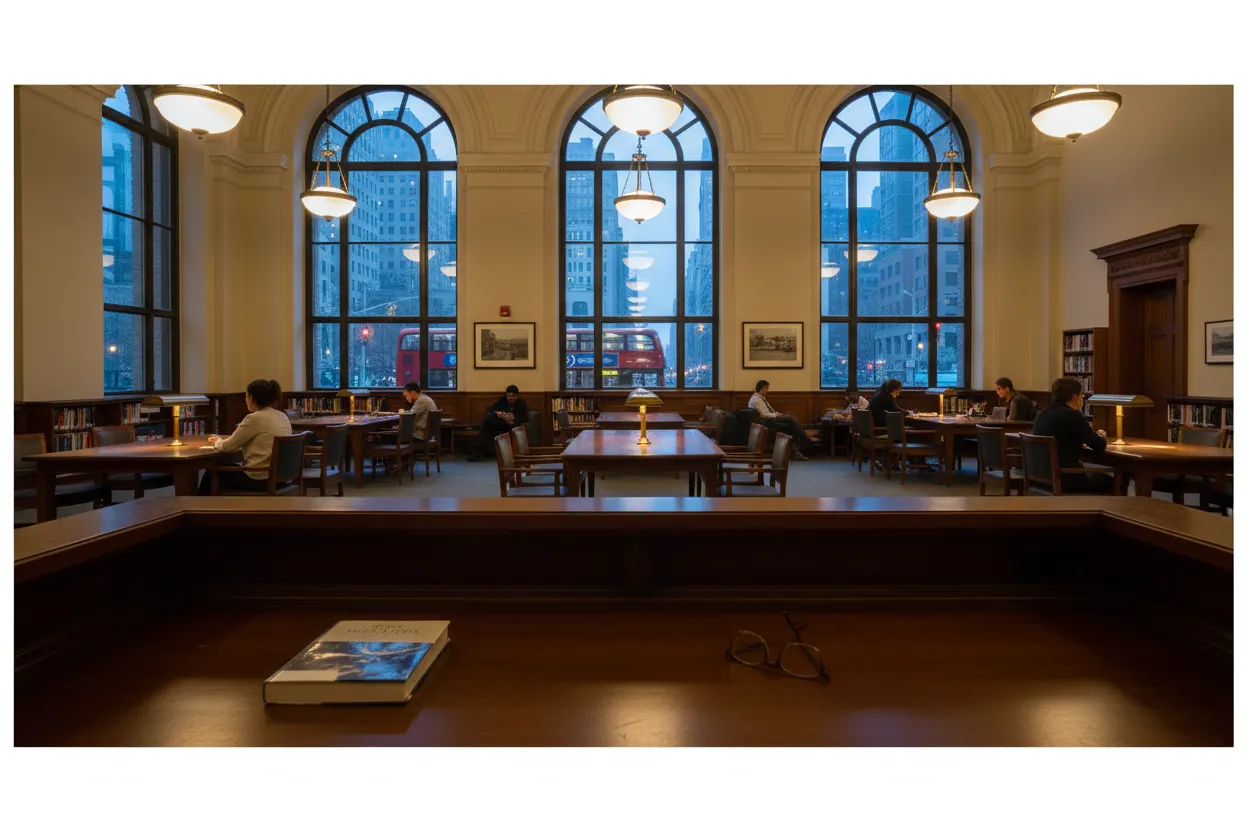
The locked headline, “arizona diamondbacks: A Quieter NYC Culture Route,” is not a promise that the team is appearing in New York, partnering with a venue, or unlocking some private baseball-adjacent door. Treat arizona diamondbacks as the timely search hook, then use it as a reason to build a better public NYC day: one that favors archives, borough culture, and odd corners over noisy certainty. On Wednesday, August 12, 2026, the practical move is to check official NYC Tourism pages first, then verify each stop’s current entry details before leaving. The city’s own visitor materials point toward five-borough culture, budget activities, museums and galleries, walking tours, LGBTQ+ landmarks, Harlem arts institutions, and the Lesbian Herstory Archives—enough for a real route without pretending there is a special event.
Want a quieter NYC culture plan checked before you go? Text Karpo with your borough, time window, and backup needs, and ask for a verification-first route.

Use the headline to open a more curious detour
Start by separating the search phrase from the city plan. A phrase like arizona diamondbacks may be why someone clicks, but it should not be used to imply a local appearance, a guaranteed event, or an endorsement. The smarter NYC use is thematic: baseball makes people think about city identity, old neighborhoods, public rituals, and the difference between spectacle and everyday culture.
NYC Tourism’s own site already frames the city as a place of constant sights, attractions, activities, and borough-level discovery. It also includes an “NYC Baseball 101” article, which is useful as a broad sports doorway, not as proof of any specific team-related happening. If you want the quieter route, skip the assumption that a headline equals an event and let the search lead you toward public cultural stops that can be verified.
A workable plan for today: choose one primary odd-find cultural stop, pair it with one lower-pressure backup, and leave enough time between them to account for transit uncertainty, entry rules, and crowd conditions. Do not build the day around rumors, resale chatter, or screenshots. Build it around official pages you can open before you leave.
Choose a place with a real point of view
For a hidden-gems-and-odd-finds angle, prioritize places that have a clear cultural reason to exist. NYC Tourism highlights “A Look Inside The Lesbian Herstory Archives,” describing it as a 50-year-old Brooklyn institution that works to preserve lesbian history. That is a stronger anchor than a vague “cool neighborhood” recommendation because the stop has a specific point of view: preservation, memory, and community history.
If Brooklyn is not the right fit for your timing, use NYC Tourism’s other cultural pathways as a filter rather than a checklist. Its “Curated In Harlem” itinerary points readers toward 10 arts institutions and cultural centers in Uptown Manhattan’s historic neighborhood. Its LGBTQ+ Landmarks itinerary notes that the Stonewall Inn is one of many historic LGBTQ+ spots in NYC tied to the modern gay rights movement. These are public-facing cultural frames, not secret access claims.
Keep the route modest. One serious archive or landmark area plus one secondary stop is more realistic than trying to cross three boroughs for the sake of variety. NYC’s five boroughs each function like smaller cities within the larger city, according to NYC Tourism’s borough guide, so moving between them can change the whole texture of the day.
Look for materials archives or hands-on details
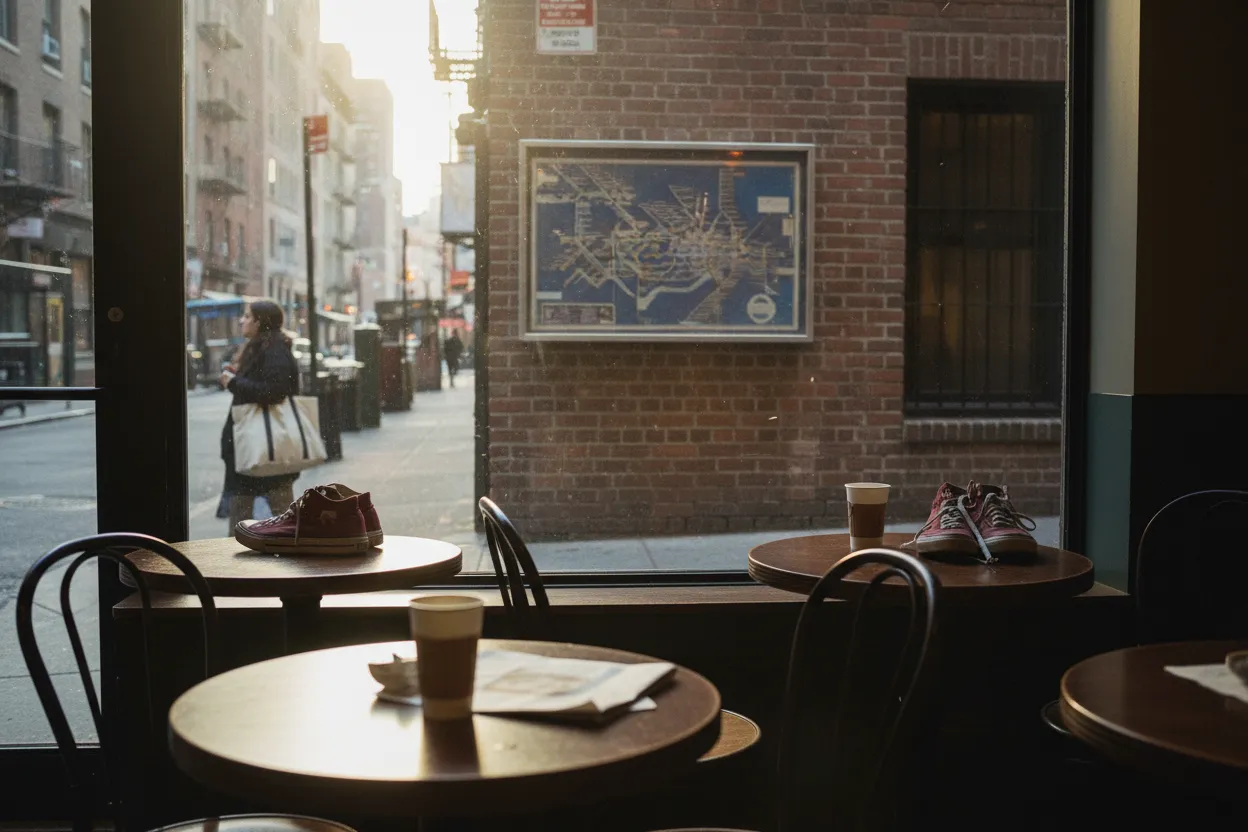
The best odd-find stops often reward slow looking: photographs, community records, neighborhood institutions, and the kind of material culture that does not shout from a billboard. NYC Tourism’s feature on the Lesbian Herstory Archives is especially relevant because it identifies the institution through preservation and history, not spectacle. Before going, verify the current visitor information directly on the official page connected to the institution or the listing you plan to use.
A materials-first route also pairs well with NYC’s broader culture categories. NYC Tourism lists Museums & Galleries, Tours & Attractions, Shopping, Nightlife, Broadway & Performing Arts, and Events & Festivals under things to do. For this plan, choose the quieter categories first: museums, galleries, budget cultural activities, neighborhood history, or walking-tour-style exploration. Avoid assuming every listing is open, free, or walk-in friendly on the day you want to visit.
If you are tempted to make the arizona diamondbacks search hook literal, pause. The article’s value is not in forcing a baseball connection. It is in using a noisy phrase to choose a more deliberate NYC day: one archived story, one neighborhood frame, one verified route, and one backup.
Pair the odd stop with a calmer second option
Your backup should be close in spirit even if it is not next door. If the primary stop is an archive or LGBTQ+ history site, a secondary option could come from NYC Tourism’s LGBTQ+ Landmarks material or its budget culture pages. If the primary stop is Uptown, the Harlem arts institutions itinerary gives you a neighborhood logic to stay within rather than ricocheting downtown.
For a broader borough backup, NYC Tourism’s borough descriptions can help set expectations. The Bronx is presented as rich in New York City history and culture, with baseball legend Babe Ruth, hip-hop origins, and old-world classics in its Little Italy. Queens is described as offering an expansive range of global cuisines and scenic surf. Brooklyn is framed around nightlife, boundary-pushing cuisine, and all-ages fun. Staten Island is noted for historic attractions, beach views, global dining, and access by ferry ride.
Because the current official transit extract available here does not provide route details, do not rely on memory alone. Check the MTA’s official trip-planning information before departure, then recheck when you are about to move between stops. If your first option looks crowded, closed, or reservation-limited, switch to the calmer second option rather than trying to force the original plan.
Respect access photography and privacy rules
Archives, community institutions, and historic cultural spaces are not props. They may have rules about bags, phones, photography, appointments, reading-room behavior, or who can handle materials. The official extracts do not provide those operating rules, so the only responsible advice is to verify them on the venue’s official page before you arrive and again at the door if signage differs.
This matters especially for places connected to LGBTQ+ history, community memory, nightlife history, or neighborhood preservation. NYC Tourism points to queer-friendly dance floors in the 1970s through its “Meryl Meisler’s Night Vision” article and to the Lesbian Herstory Archives as a preservation institution. Those subjects involve living communities, personal histories, and privacy concerns, not just sightseeing content.
A good visitor plan is simple: ask before photographing, keep voices low in research or archive settings, do not post images of other visitors without consent, and leave if staff indicate capacity or access limits. Public-facing does not mean anything-goes.
Verify current entry details
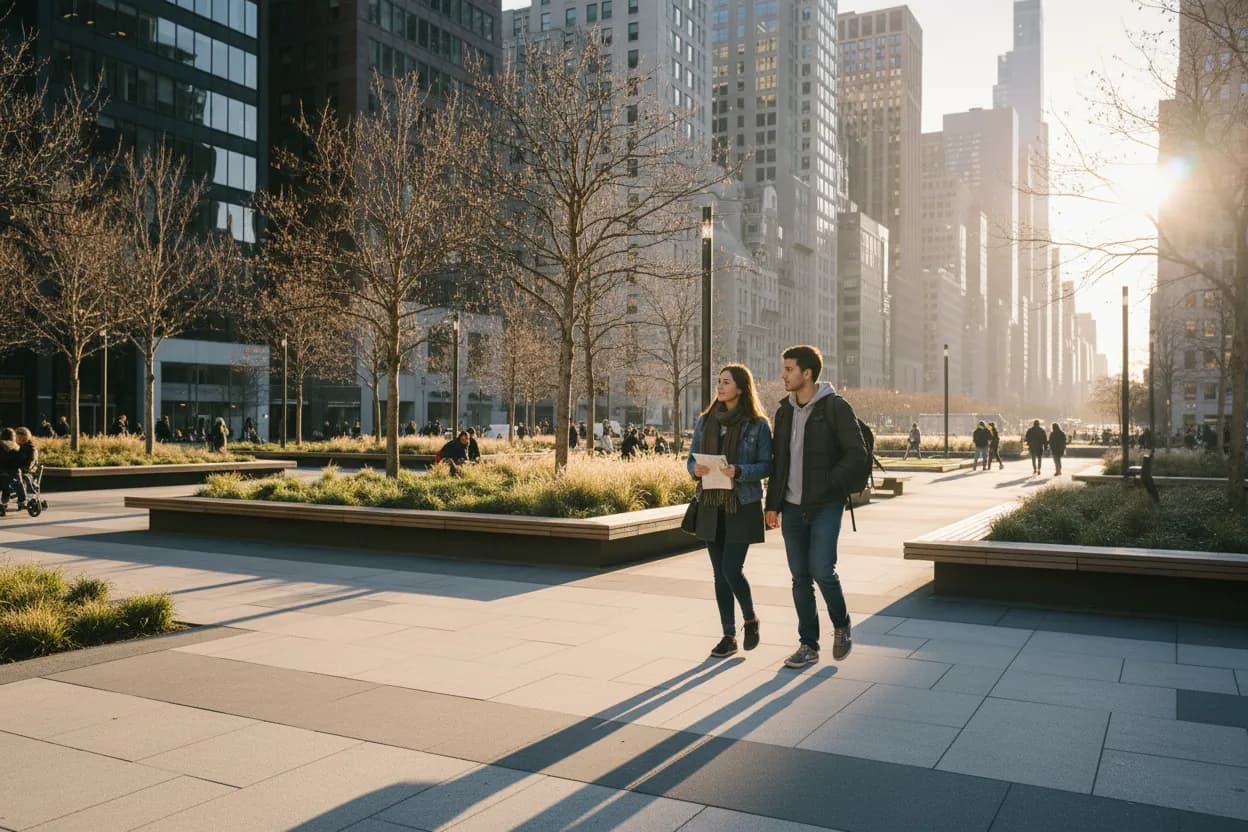
Before leaving, open the official page for every stop and check the basics: current hours, entry method, reservation requirements, accessibility information, photography rules, and whether any temporary change affects your visit. If the page points you to a separate institution site, use that direct source for the final decision. If details are missing, treat that as a signal to choose a more transparent backup.
Food can be the flexible part of the day, but verify that too. NYC Tourism lists NYC Restaurant Week® Summer 2026 from July 20 through August 16, with 2-course lunches and 3-course dinners across all five boroughs starting at $30. Since today falls within that date range, it may be useful as a dining frame, but participating restaurants, availability, and terms should be checked on the official page before you count on a meal.
Crowd risk is highest when you stack famous areas, rigid reservations, and cross-borough travel. Reduce that risk by picking one borough focus, saving screenshots of official details where allowed, checking transit close to departure, and naming your backup before you start. The best hidden-gem plan is not secret. It is verified, flexible, and calm enough to survive a changed door sign.
Tags: #AskKarpo #BeforeYouGo #NYCHiddenGems #OddFindsNYC #NYCCulture #BrooklynArchives #HarlemArts #LGBTQHistory #NYCItinerary #FiveBoroughs #NYCBudgetCulture #TransitCheck #QuietNYC #LocalLifeNYC
Sources consulted: nyctourism.com · new.mta.info · nycgovparks.org
All trademarks are the property of their respective owners.
Ask Karpo first
Ask Karpo first if your plan depends on a specific doorway, time slot, or cross-borough connection. Send the stop names, your start point, and your latest acceptable arrival time, and ask for official-page checks plus a calmer backup before you go.


