The Aqueduct Walk in the Bronx offers a distinctive opportunity to engage with New York City's foundational infrastructure in an everyday setting. This linear park, stretching over 1.7 miles, is layered directly above the Old Croton Aqueduct, a marvel of 19th-century engineering that first supplied fresh water to the burgeoning city. It’s a route that transforms a vital piece of the past into a present-day neighborhood greenway, providing a low-impact activity suitable for those seeking a walk with historical resonance and local character. This guide provides a framework for navigating this unique urban path, emphasizing its role as a functional public space with a hidden history.
Want to explore more of NYC's hidden historical layers and green spaces? Text Karpo for tailored recommendations and planning assistance for your next urban adventure.
An Engineering Feat Becomes a Public Amenity
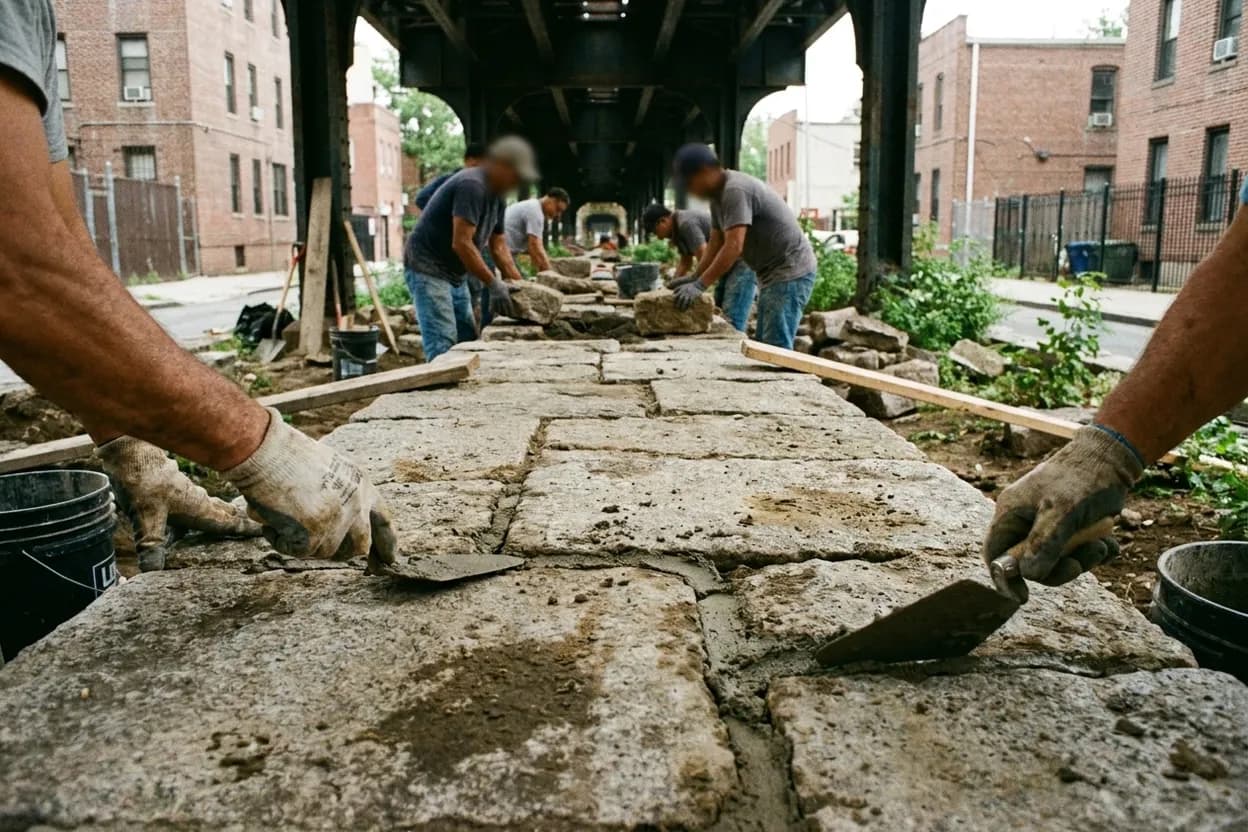
The Aqueduct Walk is a linear public park situated in the Bronx, specifically along Aqueduct Avenue, bridging the distance between West Kingsbridge Road and West Burnside Avenue. Its significance lies in its foundation: the walkway is built directly on top of the Old Croton Aqueduct. This engineering work, completed in 1842, represented a pivotal moment for New York City, as it delivered the city's first direct and reliable water supply. The transformation of this vital infrastructure into a public green space offers a tangible connection to the city's development.
Opened in 1940, the modern Aqueduct Walk was constructed in the late 1930s over the old aqueduct embankment. This layering of uses means visitors are not just walking through a park but traversing a historical corridor critical to the city's growth. The park functions primarily as a neighborhood greenway and linear park, rather than a museum, integrating historical significance into daily routines. This unique characteristic was formally recognized when the Old Croton Aqueduct Walk became the Bronx’s first scenic landmark and the city’s twelfth scenic landmark overall, a designation unanimously voted on in 2024 by the NYC Landmarks Preservation Commission.
Navigating the 1.7-Mile Corridor
The Aqueduct Walk stretches approximately 1.7 miles and covers about 4.9 acres, providing ample space for a long stroll or a shorter, targeted visit. As a north-south linear park, its orientation makes it straightforward to plan an end-to-end walk or to choose a segment. For those interested in a full traverse, starting at either West Kingsbridge Road or West Burnside Avenue allows for a continuous experience of the path. The park is broadly situated in the University Heights area, with some reporting also placing it at the edge of the Kingsbridge Heights and Fordham neighborhoods, indicating its role as a connective tissue between communities.
To help orient visitors, historical marker signs have been installed at several points along the route. These markers can serve as practical reference points for entry or exit. Specific locations include 2148 University Avenue, 71 West Fordham Road, and 2271 Aqueduct Avenue. These addresses provide concrete targets for navigation, whether arriving by public transit or planning a meeting spot. Considering the 1.7-mile length, a round trip would be over three miles, making it a substantial walk suitable for an hour or more, depending on pace and stops.
Amenities for a Relaxed Pace
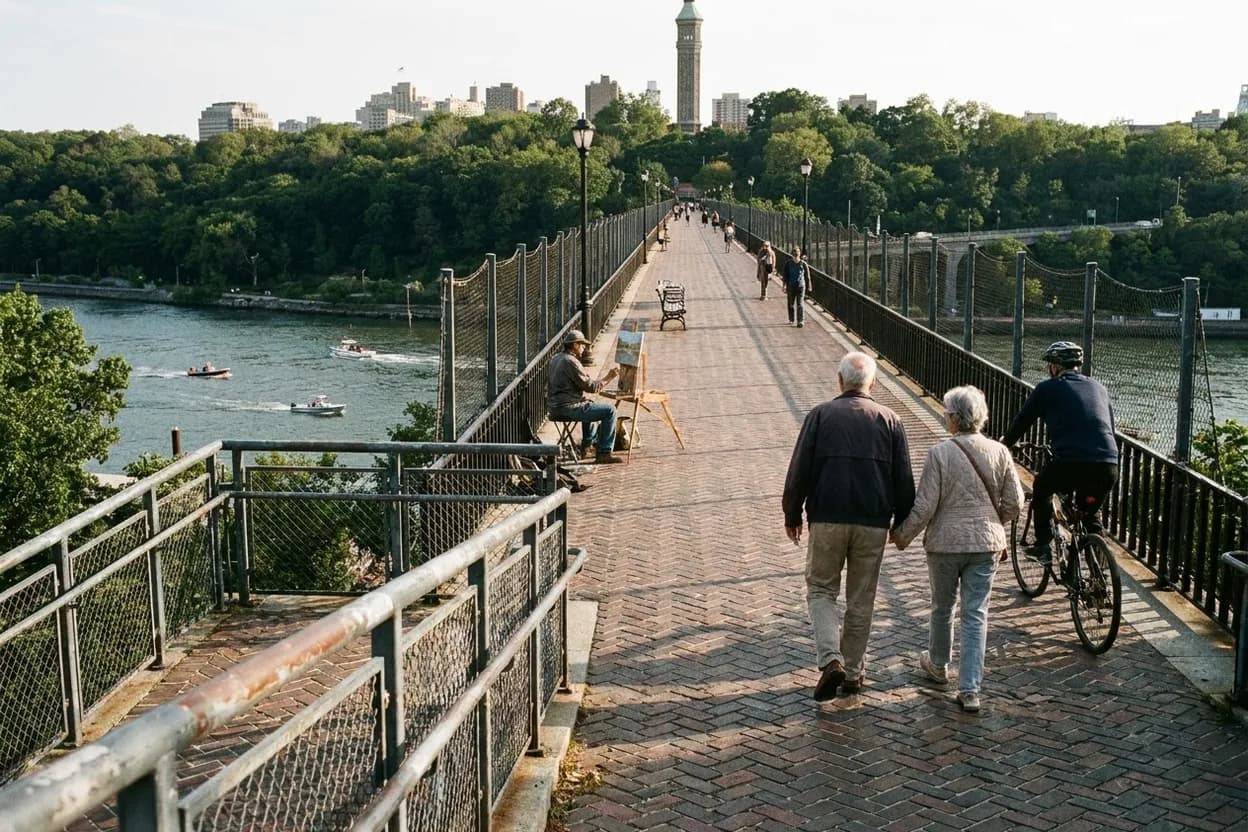
Despite its historical underpinnings, Aqueduct Walk is designed for contemporary public use, incorporating several amenities to enhance the visitor experience. The park includes benches, offering convenient spots for rest, observation, or simply enjoying the green surroundings. For those looking for more active engagement, the space also features basketball courts and fitness equipment, catering to various recreational needs within the community. These elements ensure that the greenway is not just a path, but a dynamic public space.
Families with children will find a playground within the park, providing an area for younger visitors to engage in active play. Additionally, the presence of bathrooms contributes to the practicality of spending an extended period at the Aqueduct Walk. These amenities underscore the park's role as a versatile neighborhood resource, inviting residents and visitors alike to utilize its facilities for leisure, exercise, and social interaction, all while layered over a significant piece of New York City's past.
Discovering the Bronx's First Scenic Landmark
The designation of Old Croton Aqueduct Walk as the Bronx’s first scenic landmark by the NYC Landmarks Preservation Commission in 2024 is a testament to its unique blend of historical significance and natural beauty. This recognition elevates the Aqueduct Walk beyond a simple park, highlighting its importance in the city's cultural and environmental landscape. The process for this designation began with the site being calendared for consideration on August 15, 2023, followed by a proposed designation in April 2024.
This landmark status emphasizes the walkway's role in preserving and interpreting a critical chapter of New York City's history while providing a valued public green space. It encourages visitors to appreciate not just the recreational aspects of the park, but also the engineering marvel beneath their feet that once supplied the city with water. The unanimous vote for designation reflects a broad appreciation for how this site integrates historical narrative with contemporary urban life.
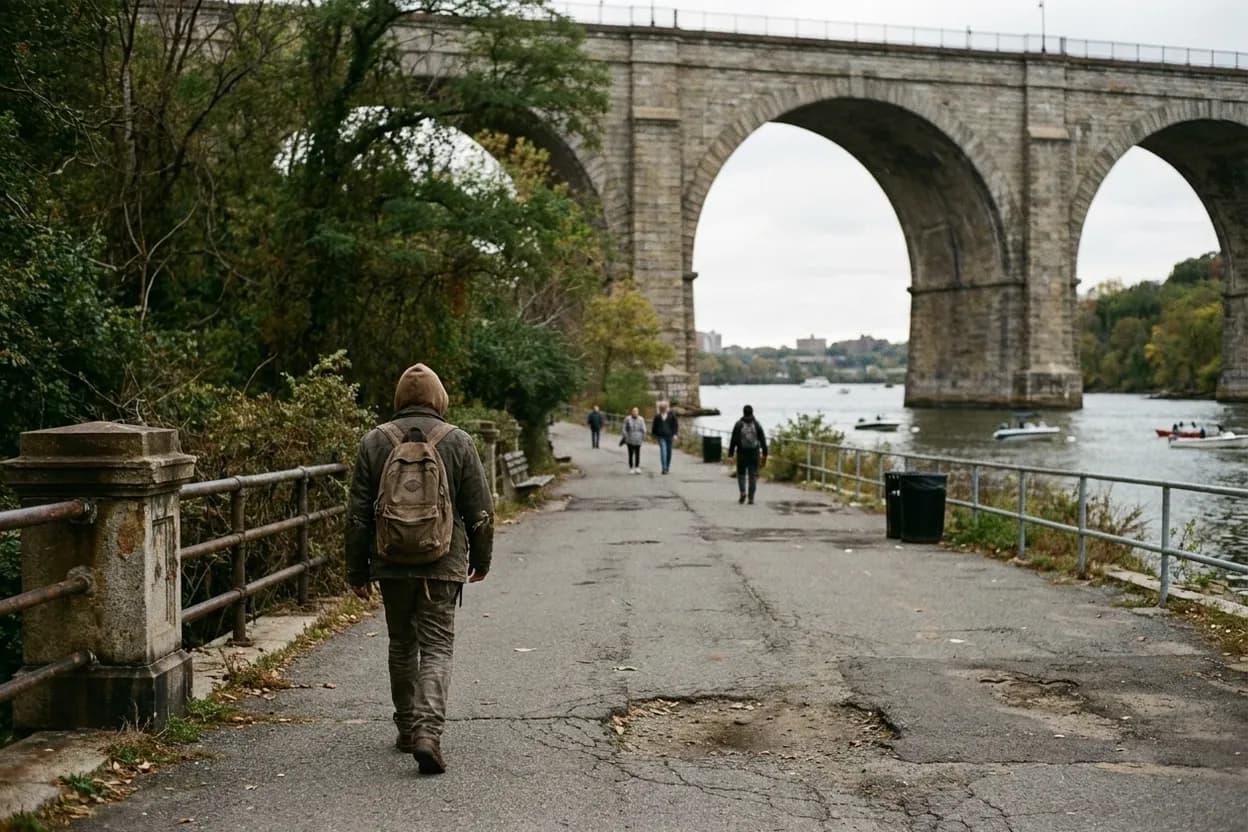
A Walk Through University Heights History
The Aqueduct Walk is deeply embedded in the fabric of the University Heights neighborhood, serving as a prominent feature within this Bronx community. While the park itself offers a serene pathway, the surrounding area provides additional context and amenities. For instance, Roscoe Brown Plaza, located off University Avenue and East 181st Street, is described as a busy neighborhood gathering spot. This proximity means that a visit to the Aqueduct Walk can easily be combined with experiencing the local pulse of the area.
The park's location within University Heights, with its historical connections to higher education and residential development, enriches the walking experience. It offers a glimpse into a vibrant Bronx community that has grown around this essential piece of infrastructure. The presence of the Aqueduct Walk as a welcoming public space within this bustling environment highlights the enduring value of accessible greenways that connect residents to both their local environment and the broader history of New York City.
Connecting to the Old Croton Aqueduct Narrative
For those particularly interested in the historical engineering aspect, the primary interpretive story of the Aqueduct Walk is its direct link to the 1842 Old Croton Aqueduct. This system was revolutionary for its time, providing New York City with its first direct and reliable water supply, a necessity for a rapidly expanding metropolis. Understanding that the very path you walk upon is built over this historical conduit adds a layer of depth to the experience, transforming a simple stroll into a journey through urban development.
While the Aqueduct Walk functions as a public park rather than a dedicated historical museum, its underlying narrative is ever-present. This connection allows visitors to appreciate how essential infrastructure can be repurposed and integrated into modern urban landscapes, turning a piece of functional history into an everyday amenity. The walking experience becomes a subtle educational opportunity, revealing the ingenuity required to sustain a large city and how those solutions continue to shape its character.
Practical Notes for Your Visit
The Aqueduct Walk functions as a public park and open-space corridor, meaning there are typically no special hours, admission fees, reservations, or seasonal closures. However, as with any public amenity, it is always advisable to verify current conditions before your visit. Check the official New York City Parks Department website for any unexpected closures or service changes that might affect access to amenities like bathrooms or playgrounds. While no official visitor page specific to Aqueduct Walk with live updates is readily available, general park advisories would apply.
Entry points are generally accessible along Aqueduct Avenue, with specific marker-sign locations at 2148 University Avenue, 71 West Fordham Road, and 2271 Aqueduct Avenue providing clear access points. It's recommended to wear comfortable walking shoes, as the 1.7-mile length suggests a substantial walk if you plan to cover a significant portion. Since the walk is linear, consider planning your route with an understanding of how you'll return, whether by retracing your steps, using public transit, or arranging for pickup at the other end of the corridor. Remember to carry water, especially during warmer months, as the walk is primarily open-air.
Tags: #AqueductWalkNYC #BronxHistory #NYCGreenway #OldCrotonAqueduct #UrbanExploration #InfrastructureWalks #UniversityHeights #BronxParks #ScenicLandmark #NYCWalking #HistoricalPaths #AskKarpo #BeforeYouGo #NYC
Sources consulted: Source 1: nyc.gov · Source 2: nyc.gov · Source 3: nyc.gov · Source 4: thecity.nyc · Source 5: citylandnyc.org · Source 6: bxtimes.com · Source 7: forgotten-ny.com · Source 8: norwoodnews.org · Source 9: communityheroes.nyc
All trademarks are the property of their respective owners.
Ask Karpo first
Tell Karpo your date, group size, budget, and starting neighborhood. We’ll check current access, timing, transit, and the cleanest plan for Aqueduct Walk before you head out.