Doyers Street's Bloody Reputation
Doyers Street is a one-block dogleg that bends 90 degrees in the middle — Chinatown's only crooked street, less than 200 feet long. In the 1890s and 1900s the curve gave it the nickname "the Bloody Angle" because On Leong and Hip Sing tong members ambushed each other from blind corners. Police records from 1909 list more murders per square foot on Doyers than anywhere else in the United States.
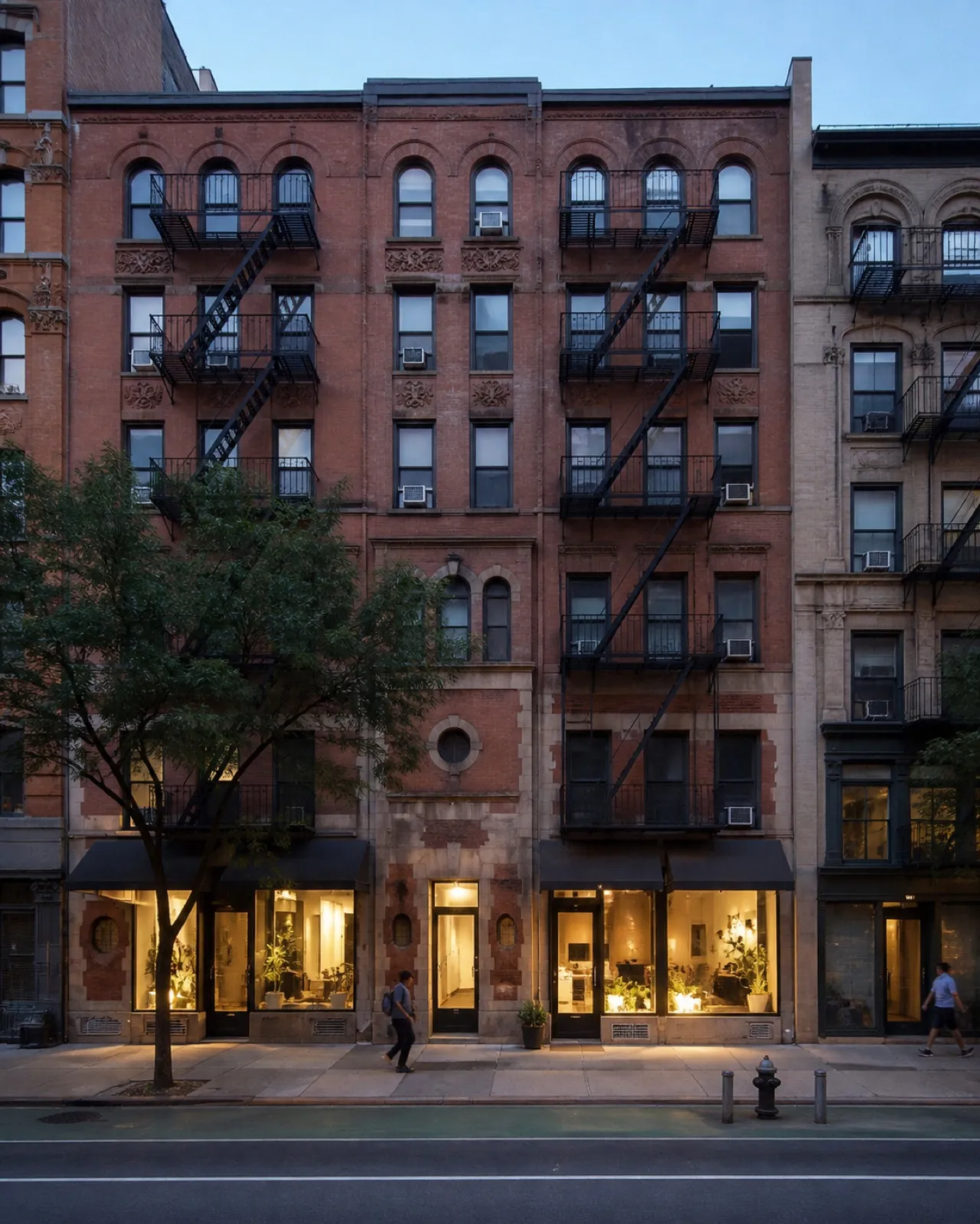
By 1911 the violence subsided as the tongs negotiated peace. Doyers settled into a long century as a quiet block of restaurants, barbershops, and a single United States Post Office. The opium dens that had operated upstairs above the storefronts were converted into apartments. Number 9, on the eastern bend, became various commercial tenants — most recently a 1960s Chinese-American restaurant called the Chinatown Fair.
Heather Tierney Took the Lease in 2008
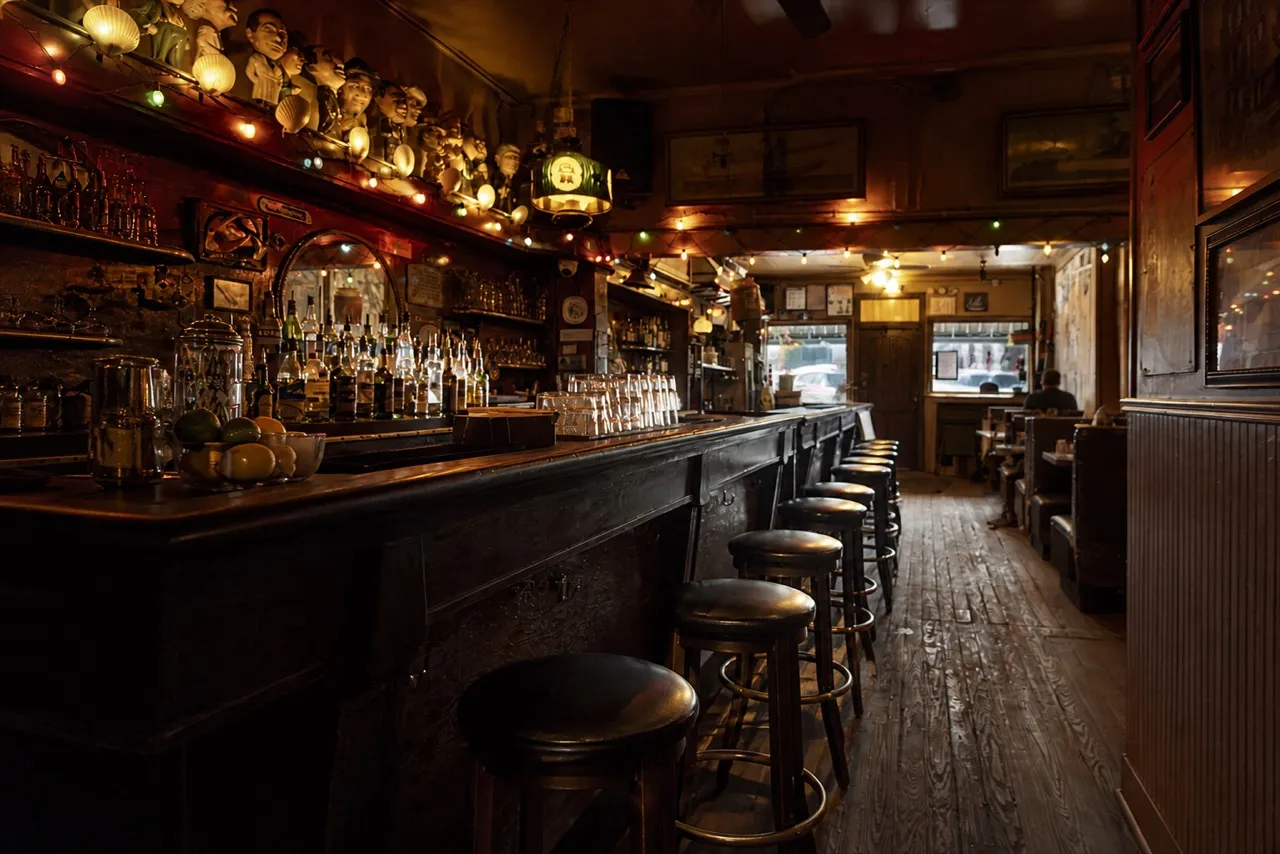
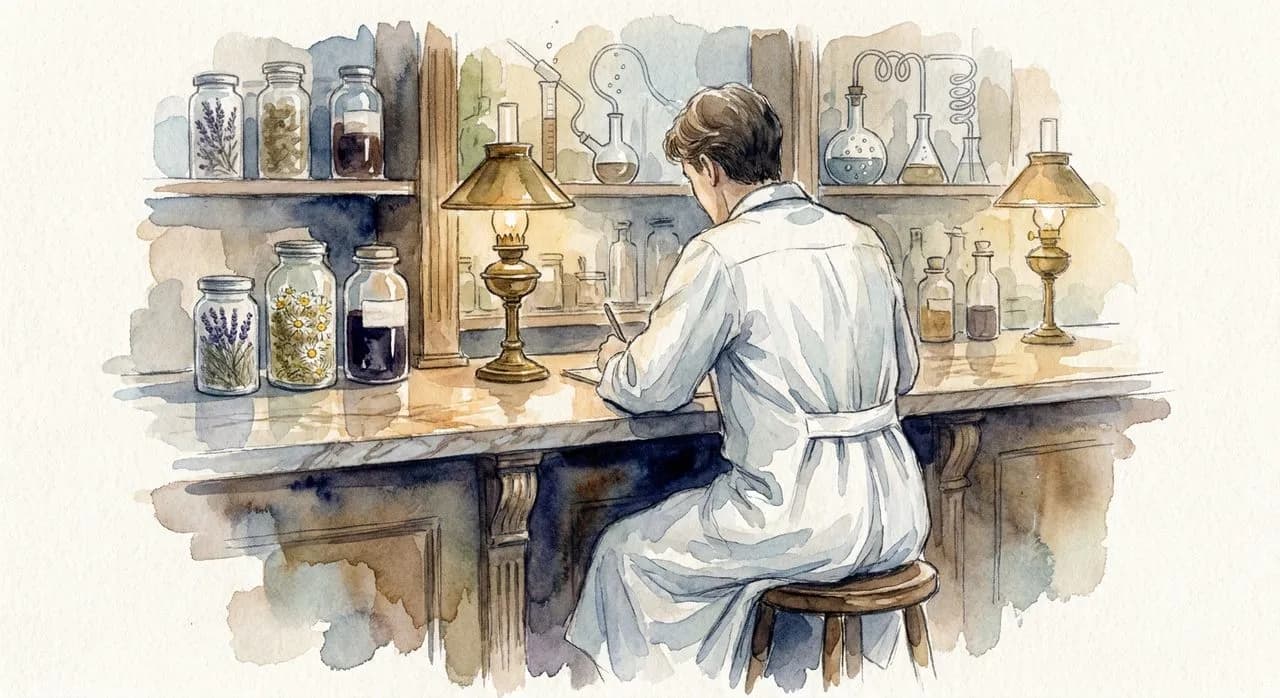
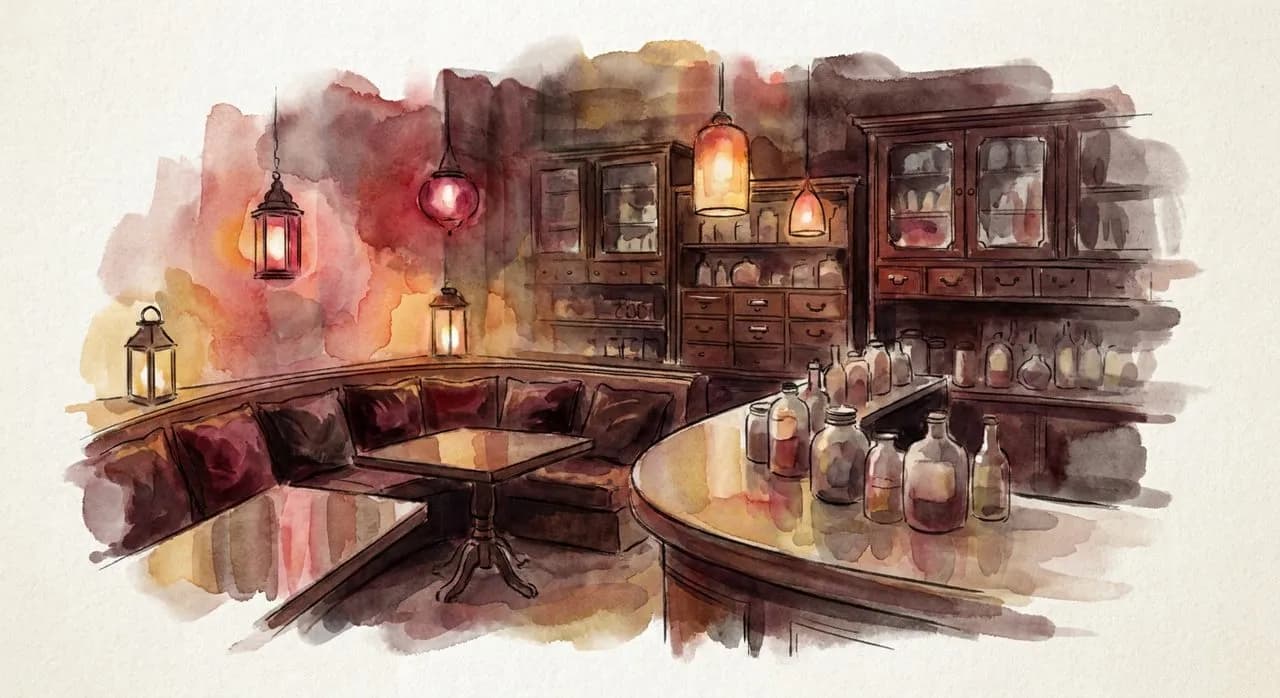
Heather Tierney, who had grown up in New York and trained as a designer in London, leased 9 Doyers in 2008 with the idea of opening a bar that played on the building's literal history of intoxication. She named it Apothéke — the German word for pharmacy — and dressed the room as a 19th-century chemist's shop, with apothecary jars on backlit shelves, a marble-topped bar, and a black-and-white tile floor that looks original (it's not; it was installed in 2008 to look like it was).
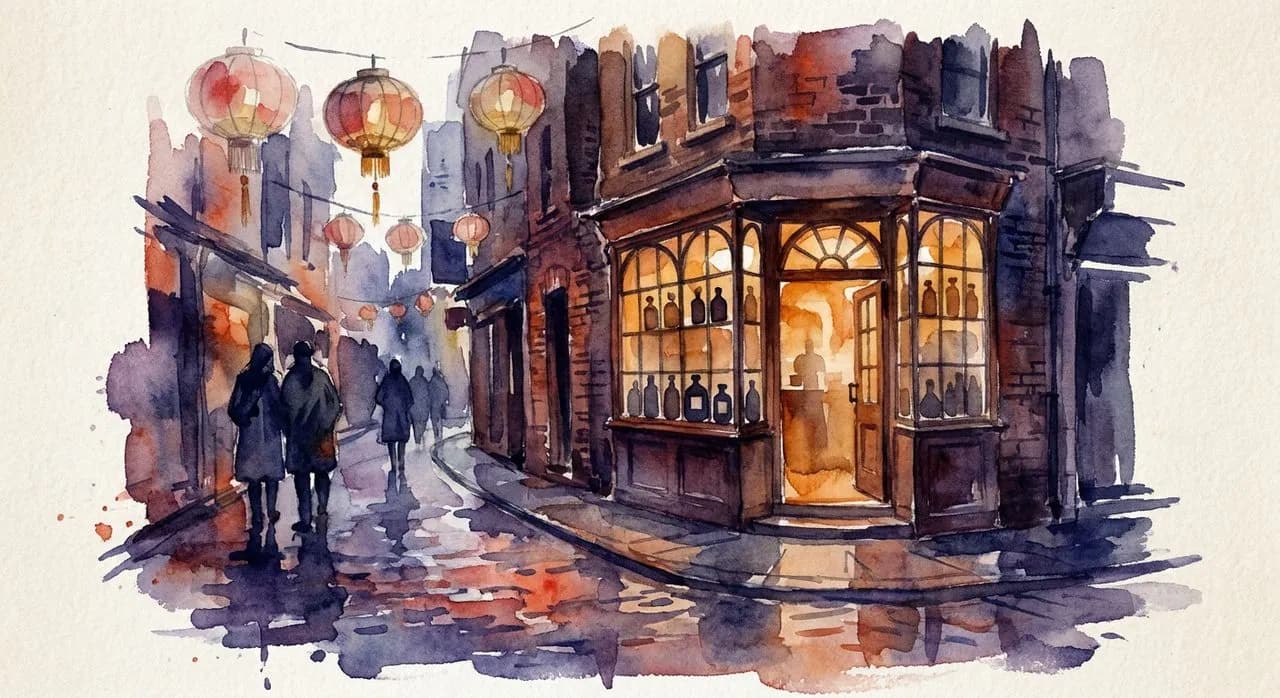
The bar opened in October 2008 to almost no marketing. Tierney's bet was that Doyers Street's history did the work — anyone who walked the block at night and saw the dimly lit "PHARMACY" sign at the bend would understand. The bet paid off; Apothéke was profitable within six months and has been continuously open since.
A Menu Built Like a Prescription
The drinks list is organized by therapeutic intent. Pain relievers (bourbon-forward stiff drinks). Aphrodisiacs (sparkling, fruit-driven). Stress relievers (gin and herbal). Health and beauty (vegetable-driven cocktails, often with cucumber, beet, or carrot juice). Stimulants (coffee, espresso, chocolate). Each drink lists its dose and "active ingredients" on the menu page.
The signature drink, Sitting Buddha, is a ginger-and-jalapeño-infused vodka with cucumber and fresh basil. The other long-running classic, Health Code Violation, uses house-distilled cilantro vodka with lime and serrano. Drinks run $19 to $24 — modest by Manhattan speakeasy pricing.
The bar's medical-pharmacy theme extends to the staff uniforms (white pharmacy coats), the glassware (apothecary-shaped tasting glasses for some drinks), and the small touches — drinks come with handwritten "prescriptions" on apothecary-style tags.
Why It Stayed in the Conversation
Speakeasies opened, peaked, and closed all over Lower Manhattan in the 2010s. Apothéke kept appearing on serious longlists — World's 50 Best Bars longlist nominations for nine consecutive years from 2014 to 2022, multiple Time Out and Eater inclusions. The reason is the bartending. Tierney hired professionals out of bigger rooms — Pegu Club, Death & Co — and gave them the room to develop drinks that don't appear elsewhere.
The menu rotates seasonally. About 30 percent of drinks change four times a year. Bartenders are encouraged to develop new drinks and add them. The result is a cocktail program that has stayed current without abandoning the bar's original concept.
The Room and the Hours
The bar seats about 50 inside — a horseshoe of marble bar plus banquettes along two walls plus a small back lounge. Reservations are taken through Resy and recommended on weekend nights. Walk-ins on weeknights are usually accommodated within 20 minutes.
The bar is open Tuesday through Sunday, 6:30 p.m. to 2 a.m. The earliest hour is when the room is quietest — by 10:30 p.m. on a Friday it's full and the conversation is loud enough that some of the menu's quieter drinks get lost. The 7 p.m. slot is the best one for tasting.
The Doyers Street Walk
Visit Apothéke and walk the rest of Doyers afterward. The block is small enough to circle in five minutes. Nom Wah Tea Parlor, the dim sum institution that has occupied 13 Doyers since 1920, is at the eastern end and serves until 9 p.m. The Tong Wars are commemorated by a small plaque on a building near the Mott Street end of the block. The post office is open until 5:30 p.m. weekdays and is one of the most architecturally intact early-20th-century USPS interiors in Manhattan.
The whole block feels older than the rest of Chinatown around it. Doyers' historical preservation is partly because the street's L-shape made it harder to develop, and partly because the tenants stayed for generations. Apothéke is now one of those long-tenured tenants — fifteen years on the same block, in the same building, with the same address.
Practical notes
- Address: 9 Doyers Street, Chinatown
- Getting there: N/Q/R/W/J/Z/6 to Canal Street; B/D to Grand Street
- Go for: The Sitting Buddha cocktail, the prescription-style menu, the Doyers Street historical context
- Size / timing: 50 seats, reservations recommended for weekend nights via Resy. Open Tuesday–Sunday 6:30 p.m.–2 a.m.
- Photograph it, but know this: The bar lights are deep red and amber; phone cameras can struggle with white balance. Best shots are of the back-lit apothecary jars, which read as a warm orange wall.
Apothéke earned its place by treating its building's history seriously and its drinks more seriously still. Doyers Street has been quiet for a century now, but the bar's name and concept keep the older story present without making a museum of it. The bartenders are excellent. The cocktails reward attention. The room is one of the few in Lower Manhattan where the address itself is part of the drink.
#apothekenyc #chinatownnyc #doyersstreet #speakeasy #bloodyangle #craftcocktails #manhattanbars #afterdark #worldsbestbars #cocktailprogramming #nightlifenyc #adaptivereuse #nycculture #lowermanhattan #hiddenrooms
Sources consulted: Apothéke NYC · The New York Times · Punch Drink · World's 50 Best Bars · Eater NY
All trademarks are the property of their respective owners.
Drink responsibly. Must be of legal drinking age.