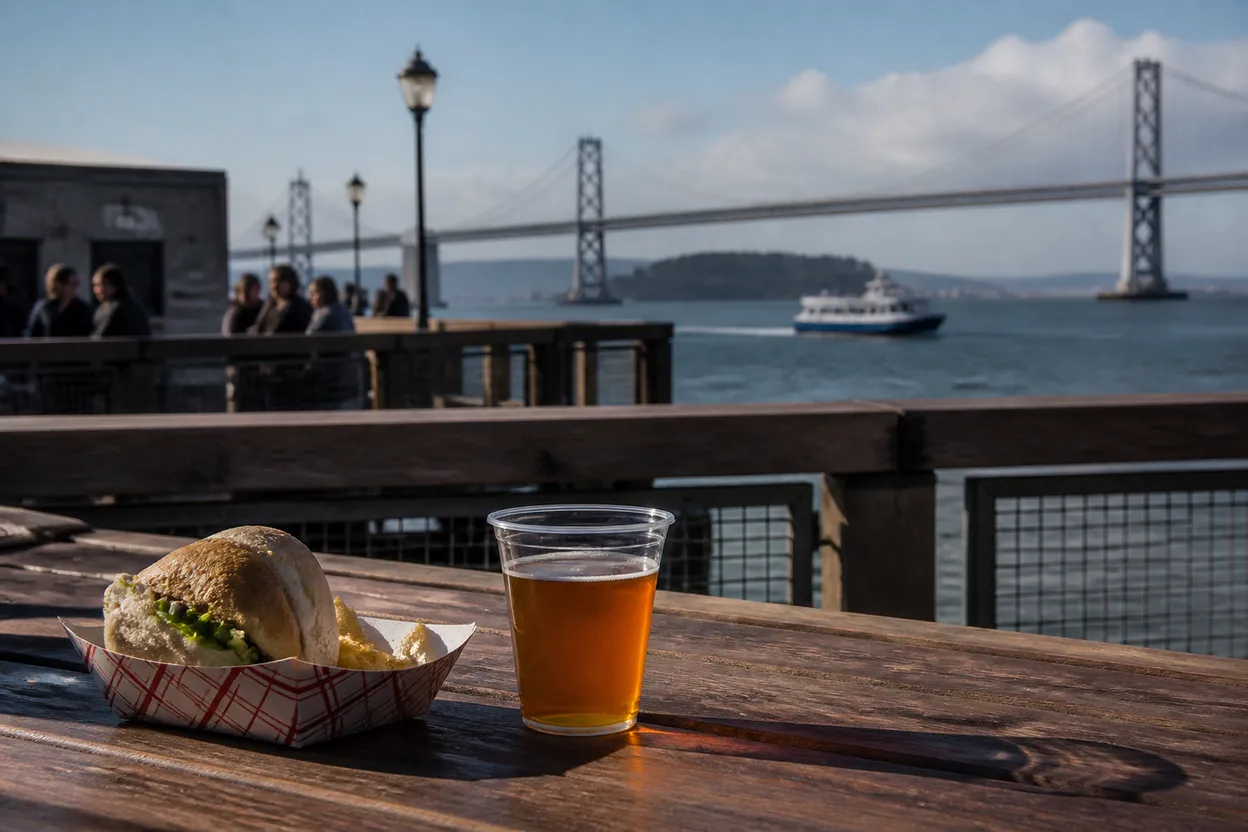
San Francisco can make a sports night feel easy until one small assumption breaks the plan: the game is not available where you thought it was, the sound is not on, the room is too crowded, or a changing transit condition makes a tight arrival plan unreliable. Treat angels vs orioles as a reason to gather, not as proof that either team has a local appearance, official event, sponsored watch party, or guaranteed screen in the city. The stronger plan is verification-first. Decide what you need to watch, then choose the room, route, arrival window, access point, and backup with the same skepticism you would bring to any time-sensitive night out. In San Francisco, that means checking SFMTA travel information, thinking through walking and transit options, and confirming directly with any venue before making it the anchor for the group.
Want a tighter San Francisco plan before you leave? Text Karpo to check likely transit routes, timing risks, screen-and-sound questions, and nearby backup logic for this angels vs orioles viewing night.

Confirm what fans can actually watch
Start with the most basic question because it can save the night: what, exactly, can the room show? The phrase angels vs orioles may be the reason people are searching and texting friends, but it is not a substitute for a confirmed viewing setup. The official extracts provided here do not verify a broadcast, local team event, city-sponsored screening, venue listing, reservation rule, or official watch party. Do not assume a bar, hotel lounge, clubhouse, public screen, or neighborhood gathering space has the matchup just because it has televisions.
Use precise wording when you call or message a venue. Ask whether the specific game can be shown at the time you plan to arrive, which screen would carry it, whether sound is possible, and whether another event or house policy could take priority. That is more useful than asking only whether the room shows sports. It also avoids a common watch-night problem: arriving at a busy room that technically has games on, but not the one your group came to see.
If the answer is uncertain, treat it as uncertain. Build the plan around what has been confirmed, not what seems likely. The official material available here supports reader-side verification, not venue endorsement. It also supports using SFMTA information for movement planning, but it does not establish anything about team affiliation, league arrangements, pricing, hours, reservations, food service, seating policies, or broadcast availability.
Choose the room by crowd energy
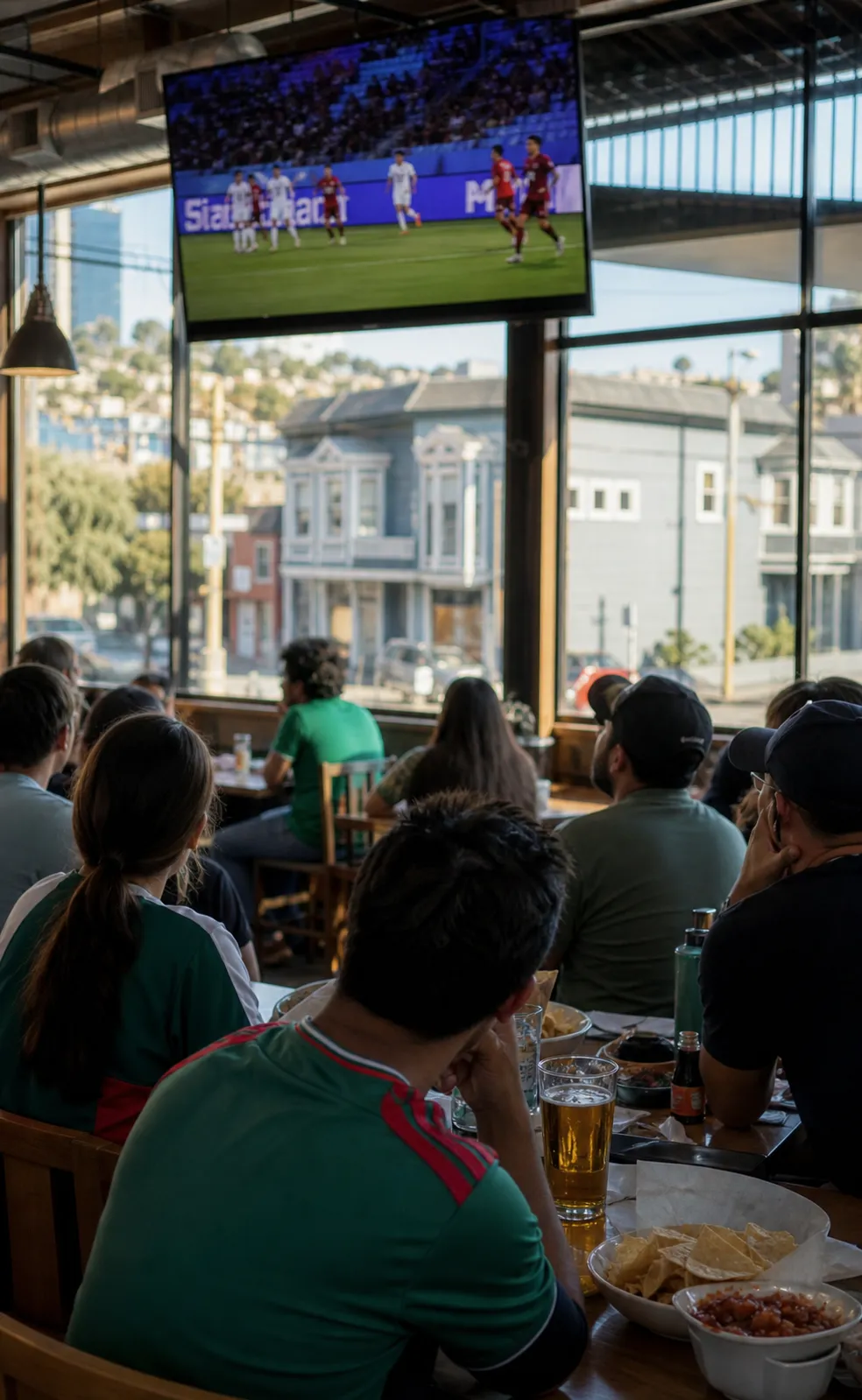
Pick the room for the kind of night you actually want. A louder room may work if the point is crowd reaction, quick decisions, and a more social setting. A smaller neighborhood spot may work better if the point is conversation, calmer seating, and easier sightlines. A public-space-adjacent plan may work if your group wants to meet first, check conditions, then decide whether to move indoors once the screen situation is confirmed.
San Francisco rewards sequencing. Instead of committing everyone to one door without a backup, choose a neighborhood cluster where moving between options is realistic. SFMTA’s official homepage organizes city movement around Muni, walking, biking, driving and parking, taxi, accessibility, routes and stops, visitor information, neighborhoods, projects, permits, and citations. Use that as the planning model: choose a first room, identify a second option, and know the departure path before the night starts.
Crowd energy can also be shaped by city activity nearby. The SFMTA extract lists Outside Lands for August 7-9, Hayes Valley Shared Spaces on Fridays and Saturdays in August 2026, Chinatown Construction from July 30-August 9, 2026, and Muni service changes starting August 29. Those items are not watch-party listings. They are official prompts to check local movement conditions before choosing a room near festival, shared-space, construction, or service-change activity.
Call ahead about the exact screen and sound
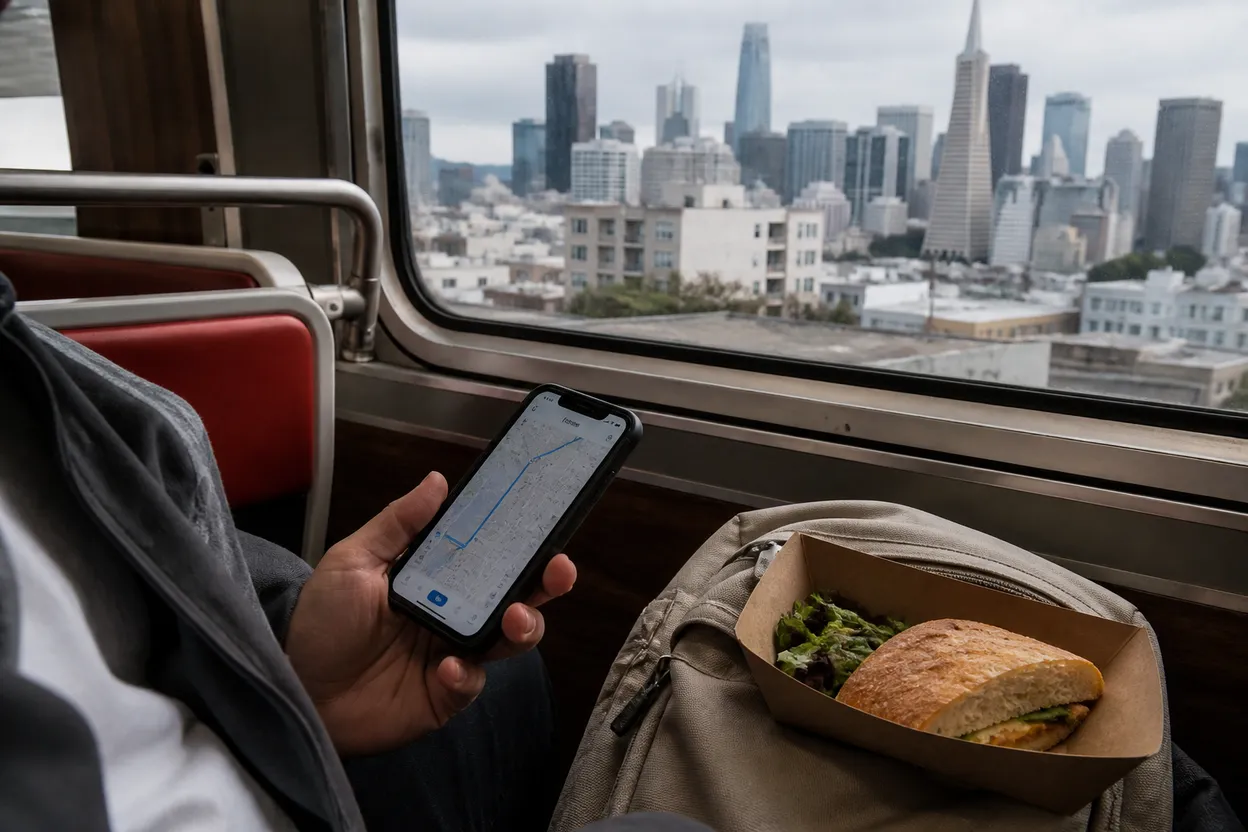
A good call should be practical, not vague. Ask for the exact screen location, whether the game can be switched on when you arrive, whether sound is available, and whether seating near that screen is first-come, reserved, or governed by normal entry rules. Do not ask staff to guarantee a future condition they cannot control. Ask what is true now and what usually changes it.
For a group, one person should own the call and write down the answer. A note like “rear screen, sound not confirmed, arrive with flexibility” is useful. “They probably have it” is not. If the staff says another event, private booking, regular programming, or house policy could override the feed, that venue becomes a maybe, not the anchor.
Also ask about access flow. Is there a line at the door? Is there a host stand? Is the best entrance obvious from the sidewalk? Are minors allowed if that matters to anyone in the group? The official extracts do not provide San Francisco venue policies, prices, entry rules, or reservation requirements, so those details must come directly from the specific place you intend to enter.
Use transit and seating as tiebreakers
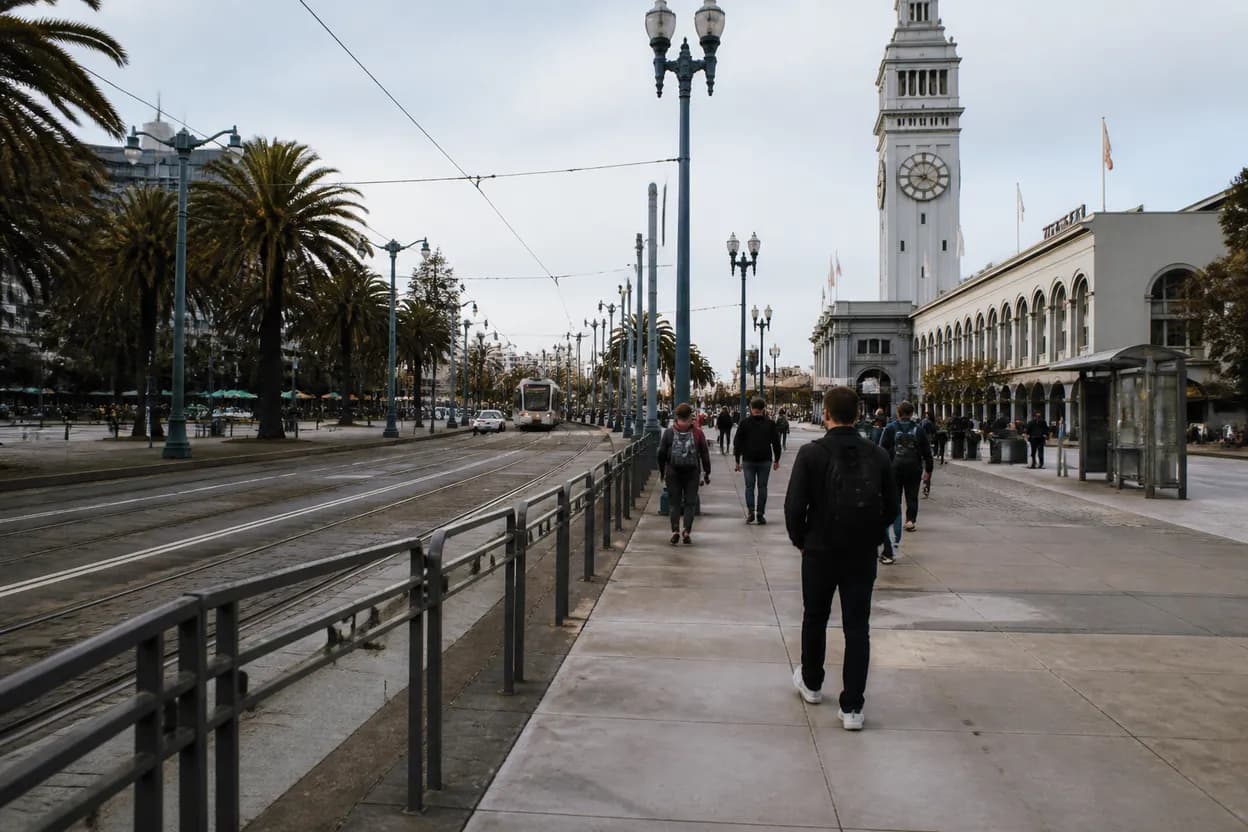
Once two rooms both look plausible, let transit and seating decide. SFMTA provides a Trip Planner with fields for starting location, ending location, and travel mode. The listed modes include Muni, bike, walk, and drive. Use that before the group chat turns into guesses. Check the route to the first stop, the walk from the stop to the door, and the return route after the game, when tolerance for uncertainty is usually lower.
The best viewing room is not always the best-known one. In San Francisco, a less crowded room near a simpler travel path may beat a packed room that depends on a fragile transfer, confusing curb access, or a long walk at the end of the night. If someone in the group needs accessibility considerations, put that into the first decision. SFMTA’s homepage includes an Accessibility area under Getting Around, which is a useful official prompt to verify station, stop, vehicle, curb, and entrance conditions for the actual route.
Seating should be treated like transit: confirm what you can, then leave margin. If you need a table with a screen view, ask how seating works before you go. If standing is fine, pick a place where the view is not dependent on one screen behind a crowded bar. If sound matters more than food, say that clearly when choosing. Many failed watch nights are caused less by bad intentions than by unspoken priorities.
Keep a quieter second option nearby
A backup is not pessimism. It is basic San Francisco logistics. The second option should be close enough that moving there does not consume the night. Choose it before leaving, and choose it for a different failure mode: quieter room, easier seating, better transit exit, or a staff answer that sounded more certain even if the first room has more atmosphere.
Make the backup specific. “Somewhere nearby” is not enough. “If the first room cannot put on angels vs orioles with sound, we move to the quieter place we called earlier” is a plan. The official extracts do not verify any named watch venue, so the reliable advice is method, not endorsement: call, confirm, map, and keep the second stop realistic.
If your group is meeting from different parts of the city, the backup should not strand anyone. Use SFMTA route and stop information to think through both arrival and departure. A backup that works only for the person who picked it may solve one problem while creating several others.
Recheck the plan on game day
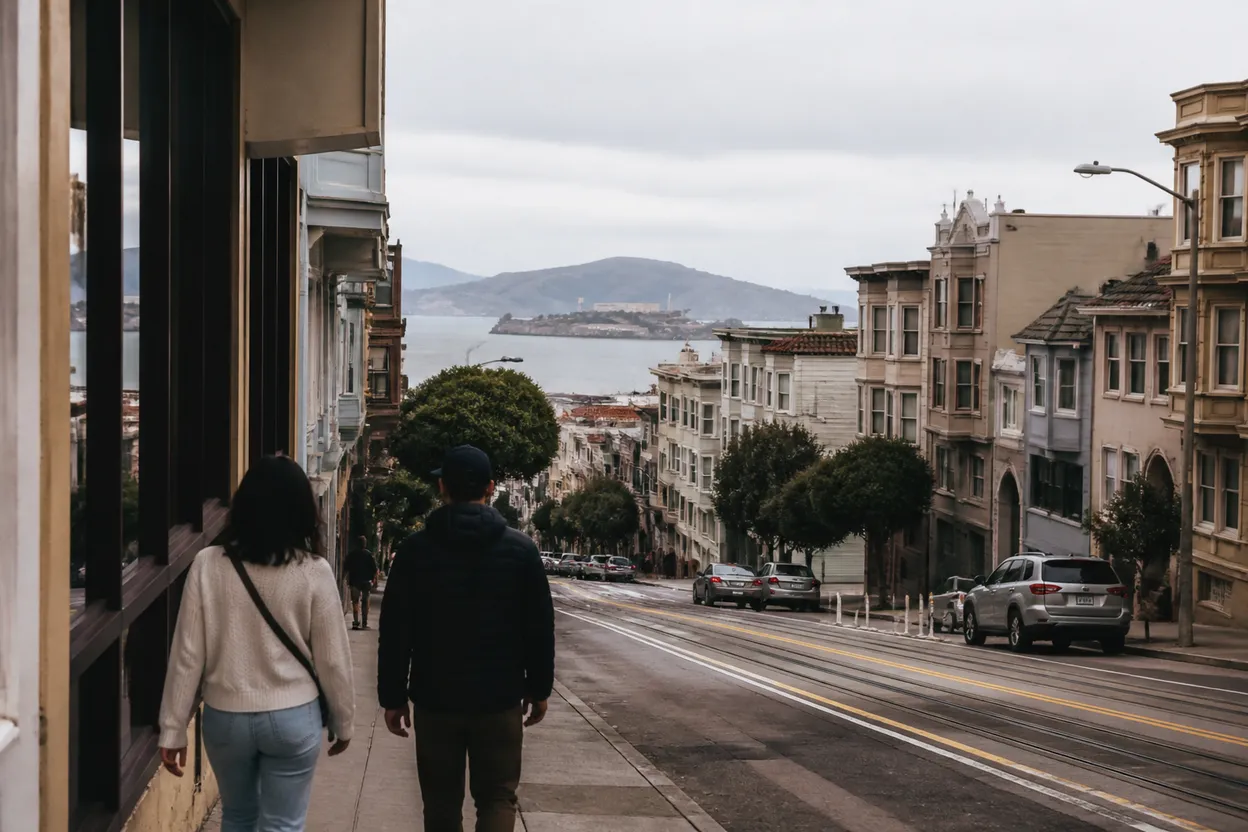
Game-day rechecking is where the plan becomes real. Before leaving, check SFMTA alerts and travel updates, then reconfirm the venue’s screen and sound situation. The SFMTA extract shows active alert language, including a final update that a delay near 19th & Holloway had cleared and inbound M Ocean View service was resuming. It also notes more alerts in the last 48 hours. That kind of changing information can affect a tight watch-night plan.
Pay attention to date-specific city conditions. On Thursday, August 6, 2026, the SFMTA calendar lists a Citizens’ Advisory Council regular meeting. The same official extract lists an Engineering Public Hearing Meeting on August 7, 2026, ISCOTT Meeting 1621 on August 13, Hayes Valley Shared Spaces on Fridays and Saturdays in August 2026, Chinatown Construction from July 30-August 9, 2026, and Muni service changes starting August 29. These are not instructions to avoid those areas. They are prompts to verify timing and movement before committing.
Send the group one clean message: first stop, target arrival window, travel suggestion, backup stop, and the condition that triggers a move. For example, if the first room cannot show the game on the screen you confirmed, the group switches to the backup instead of debating on the sidewalk. Keep the plan simple enough that people can follow it while moving through the city.
Tags: #angelsvsorioles #SanFrancisco #WatchParties #AskKarpo #BeforeYouGo #SFNightOut #Muni #BaseballNight #SportsViewing #GameDayPlan #SFTransit #CallAhead #VenueCheck #BayAreaPlans
Sources consulted: sftravel.com · sfmta.com · sfrecpark.org
All trademarks are the property of their respective owners.
Ask Karpo first
Ask Karpo first before you turn angels vs orioles into a San Francisco night out. Karpo can help check the practical pieces: whether your target room needs a screen-and-sound call, which transit route looks simplest, what city updates may affect timing, and where a quieter backup should sit.