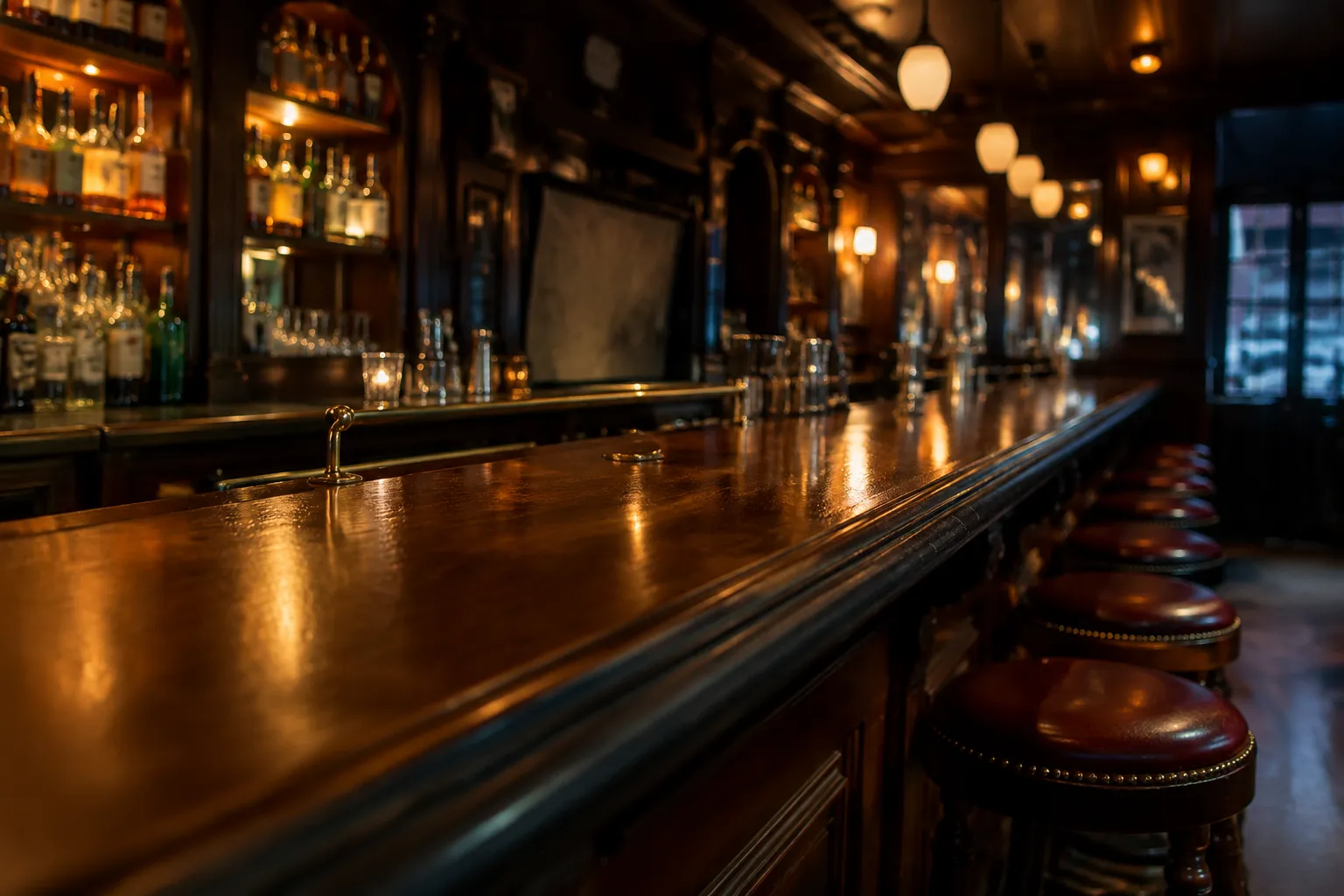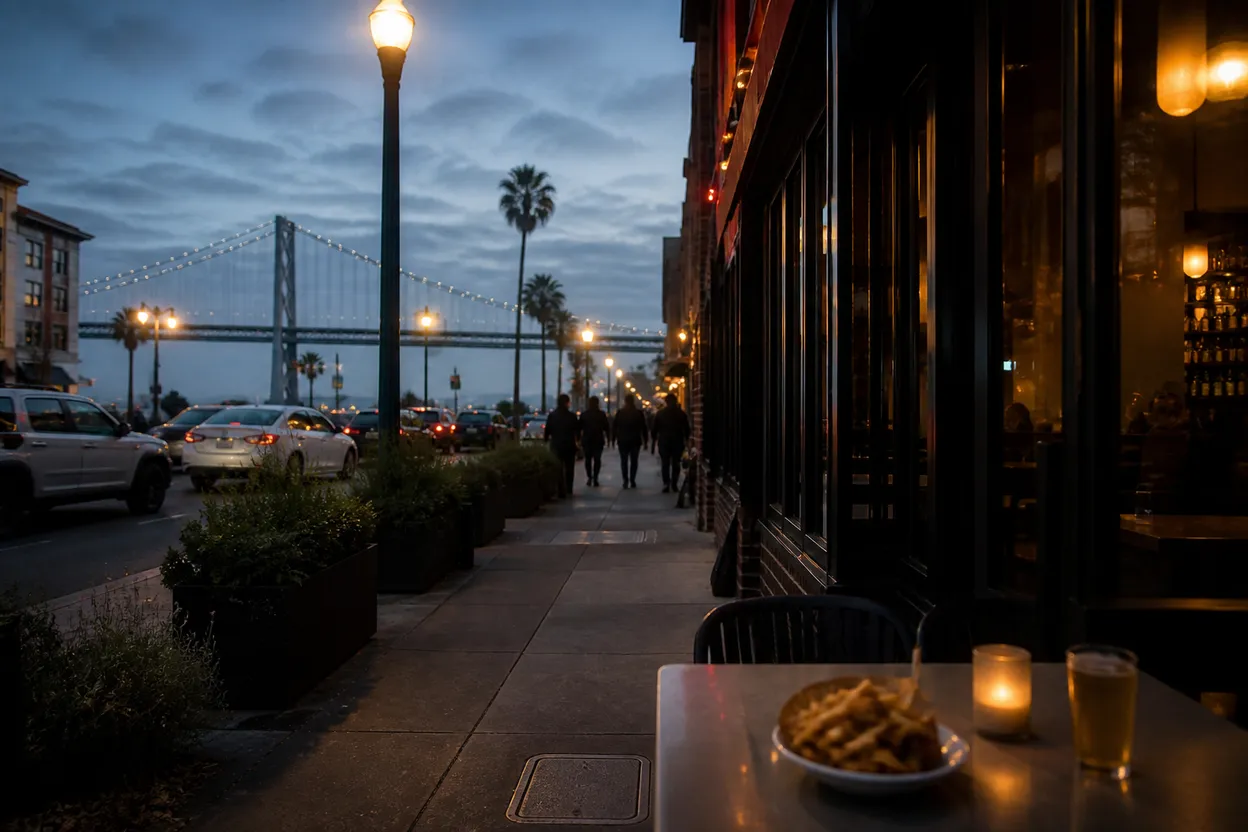
San Francisco rewards the night-out planner who checks first and improvises second. If the phrase andy ogles brought you here, treat it as a timely conversation starter rather than a clue about a local appearance, affiliation, endorsement, or private-access event. For a bars-and-nights-out plan, the useful question is not who might be somewhere; it is whether your route, room choice, transit option, and backup plan still work tonight. On Friday, August 7, 2026, SFMTA’s official site is the practical starting point because it publishes trip planning tools, Muni route and stop information, accessibility resources, travel and transit updates, and alerts. Build your evening around verifiable public information, then let the drinks, music, and conversation feel spontaneous.
Want a tighter route before you leave the hotel, apartment, or office? Text Karpo with your starting point, desired sound level, and latest safe return time, then ask for a verified two-stop San Francisco night plan.

Use the topic as the night’s conversation starter
A search phrase can start a good bar conversation without becoming the basis for a bad plan. If someone at the table brings up andy ogles, keep it light: ask what they were reading, why the phrase is moving, and whether anyone has checked the source. Do not turn a trending phrase into a claim that a person is in San Francisco, appearing at a venue, connected to a bar, or available through private access. That is how a night out gets warped by rumor instead of shaped by real logistics.
For this city guide, the safe use of the hook is social, not predictive. Pick a public neighborhood, agree on a sound level, verify transportation, and choose a backup before the first round. The conversation can wander; the plan should not. San Francisco nights are easier when the group separates what is fun to discuss from what must be confirmed on official pages.
Choose sound level before cocktails
Before naming a bar, decide whether the night needs conversation, music, dancing, or a mix. That choice affects everything else: how long you stay, whether you can hear across a table, how likely the group is to split, and how much patience you will need if the room is full. Because this article is limited to official-source facts, it does not promise a specific bar’s atmosphere, cover policy, hours, line, or availability. Those details can change and should be checked directly with the venue before you commit.
Use a simple scale. A low-sound first stop is for arrival, food decisions, and catching up. A higher-sound second stop is for the part of the night when talking matters less. If your group includes people with mobility, hearing, or sensory needs, make access part of the first decision, not a last-minute accommodation request. SFMTA’s official site includes an accessibility section and public transportation resources, so transit accessibility should be checked alongside the venue’s own current access information.
Build a walkable two-stop route
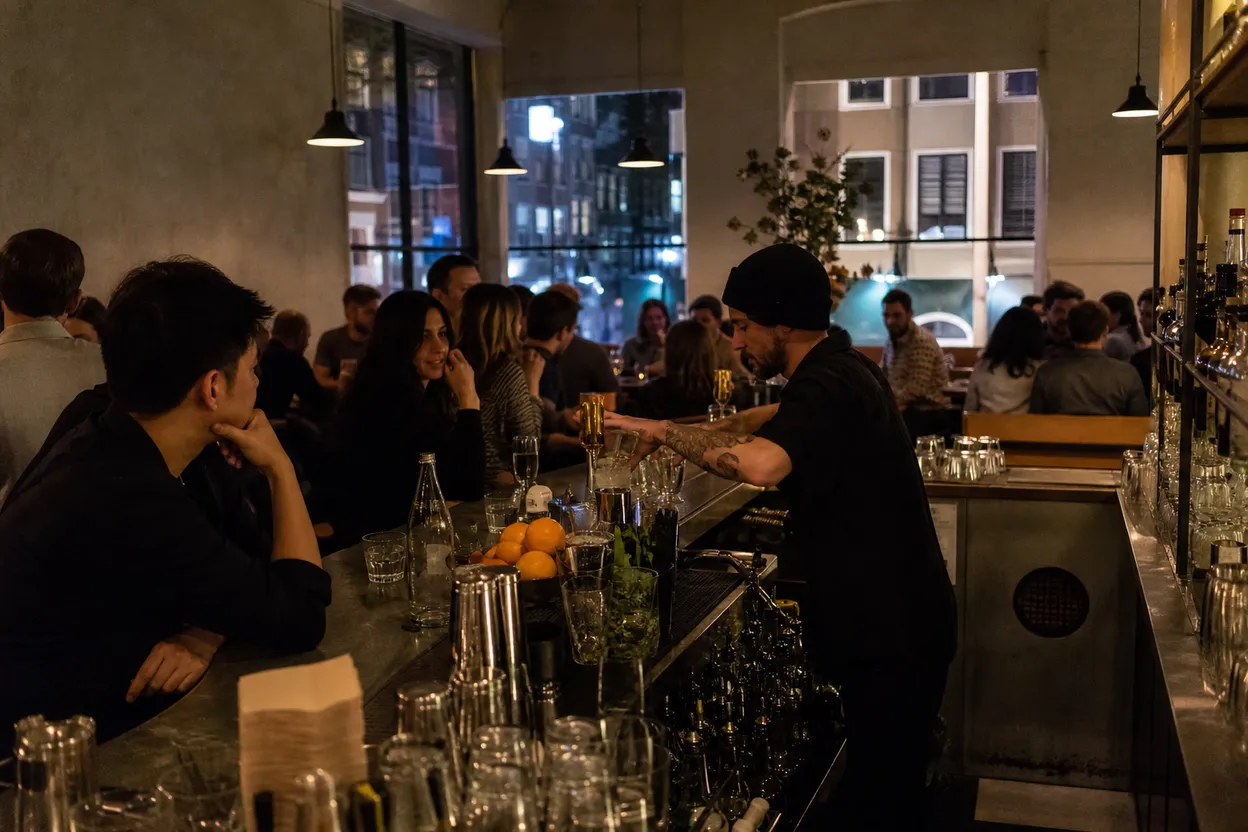
The strongest San Francisco night-out plan is usually two stops, not five. Start with a public arrival point that everyone can understand, then choose a second room close enough that the group can move without negotiating a complicated transfer after drinks. SFMTA’s site offers a Trip Planner with options for Muni, walking, biking, driving, and parking, plus taxi information and route-and-stop resources. Use those tools before you leave, then check again when you are about to move.
A practical route has a first-stop deadline. If the first room is too crowded, too loud, inaccessible for someone in the group, or not matching the night you wanted, do not spend an hour debating it on the sidewalk. Move to the backup while everyone is still fresh. Keep the route public and ordinary: no assumed private entrances, no guest-list claims, no celebrity detours, and no event guarantees unless the venue or official event page says so.
Keep food and late transit in the plan
Food is not an afterthought on a bar night; it is what keeps the plan civil. Decide whether you need food before the first drink, between stops, or after the second room. This guide will not invent kitchen hours or late-night availability. Verify the current food situation on the venue’s official page or by direct contact before setting expectations, especially if your group has dietary needs or a narrow arrival window.
Late movement deserves the same caution. SFMTA publishes official transit resources, Muni route and stop information, a trip planner, alerts, and travel updates. On the homepage extract available for this article, SFMTA also displayed current travel-and-transit items including Outside Lands Aug. 7-9, Hayes Valley Shared Spaces on Fridays and Saturdays in August 2026, Chinatown Construction dated July 30-Aug. 9, 2026, and Muni service changes starting Aug. 29. Treat those as prompts to verify your specific route tonight, not as a substitute for live checking.
Know when to switch to the backup room
The backup room should be chosen before anyone is irritated. Use objective triggers: the line is longer than your group’s patience, the sound level defeats the purpose of meeting, the room is too packed to stay together, the access situation does not work, or the transit path home looks worse if you wait. A backup is not a downgrade; it is what protects the night from becoming a sidewalk committee meeting.
Because San Francisco can be affected by major events, construction updates, shared-space activity, and transit alerts, crowd risk should be checked close to departure. The SFMTA page excerpt specifically highlights Outside Lands for Aug. 7-9, which overlaps the current date of Friday, August 7, 2026. That does not tell you where every crowd will be, and it does not guarantee any specific bar condition. It does mean a cautious group should verify routes, allow more decision time, and avoid building the night around one fragile stop.
Verify the night’s program before leaving
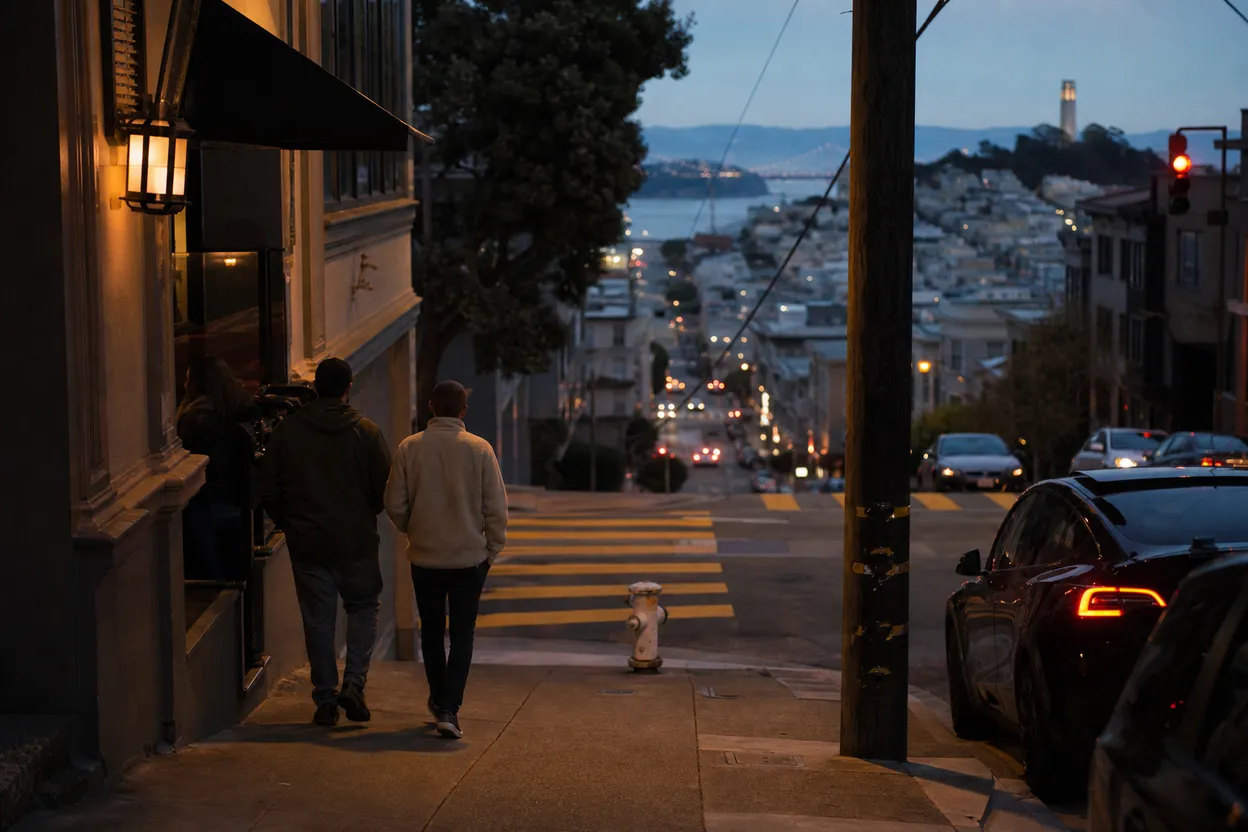
Your final check should happen after people are dressed and before anyone orders a ride or walks to Muni. Confirm the venue’s official listing, any program or event page, entry requirements, accessibility notes, and whether the room still matches the sound level you chose. If a site is unreachable, protected by security verification, or slow to load, do not fill the gap with social-media guesses. One official tourism source extract available for this article displayed a security verification page, and the San Francisco Recreation and Park Department source rendering failed; those are reminders to verify changing details directly on official pages when available.
Then check SFMTA for the trip. The agency’s official site provides trip planning, Muni routes and stops, visitor transportation information, neighborhood service resources, travel maps and guides, alerts, and travel-and-transit updates. If the route has changed, adjust the order of your stops rather than forcing the original idea. The best San Francisco nights feel casual because the verification was done early.
Tags: #SanFrancisco #SanFranciscoBars #NightOut #BarsNightsOut #Muni #SFMTA #TransitCheck #CityGuide #CrowdRisk #BackupPlan #AccessCheck #AskKarpo #BeforeYouGo #andyogles
Sources consulted: sftravel.com · sfmta.com · sfrecpark.org
All trademarks are the property of their respective owners.
Ask Karpo first
Ask Karpo first if your San Francisco night depends on timing, transit, access, or a specific room. Share your start point, preferred sound level, group constraints, and latest return time; Karpo can help shape a public, verifiable plan before you go.