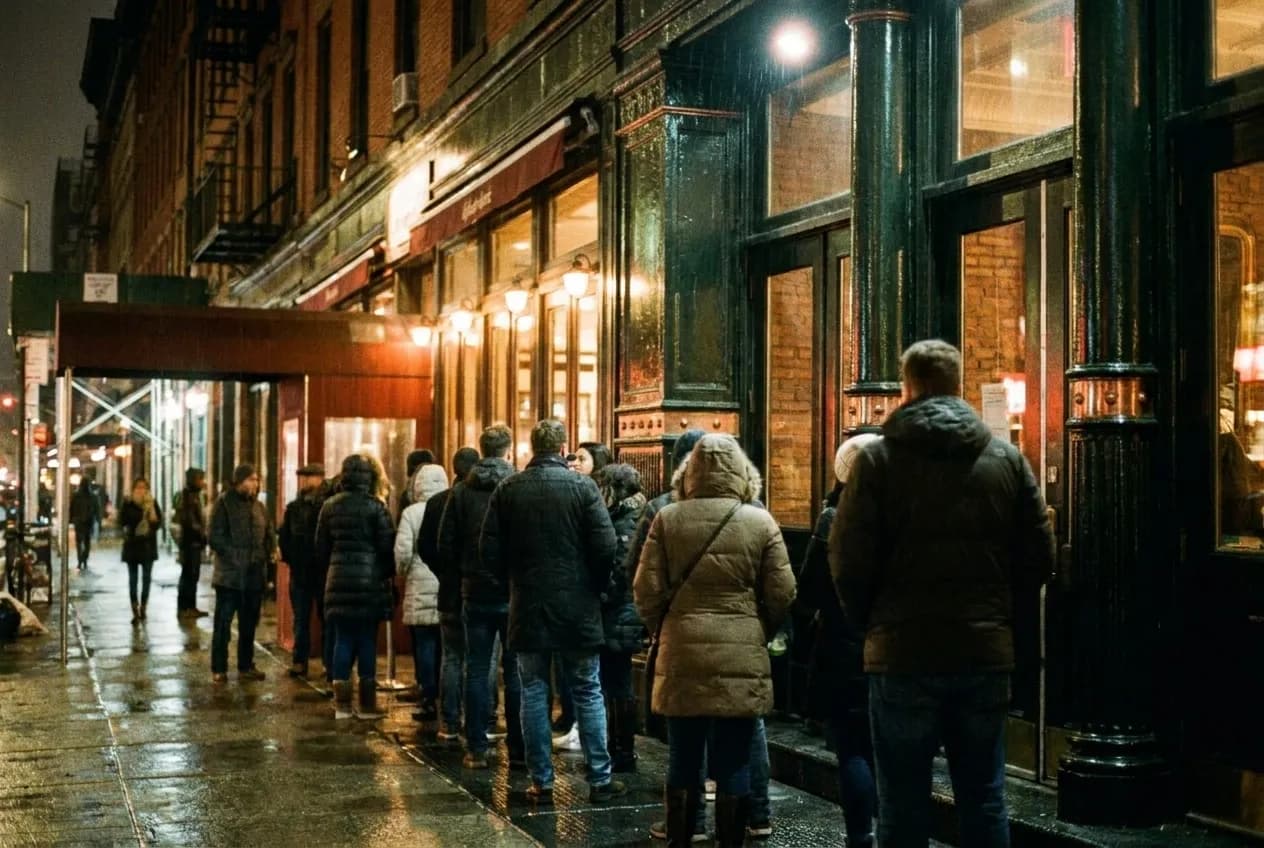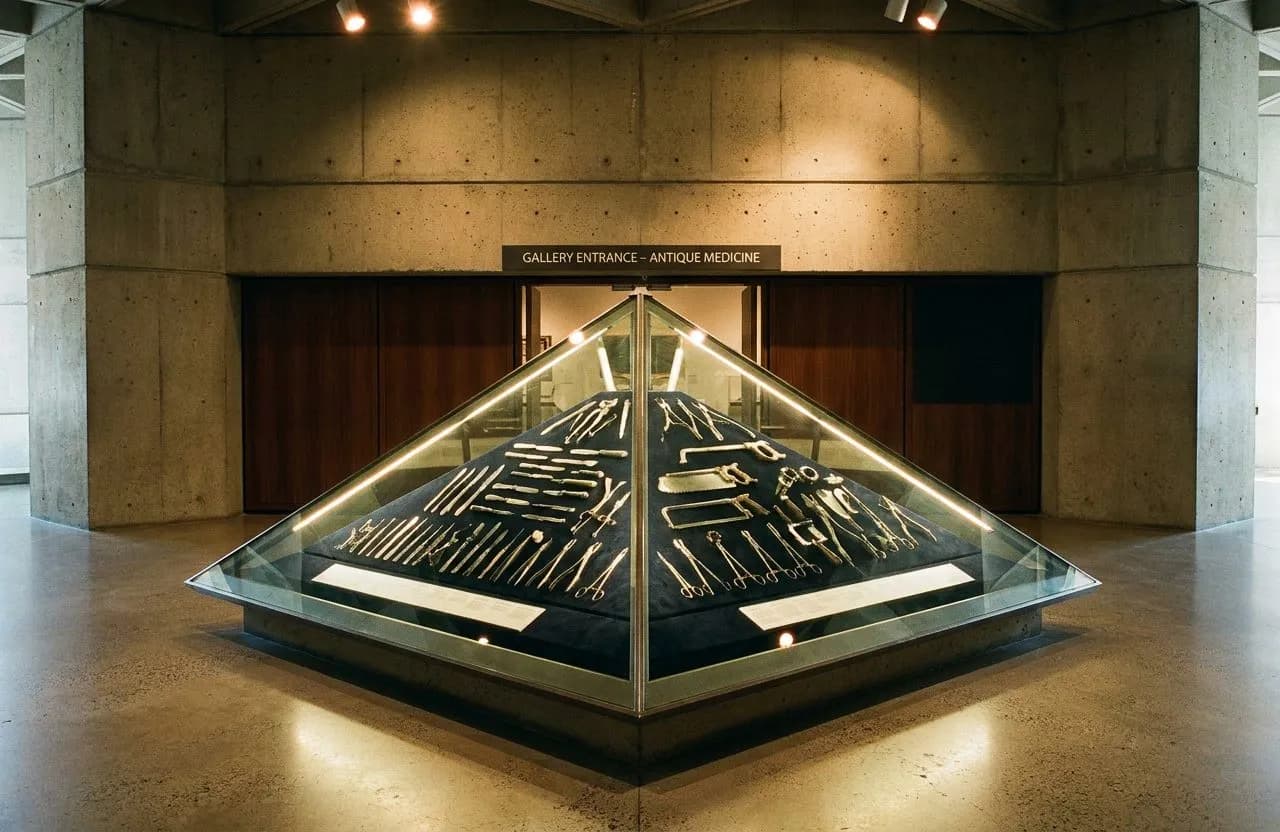
There's a particular kind of silence that settles over a room full of preserved human organs. Not the hush of a library or a cathedral, but something more curious—part reverence, part unease, and entirely captivating. The new Mütter Museum satellite in Gramercy trades Philadelphia's grand Victorian halls for an intimate gallery space, but the effect is unchanged: you're face-to-face with mortality, beautifully catalogued. This medical museum nyc outpost may be small, but its collection of anatomical specimens, surgical instruments, and wax pathology models carries the same authority as its storied parent institution.
A Cabinet of Curiosities, Curated for Rotation
Unlike the Mütter's permanent Philadelphia collection, the Gramercy anatomical gallery operates on a quarterly rotation. Loan pieces from private collectors appear alongside specimens from the museum's own archives, which means a visit in summer offers an entirely different experience than one in autumn. The space itself is modest—three rooms lit by adjustable spots that throw just enough shadow to remind you these were once living tissues. Glass vitrines line the walls; surgical kits rest on pedestals like relics from a more brutal age of medicine.
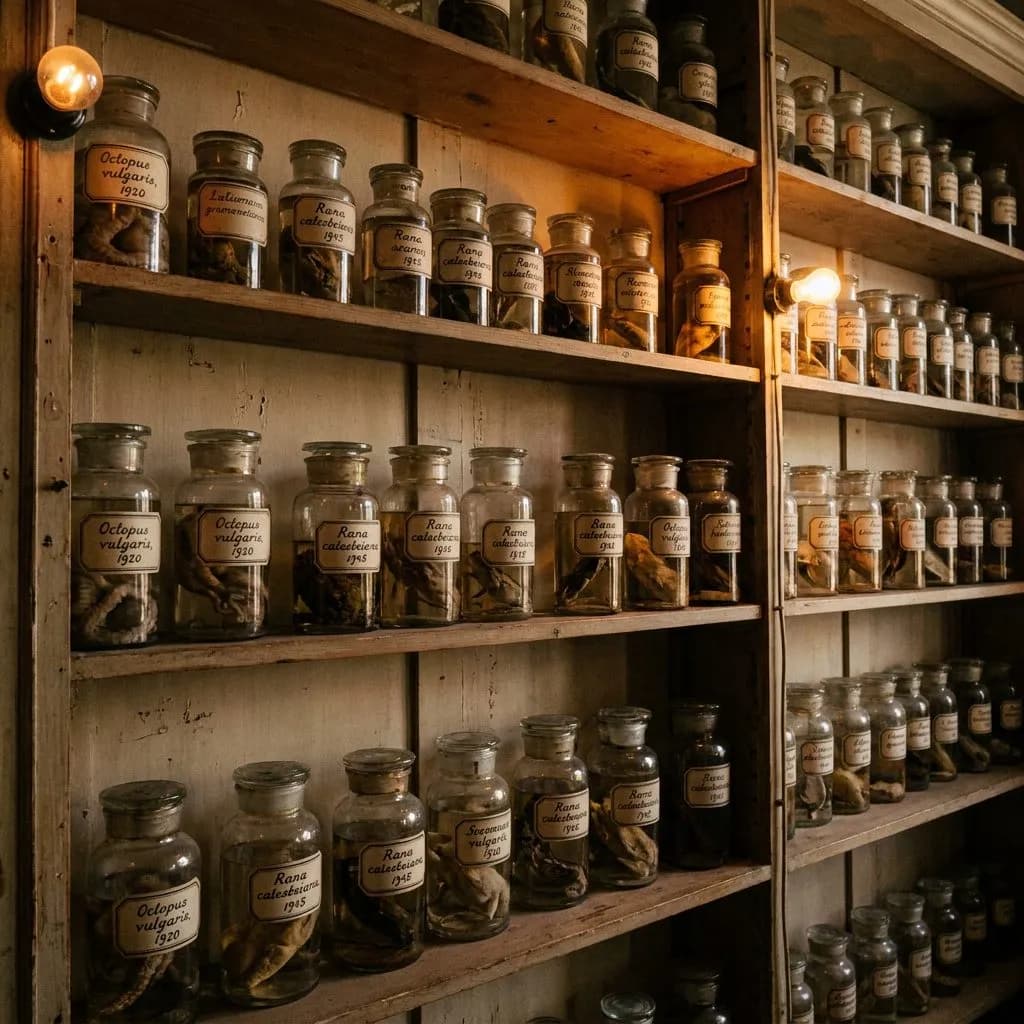
The curation leans into specificity. Rather than overwhelming visitors with rows of identical jars, each piece is contextualized with handwritten labels that note provenance, date, and the medical condition it represents. A Victorian amputation saw sits beside a daguerreotype of the surgeon who wielded it. A cross-section of cirrhotic liver shares wall space with temperance pamphlets from the same era. The effect is less gross-out, more contemplative—though the line between the two is admittedly thin.
The Wax Models: Beauty in Pathology
The true treasures here are the wax anatomical models, those uncanny teaching tools that predate photography and MRI scans. Crafted by European ceroplasticians in the eighteenth and nineteenth centuries, these sculptures rendered disease and deformity with an artistry that borders on the sacred. One model in particular commands attention: a wax depiction of a cleft palate repair, circa 1890, on loan from a private collector. The piece shows the palate in three stages—before surgery, mid-repair, and healed—with such fine detail that individual suture marks are visible. It's slated for display only until August 2026, after which it returns to its owner, making this summer the narrow window to see it.
Other wax figures depict syphilitic lesions, tubercular lungs, and obstetric complications, each rendered in beeswax tinted with mineral pigments. They're unsettling and gorgeous in equal measure. The light catches the translucency of the wax just so, and for a moment you forget you're looking at a model. That verisimilitude was the point, of course—these were teaching aids before cadaver labs became standard. Now they're artifacts of both medical history and folk art.
Monthly Curator Talks and Specimen Spotlights
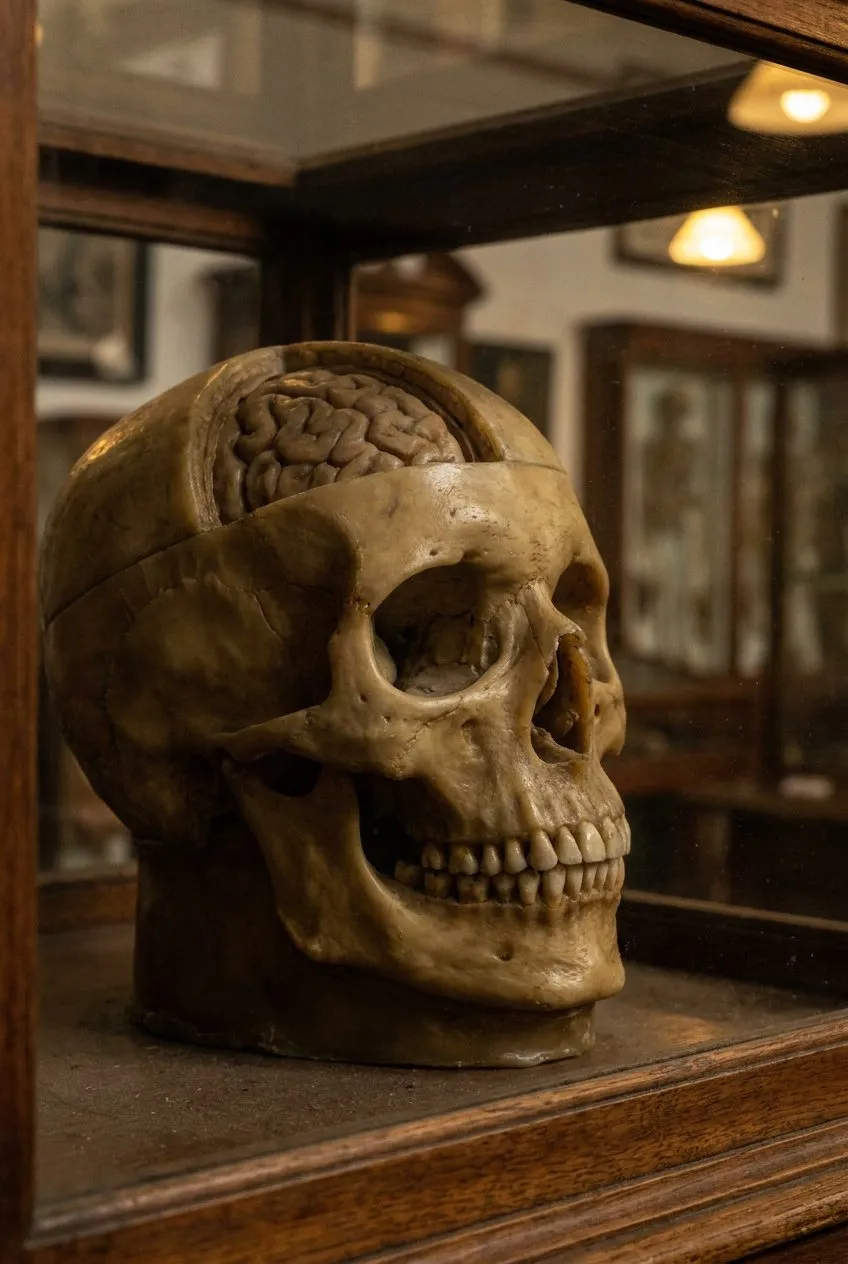
For those who want more than self-guided browsing, the museum offers a recurring program that turns a single object into a thirty-minute meditation. The museum may offer occasional curator talks, diving deep into the provenance, pathology, and cultural context of one piece in the collection. It's free with admission, and the tone strikes a balance between academic rigor and accessible storytelling. Recent topics have included the history of phrenology skulls and the evolution of obstetric forceps.
These talks draw a devoted crowd—grad students, medical professionals on their way home from shift work, and the morbidly curious who've made this a standing date. Arrive early if you want a seat; the gallery's intimate scale means capacity tops out quickly. The curator fields questions afterward, and the conversations tend to veer into bioethics, the limits of consent in nineteenth-century medicine, and whether beauty can exist in the display of suffering.
Interactive Mystery: Guess the Specimen
At the front desk, tucked beside the admissions logbook, sits a smaller journal inviting visitors to take a stab at anatomical detective work. The prompt is simple: examine Mystery Specimen #7, a preserved organ suspended in formalin within a cylindrical jar, and write down your guess as to its origin. Is it a kidney ravaged by disease? A fetal anomaly? A tumor excised in some long-ago operating theater? The museum keeps the answers under wraps, revealing them only at the end of each quarter when the collection rotates.
It's a small touch, but it transforms passive viewing into active inquiry. Visitors circle back to the mystery jar multiple times, peering from different angles, debating with companions. The logbook entries range from confident diagnoses scrawled in medical shorthand to whimsical guesses ('alien spleen?') that lighten the otherwise somber atmosphere. There's something democratic about it—the med student and the art teacher both get equal billing in the guess log, and both might be wrong.
What to Pair With Your Visit
Gramercy in late 2026 remains one of the city's quieter, more residential quarters, which makes the museum an ideal midpoint in a leisurely afternoon. The neighborhood's tree-lined streets and private park lend themselves to wandering, and there's no shortage of cafés where you can decompress after an hour spent contemplating mortality. Head south toward Union Square if you want energy and crowds, or west into the Flatiron District for bookshops and bistros. The museum's singular focus means you'll likely finish in ninety minutes, leaving plenty of daylight—or evening—to explore.
Summer visits bring their own texture. The gallery is climate-controlled, a welcome reprieve from the humidity outside, and the cool air seems to sharpen the effect of the specimens. There's also something about warm-weather leisure that makes a detour into the macabre feel especially indulgent—a knowing left turn away from rooftop bars and boat tours.
Practical Notes
The museum is presented as being on East 21st Street between Park Avenue South and Third Avenue in Gramercy. Nearest subway access is via the 6 train at 23rd Street or the N/R/W at 23rd and Broadway; street parking is metered and competitive. The museum typically operates Wednesday through Sunday afternoons and evenings, though hours shift seasonally—verify directly before planning your visit. The space is wheelchair accessible via a street-level entrance. Photography is permitted without flash; sketching is encouraged. Admission includes access to all current exhibits and the monthly curator talk. Bring curiosity and a strong stomach.
Tags: #MedicalMuseumNYC #GramercyAnatomical #MutterMuseum #TheOddEdit #AnatomicalSpecimens #NYCMuseums #GramercyNYC #MedicalHistory #SurgicalHistory #WaxModels #QuirkyNYC #HiddenGemNYC #MuseumLovers #Summer2026 #CuriosityCabinet
Sources consulted: Mütter Museum - Wikipedia · Official Mütter Museum · Gramercy Park - Wikipedia · Time Out New York · NY Times - New York
All trademarks are the property of their respective owners.