Miami fashion students heading back to class on Wednesday, August 5, 2026, can treat the anamaria goltes search spike as a visual research prompt, not a celebrity sighting, endorsement, or local appearance. The useful question is practical: how can a student at Miami Fashion Institute at Miami Dade College turn a trending personal-style reference into a board that survives critique, humidity, transit delays, and limited after-class energy? For a focused student working with a classmate downtown, the strongest plan starts with MDC’s program expectations, keeps every reference traceable, and leaves a backup edit if the board starts looking like fan content instead of fashion research.
Want a Miami-ready style board route before the afternoon gets away? Text Karpo for campus, transit, and critique prompts tied to Miami Fashion Institute and downtown timing.

Miami Fashion Institute Program Lens
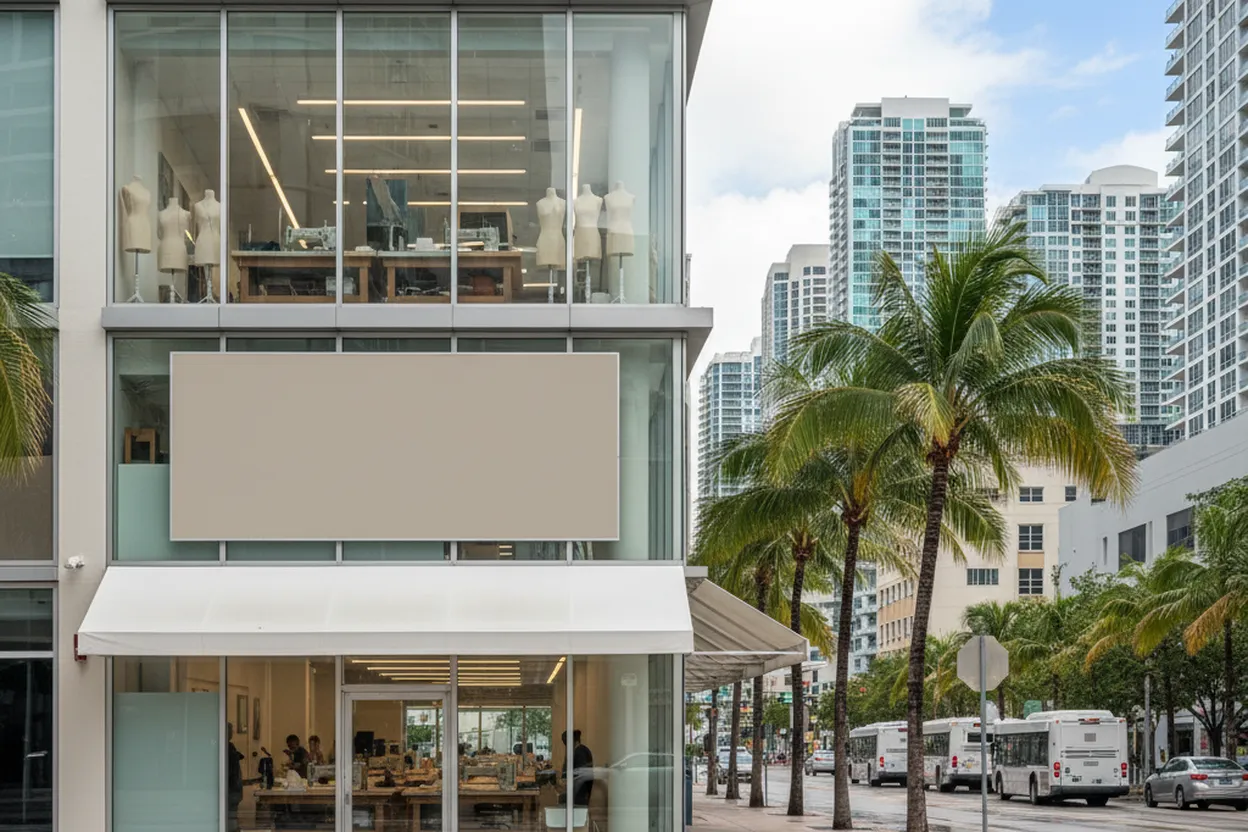
Start the board where the assignment will be judged: Miami Fashion Institute at Miami Dade College. The program publicly frames fashion as both art and business, with Fashion Design and Fashion Merchandising tracks that include portfolio, forecasting, research, textile, production, and merchandising work. That makes this trend useful only if the board translates a look into silhouette, color, material, retail context, customer, and presentation choices a faculty reviewer can evaluate.
A moderate after-class plan should limit the first pass to one clear thesis, six to ten images, and a short material note for each image. If the name dominates the page, the board is already drifting. Use the trend as the search entry point, then recast the board around observable styling decisions: tailoring, proportion, neutral layering, accessory restraint, sport-adjacent polish, or whatever the verified images actually support.
Wolfson Campus at 300 NE Second Ave
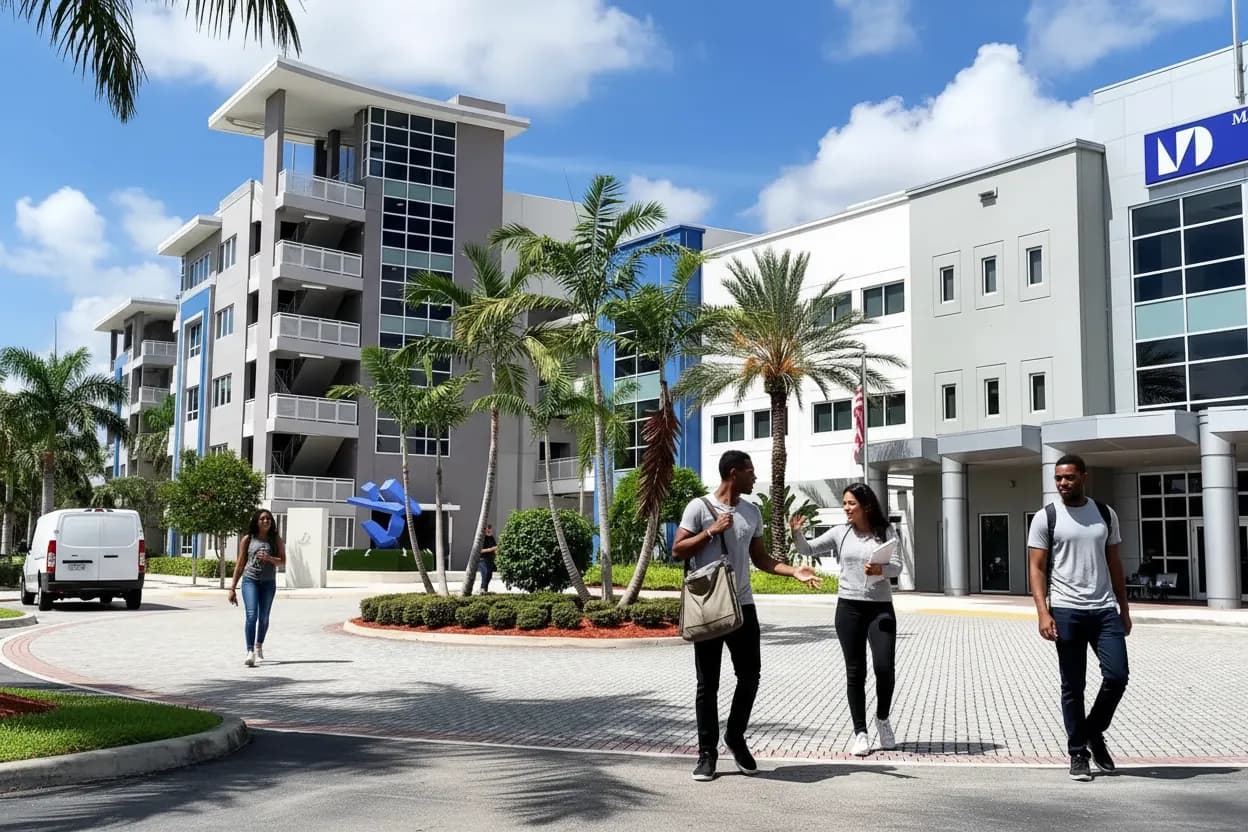
Wolfson Campus is listed by Miami Dade College at 300 NE Second Ave. in downtown Miami, which matters for pacing because students are not moving through a suburban campus with unlimited parking time. Build the session around short blocks: collect references before arriving, sort them near campus, and leave the last half hour for captions, source labels, and a print-or-digital export check.
The failure mode is assuming downtown convenience equals extra time. Elevators, security lines, rain bursts, garage movement, and a classmate arriving from another campus can compress the afternoon quickly. Keep a shared folder ready before meeting, name files by source and theme, and decide whether the board is for a printed pin-up, a PDF, or a digital portfolio page before anyone starts designing.
Government Center to Metromover Choice
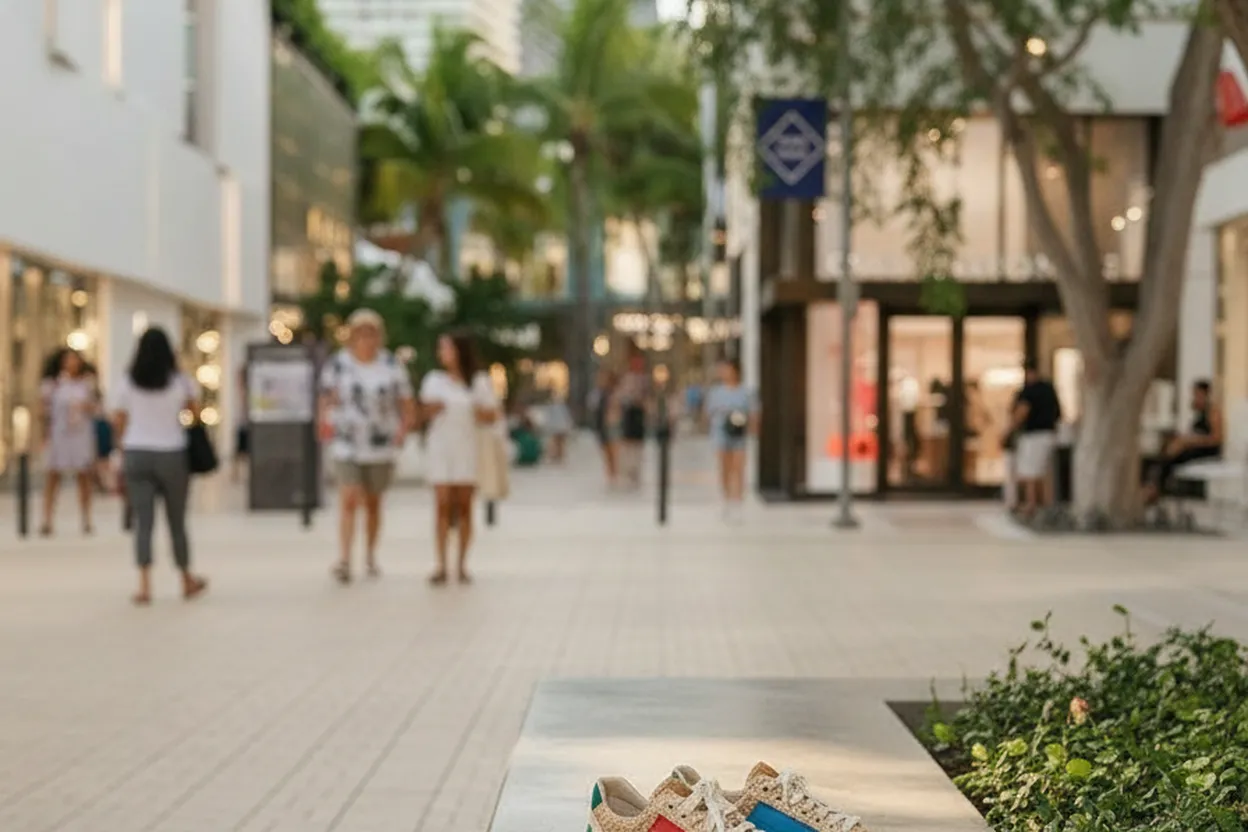
For students using transit, MDC’s Wolfson directions point Metrorail riders to Government Center and then to Metromover stations serving the campus area. Miami-Dade County describes Metromover as a free downtown people mover operating seven days a week in downtown, Omni, and Brickell, with Miami Dade College listed among major destinations. That makes it practical when carrying boards, laptops, or garment samples on a humid afternoon.
The tradeoff is reliability planning. Miami-Dade’s Metromover page flags upgrade work, service-interruption backup, loop differences, and elevator or escalator status tools. Before leaving, verify the live service page rather than relying on memory. If the loop is confusing or an access point is down, switch to a shorter walk, rideshare, or bus connection early enough that the board session is not reduced to rushed formatting.
Garage 1 and Parking Decal Decision
Students driving downtown should verify parking before committing to physical materials. MDC’s Wolfson parking information lists Garage 1 at 500 NE 2nd Avenue and Garage 2 at 35 NE 2nd Street, with posted weekday and Saturday hours and a note that Garage 2 is not open Saturdays. Student parking decals are handled through Student Life, so do not assume a last-minute campus parking fix will be quick.
Parking is a logistics choice, not a creativity choice. If the board requires foam core, swatches, or a cutting mat, driving may protect the work from rain and train crowding. If the assignment can be digital, transit may save attention for editing. The backup is simple: pack flat work in a hard folder, keep a cloud copy, and avoid buying materials until the instructor confirms the delivery format.
ACCESS-Ready PDF for Wolfson Review
Accessibility planning should be part of the project plan, not an apology after something goes wrong. MDC identifies ACCESS Disability Services as the college resource for students who need accommodations, and students should use current campus contacts or posted hours before relying on a specific room or service window. For a shared board session, design the workflow so the file remains usable if someone needs assistive technology.
Readable type, strong contrast, descriptive file names, and image captions are not extra polish; they protect the argument of the board. Do not flatten the final piece into one unlabeled image unless the instructor specifically requires that format. If a classmate cannot review a dense collage quickly, the backup is a structured PDF with headings, captions, source links, and a short thesis that can be read without guessing.
Downtown Miami Humidity Kit
The locked plan assumes a humid Miami afternoon, and that affects more than comfort during an after-class session. Paper curls, adhesive weakens, garment swatches absorb moisture, and laptop batteries drain faster when students keep moving between buildings, trains, garages, and cafes. A production-minded kit should include a hard folder, clips, a small towel, water, a charger, and digital copies of every image and caption.
Do not build a board that depends on delicate physical materials unless the class format rewards them and the room conditions are known. For Miami in August, a hybrid board is safer: print only the key images, keep swatches sealed until critique, and maintain a digital version that can be projected or uploaded. If rain, heat, or a late train disrupts the plan, the work still reads as intentional.
Advisor Message Before Submission
The final action should be verification with the program, advisor, or instructor, especially because back-to-school requirements, room access, printing rules, critique formats, and image-use expectations can change. Miami Fashion Institute’s public pages describe program tracks and invite students to contact an advisor, but they do not replace a current syllabus. If the assignment requires original sketches, fabric sourcing, or a citation format, the trend board must follow that requirement.
Send one concise email or learning-platform message before the deadline: confirm whether celebrity-adjacent references are acceptable, whether AI-generated or social images are restricted, and whether the board needs printed, digital, or portfolio-ready delivery. Attach a low-resolution draft if permitted. The last check is plain and complete: every image has a source, every claim is observable, and Miami logistics will not decide the grade.
Tags: #AskKarpo #BeforeYouGo #Miami #MiamiFashionInstitute #MiamiDadeCollege #WolfsonCampus #BackToSchool #FashionStudents #StyleBoard #MoodBoard #PortfolioPrep #DowntownMiami #Metromover #StudentPlanning
Sources consulted: Source 1: mdc.edu · Source 2: mdc.edu · Source 3: mdc.edu · Source 4: miamidade.gov · Source 5: www3.mdc.edu
All trademarks are the property of their respective owners.
Ask Karpo first
Tell Karpo your date, group size, budget, and starting point. We’ll check current access, timing, transit, and the cleanest Miami plan for Miami Fashion Institute at Miami Dade College before you head out.