 Fast Food Near Me in the East Village: Crif Dogs Deep-Fries Its Franks
Free Things to Do
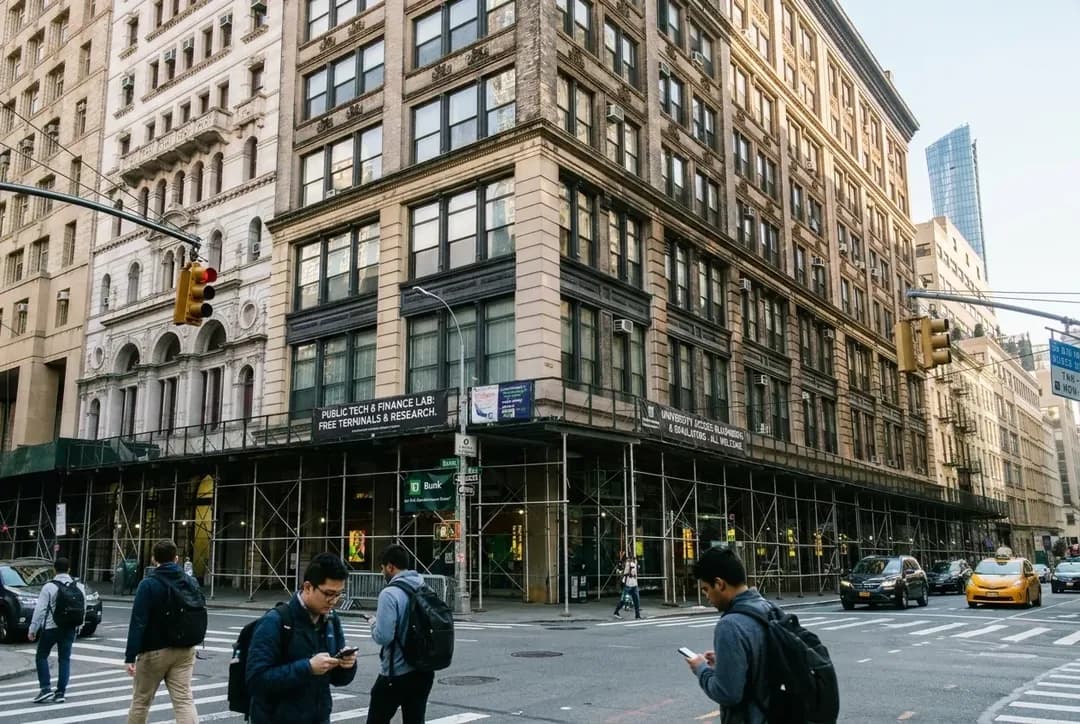
AMD Stock Research: Free NYC Tech-Library Trading Simulators and Market Data Terminals
Navigate NYC's free public tech terminals and trading simulators to research semiconductor stocks without paying for premium platforms. Verify access policies before you travel.
Researching amd stock and semiconductor market dynamics typically demands expensive subscriptions to financial data platforms, but New York City offers a hidden network of public-access terminals where aspiring traders can analyze real-time quotes, historical charts, and industry reports at no cost. University libraries, public branch tech centers, and specialized business resource hubs across the five boroughs maintain Bloomberg terminals, Refinitiv Eikon workstations, and stock-market simulators originally installed for students and entrepreneurs—many of which permit walk-in use or advance booking by non-affiliated visitors. The challenge lies not in finding hardware but in deciphering each institution's guest-access rules, peak-demand windows, and identification requirements, since policies shift between semesters and budget cycles. For a solo researcher spending a weekday afternoon or weekend session diving into semiconductor earnings, supply-chain data, and technical indicators, understanding which locations welcome the public, which demand library cards or alumni status, and which close terminals during exam periods transforms a speculative trip into a productive deep-dive.
Text Karpo your nearest library branch, what stock research you want to try, your available weekday hours, and whether you have a library card—we'll send terminal locations with the shortest wait times, explain how to access AMD earnings reports, and recommend one free mobile simulator as a backup.
Mapping Terminal Locations and Institutional Access Tiers
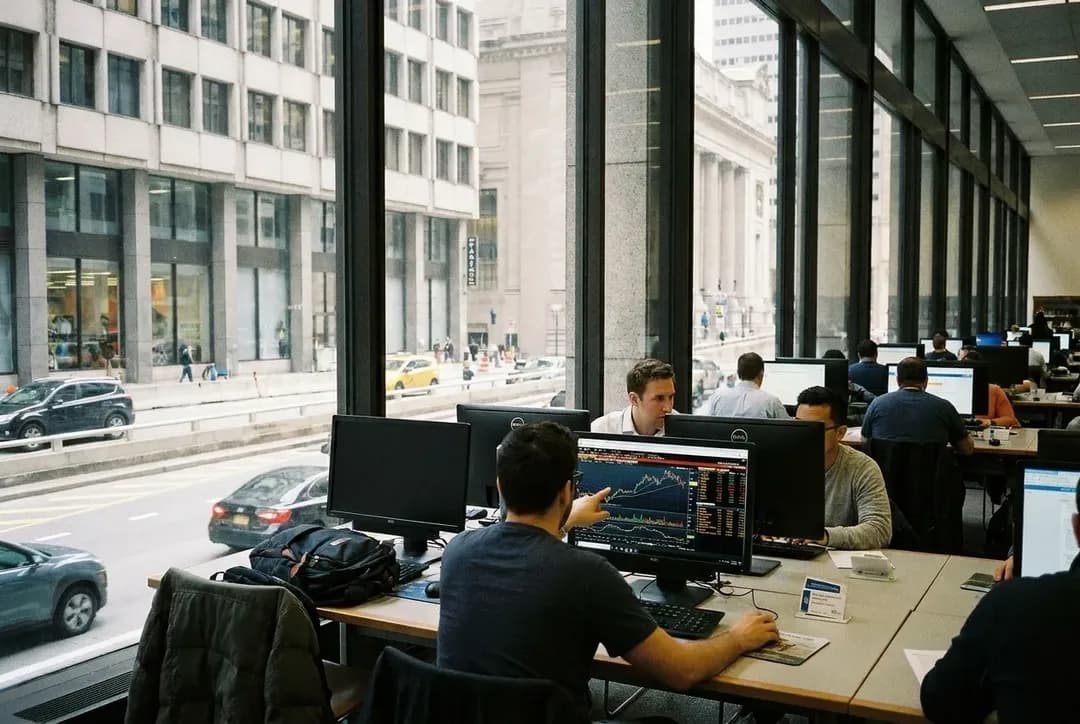
Public library systems and university business schools represent two distinct access models. The New York Public Library's Science, Industry and Business Library historically housed Bloomberg terminals in its midtown Manhattan reading room, though terminal counts fluctuate with licensing renewals and space renovations; calling ahead or checking the library's online reservation portal confirms current availability and whether a free NYPL card—issued on the spot with proof of address—grants booking privileges. Brooklyn Public Library's Business & Career Center and Queens Public Library's central branch in Jamaica have periodically offered similar setups, but each borough manages tech resources independently, so a card valid at one system may not unlock terminals elsewhere.
University libraries present a patchwork: some restrict terminals to enrolled students and faculty, others allow alumni with valid ID to book slots, and a few permit genuine public walk-ins during low-demand hours. Baruch College's Newman Library, serving the City University of New York's business-focused campus, maintains a trading floor with live-data feeds, yet access rules hinge on CUNY affiliation; calling the reference desk clarifies whether community researchers can purchase a day pass or join a public workshop that includes supervised terminal time. Columbia Business Library and NYU Stern occasionally open doors during designated community events, but spontaneous drop-ins rarely succeed without prior registration.
Decoding Reservation Systems and Peak-Congestion Windows
Even when a library permits public bookings, competition for terminals spikes during market hours and semester midterms. Most institutions use online calendars where users claim thirty-minute to two-hour slots; scanning the week ahead reveals whether early mornings or late afternoons offer open inventory, and booking the maximum allowed duration—then arriving early to troubleshoot login credentials—maximizes research yield. Some branches enforce a one-session-per-day cap or require a twenty-four-hour gap between bookings, designed to distribute access fairly but frustrating traders who need consecutive days to track earnings-call reactions or sector rotations.
Peak congestion typically clusters around quarterly earnings seasons—mid-January, late April, late July, and late October—when finance students and retail investors flood terminals to parse conference-call transcripts and analyst updates. Visiting during summer intersession or winter break reduces wait times, though reduced library hours and terminal maintenance windows can shrink availability. Checking the library's event calendar for workshops or group orientations also matters: a scheduled Bloomberg certification class may lock all workstations for three hours, turning an unannounced visit into wasted subway fare.
Navigating Identification Requirements and Guest-Credential Workarounds
Identification policies vary by institution and sometimes by individual staff discretion. A public library card usually suffices at NYPL or borough branches, but university terminals may demand government-issued photo ID, proof of New York residency, or a referral letter from a faculty member. Some schools issue temporary guest logins valid for a single session, requiring the visitor to surrender ID at the circulation desk and sign a usage agreement promising not to execute live trades or download proprietary data—violations that can result in permanent bans and, theoretically, civil liability if licensing terms are breached.
Alumni networks offer a side door: graduates of CUNY, Columbia, or NYU often retain library privileges for a modest annual fee, and some institutions extend those privileges to the alumnus's immediate family or research collaborators. If you lack a degree but know someone who does, asking them to sponsor a guest pass or accompany you during the session can bypass public-access restrictions. Alternatively, attending a free financial-literacy workshop hosted by the library—many run monthly series on retirement planning or stock basics—sometimes includes a post-session terminal demo where participants can ask the instructor to pull up specific tickers and datasets.
Evaluating Data Depth: Bloomberg Versus Simulator Platforms
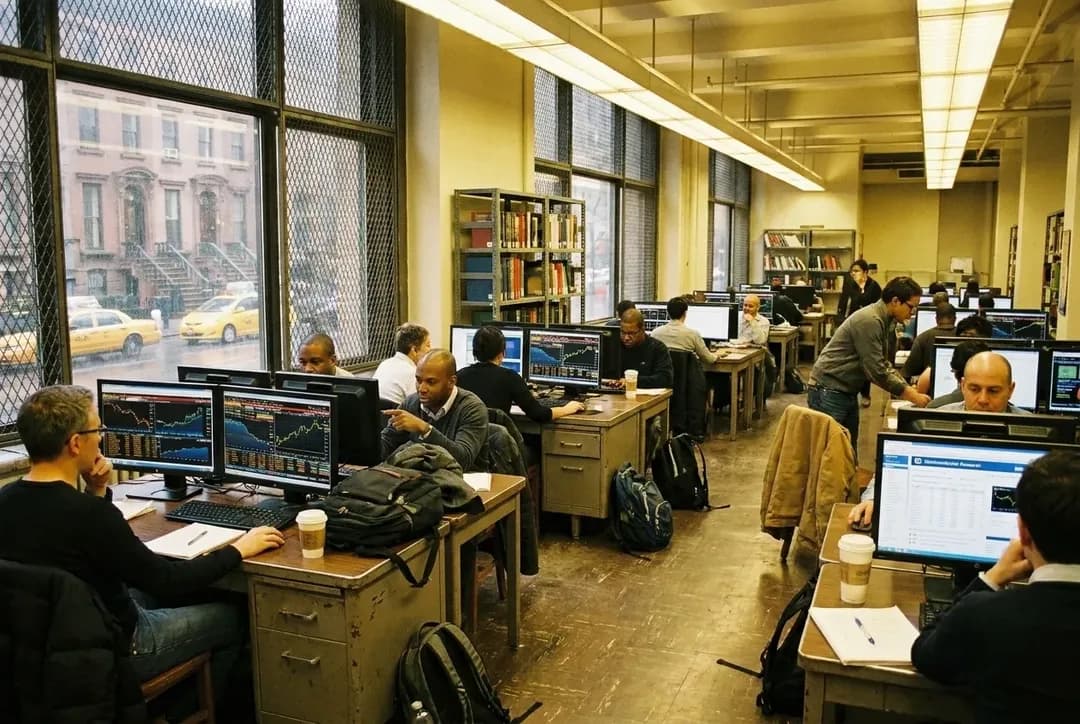
Not all terminals offer identical functionality. A full Bloomberg Professional installation delivers real-time quotes, intraday charts, earnings estimates, supply-chain maps, and the proprietary news feed that institutional traders rely on; a public-library version may disable certain modules—options analytics, fixed-income pricing, or API access—to comply with lower-tier licensing. Simulators like StockTrak or Investopedia's virtual portfolio tools, sometimes loaded on adjacent workstations, let users practice order entry and portfolio construction with delayed data but lack the forensic depth needed to compare AMD's gross margins against Taiwan Semiconductor's or to overlay semiconductor-equipment orders with chip-design-software revenues.
For semiconductor-focused research, prioritize terminals that include access to FactSet's supply-chain database, S&P Capital IQ's peer comparisons, or Bloomberg's SPLC function mapping component suppliers. If the available terminal lacks those modules, pivot to the library's subscription databases accessible via any networked computer: Mergent Online, Value Line, and IBISWorld industry reports provide narrative context on fab-capacity expansions, geopolitical export controls, and AI-accelerator demand trends that frame why a stock moves. Combining a thirty-minute Bloomberg slot for live quotes with an hour on a standard PC pulling PDFs of analyst reports and SEC filings often yields richer insight than two hours staring at a single candlestick chart.
Planning Logistics: Subway Routes, Session Timing, and Contingency Stops
Reaching a midtown library from outer boroughs on a weekday afternoon means navigating MTA service changes; checking the authority's planned-work advisories before departure prevents surprises when a suspended line forces a longer bus transfer. Arriving fifteen minutes before your reserved slot accounts for security queues, coat-check lines, and the inevitable reset when a terminal's Bloomberg login times out. Bringing a notebook or tablet to jot ticker symbols, chart patterns, and follow-up questions ensures you don't lose momentum if the session ends before you finish; many libraries prohibit screenshots or USB drives to protect proprietary data, so manual notes become your only export.
If your first-choice library shows no availability, mapping two or three backup branches within a reasonable subway radius turns a wasted trip into a flexible research day. A morning slot at the Science, Industry and Business Library can pair with an afternoon walk to the Mid-Manhattan branch's business section for print journals, or a Brooklyn Public Library session can precede a stop at a nearby co-working space offering day passes with Wi-Fi for post-terminal analysis. Solo researchers benefit from this modular approach: each location contributes a piece—live data here, historical reports there, quiet desk space for synthesis elsewhere—and the aggregate delivers a comprehensive picture without the recurring cost of a personal subscription.
Tags: #FreeThingstoDo #NYCLibraries #StockResearch #BloombergTerminals #TradingSimulators #FinancialData #PublicAccess #TechResources #SemiconductorStocks #MarketResearch
Sources consulted: Source 1: nycgovparks.org · Source 2: new.mta.info · Source 3: nypl.org · Source 4: a816-health.nyc.gov
All trademarks are the property of their respective owners.
Ask Karpo first
Ask Karpo to turn this NYC idea into a current plan for your date, budget, companion, transit preference, and energy level. Karpo can narrow the route and flag what to verify before you go.
Ask Karpo for more information.
Keep reading
- Fast Food Near Me in the East Village: Crif Dogs Deep-Fries Its Franks
 Things To Do Near Me in NYC: Riding the Roosevelt Island Tram
 Things To Do Near Me in Washington Heights: The Cloisters' Medieval Galleries