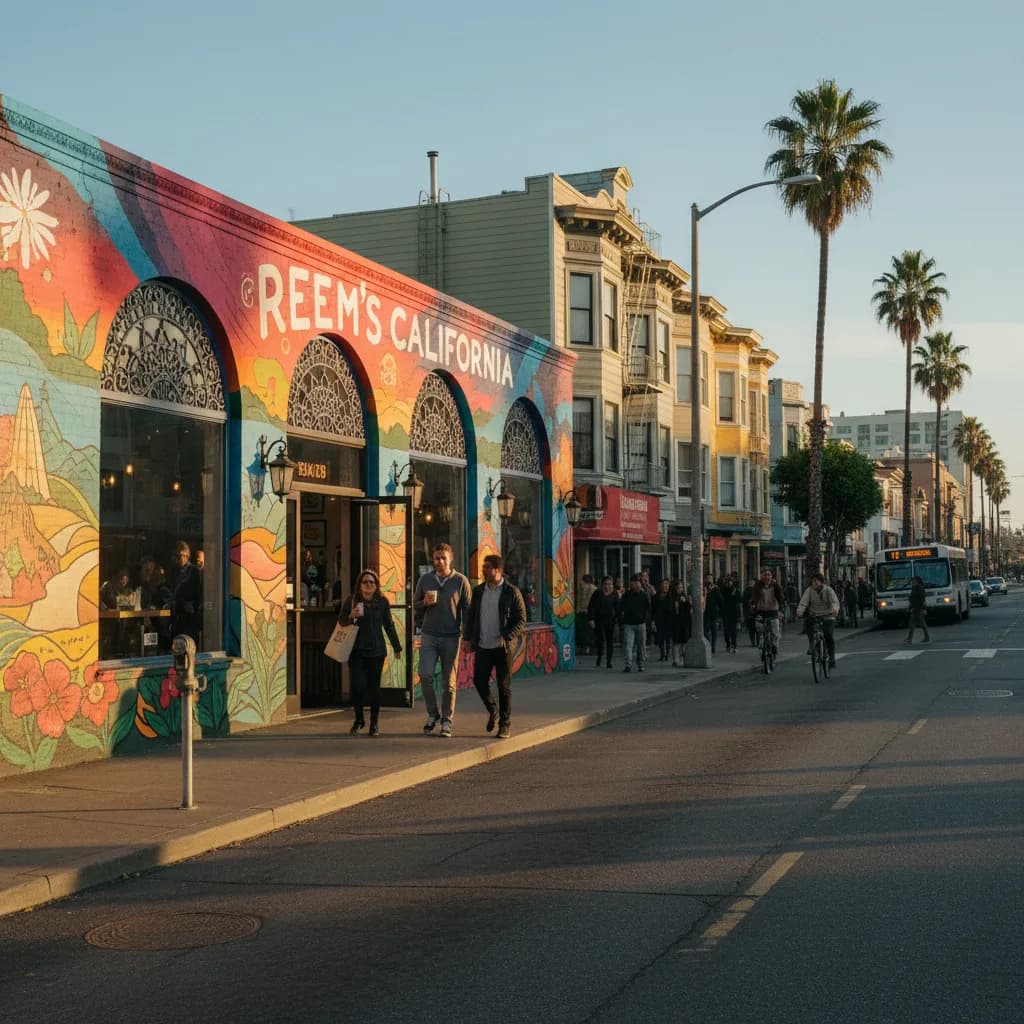
 Reem's California Mission: Best Mediterranean Food, Za'atar, and Community
Restaurants
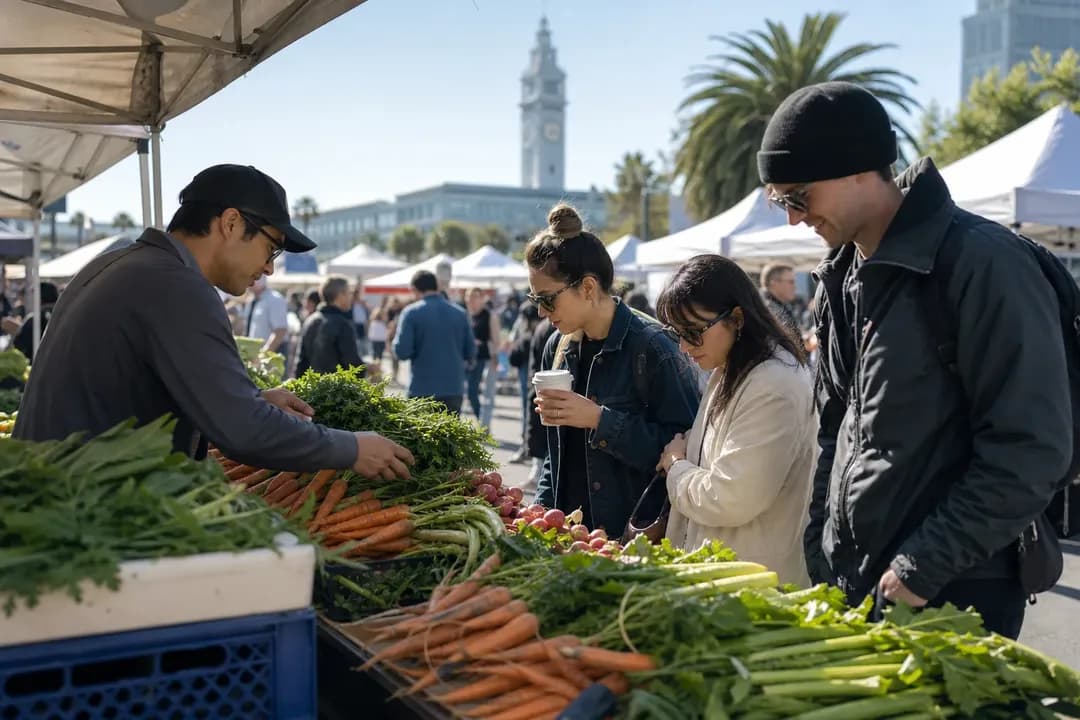
Alycia Parks Match Update: SF Farmers Market Price Comparison Route
A Saturday market route can feel like a live scoreboard when every tomato, bunch of herbs, and prepared lunch has a tradeoff. Use this plan to compare Ferry Building, Alemany, and Heart of the City without pretending yesterday's prices still hold.
Search interest around alycia parks is only a hook here, not a claim that any athlete or event is tied to San Francisco. The useful match update for weekend grocery shoppers is the contest between quality, price, transit time, payment flexibility, and the patience required to compare multiple farmers markets before the best items disappear. This route is built for solo shoppers or pairs who like the small win of leaving Saturday morning with better produce, a realistic prepared-food plan, and fewer impulse buys. It uses Ferry Building, Alemany, and Heart of the City as comparison points, while keeping hard facts limited to official city and agency information supplied for this brief. Because exact vendor hours, stock, prices, organic certification, bulk discounts, and benefit programs can change, the real advantage comes from a repeatable field method: observe, record, verify, then decide.
Which produce categories matter most for your budget—organic greens, stone fruit, or prepared foods—and can you visit multiple markets in one morning? Share your transportation method and EBT needs, and we'll design a price comparison route with a backup market for vendor absence weeks.
Start With A Price Sheet, Not A Shopping List
Begin before leaving home by making a compact comparison sheet with columns for market, vendor name, item, unit size, posted price, organic or conventional label, payment methods, and any bulk language shown at the stall. Leave two columns for taste or freshness notes and whether you would actually buy again. This sounds slower than wandering, but it prevents the most common farmers market mistake: judging value from memory while carrying bags and dodging crowds. For restaurants-minded shoppers, add one line for prepared foods so breakfast or lunch spending is compared beside groceries instead of treated as invisible trip cost.
Do not fill the sheet with assumed prices from old posts, social videos, or another shopper's haul. Treat every number as live information that needs to be seen that morning. If a sign is unclear, ask the vendor for the unit price and whether a larger quantity changes the total before you buy. If payment acceptance matters, confirm before the order is packed. EBT, matching programs, cards, cash preferences, and tokens can vary by operator or stall, so the practical move is to ask at the market information point and again at the vendor when the answer affects the purchase. Alycia parks belongs in the search trail; your basket needs direct confirmation.
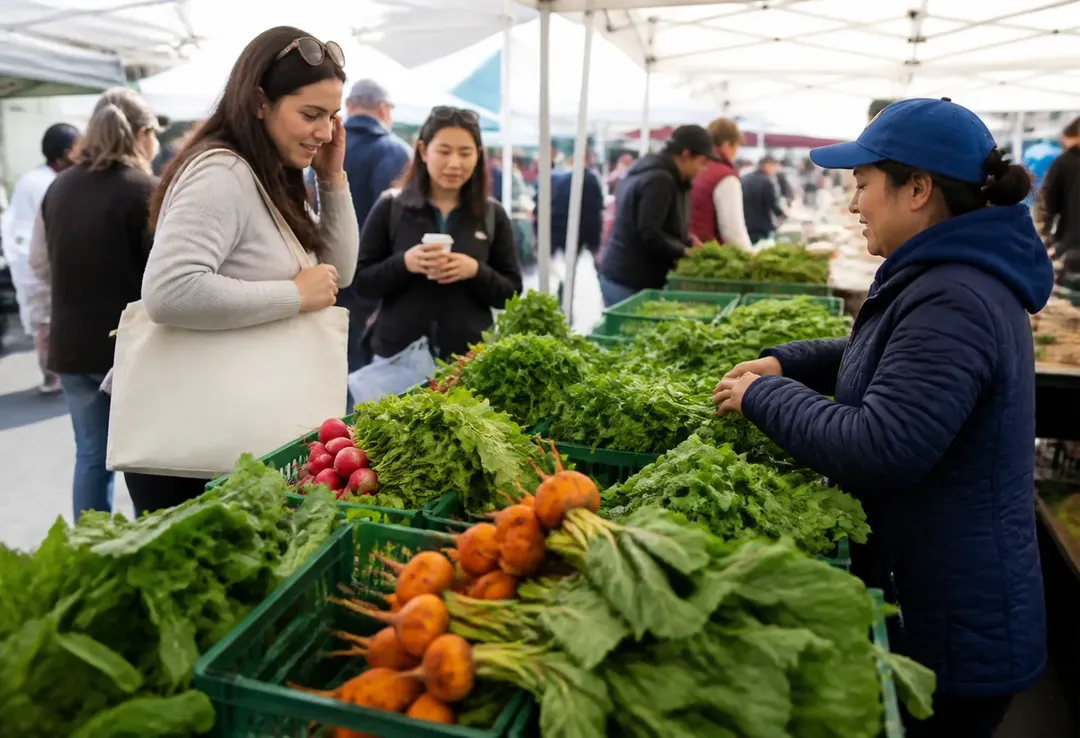
Ferry Building For Quality Signals And Prepared Food Discipline
Use Ferry Building as the benchmark stop, especially if your Saturday includes both produce scouting and a prepared-food decision. The value here is not automatically the lowest price; it is the chance to examine display quality, packaging, origin language, specialty varieties, and the premium shoppers may be willing to pay for convenience or a polished waterfront market experience. Because this location can tempt people into restaurant-style spending, set a prepared-food ceiling before arrival. If a breakfast item, coffee, or snack would crowd out the produce budget, record it as part of the route cost rather than a separate treat.
At this stop, focus on two or three seasonal produce categories rather than trying to price the whole market. Choose items you are willing to buy at any of the three markets, such as fruit, greens, or pantry staples, but avoid claiming a fixed seasonal list unless you verify it on-site. Compare visible cues: unit size, whether bunches look comparable, whether imperfect items are separated, and whether any stall offers a larger quantity. When organic certification or growing practice language appears, record the exact wording instead of reducing it to a simple better-or-worse label. The goal is to build a reference point for later stops, not to finish shopping immediately.
Alemany As The Bulk-Value Test
Make Alemany the route's bulk-value test because the brief's purpose is to compare multiple neighborhoods, not crown a single winner in advance. Arrive with enough bag space and a strict rule: only buy in volume after you have a confirmed use for the food. A low per-unit price becomes waste if the produce wilts before Monday. For pairs shopping together, divide roles. One person records posted prices and payment details while the other inspects condition, ripeness, and carry weight. That split keeps the visit moving and lowers the chance that enthusiasm turns into overbuying.
This stop should answer three practical questions. First, does buying more materially change the price, or is the stall simply selling larger amounts? Second, are comparable items meaningfully different in freshness, size, or sorting? Third, does transit from here make heavy purchases sensible for the rest of the route? SFMTA states that people can get around San Francisco by Muni transit, biking, walking, driving and parking, taxis, and accessibility services, so shoppers have options, but each option affects what can be carried. If the route still has another market ahead, prioritize durable goods here and leave fragile, ready-to-eat items for the final stop.
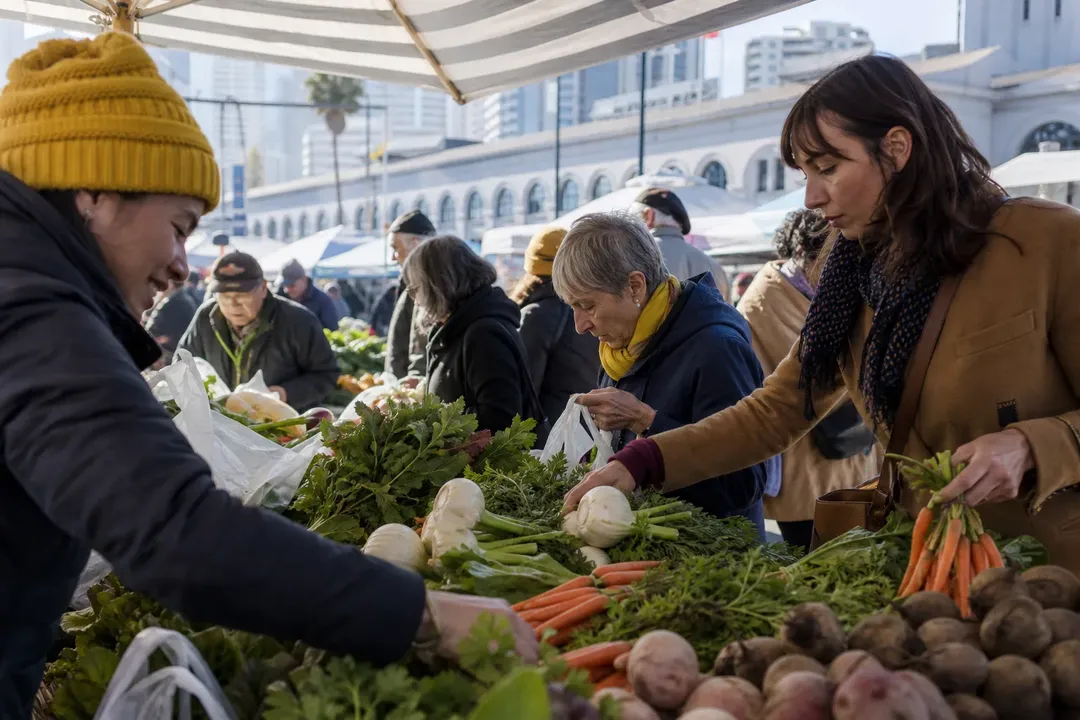
Heart Of The City For Payment Checks And Final Buys
Use Heart of the City as the final decision point, especially for shoppers optimizing weekend grocery budgets rather than browsing for atmosphere. By the third stop, your sheet should show whether an item is truly cheaper, merely sold in a different unit, or worth paying more for because it looks better for your planned meals. This is also the moment to confirm payment details again. If EBT or matching programs are part of the budget, verify the current process at the market information point before assuming a stall can handle the transaction directly.
This market also works as the place to close gaps in the basket. If Ferry Building set a quality benchmark and Alemany tested bulk value, Heart of the City can settle the tradeoff between price confidence and trip fatigue. Buy the items where the evidence is strongest, not where the route happens to end. If prepared foods are still on the plan, compare them against what remains in the grocery budget and the timing of the trip home. Restaurant-style convenience can be worth it, but it should compete openly with produce, pantry items, and payment flexibility rather than slipping into the basket because everyone is hungry.
Transit, Weather, And The Morning Decision Rule
Before leaving, check SFMTA travel and transit updates instead of assuming last week's route still works. The official updates page lists travel advisory types including accessibility, bicycle, parking, taxi, driving, transit, and walking, and it notes temporary stop relocations are updated every 30 minutes on the hour. For the weekend immediately after the current date of August 6, 2026, the supplied SFMTA extract also flags Outside Lands from August 7 to 9 and the Pistahan Parade on Saturday, August 8, with temporary impacts until streets clear. Those events do not make the market route impossible; they make route checking part of the savings plan.
Weather should shape the route as much as price. The National Weather Service San Francisco Bay Area page supplied for August 6, 2026 notes elevated to near-critical fire weather conditions and says Moderate HeatRisk returns and becomes widespread over the weekend. It advises drinking plenty of water or sports drinks, taking frequent breaks in air conditioning or shade, and shifting outdoor activity to cooler times of day. For this market comparison, that supports an early start, shorter dwell time, lighter carrying loads, and a willingness to stop once the data is good enough. The best result is not visiting every stall; it is buying confidently without letting heat, transit disruption, or fatigue erase the savings.
Tags: #SanFrancisco #Restaurants #farmersmarkets #grocerybudgeting #weekendroute #publictransit #marketcomparison
Sources consulted: Source 1: sfmta.com · Source 2: sfpl.org · Source 3: sfmta.com · Source 4: weather.gov
All trademarks are the property of their respective owners.
Ask Karpo first
Ask Karpo to turn this San Francisco idea into a current plan for your date, budget, companion, transit preference, and energy level. Karpo can narrow the route and flag what to verify before you go.
Ask Karpo for more information.
Keep reading
- Reem's California Mission: Best Mediterranean Food, Za'atar, and Community
 Finding Burmese Restaurants Open Near Me: Burma Love in Mission
 Outer Sunset Seafood Near Me: Hook Fish Co's Day-Boat Delights