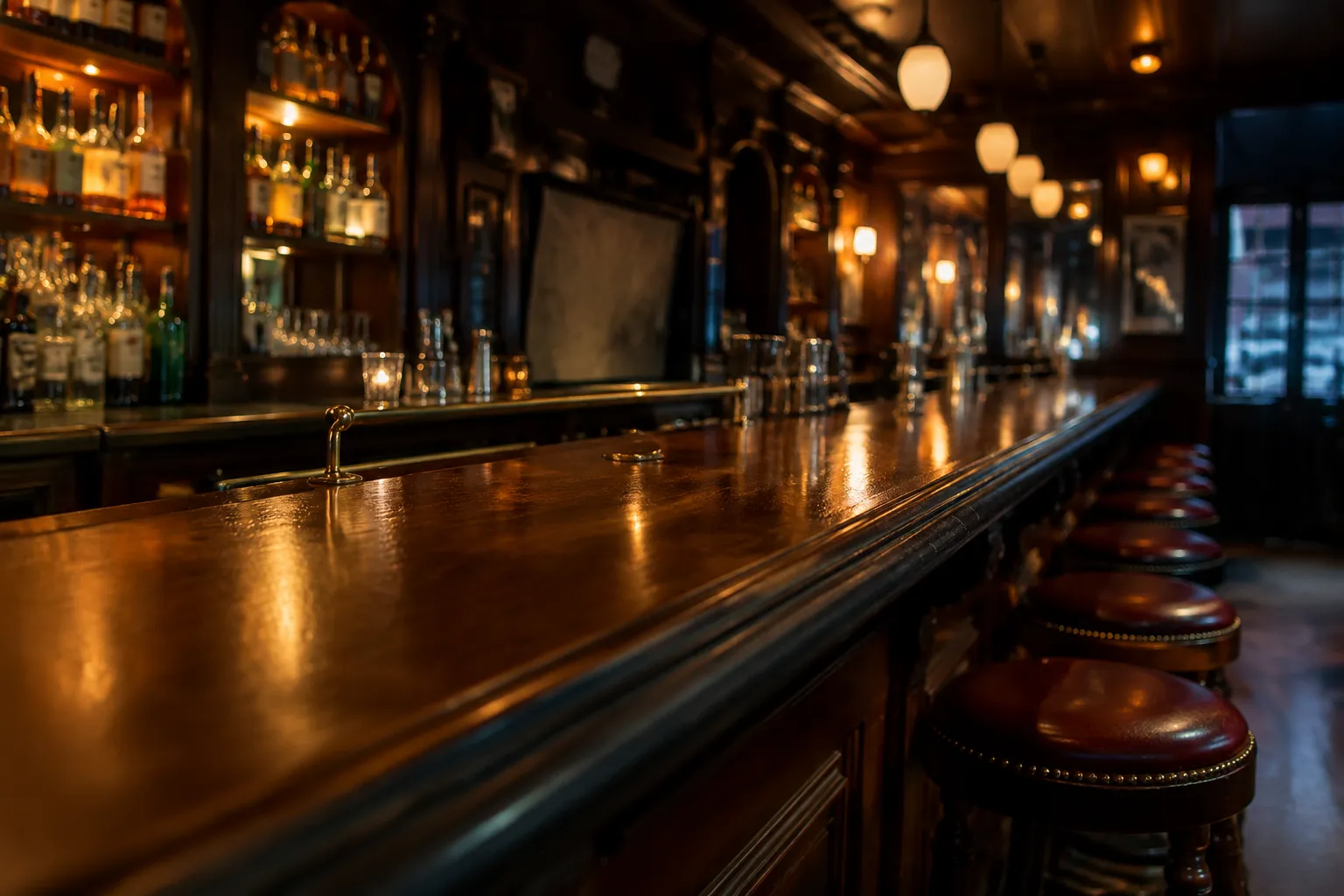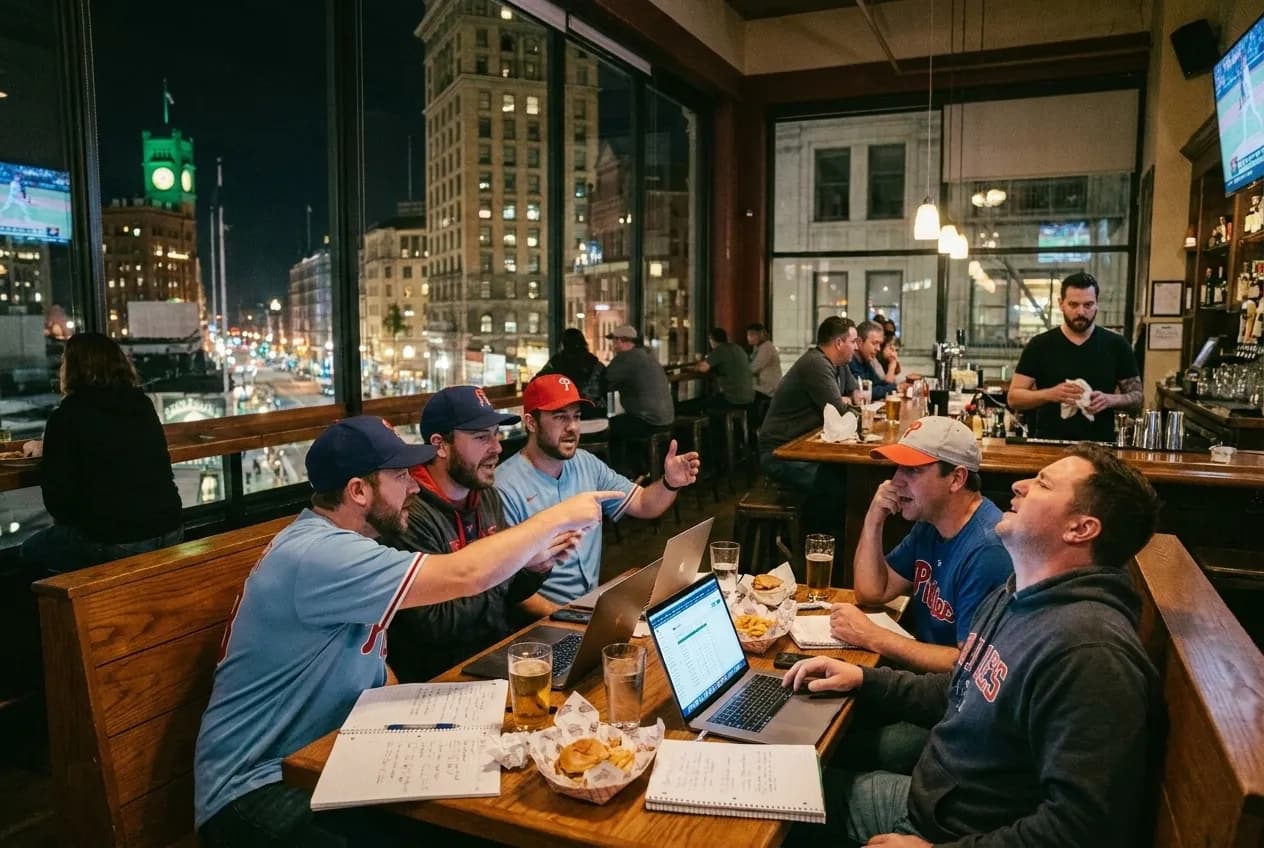
When alec bohm trade speculation dominates baseball conversation in August 2026, San Francisco's argumentatively energized fans need more than a quick drink—they need venues equipped for marathon debate sessions. The ideal late-night bar for dissecting roster moves, contract implications, and farm system valuations must balance several competing needs: booth seating that accommodates spread-out laptops and stat sheets, kitchen service extending past midnight for fuel during hour three of discussion, and most critically, staff willing to tolerate the passionate volume and duration of rival-opinion friends hashing out front-office strategy. Mission and SOMA districts concentrate many late-operating establishments, but not all welcome the notebook-spreading, multiple-round-nursing intensity of serious baseball analysis. This guide examines the tradeoffs inherent in selecting debate-friendly venues and the verification steps necessary before committing your weeknight 9pm-1am window to a particular bar.
Text Karpo your starting point, timing, group size, and priorities for a San Francisco plan tailored to this exact situation, with one realistic backup before you leave.

The Booth Seating Versus Bar Counter Decision
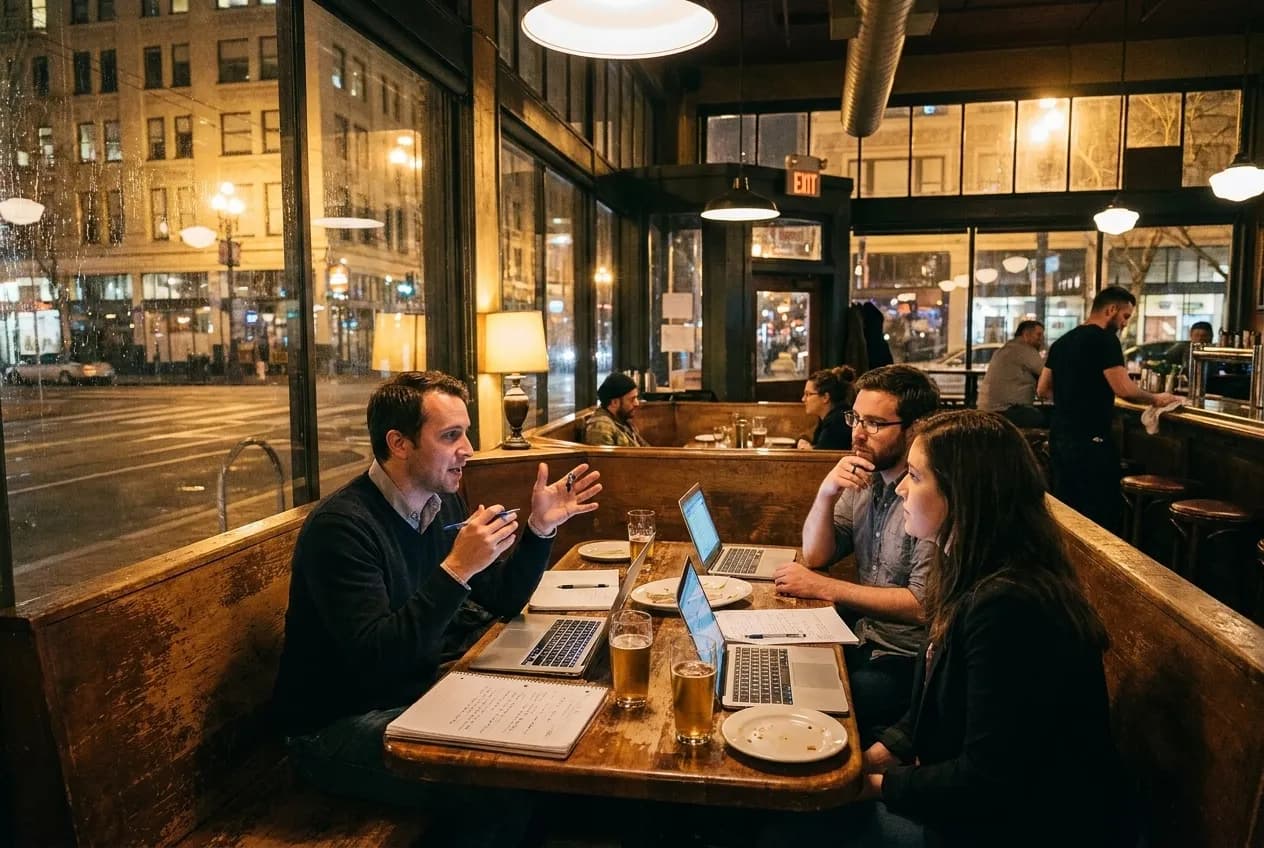
Baseball debate requires physical space for evidence. Laptop screens displaying FanGraphs projections, printed lineup cards with handwritten annotations, and smartphone screens cycling through Twitter reactions all demand table real estate that bar counters simply cannot provide. Booth seating offers the contained territory necessary for two debaters to establish their respective research zones while maintaining eye contact for argumentative exchanges. The high backs of booths also provide acoustic semi-privacy, reducing the likelihood that your emphatic declaration about defensive metrics will disturb neighboring patrons trying to enjoy quieter conversations. However, booth availability at 9pm on weeknights varies dramatically—some Mission bars reserve booths for dinner service until 10pm, while others operate first-come seating that fills immediately after work hours.
The verification step matters here: calling ahead to ask about booth reservation policies and typical weeknight turnover patterns helps avoid the scenario where you arrive with your rival-opinion friend, fully prepared for battle, only to face a two-hour wait or a hostess suggesting you take bar stools instead. Some establishments allow phone-ahead holds for parties of two if you commit to food orders, while others maintain strict walk-in policies. The tradeoff extends to venue type—sports bars typically offer more booths but attract crowds during any baseball news cycle, while cocktail-focused bars may have fewer tables but lighter traffic on weeknights.
Kitchen Hours and the Midnight Food Cutoff Problem
Debate intensity correlates directly with blood sugar levels. A discussion that begins at 9pm with sharp analytical focus can devolve into repetitive arguing by 11:30pm if neither participant has eaten since lunch. The challenge in San Francisco's bar landscape involves distinguishing between establishments advertising "late-night hours" (which may mean the bar stays open until 2am) and those specifically maintaining kitchen operations past midnight. Many Mission venues serve food until 11pm on weeknights, leaving a critical gap for debaters planning to occupy space until 1am. SOMA tends toward slightly later kitchen schedules due to its nightlife orientation, but individual venue policies vary widely and change seasonally.
Verification requires explicit questions: "What time does your kitchen close on Tuesday nights?" yields more useful information than "Are you open late?" Some bars offer a reduced late-night menu after a certain hour—perhaps switching from full entrees to appetizers and sandwiches at 11pm—which may suffice for debate fuel if you plan accordingly. The moderate venue tolerance specified in this scenario suggests you're willing to order multiple rounds of food to justify your table occupancy, making kitchen hours a deal-breaker rather than a nice-to-have feature. Checking current menus online before visiting helps confirm whether the available late options match your preferences, since discovering at 11:45pm that only fried items remain can derail your concentration.
Staff Tolerance and the Multi-Hour Occupation Calculus
Not all bar staff view extended table occupancy equally. A venue's business model determines whether your four-hour booth session represents welcome steady revenue or an opportunity cost blocking higher-turnover customers. Cocktail bars with $15 drinks and $18 small plates can afford patient service for customers ordering every 45 minutes; beer-focused bars with $7 pints and $12 burgers may grow visibly impatient when your second round stretches past the two-hour mark. The argumentatively energized tone of baseball debate adds another variable—animated gesturing and raised voices during disagreements about trade value can read as confrontational to staff unfamiliar with sports discussion culture, potentially triggering earlier check-ins or suggestions that you're disturbing other guests.
Observing a venue before committing to it as your debate headquarters provides crucial intelligence. Visiting solo on a similar weeknight to scout the atmosphere reveals whether other tables host long conversations, how frequently servers check on low-activity tables, and whether management seems relaxed or efficiency-focused. Tipping generously on your scouting visit and briefly mentioning you're evaluating the space for regular weeknight meetups can yield honest staff feedback about whether your intended use pattern fits their operation. Some bartenders will directly tell you "Tuesdays are slow, you'd be fine," while others may diplomatically suggest "Weekends get busy" as code for "please don't camp here."

Transportation Logistics for Post-Midnight Departure
Planning your exit matters as much as choosing your venue. A debate session ending at 1am requires reliable transportation options, since driving after four hours of drinking—even if paced responsibly—introduces risk no baseball argument justifies. San Francisco's SFMTA operates Muni service throughout the night, though frequency decreases significantly after midnight. According to SFMTA resources, certain bus lines maintain late service, but verifying specific route schedules for your planned departure time and location prevents the unpleasant discovery that your next bus arrives in 47 minutes while you're standing on a dark corner. The T Third line has received signal upgrades to improve reliability, though whether it serves your specific Mission or SOMA destination requires route checking.
Rideshare services provide backup options but cost more than Muni, a consideration if you're planning weekly debate nights. Some debaters split the difference by choosing bars within walking distance of their homes or along well-served transit corridors, prioritizing transportation convenience over perfect venue features. The moderate venue tolerance framework suggests you're willing to compromise on ambiance or drink selection to gain logistical advantages. A bar three blocks from a 24-hour Muni line may outweigh a superior establishment requiring a 15-minute walk to transit, especially during San Francisco's foggy evenings when that walk feels considerably longer.
The Rival-Opinion Friend Compatibility Factor
Your companion's preferences and tolerance levels shape venue selection as much as your own. A rival-opinion friend who insists on craft cocktails narrows your options compared to one satisfied with domestic beer, while a debate partner who grows self-conscious about animated discussion in quiet spaces requires a louder venue environment. The productive tension of rival opinions—one person arguing Bohm's defensive improvements justify acquisition cost, the other insisting his contract timeline creates roster inflexibility—depends on both parties feeling comfortable enough to argue forcefully. A venue that makes either person feel rushed, judged, or physically uncomfortable will dampen the argumentative energy that makes these sessions worthwhile.
Establishing venue criteria together before your first session prevents mid-debate dissatisfaction. Discussing priorities explicitly—"I need food available the whole time" versus "I care more about good beer selection"—helps identify non-negotiable features and acceptable compromises. Some debate pairs rotate venue selection, with each person choosing every other week, distributing the research burden and ensuring both participants get their preferred environment periodically. This approach works best when both friends maintain similar moderate venue tolerance, since a significant gap in standards leads to one person consistently uncomfortable. The goal involves finding spaces where the debate itself remains the focus, with the venue providing sufficient support without becoming a distraction or point of contention between already rival-opinioned friends.
Tags: #SanFranciscobars #MissionDistrictnightlife #SOMAlatenightvenues #baseballdebatespots #latenightfoodSF #boothseatingbars #weeknightbarsSanFrancisco #sportsdiscussionvenues #SFbarscene #Munilatenightservice
Sources consulted: Source 1: sf.gov · Source 3: sfmta.com · Source 4: sfpl.org
Please drink responsibly. Must be of legal drinking age.
All trademarks are the property of their respective owners.
Ask Karpo first
Ask Karpo to turn this San Francisco idea into a current plan for your date, budget, companion, transit preference, and energy level. Karpo can narrow the route and flag what to verify before you go.