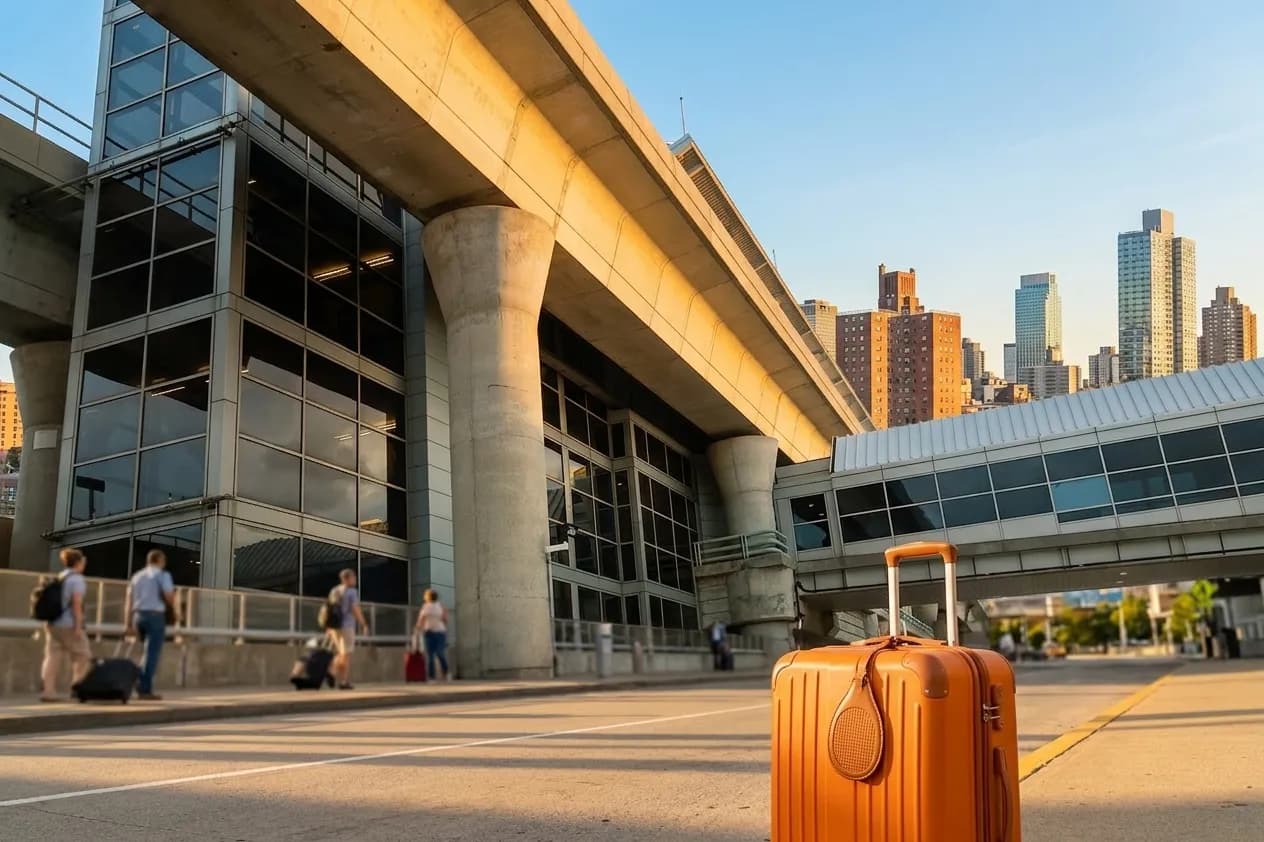
Flying into JFK for the 2026 US Open creates a specific New York logistics puzzle: you need to cross Queens efficiently, manage luggage during a multi-hour tennis session, and arrive at the USTA Billie Jean King National Tennis Center in Flushing Meadows with enough margin to clear security and settle into your seat before the first ball is struck. Alaska Airlines serves JFK with connections from the West Coast and beyond, and thousands of tennis fans will face the same question each August and September—what's the smartest way to bridge the distance between the arrivals curb and the tournament gates when you're carrying a suitcase, a sun hat, and high expectations?
Text Karpo with your US Open session time and Queens starting point, and we’ll turn this airport transfer idea into a practical local plan.

Understanding the JFK-to-Flushing Meadows Geography
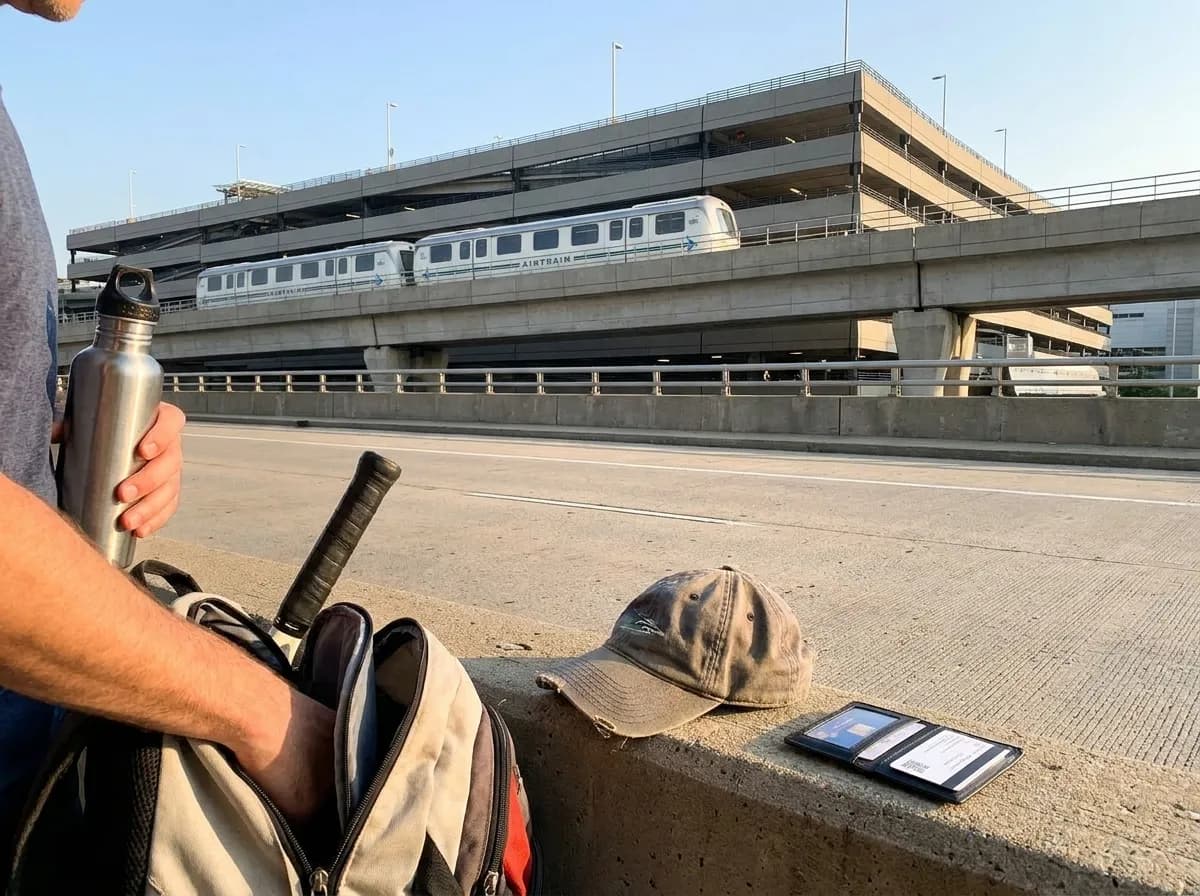
JFK sits on the southern edge of Queens, near Jamaica Bay. The USTA Billie Jean King National Tennis Center occupies the northern end of Flushing Meadows Corona Park. That distance crosses some of the city's densest residential and commercial corridors, and your route will depend on whether you're traveling light, checking bags at a hotel first, or heading straight to the grounds. The AirTrain JFK connects all terminals to Jamaica Station and Howard Beach, where you can transfer to the subway or Long Island Rail Road. If you're carrying only a backpack, public transit is a practical option. If you're managing a roller bag and want a single-seat ride, a taxi or rideshare makes more sense—but expect variable traffic along the Van Wyck Expressway and Grand Central Parkway during tournament weeks.
AirTrain to Subway: The E and 7 Train Combination
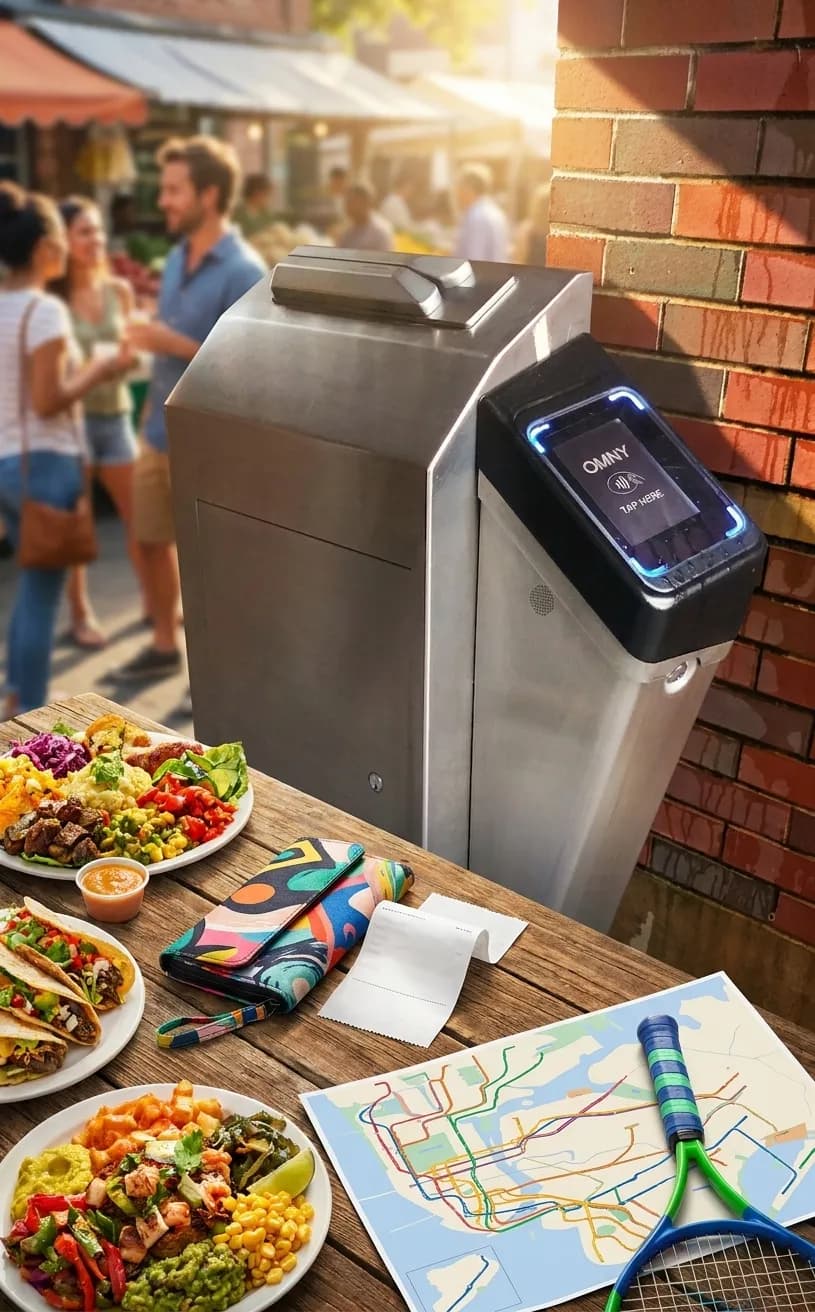
A common public option is AirTrain to Jamaica Station, then the E train toward Manhattan, transferring at Jackson Heights–Roosevelt Avenue to the 7 train eastbound to Mets–Willets Point. Check the MTA website for current fares and service status. The 7 train station sits directly adjacent to the tennis center, so you'll have a short walk from turnstile to tournament entrance. This route works well for day sessions when you have time to spare and minimal luggage. Keep in mind that the E and 7 trains can be crowded during evening rush and weekend tournament sessions, so plan for standing room and protect your belongings in tight quarters. Always verify real-time service alerts before you travel.
Taxi and Rideshare: Direct but Traffic-Dependent
Yellow cabs queue at every JFK terminal and charge a flat fare to Manhattan, but trips within Queens are metered. Check current taxi rates on the official JFK Airport website. Rideshare pickup zones are clearly marked in the app. The advantage is door-to-door service and climate control; the downside is unpredictability. If your session is an evening match and you land in the afternoon, build in extra buffer time for traffic. Drivers will typically drop you at the main entrance on the west side of the complex, near the Billie Jean King statue and the South Plaza gates. Confirm drop-off locations with your driver and check the official US Open transportation page for any tournament-specific vehicle routing.
Staging in a Queens Neighborhood First
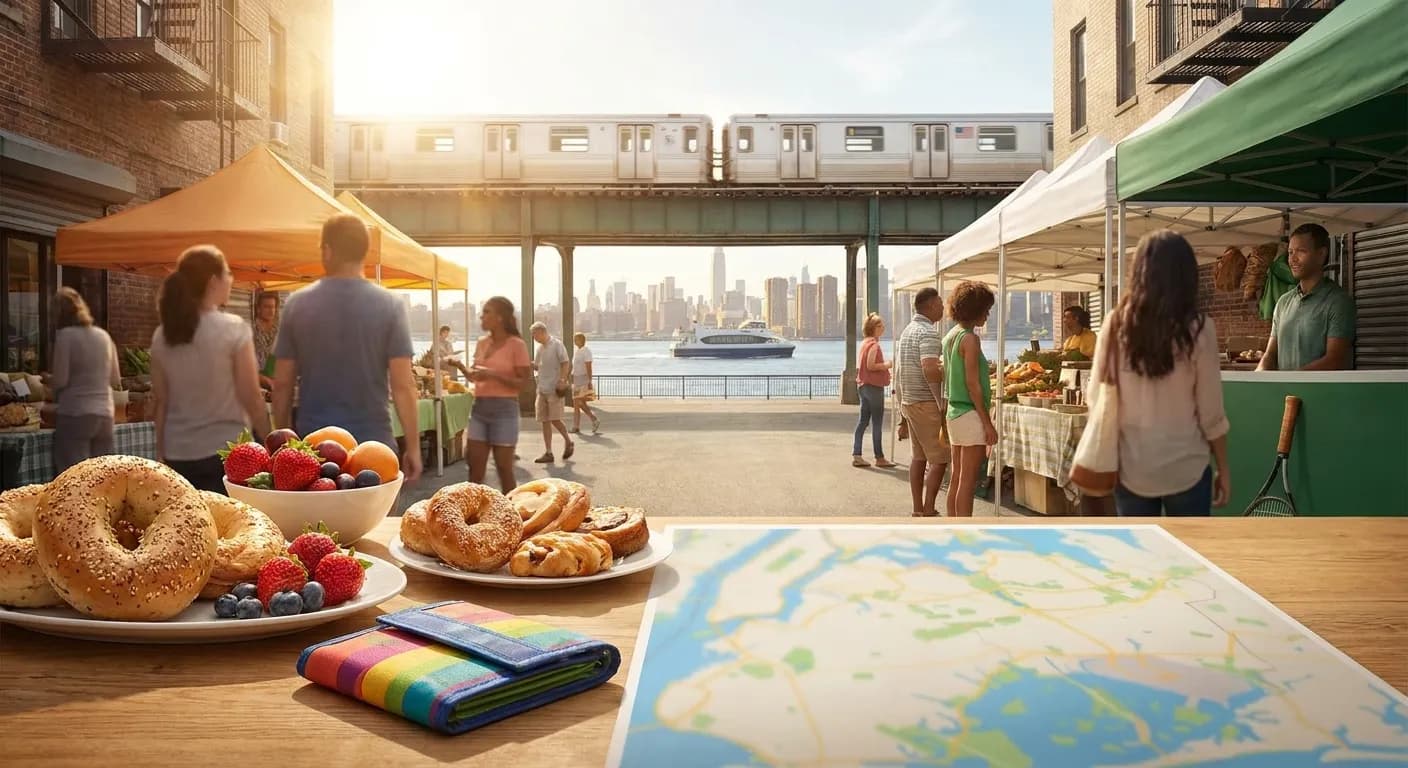
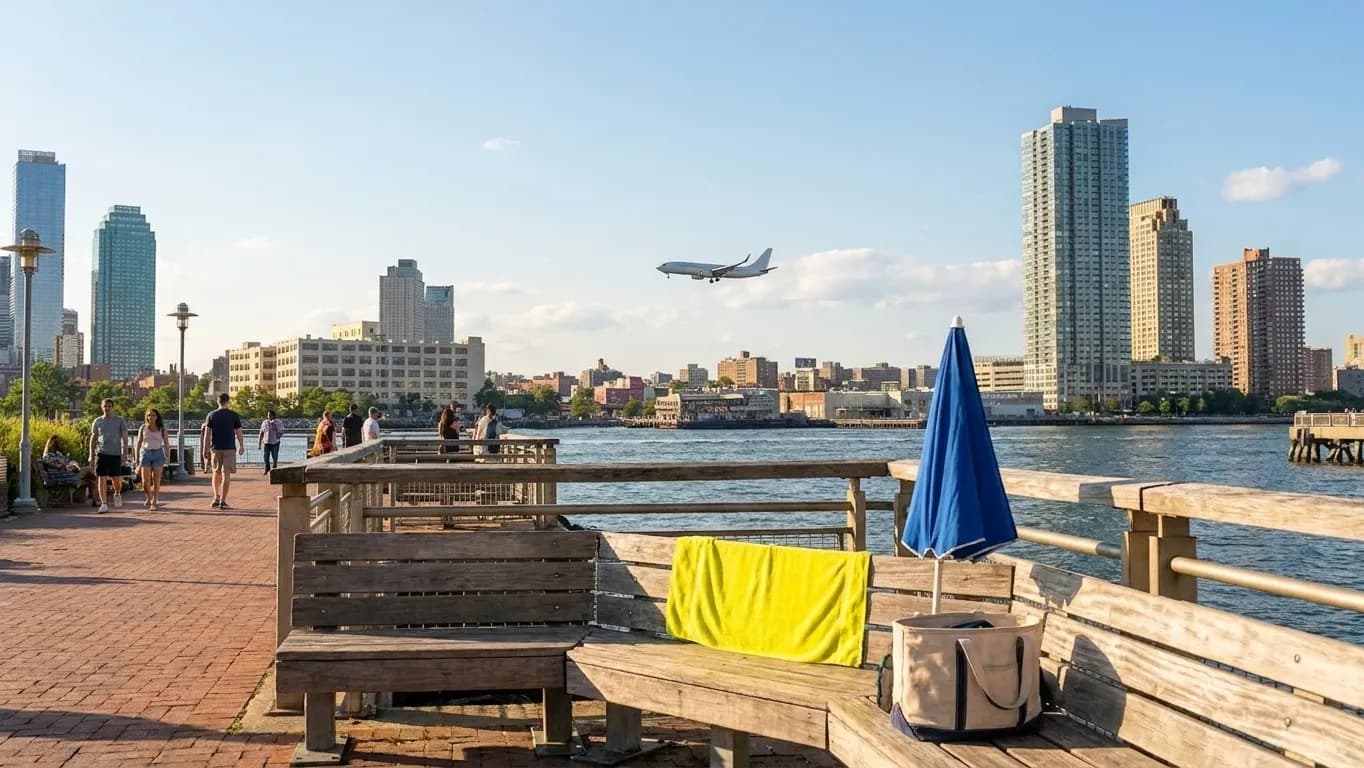
If you arrive several hours before your session or want to store luggage and explore, consider staging in a nearby neighborhood. Flushing's downtown core, centered around Main Street and Roosevelt Avenue, sits along the 7 train. You can explore the area, look for luggage storage options, and ride the train to the tennis center. Jackson Heights and Corona also sit along the 7 line and provide authentic food options and a chance to stretch your legs after a long flight. Long Island City and Astoria are farther west but offer waterfront parks and a different pace if you have a late-evening session and want to kill time in a quieter setting. Confirm any storage service hours and policies in advance, and remember that the US Open draws large crowds—popular spots near the 7 train fill up quickly during tournament weeks.
Timing Your Arrival for Security and Seating
The US Open enforces bag restrictions and security screening at every gate. The official prohibited-items list on usopen.org details what you cannot bring, including large backpacks, hard-sided coolers, and professional camera equipment, so pack light and review the rules before you leave the airport. Security lines peak before marquee matches on Arthur Ashe Stadium, and grounds passes allow you to roam freely once inside. Check the official event schedule for your session start time and plan to arrive with enough buffer to clear security, pick up credentials if needed, and find your seat without rushing. Gates typically open well before the first match. Build in extra time if you're relying on public transit, since subway delays and crowded platforms are common during tournament hours.
What to Carry and What to Leave Behind
Traveling light makes every transfer smoother. A small backpack or tote that fits under your seat is ideal for sunscreen, a hat, a refillable water bottle, and a portable charger. The tournament allows bags up to certain dimensions—check the official visitor A-Z guide for current size limits. If you're checking a suitcase, confirm your hotel's early check-in or luggage-hold policy, or research storage services near the 7 train. Avoid bringing items on the prohibited list or anything that could slow you down at the security checkpoint. The grounds have food and beverage options, and water refill stations are marked on the official map available at usopen.org.
Practical Notes for a Smooth Transfer
- Check your Alaska Airlines flight status and terminal assignment before you leave for JFK; the AirTrain serves all terminals, but knowing your starting point saves time.
- Download the MTA app for real-time subway updates and mobile fare payment; service changes are common during summer weekends.
- Confirm your US Open session start time and gate location on the official usopen.org schedule; different courts have different entry points.
- Charge your phone fully before landing; you'll need it for rideshare coordination, transit directions, and mobile tickets.
- Dress in layers; airport terminals and subway cars can be cold, but Flushing Meadows in August is hot and exposed.
- Recheck the prohibited-items list on usopen.org before your session; rules can change year to year, and security will turn you away if you're carrying banned items.
Returning to JFK After the Final Point
Evening matches can run late, and the 7 train continues service into the night on most days—check the MTA website for current schedules. If you're catching a morning flight the next day, confirm your hotel's proximity to the AirTrain or plan an early departure. If you're flying out the same day after a session, reverse your inbound route: 7 train to Jackson Heights–Roosevelt Avenue, transfer to the E train toward Jamaica, then AirTrain to your terminal. Allow ample time from the tennis center to the airport gate, especially during weekday peaks or if you're checking bags. Rideshare can be faster but may be more expensive during post-match demand, so weigh convenience against cost and your flight buffer. Always check live transit and traffic conditions before you depart the grounds.
Tags: #USOpen2026 #Queens #FlushingMeadows #KarpoFinds #Karpo #alaskaairlines #NewYorkLocal #TennisTravel
Sources consulted: usopen.org — Official event schedule · usopen.org — Official visitor A-Z guide · usopen.org — Official transportation directions · usopen.org — Official prohibited-items guide · Port Authority — JFK Airport · MTA — Official transit information
All trademarks are the property of their respective owners.