The phrase "AI bubble" has become shorthand for skepticism about whether artificial intelligence delivers real value or just hype. At the 2026 US Open in Flushing Meadows, you can judge for yourself: the tournament has become a showcase for AI-powered line calling, player performance analytics, and fan engagement tools that promise to change how we watch tennis. Whether these technologies represent a genuine breakthrough or an overinflated trend, they're worth exploring during your visit to the USTA Billie Jean King National Tennis Center. This guide helps you plan a Queens day that combines world-class tennis with hands-on exposure to the AI systems reshaping the sport.
Text Karpo with your US Open session time and Queens starting point, and we’ll turn this tennis technology idea into a practical local plan.

The US Open has adopted electronic line calling across all competition courts, replacing human line judges with camera-based systems that use computer vision and machine learning to track ball position within millimeters. These systems generate instant calls displayed on courtside screens and broadcast feeds. Beyond line calling, the tournament features AI-driven analytics that predict match outcomes, analyze player movement patterns, and generate real-time statistics for commentators and fans. Some of these tools are visible on video boards throughout the grounds, while others power the data you see on mobile apps and in-stadium displays. The question for visitors is whether these systems enhance your experience or simply add digital noise to an already information-rich environment.
The US Open typically features interactive fan zones and sponsor activations where you can try swing analysis tools, view heat maps of player positioning, or explore augmented reality experiences. These areas are usually located in the South Plaza and around Arthur Ashe Stadium. If exploring tennis technology is a priority, plan to arrive early in your session—fan zones can develop long lines during peak afternoon hours, especially on weekends. Check the official US Open event schedule before your visit to identify any special technology presentations or panel discussions. The tournament sometimes hosts talks with data scientists, engineers, and former players discussing how AI is changing professional tennis strategy and training.
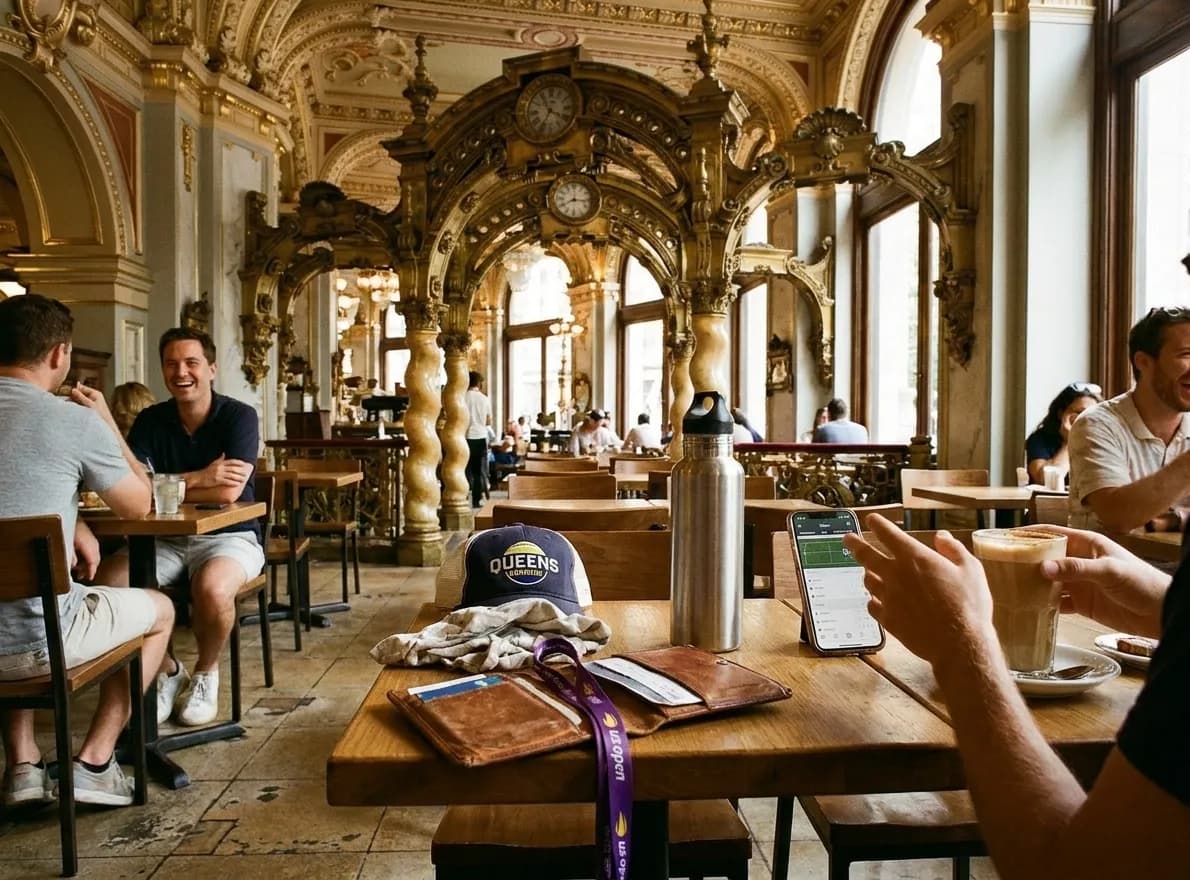
The 7 train to Mets-Willets Point is the most reliable public transit option for US Open visitors. Service runs frequently during tournament hours, and the station deposits you a short walk from the main entrance. If you're coming from Manhattan, the 7 train originates at Times Square-42nd Street and makes local stops through Queens including Queensboro Plaza, 61st Street-Woodside, Junction Boulevard, and 103rd Street-Corona Plaza. From Brooklyn, take the G train to Court Square and transfer to the 7. The MTA sometimes adds extra trains during evening sessions, but always check current service status on the day of your visit. Driving to the tournament means navigating limited parking and heavy traffic on the Grand Central Parkway and surrounding roads—public transit is almost always faster and less stressful.
The US Open maintains strict security protocols. Bags larger than 12 inches in any dimension are prohibited, and all bags are subject to search at entry gates. Laptops, tablets, and professional cameras with detachable lenses are not permitted. Your smartphone is allowed and essential for accessing the official US Open app, which provides live scores, court assignments, and interactive features that may include AI-generated insights about match dynamics. Portable chargers are permitted and recommended, since you'll likely use your phone extensively for photos, video, and data. Sunscreen, hats, and refillable water bottles are smart additions for day sessions—Flushing Meadows offers little natural shade, and August and early September in Queens can be intensely hot and humid. Review the official prohibited-items guide before packing to avoid delays at security.
Flushing offers exceptional food options within walking distance of the tennis center. The blocks around Main Street and Roosevelt Avenue feature Taiwanese bakeries, Korean barbecue, Sichuan restaurants, and Malaysian cafes that provide a dramatic contrast to stadium concessions. If you have time before an evening session, the Queens Botanical Garden is a short walk from the Mets-Willets Point station and offers a quiet green space to decompress before entering the tournament crowds. Corona, just west of the tennis center along the 7 train, is home to the Queens Museum and the New York Hall of Science in Flushing Meadows Corona Park—verify current hours, admission, and access policies before planning a visit. Both institutions occasionally host their own technology and science programming that might complement your interest in AI and sports analytics.
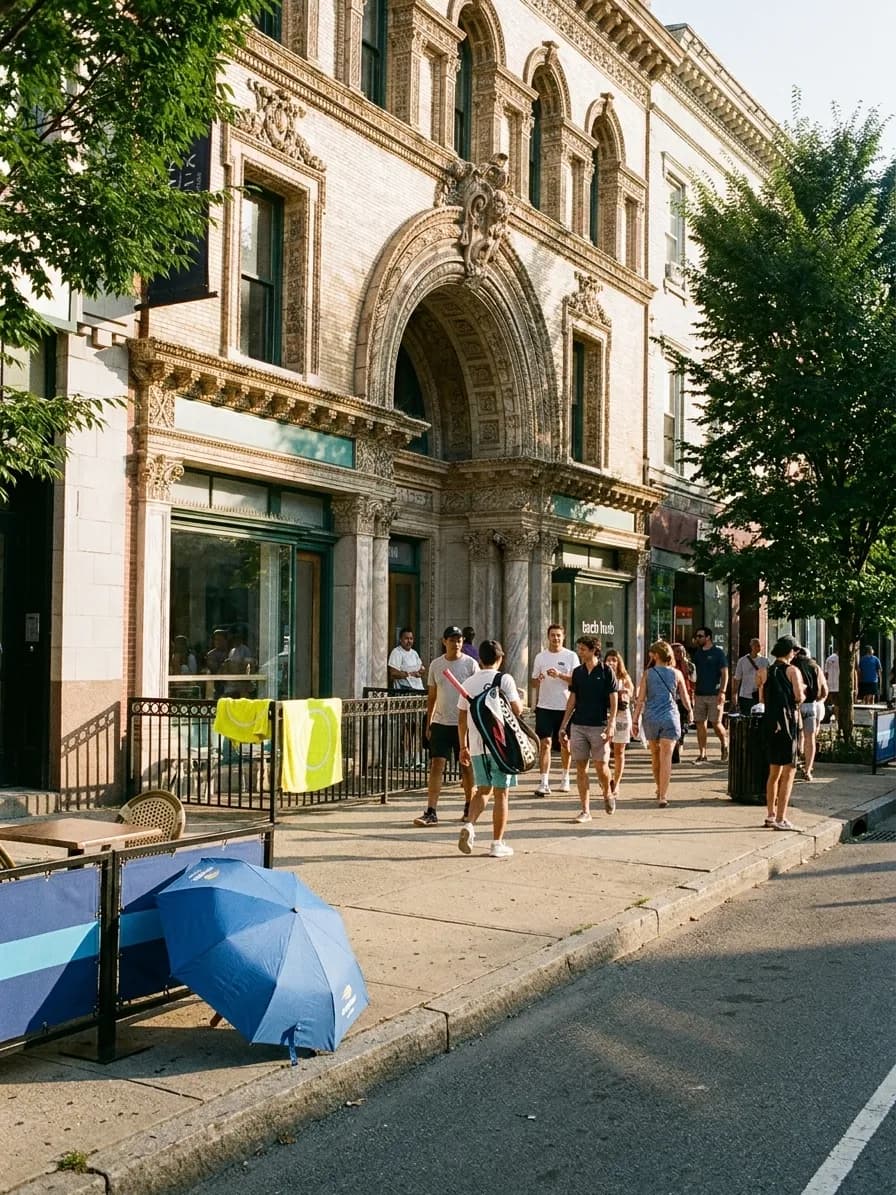
As you explore AI-powered features at the US Open, consider what genuinely improves your experience versus what feels like technological decoration. Electronic line calling eliminates contentious arguments and speeds up play, which most fans appreciate. Real-time statistics and predictive analytics can deepen your understanding of match dynamics if you're a serious tennis student, but they can also distract from the simple pleasure of watching elite athletes compete. Interactive fan zones offer novelty, but lines and crowds may make them less appealing than finding a seat at an outer court where you can watch rising players up close. The "AI bubble" question isn't whether these technologies work—most do, at least technically—but whether they add meaningful value to your day. Your answer will depend on what you came to the tournament seeking: cutting-edge innovation, traditional sports atmosphere, or something in between.
- Download the official US Open app before arriving—cell networks can be congested inside the grounds, making downloads slow
- Outer courts like the Grandstand and Louis Armstrong Stadium often have shorter entry lines and better sightlines than Arthur Ashe Stadium upper levels
- Check your ticket and the official schedule for session start times, which vary throughout the tournament
- Food and sealed plastic water bottles are permitted, which can save time compared to concession lines
- The 7 train can be extremely crowded after night sessions end—consider waiting at a nearby plaza to let the initial rush clear
- Queens Public Library branches in Flushing and Corona offer free restrooms and air conditioning if you need a break before or after the tournament
- Weather in late August and early September is unpredictable—Arthur Ashe Stadium has a retractable roof, but outer courts do not, and rain delays are common
If you're traveling to Queens specifically for the US Open, consider extending your visit to explore neighborhoods along the 7 train corridor. Jackson Heights offers South Asian and Latin American food cultures that rival any in the city, with blocks of sari shops, Colombian bakeries, and Tibetan momos. Astoria, accessible via the N and W trains or a transfer from the 7 at Queensboro Plaza, features Greek tavernas, Egyptian cafes, and a thriving arts scene. Long Island City has waterfront parks with Manhattan skyline views and contemporary art galleries in converted industrial spaces. These neighborhoods don't have direct thematic connections to tennis or AI, but they represent the authentic Queens experience that makes a tournament visit more than just a sporting event. The US Open happens in one of the world's most diverse urban landscapes—take advantage of that context to build a richer day.
Tags: #USOpen2026 #Queens #FlushingMeadows #KarpoFinds #Karpo #aibubble #NewYorkLocal #TennisTravel
Sources consulted: usopen.org — Official event schedule · usopen.org — Official visitor A-Z guide · usopen.org — Official transportation directions · usopen.org — Official prohibited-items guide · Queens Public Library · MTA — Official service status
All trademarks are the property of their respective owners.