 Mediterranean Food Near Me in Fort Greene: Miss Ada's Garden and Hummus
Neighborhood Guides

Affordable alternatives to Petsmart $20 neutering near you in NYC
A 2026 NYC guide to trusted low-cost spay/neuter options
Searching for “Petsmart $20 neutering near me” from New York City can be confusing, because that widely mentioned $20 offer isn’t a permanent, NYC-wide deal—and policies, prices, and programs shift year to year. In 2026, what matters most for local pet parents is knowing which reputable organizations actively provide low-cost spay/neuter in the five boroughs, how to check up-to-date details on their official sites, and how to plan transit and timing so your cat or dog gets safe, budget-friendly care close to home. This guide focuses on New York City options only, using current information from trusted animal welfare organizations and city agencies, so you can compare real clinics instead of chasing outdated promotions.
Ready to move from research to booking? As you read, note which boroughs you can reach easily, whether your pet meets weight or age requirements, and which programs allow online applications. Save this guide, then tap through to each official clinic or mobile program to confirm today’s eligibility and fees—NYC’s low-cost neuter spots fill up fast, so getting on a list now can save you money and stress.
Why “Petsmart $20 neutering near me” doesn’t match NYC
The phrase “Petsmart $20 neutering near me” usually refers to limited, location-specific promotions or partnerships, not a standard year-round program in every city. In New York City, you should not assume any PetSmart store or partner clinic is offering a flat $20 neuter in 2026; always confirm directly with the specific location or clinic before you plan around that price.
Most reliably low-cost spay/neuter in NYC is delivered through nonprofit animal organizations, humane societies, and city-connected programs rather than big-box pet retailers. Groups like the ASPCA and former Mayor’s Alliance for NYC’s Animals have historically run subsidized clinics and mobile vans that significantly reduce the cost for cats and dogs, sometimes reaching promotional prices but more often offering sliding-scale fees.
Since older posts or social mentions from 2025 or before may reference promotions that no longer exist, treat any pre-2026 prices or campaigns as historical. Use them only as a rough benchmark and always navigate to current program pages or call the clinic directly to confirm what’s available now—policies, eligibility, and subsidies change with funding and seasons.
ASPCA low-cost spay/neuter programs in NYC
For many NYC pet parents, the ASPCA is the most familiar and trusted source of affordable spay/neuter. The organization operates veterinary centers and has historically offered low-cost or free spay/neuter to qualifying pet owners, community cat caregivers, and rescue groups. Their official site lists current locations, appointment systems, and eligibility rules; fees can vary by species, weight, and income status, so you need to check the latest details there rather than relying on old flyers or social posts.
ASPCA programs have often included mobile spay/neuter clinics that visit different neighborhoods across the city, making it easier for residents without cars to access services. Typical requirements may include age minimums for kittens and puppies, vaccination status, and pre-surgery fasting rules; the ASPCA will specify these in appointment confirmations. If you’re planning from Brooklyn, Queens, the Bronx, or Staten Island, look for mobile dates or satellite clinics that reduce your travel time.
Booking with ASPCA generally starts online or by phone through their official channels. Appointments can fill quickly, especially in summer and early fall when pet adoption peaks, so build in a few weeks’ lead time if your schedule allows. Since prices and subsidies may change with grants or city partnerships, always recheck the ASPCA site shortly before your visit and watch for any instructions about arrival time, MTA-friendly directions, or postoperative pick-up windows.
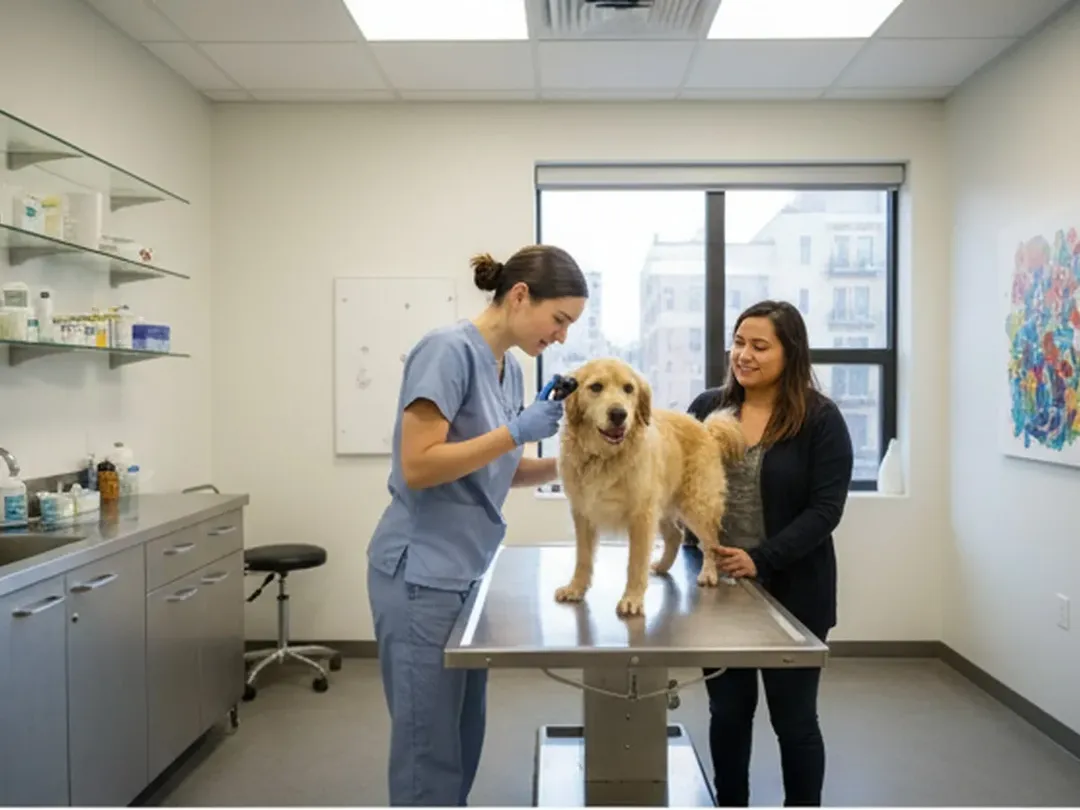
NYC shelter system, TNR, and community cat neutering
New York City’s animal shelter system and partner organizations support trap-neuter-return (TNR) and low-cost spay/neuter for community cats and, in certain programs, owned pets. NYC’s main shelter operator—formerly the Animal Care Centers of NYC (ACC)—works closely with nonprofits and volunteers to manage cat overpopulation and improve welfare. Their official site and partner pages outline current TNR training, services, and any subsidized neuter options tied to city programs.
If you care for outdoor or stray cats, TNR programs can provide free or very low-cost neutering, ear-tipping, and vaccination packages when you follow their trapping and scheduling guidelines. Because funding and focus areas shift over time, especially across boroughs, check the latest information for your neighborhood and be prepared to travel to the designated clinic or mobile van for your group of cats.
Owned pets may also benefit indirectly from shelter-linked programs when organizations run public spay/neuter drives or outreach events. Look for announcements on official shelter and city pages for pop-up clinics in targeted ZIP codes, often focused on areas with higher intake rates. Transit-wise, most shelter facilities are accessible via major MTA lines and bus routes, but early-morning drop-offs can be tight; mapping your route the night before and planning extra time around possible weekend service changes can prevent missed appointments.
Nonprofit and humane society clinics offering low-cost neuter
Beyond the ASPCA and city shelter system, several nonprofit veterinary clinics and humane societies in NYC focus on affordable care for cats and dogs. These organizations typically publish their spay/neuter prices, discount policies, and appointment instructions on their official websites, often with clear notes about income-based eligibility, rescue-group rates, and package options that bundle surgery with vaccines or microchips.
Because each clinic sets its own fee schedule, you may find that some locations come close to the $20 neuter idea for certain categories—such as feral cats in TNR programs or limited-time subsidy events—while standard pet neuter prices are higher but still significantly below typical private practice rates. To compare options effectively, list out your pet’s species, weight, and any medical considerations, then check each clinic’s current price table or call during business hours to ask about total costs including pre-op exams and pain medication.
Nonprofit clinics are often located in residential or mixed-use areas reachable by subway and bus, and many have weekend or evening appointments to accommodate working adults. When planning your visit, remember that neuter surgery usually requires your pet to stay at the clinic for several hours. Build in door-to-door timing that accounts for check-in, surgery, recovery, and your return trip, and ask staff about any post-surgery restrictions that could affect how you travel home (for example, carrying a groggy cat carrier on stairs versus elevators).
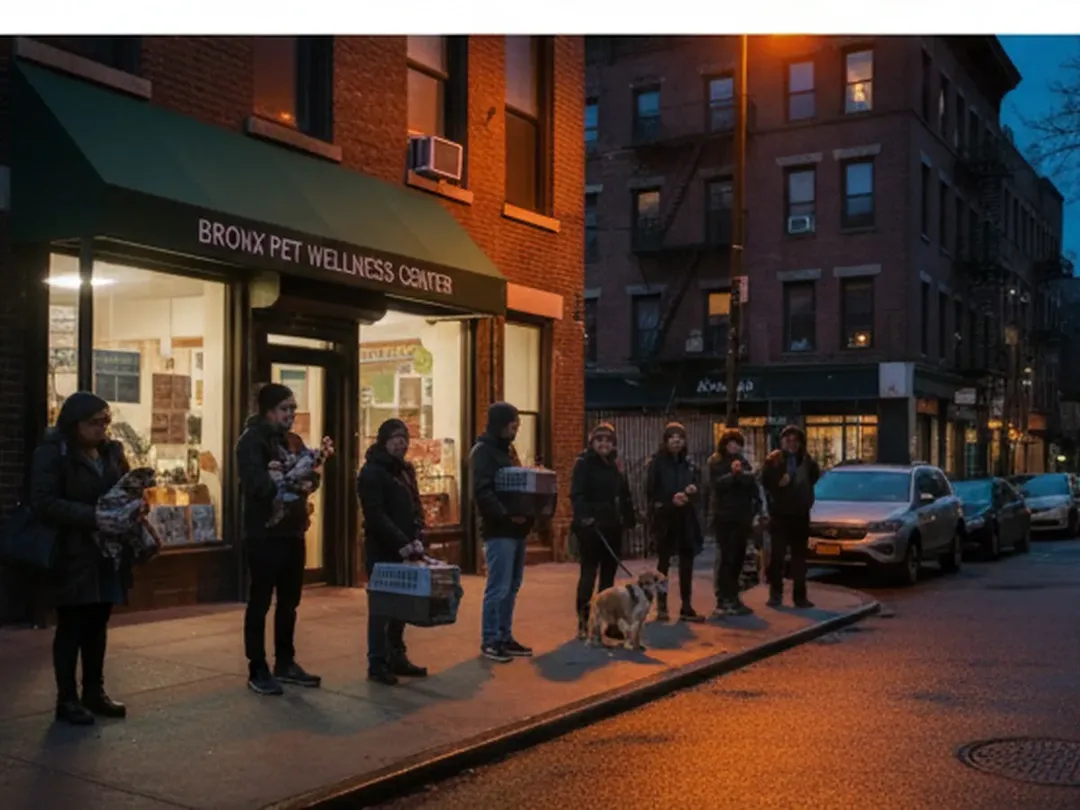
How to verify prices, eligibility, and appointments in 2026
Because neuter program funding, city partnerships, and clinic policies can change quickly, especially between 2025 and 2026, the most important step is verification. Start on each organization’s official website—ASPCA, city shelter system, and named nonprofit clinics—and look for dedicated spay/neuter pages that clearly outline current prices, eligibility criteria, and how to book. Treat any blog posts, social threads, or third-party lists without direct links to official program pages as rough leads only, not confirmed information.
When calling or emailing a clinic, be ready with a short script: your pet’s age, sex, breed or mix, approximate weight, any known health issues, your borough, and whether you’re seeking financial assistance. Ask specifically about 2026 prices, any application or documentation required for reduced-cost programs, and realistic appointment timelines. Many clinics will note that promotional or grant-funded spots are limited, so getting a sense of wait time helps you decide whether to hold out for the lowest cost or book a slightly higher-priced but sooner slot.
Also confirm practical details: arrival time, fasting instructions, whether you need someone to accompany you, and what payment methods are accepted. Since hours and availability may shift due to staffing or public-health guidance, recheck the official page or your confirmation email 24–48 hours before your visit. If anything seems different from what you were told initially, contact the clinic promptly—most are used to helping pet parents navigate last-minute changes.
Planning your route, backup options, and post-op care
New Yorkers without cars often worry about getting to and from the clinic on surgery day. When you’ve chosen a location, plug the address into MTA trip-planning tools and check for current service advisories affecting your subway or bus line. Aim to arrive 15–30 minutes before check-in; this cushion covers minor delays and gives you time to settle your pet. For cats and small dogs, choose sturdy carriers you can manage on stairs and in crowded trains; for larger dogs, ask the clinic whether ride-share or taxi drop-off is recommended instead.
Have a backup plan in case your first-choice low-cost program has a long waitlist. This might mean identifying a second nonprofit clinic in a neighboring borough, monitoring ASPCA mobile van schedules for your area, or asking the clinic to flag cancellations you could take at short notice. While a rock-bottom price is attractive, timely neutering is also important for health and behavior; if you can afford a moderately higher fee at a nearby clinic with sooner availability, weigh that against additional weeks of waiting.
Post-op care is straightforward but essential. Clinics will provide written instructions about activity limits, incision checks, pain management, and when to call if you’re concerned. Plan your home setup in advance: a quiet room or crate, minimal jumping or rough play, and, if needed, time off work or shift adjustments for the first 24 hours. If you’re sharing responsibility with roommates or partners, go over the instructions together so everyone knows what “taking it easy” looks like for your particular pet.
Compact action plan for low-cost neutering in NYC
To turn this information into action, follow a simple four-step plan:
List your constraints. Note your pet’s details, your borough, your budget ceiling, and any time limits (for example, needing surgery before a move).
Check official program pages. Visit ASPCA, NYC shelter system, and nonprofit clinic sites to see current spay/neuter offerings, prices, and eligibility.
Compare by total cost and timing. Factor in surgery fees, required exams, transit costs, and how soon you can get an appointment.
Book and prepare. Once you choose a clinic, follow their pre-op instructions, confirm your route, and set up a calm recovery space at home.
Save this guide and share it with friends or neighbors caring for pets or community cats—low-cost neutering is one of the most effective ways to reduce unwanted litters and shelter intake in NYC. Each time you or someone in your circle chooses a reputable clinic and follows through with spay/neuter, you’re supporting both your pet’s health and the broader animal welfare ecosystem in the city.
Finally, remember that all prices and promotions are subject to change. Before you book in 2026—or help someone else book—go back to each organization’s official website or phone line to confirm the most current details, rather than assuming a past promotion like “Petsmart $20 neutering near me” still applies today.
Ask Karpo first
Ask Karpo whenever you’re weighing two clinics, troubleshooting transit, or wondering whether to hold out for a lower-cost slot; Karpo can help you organize official links, compare practical trade-offs, and keep your pet’s neuter plan realistic and on budget in NYC.
Tell Karpo your borough, your pet’s species, age, and whether you have any financial or transport constraints, and Karpo will help you compare nearby low-cost neutering programs, flag eligibility requirements, and suggest a simple step-by-step plan to get your pet safely booked in NYC.
Tags: #neighborhoodguides #nycpets #pethealth #budgetliving #animalwelfare #nyctransport #localresources #nycguide #NYC #KarpoFinds #AskKarpo
All trademarks are the property of their respective owners.
Ask Karpo first
Tell Karpo your borough, your pet’s species, age, and whether you have any financial or transport constraints, and Karpo will help you compare nearby low-cost neutering programs, flag eligibility requirements, and suggest a simple step-by-step plan to get your pet safely booked in NYC.
Ask Karpo for more information.
Keep reading
- Mediterranean Food Near Me in Fort Greene: Miss Ada's Garden and Hummus
 Places To Eat Near Me in Chelsea: The Market Fills a Nabisco Factory
 Seafood Near Me in the East Village: The Mermaid Inn's Dollar Oysters