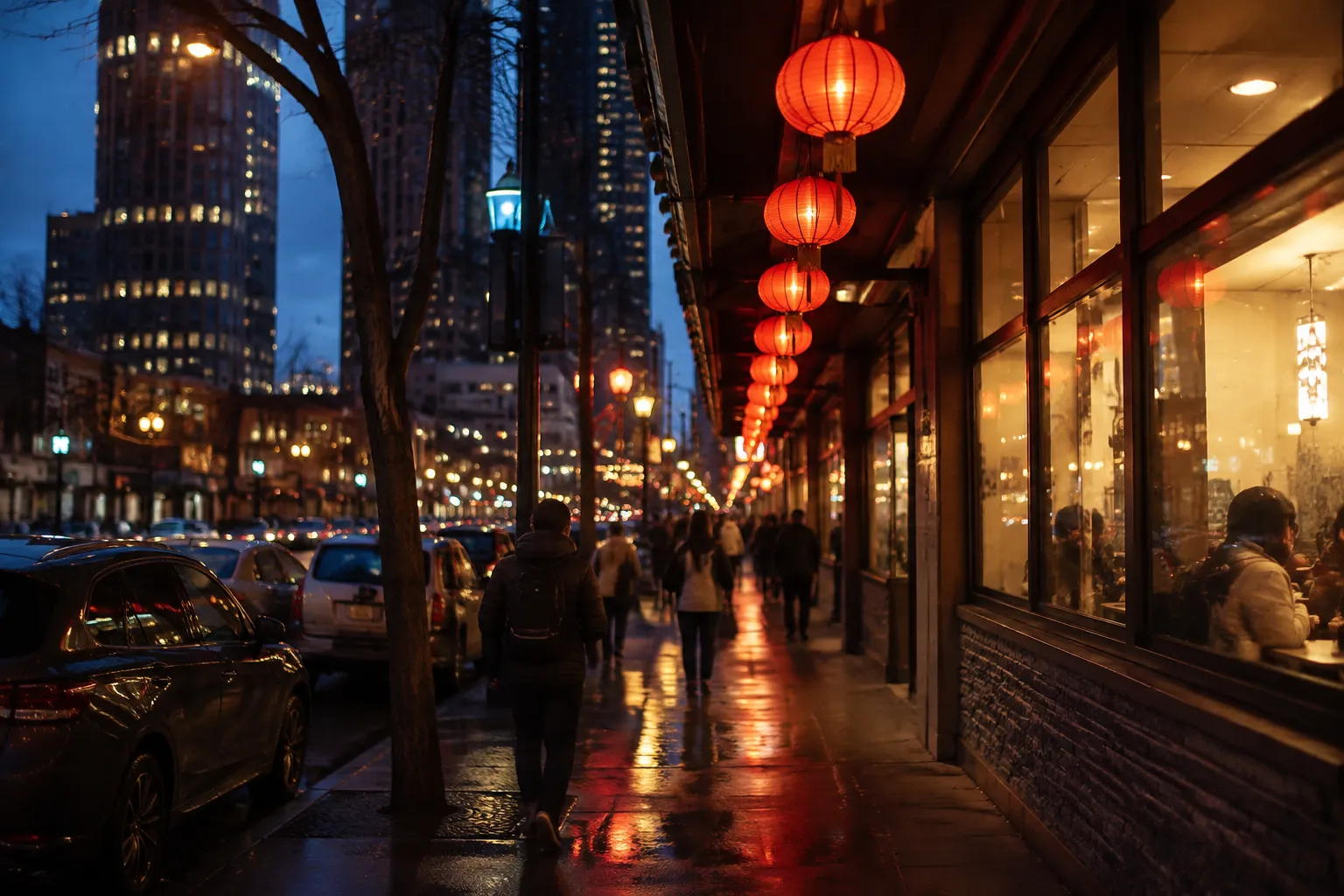
When baseball statisticians want to dissect adley rutschman stats over a multi-course Friday dinner, the restaurant selection process becomes as analytical as the debate itself. The challenge isn't simply finding a table for 8pm—it's identifying San Francisco establishments that accommodate 2.5-hour seatings, permit laptop use without disapproval, and maintain WiFi robust enough for real-time stat verification. Dogpatch and Potrero Hill emerge as neighborhoods worth investigating for this specific use case, though the vetting process requires direct confirmation of policies most reservation systems don't capture. Fellow analyst friends planning these extended debate dinners face a tradeoff between neighborhood dining scenes with patient service cultures versus popular districts where table-turn pressure may curtail the conversation before reaching advanced metrics.
Text Karpo your starting point, timing, group size, and priorities for a San Francisco plan tailored to this exact situation, with one realistic backup before you leave.

Why Neighborhood Selection Precedes Restaurant Research
Dogpatch and Potrero Hill function differently than high-traffic dining corridors for analysts planning unrushed evenings. These neighborhoods historically developed industrial-to-residential character, attracting restaurants that cater to locals seeking relaxed pacing rather than tourists maximizing limited vacation nights. The distinction matters when a baseball statistician needs to spread printouts across a table at 9:15pm without sensing staff impatience. Venues in these areas often feature larger table spacing and ownership models less dependent on multiple nightly seatings, though individual restaurant policies vary enough that assumptions prove unreliable.
The SFMTA transit network reaches both neighborhoods through Muni routes, with the T Third line serving Dogpatch after recent signal upgrades designed to reduce delays. Potrero Hill's topography creates different access considerations—some restaurants sit on steep inclines that affect evening walk routes from transit stops. Analysts arriving with laptop bags and reference materials should map the specific restaurant location against transit stops and verify whether the final approach involves challenging gradients, particularly relevant for Friday evenings when energy levels dip after a full work week.

The Reservation Specificity Problem for Analytical Dinners
Standard reservation platforms capture party size and time but omit the details baseball statisticians require. Whether a restaurant tolerates laptops at dinner tables, provides accessible power outlets, or maintains WiFi passwords for guest use rarely appears in booking confirmations. The high reservation specificity this use case demands means analysts must contact venues directly, ideally speaking with a manager who understands the request rather than host staff reading scripted policies. Phrasing matters: describing the evening as a "working dinner" sometimes triggers private dining room suggestions with minimums, while "extended conversation with occasional device reference" may receive more flexible accommodation.
The 8-10:30pm window presents its own negotiation point. Many San Francisco restaurants seat final tables between 9pm and 9:30pm, making an 8pm reservation with explicit 2.5-hour duration a request that falls outside standard operations. Some establishments accommodate this by blocking the table from later reservations, others decline entirely, and a third category agrees but applies subtle pressure as closing approaches. Analysts should clarify whether the kitchen maintains full menu availability past 10pm and whether the restaurant's closing time refers to last seating or actual door lock—a distinction that determines whether statistical debates face artificial time compression.
WiFi Strength Versus Mobile Hotspot Backup Strategies
Restaurant WiFi exists primarily for payment processing and staff operations, with guest access as secondary consideration. Baseball statisticians pulling up Baseball Reference pages, FanGraphs dashboards, or Statcast data during debates require bandwidth beyond casual browsing. The verification step involves testing connection speed upon arrival rather than discovering mid-argument that video breakdowns buffer endlessly. Some analysts bring mobile hotspot devices as backup, though this introduces battery management considerations for devices already running statistical software.
Dogpatch's proximity to tech industry office conversions means some restaurants in the neighborhood installed robust networks anticipating remote workers, while Potrero Hill's more residential character creates variable infrastructure. Neither generalization substitutes for location-specific confirmation. Analysts might request a test visit or early arrival on the actual dinner night to verify connectivity before the companion arrives. The tradeoff between trusting restaurant WiFi versus consuming mobile data allowances affects analysts differently based on their phone plans and whether the debate requires streaming video breakdowns versus static image references.
Service Culture Fit for Analytically Passionate Debates
The emotional tenor of statistical debates—analytically passionate rather than casually social—requires service staff who read table dynamics accurately. Servers approaching mid-argument to recite dessert specials disrupt analytical flow, while those who gauge conversation intensity and time interventions accordingly enhance the experience. This service culture fit proves difficult to assess from online reviews, which rarely address how restaurants handle tables deep in technical discussions. Analysts might look for establishments emphasizing "neighborhood spot" or "conversation-friendly" in their self-descriptions, though these phrases lack standardized meaning.
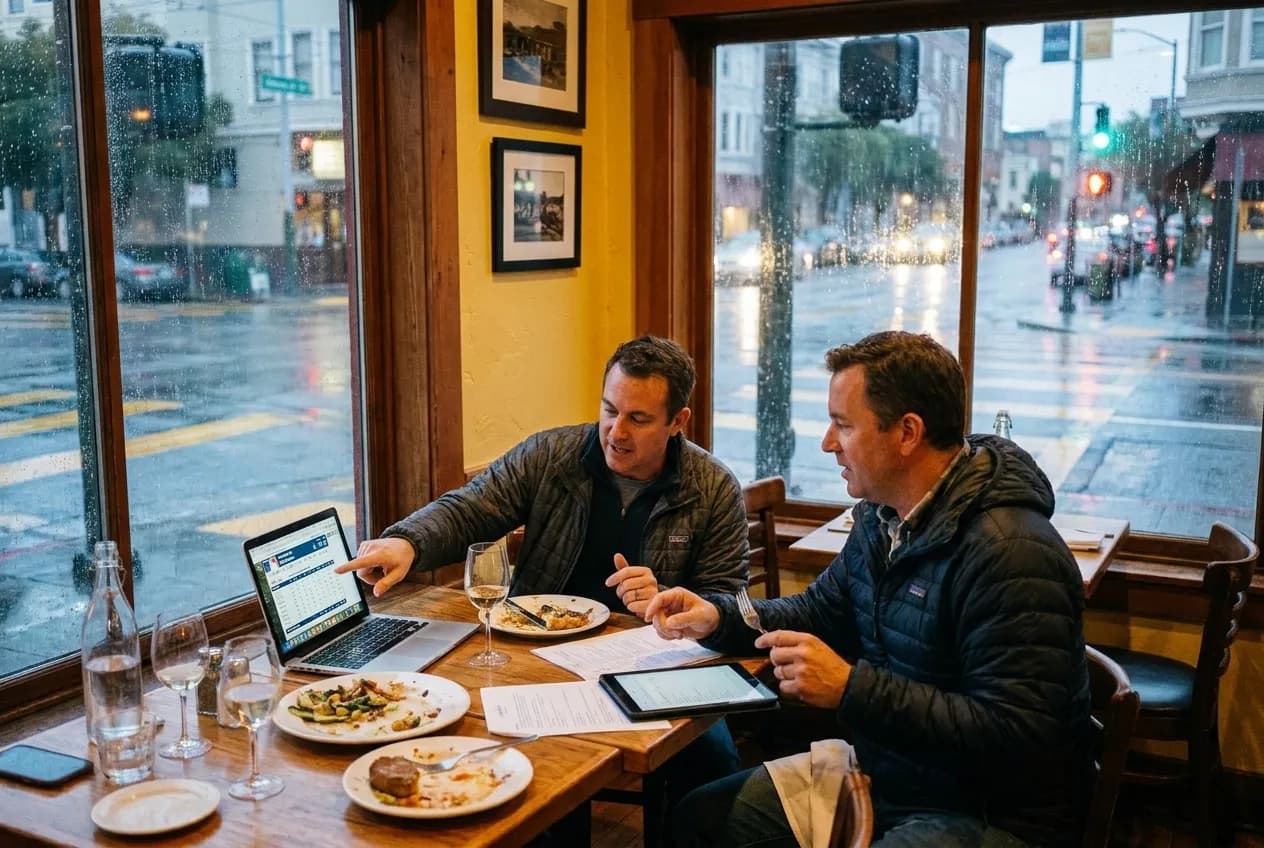
Multi-course pacing becomes a collaborative negotiation rather than a fixed schedule when debates intensify. A server who checks whether the table wants the next course now or in fifteen minutes demonstrates the flexibility extended analytical dinners require. Conversely, restaurants operating on predetermined course timing—common in tasting menu formats—impose external structure that may conflict with organic debate rhythm. The fellow analyst friend dynamic differs from date nights or business dinners in ways experienced servers recognize: two people leaning over a laptop comparing spray charts need different attention patterns than other two-tops.
Verification Steps Before Committing to a Venue
Baseball statisticians accustomed to data verification should apply similar rigor to restaurant selection. Calling during off-peak hours (weekday mid-afternoons) increases chances of reaching decision-makers rather than host staff with limited policy knowledge. Specific questions outperform general inquiries: "Do you accommodate laptops at dinner tables on Friday evenings?" yields more useful responses than "Are you good for working dinners?" Similarly, asking whether the restaurant has hosted similar analytical dinner groups before may surface either encouraging precedents or reveal the request falls outside their comfort zone.
The Potrero library branch at 1616 20th Street operates until 8pm on Thursdays and 6pm on Fridays, offering a pre-dinner option for analysts wanting to review materials in a guaranteed WiFi environment before transitioning to the restaurant. This staged approach—library for initial prep, restaurant for debate—suits some analytical pairs better than attempting the entire evening in a dining environment. Dogpatch's library kiosk at 1278 Minnesota Street provides a neighborhood landmark for orienting restaurant locations, though its limited services mean it functions more as a geographic reference than a functional pre-dinner workspace.
Tags: #SanFranciscorestaurants #Dogpatchdining #PotreroHillrestaurants #extendeddinnerreservations #laptopfriendlyrestaurants #baseballstatistics #analyticaldining #Fridayeveningrestaurants #WiFirestaurantsSF #workingdinnervenues
Sources consulted: Source 1: sf.gov · Source 3: sfmta.com · Source 4: sfpl.org
All trademarks are the property of their respective owners.
Ask Karpo first
Ask Karpo to turn this San Francisco idea into a current plan for your date, budget, companion, transit preference, and energy level. Karpo can narrow the route and flag what to verify before you go.