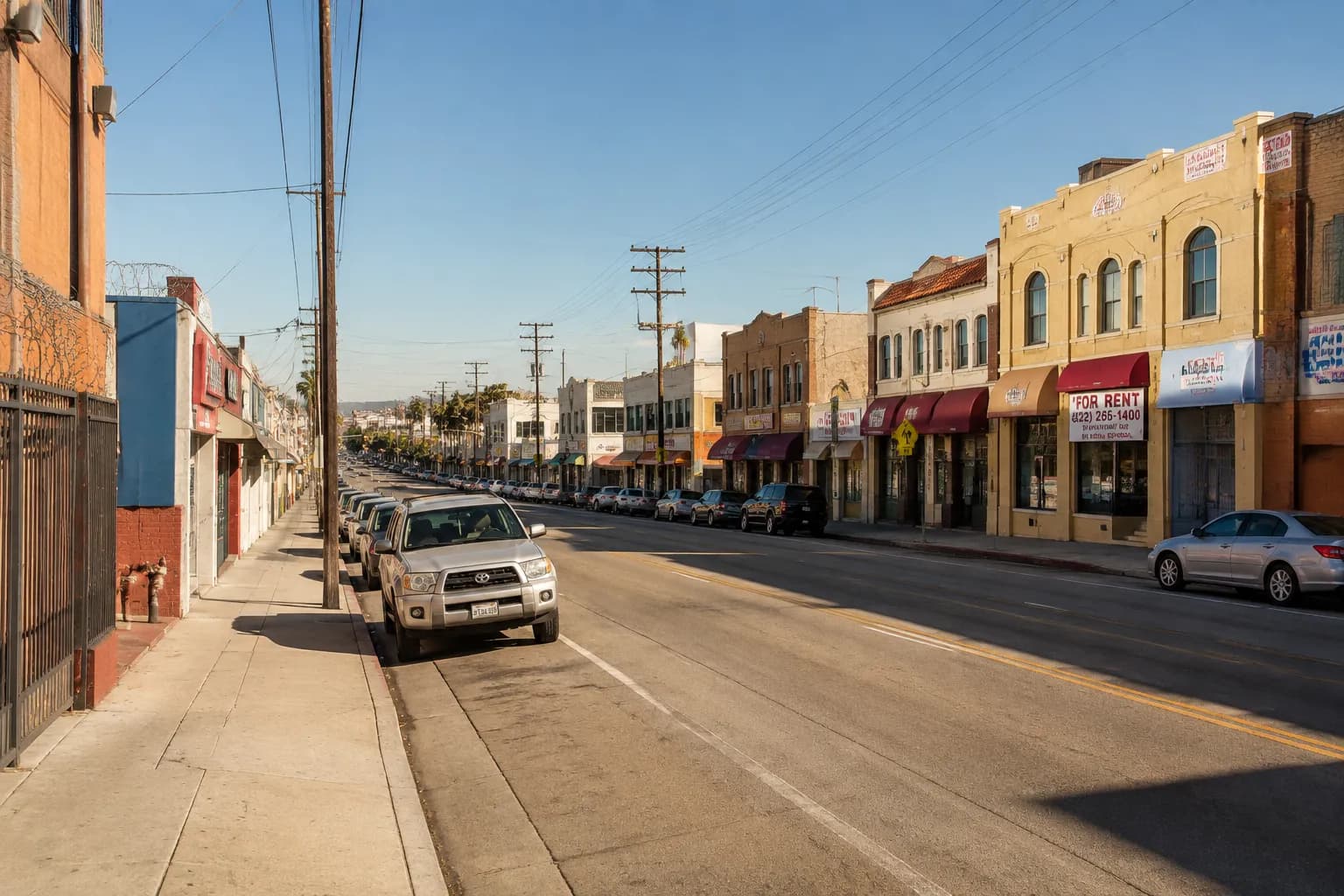
aces vs fever: A Beginner-Friendly Los Angeles Sports Route is not a promise that a specific game, team, athlete, watch party, or private event is happening in Los Angeles today. Treat the phrase as a timely reason to get friends moving, then build the day from official public information. Los Angeles rewards planning: the city’s tourism site points visitors toward events, itineraries, neighborhoods, beaches, hiking, dining, and team-gear shopping, while Metro provides trip planning, real-time arrivals, step-by-step directions, service alerts, maps, schedules, and app-based guidance. The safest move is simple: choose the type of sports-social outing first, verify the exact listing or venue page, then leave with a transit plan and a backup that still works if the hype fizzles.
Want a low-stress LA sports plan before the group chat gets chaotic? Text Karpo with your neighborhood, group size, mobility needs, and whether you want to watch, play, eat, or just be near the buzz.

Turn the sports interest into a social plan
Start by separating interest from evidence. A national search spike around aces vs fever can make people assume there is a local event, a celebrity stop, or a guaranteed viewing scene. Do not build your night on that assumption. Build it on what you can verify: an official event listing, a venue’s own page, a public transportation route, and a fallback activity that does not depend on any one screen, tip, or repost.
For a beginner-friendly Los Angeles route, make the first decision social rather than competitive. Is the group trying to watch a game together, play something casual, buy team gear, walk a neighborhood, or combine food with a low-pressure sports theme? Discover Los Angeles publishes public-facing guides for things to do, eat and drink, events, itineraries, outdoor and wellness ideas, beaches, hiking trails, and streetwear and LA team gear. Use those official categories as the frame, then confirm the current details on the specific page you plan to use.
A workable city plan has three anchors: a meeting point, a main activity, and an exit option. In LA, that might mean meeting near a Metro-accessible neighborhood, choosing a verified public event or dining stop, and keeping a second public activity nearby. Avoid vague instructions like “meet downtown somewhere” or “we’ll find a bar.” Beginners need names, times to re-check, and a clear answer for what happens if the first idea is crowded or unavailable.
Choose participation or spectating first
Participation and spectating require different preparation. If the group wants to participate, keep the activity casual and public: a walk tied to an LA itinerary, a beach plan, a hike, or a neighborhood route with food afterward. Discover Los Angeles highlights LA’s beaches, hiking trails, outdoor and wellness ideas, and 75 miles of sunny coastline, but the specific access, conditions, and route details should be checked before the group leaves.
If the group wants to spectate, do not assume every restaurant, bar, hotel lounge, rooftop, or public event will show the same game. Use the venue’s official page or direct communication to confirm whether screens, seating, entry procedures, and timing fit your plan. The safer language in the group chat is: “We are meeting there if the venue confirms it works,” not “They’re definitely showing it.”
For mixed groups, choose the less demanding version. A beginner who does not follow basketball can still enjoy a social watch stop if the plan includes food, transit clarity, and an easy departure. A beginner who is nervous about activity may prefer a short public walk or a casual beach-adjacent plan over anything that requires equipment, reservations, or advanced fitness.
Match the venue to the group energy
Los Angeles has many different social speeds. Discover Los Angeles organizes the city through neighborhoods and experiences, including places such as Koreatown, Little Tokyo, North Hollywood, Venice, Malibu, Griffith Park, Pasadena, Sawtelle Japantown, and the broader dining and culture scene. That matters because the right sports-social plan is not just about the screen or activity; it is about whether the neighborhood matches the group’s tolerance for crowds, parking pressure, walking, noise, and late changes.
If your group is chatty and food-led, start with a public dining plan and treat the sports topic as the conversation hook. If the group wants city energy, choose an area with multiple public options so you can pivot without restarting the whole night. If the group includes first-time visitors, avoid overloading the itinerary. One neighborhood, one confirmed stop, one backup, and one transit route is usually better than a cross-city scavenger hunt.
Crowd risk should be discussed before anyone leaves home. Trending sports interest can increase demand at watch-friendly places, even when there is no official local event. Check whether the location publishes current event information, entry guidance, seating notes, or contact details. If the only proof is a social post with no official confirmation, treat it as unverified and keep your backup equally appealing.
Plan equipment seating and transit early
Equipment is where beginner plans often fall apart. If you choose an outdoor activity, confirm what the official location or organizer says about access, permitted items, restrooms, route difficulty, and any changing conditions. If you choose a watch stop, confirm seating, arrival expectations, age restrictions if relevant, and whether the space can actually accommodate your group. Do not invent a policy for the sake of convenience.
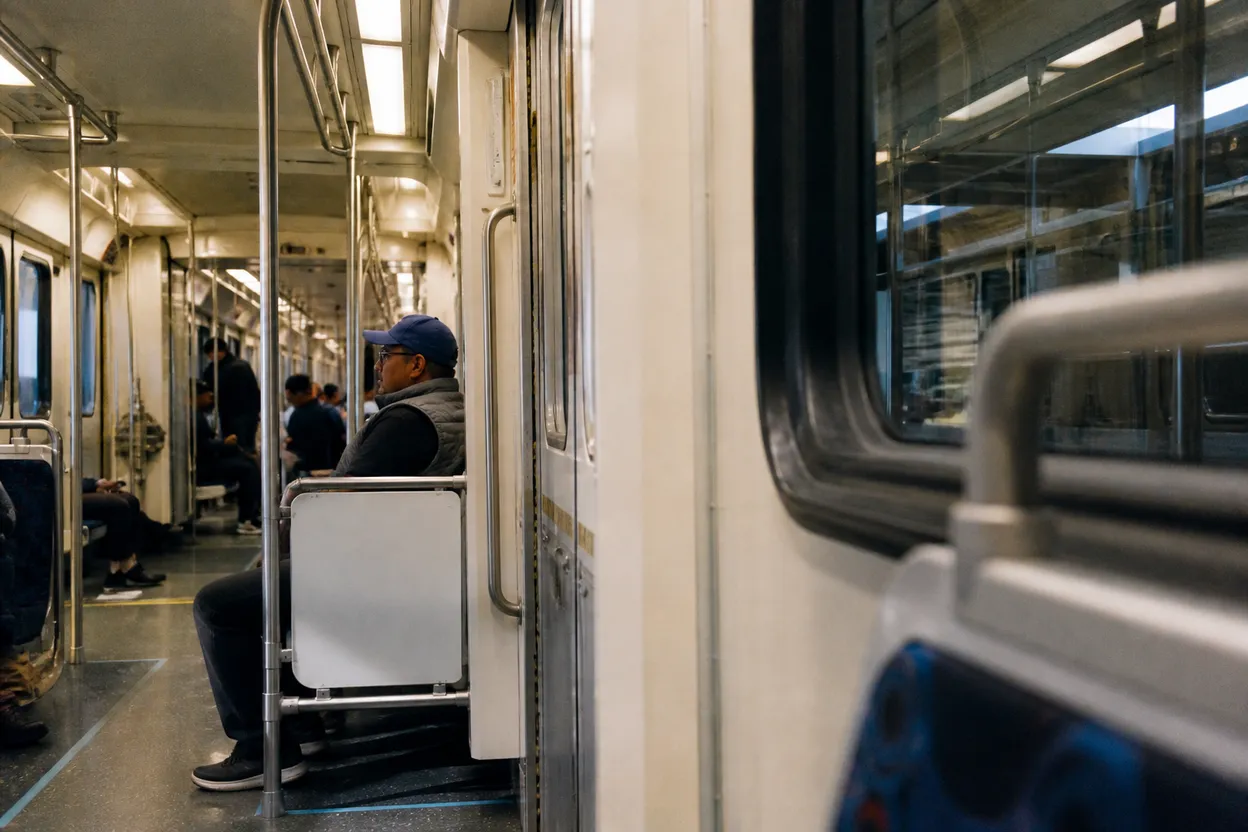
Transit deserves the same early check. Metro’s official site offers a Trip Planner, arrivals, alerts, maps and schedules, plus the Official LA Metro App with real-time arrivals, step-by-step directions, and service alerts. Metro also notes that riders can pay fare with a credit or debit card, in plastic or digital form, by tapping on bus or at train stations. Before leaving, compare your outbound and return options rather than assuming the return trip will be obvious later.
The D Line Extension is especially relevant for Mid-Wilshire planning because Metro says new stations at La Brea, Fairfax, and La Cienega connect the cultural energy of Mid-Wilshire with Koreatown and Downtown LA. If your route touches those areas, verify current maps, schedules, alerts, and walking directions in the Metro tools. Build in extra time for transfers, group delays, and the person who arrives with a nearly dead phone.
Keep beginners from feeling stranded
A beginner-friendly route is not just easier; it is kinder. Share the exact meeting point, the nearest transit stop you plan to use, the first official page everyone should check, and the point at which the group will switch to the backup. People feel stranded when the plan depends on one organizer’s phone, one uncertain table, or one crowded venue with no alternative.
Use plain roles. One person verifies the venue or event listing. One checks Metro alerts and return directions. One watches the time. One keeps the backup alive. That sounds formal, but it prevents the classic LA problem: six people standing outside a busy place, each assuming someone else knows what comes next.
The backup should match the original mood. If the first plan was spectating, the backup can be another verified public dining or event option nearby. If the first plan was active, the backup can be a shorter outdoor or neighborhood route drawn from official LA visitor resources. Do not make the backup feel like punishment; make it the second version of the same social goal.
Verify schedules before leaving
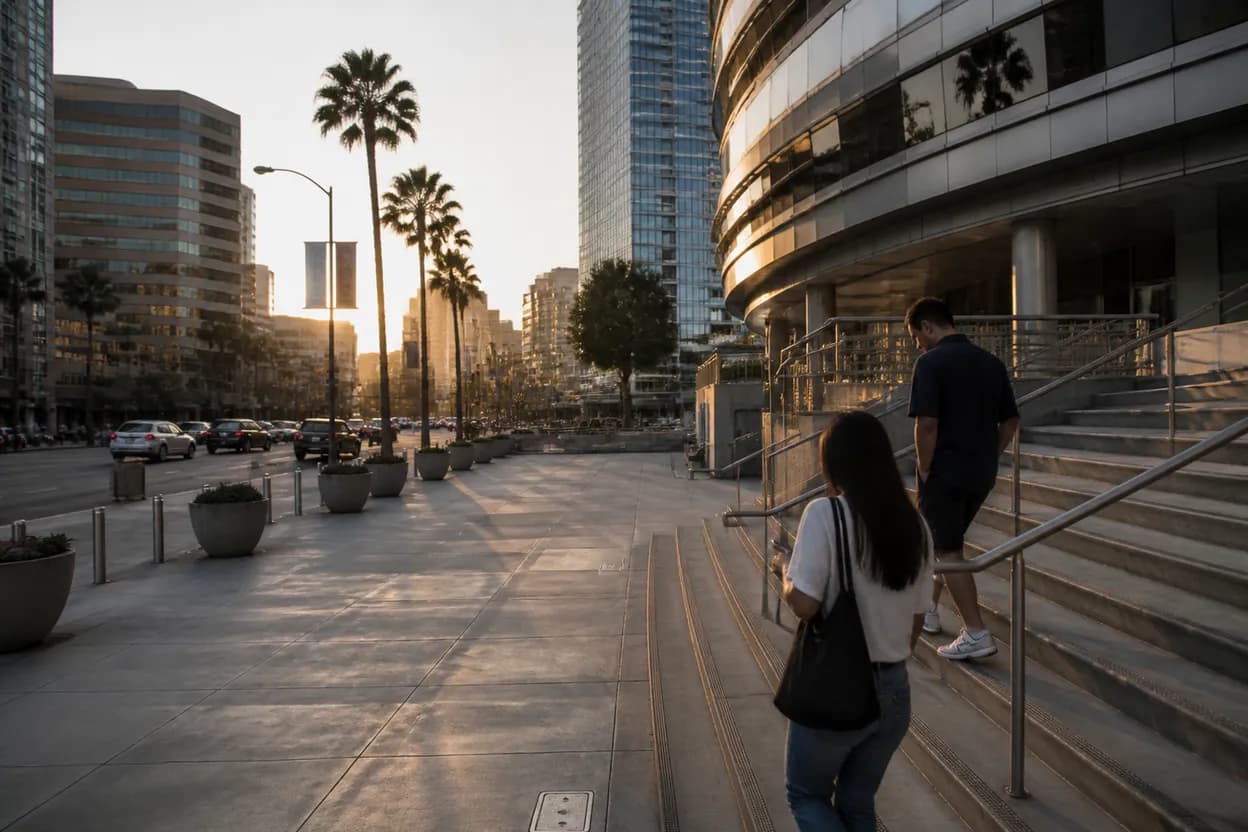
On Friday, August 7, 2026, the final check matters more than the original idea. Discover Los Angeles maintains public event and itinerary resources, and Metro maintains alerts, maps, schedules, arrivals, and app guidance. Use those official sources immediately before departure because listings, service conditions, access details, and venue procedures can change.
Your pre-leave checklist should be short: confirm the main destination on its official page, confirm the backup, check Metro directions and alerts, make sure everyone knows the meeting point, and decide when the group will pivot. If the plan depends on a game broadcast or a specific viewing setup, confirm that directly with the venue rather than relying on assumptions from the aces vs fever conversation.
The best LA sports-social plan is flexible without being vague. It gives the group something to be excited about, but it does not pretend that excitement equals confirmation. Use the buzz to gather people, use official pages to make decisions, and keep the night public, accessible, and easy to exit if the first choice gets crowded or uncertain.
Tags: #AskKarpo #BeforeYouGo #LosAngeles #LASports #SportsSocial #AcesVsFever #LAItinerary #MetroLA #PublicTransit #WatchPartyPlan #BeginnerFriendly #VerifyFirst #LACrowds #WeekendPlan
Sources consulted: discoverlosangeles.com · metro.net · laparks.org
All trademarks are the property of their respective owners.
Ask Karpo first
Ask Karpo first if your group is turning sports buzz into a real Los Angeles outing. Share your starting area, preferred neighborhood, transit comfort, group size, and backup tolerance, and Karpo can help shape a verification-first route before anyone commits to a crowded or uncertain plan.