As students in Los Angeles prepare for the upcoming school year, the buzzing phrase "aces vs dream" might capture attention, sparking debate or prompting internet searches. While the subject itself may not be directly tied to L.A.'s physical landscape, the interest it generates can be a valuable springboard for developing crucial back-to-school skills: critical research, reliable information sourcing, and practical urban navigation. Instead of simply consuming information, this article proposes turning that casual curiosity into an actionable learning route through the city. By following a structured approach, students can transform a fleeting online trend into a tangible exercise in verifying facts, utilizing public resources, and confidently exploring L.A.'s educational and recreational opportunities.
Want to ensure your Los Angeles learning route is perfectly timed and accessible? Text Karpo to check real-time transit schedules, confirm library hours, and verify park access for your chosen destinations.

Turn aces vs dream curiosity into a research route
The fascination surrounding "aces vs dream" offers a unique opportunity to practice verification-first research. Rather than immediately accepting the first search result, consider this a chance to apply academic rigor to an everyday interest. For students heading back to school, this means moving beyond quick answers to understand *how* information is presented and *where* it originates. This foundational skill will be invaluable across all subjects, from history to science, and helps build discernment in an increasingly information-saturated world.
Think of your interest in "aces vs dream" as a case study. What exactly are you trying to find out? Is it background information, current events, or differing perspectives? Clearly defining your research question is the first step in any effective investigation. This clarity will guide your search and help you identify the most appropriate resources, ensuring you gather relevant and verifiable facts rather than getting sidetracked by speculation or opinion.
Start with a reliable public resource
When embarking on any research, especially for school, beginning with established public institutions is key. For Los Angeles residents, the Los Angeles Public Library system is an unparalleled resource. Their extensive databases, digital archives, and knowledgeable staff offer a robust starting point for any inquiry. While Discover Los Angeles provides a wealth of information on local events and attractions, for academic-level verification or in-depth research, the library’s resources are typically more aligned with educational standards. Familiarize yourself with their online portal before your visit to streamline your research process.
The library isn't just for books; it's a hub for validated information. For a topic like "aces vs dream," librarians can guide you to reputable news archives, academic journals, or even primary source materials if available, helping you understand the context and evolution of the subject. This direct engagement with vetted sources is a critical skill for academic success and helps distinguish factual reporting from opinion or speculative content. Remember to check the library's hours and any specific access requirements before you go.
Practice source checks before opinions
A core tenet of effective research, particularly relevant when exploring topics like "aces vs dream" that might have various interpretations, is to prioritize source checking. Before forming an opinion or accepting a claim, ask: Who created this information? What is their agenda? Is the information supported by evidence? Look for multiple, independent sources that corroborate facts. A single article, no matter how compelling, should always be cross-referenced.
Consider the type of source. Official websites, academic publications, and reputable news organizations generally adhere to higher journalistic standards. Social media posts, blogs, or forums, while potentially offering interesting perspectives, should be treated with greater skepticism and always verified against more authoritative sources. This practice of critical evaluation is fundamental for both academic integrity and informed decision-making in daily life.
Choose a study stop that fits the task
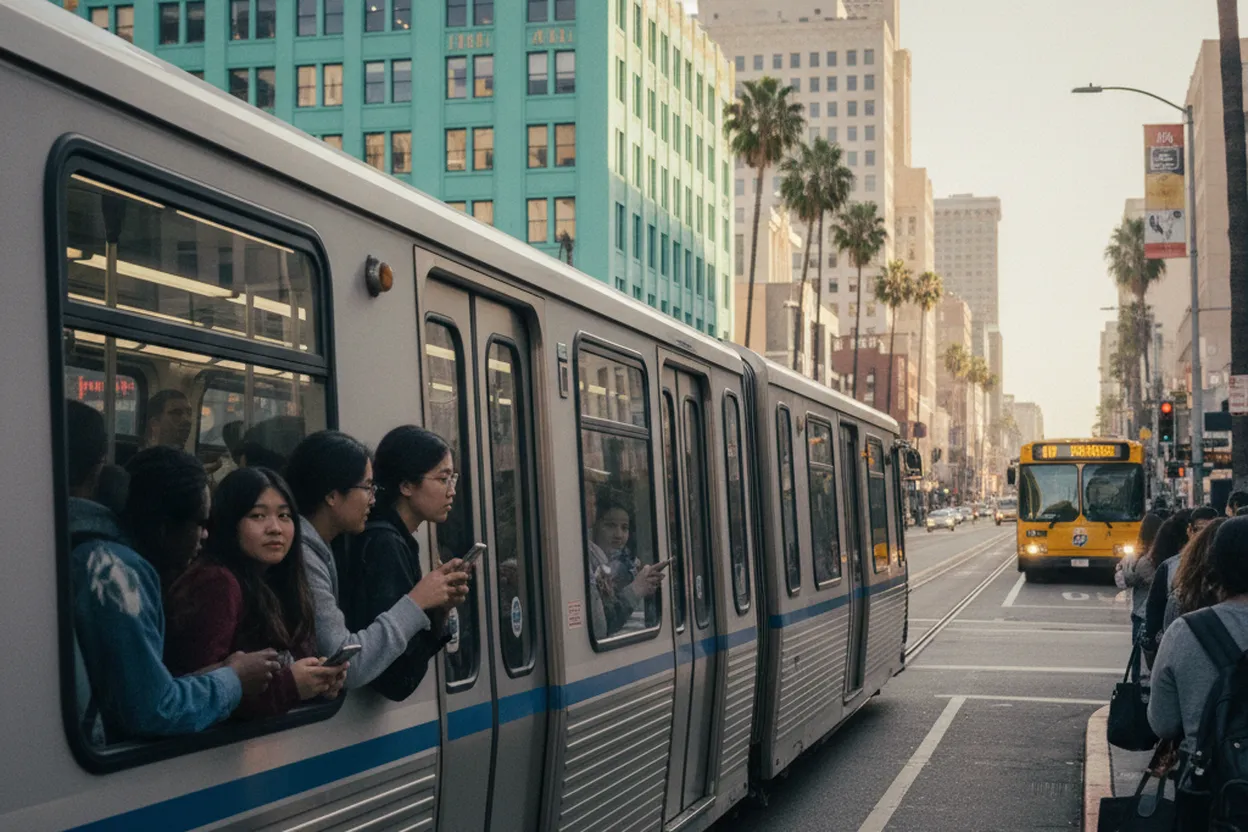
Once you've gathered initial information about "aces vs dream" from reliable sources, choose a study environment that supports further analysis or synthesis. A branch of the Los Angeles Public Library offers quiet spaces, internet access, and often, the ability to print or make copies. For those in Mid-Wilshire, the new D Line extension connecting Koreatown and Downtown LA via new stations at La Brea, Fairfax, and La Cienega, makes library branches in these areas more accessible. This public transit option, as detailed on metro.net, allows for focused study without the added stress of parking.
Alternatively, if your research involves more collaborative work or requires a less formal setting, a public park with Wi-Fi might be suitable for reviewing notes or discussing findings. However, for deep, uninterrupted concentration, the structured environment of a library is often more conducive. Match your chosen location to the specific demands of your academic task to maximize productivity and minimize distractions.
Add one low-cost reset nearby
Intensive research or study sessions benefit from periodic breaks. Incorporate a low-cost, nearby activity to reset and recharge. If you're near a D Line station, consider a brief walk to explore a local park or cultural point of interest. For example, the extension connects to the cultural energy of Mid-Wilshire, offering diverse options for a quick mental break without incurring significant cost or travel time. Check metro.net for details on the D Line extension and nearby attractions.
A simple walk, observing the urban environment, or even a short period of people-watching can provide a necessary pause before returning to your studies. The goal is to clear your mind and return with fresh perspective, not to embark on another demanding activity. This strategic break can enhance retention and prevent burnout, making your overall learning route more sustainable and effective.
Verify hours and access before leaving
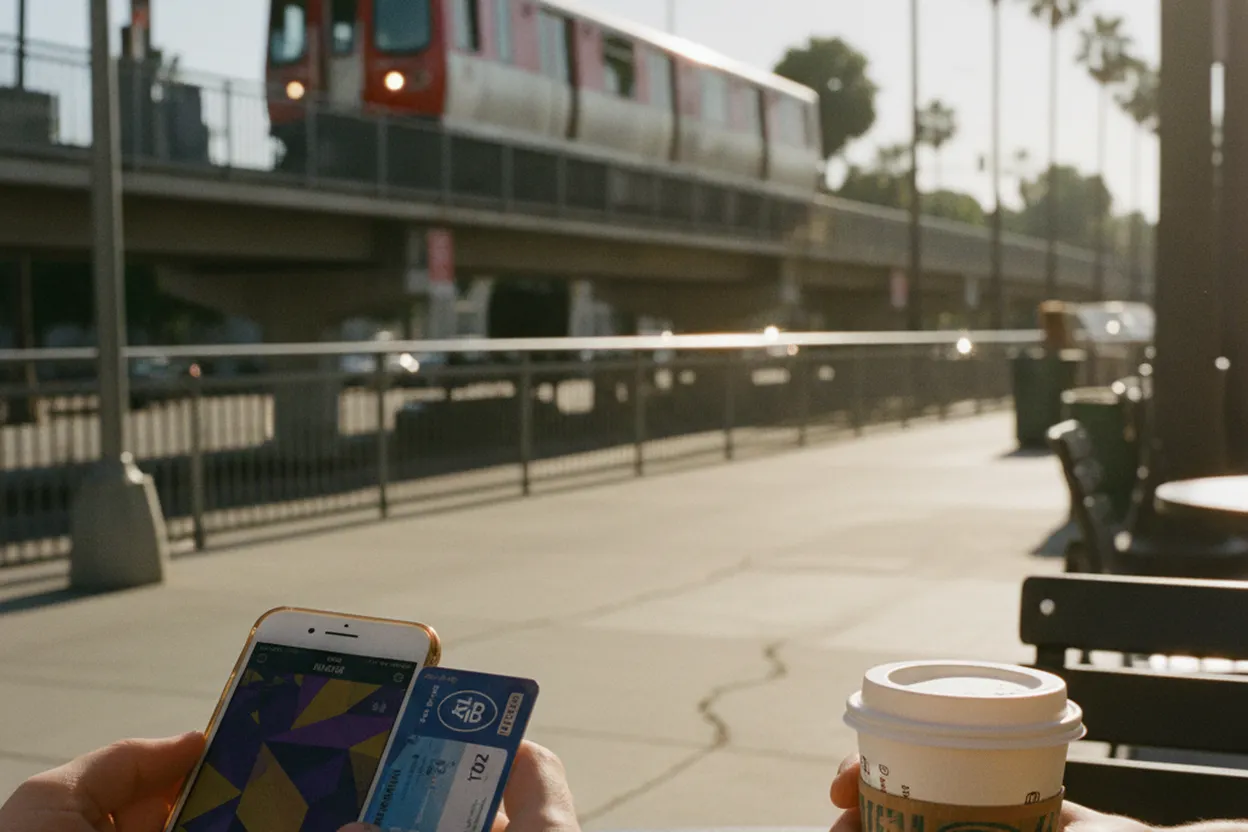
Before setting out on your Los Angeles learning and research route, it is crucial to verify all operational details. Public transit schedules, library hours, and park accessibility can change. The Metro website, metro.net, is the definitive source for real-time arrivals, trip planning, and service alerts for buses and trains. Use their app for the most up-to-date information.
Similarly, check the official website for any library branch you plan to visit for current operating hours, holiday closures, or special event impacts. For parks, while generally accessible, specific amenities or areas might have restricted hours or temporary closures. A quick check of official sources will save you time and frustration, ensuring your well-planned academic excursion runs smoothly and without unexpected interruptions.
Tags: #BackToSchoolLA #LearnInLA #LAMetro #LAPublicLibrary #ResearchSkills #StudentLifeLA #ExploreLA #UrbanLearning #BeforeYouGo #LAEducation #VerificationFirst #StudySpotsLA #AskKarpo #PublicTransit
Sources consulted: discoverlosangeles.com · metro.net · laparks.org
All trademarks are the property of their respective owners.
Ask Karpo first
Navigating Los Angeles for academic pursuits requires planning. Ask Karpo to confirm the latest Metro schedules, library operating hours, and park access for your specific route, ensuring a seamless and productive back-to-school experience.