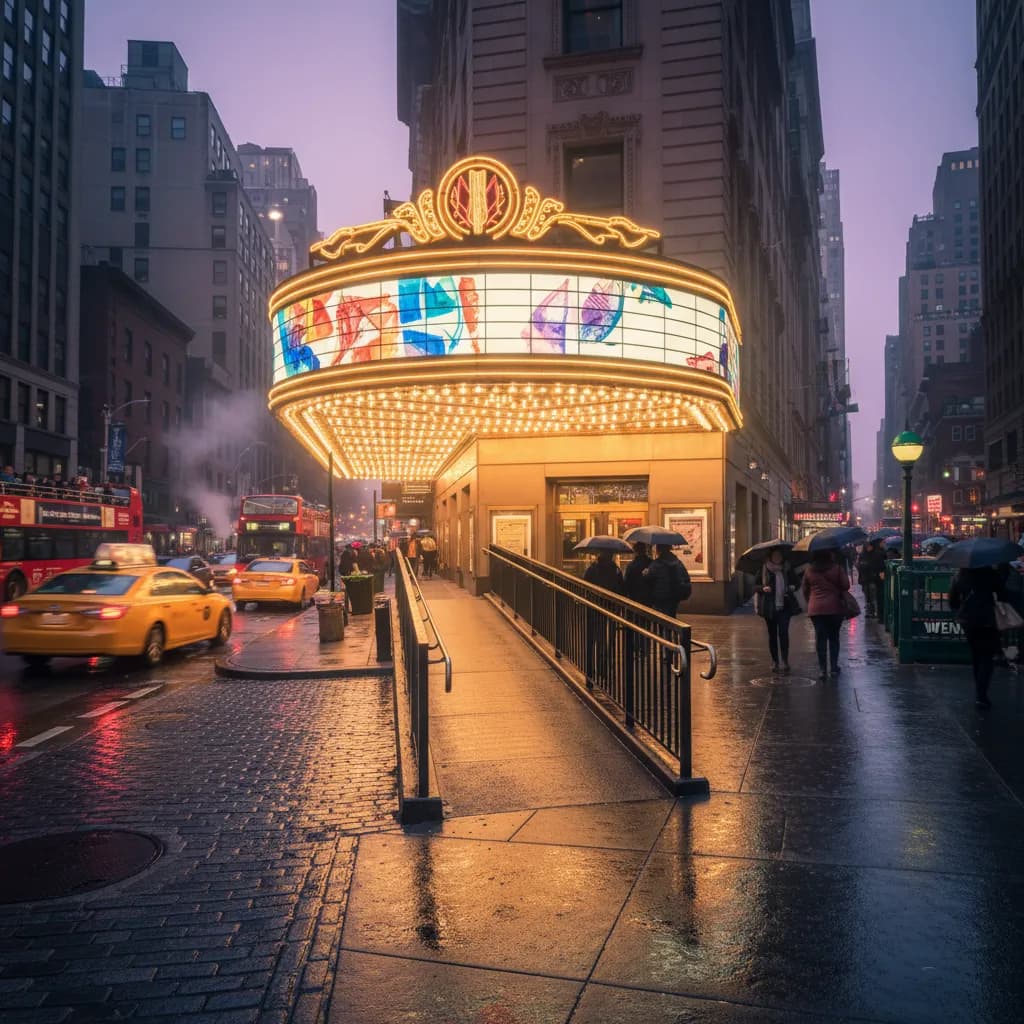
A Broadway night is easier when the accessibility plan starts outside the theater. The show ticket is only one piece; the usable path includes the subway station elevator, the curb cut, the correct entrance, the seating transfer, the captioning or audio-description setup, and the restroom route during intermission. For visitors who use wheelchairs, canes, walkers, captioning, assistive listening, or low-stair routes, the smartest Broadway plan is built as a chain. If one link is weak, you need a backup before you are standing in the Theater District crowd.
Text Karpo for an access-checked version of Accessible Broadway Around MTA Elevators, Captioning And Restrooms; we can look for current program notes, captioning or description options, arrival details, and a nearby fallback before you go.

Use Theatre Access Tools Before Buying
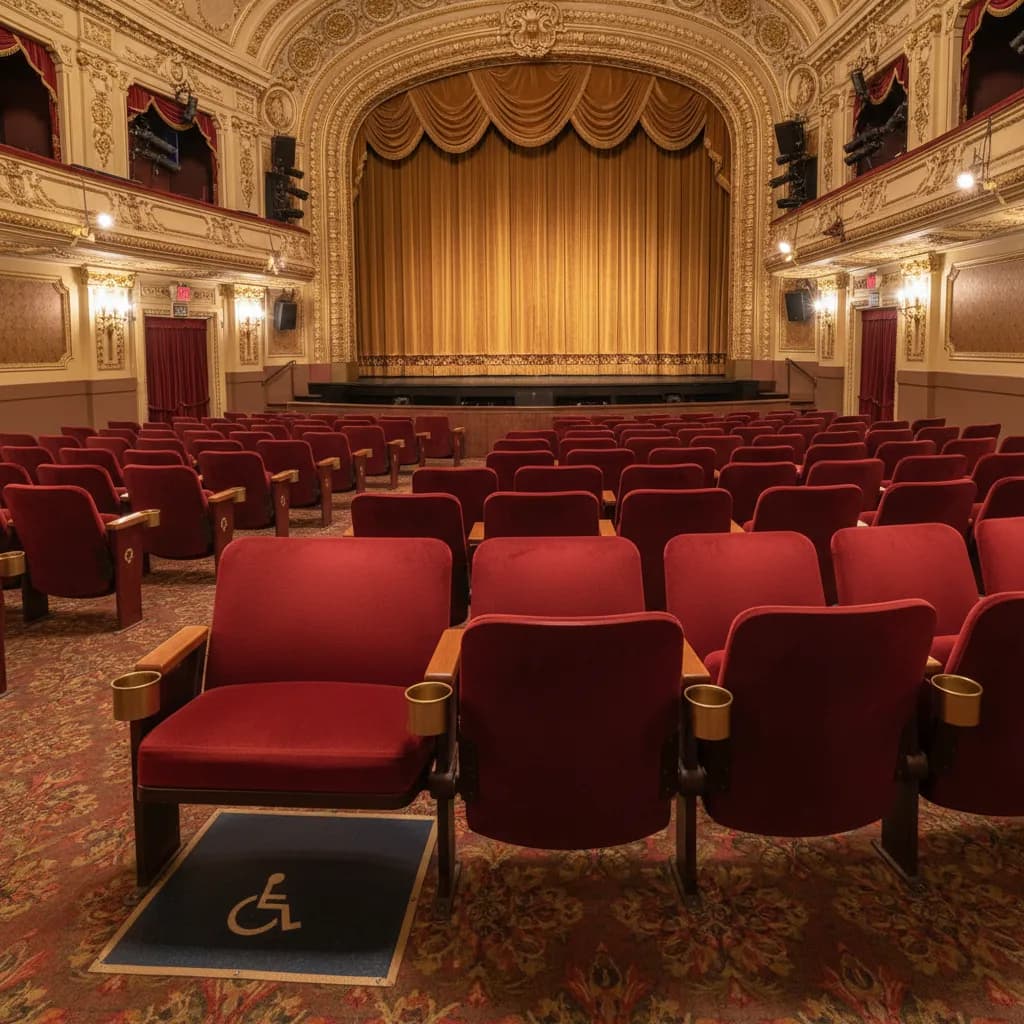
Theatre Access NYC is the most useful starting point because it centralizes accessibility information for Broadway productions, including wheelchair seating, aisle-transfer seats, companion seating, open captioning, audio description, and other services where available. TDF Accessibility Programs also supports theatergoers with hearing loss, vision loss, mobility disabilities, autism, and other access needs through dedicated services and resources. These tools do not replace the box office, but they help you ask more precise questions.
When you contact a ticketing channel or box office, avoid vague phrasing like accessible seats available? Ask for the exact seating type: wheelchair space, transfer seat, companion location, no-stair path, limited-stair path, or aisle seat. Ask whether the restroom route from that seat requires stairs, whether an elevator is public or staff-assisted, and when to arrive if you need extra boarding time. The more specific the request, the less likely you are to discover the catch at the door.
Map The Subway Like A Separate Reservation
The MTA's accessibility page and elevator status tools should be checked twice: once when planning and once before leaving. Times Square-42 St, 42 St-Port Authority, 49 St, 50 St, and nearby Midtown stations can all be useful depending on the theater, but elevator outages, construction, and platform direction can change what step-free means in practice. If you are traveling with a wheelchair or stroller, build a route around currently working elevators rather than the station that looks closest on a map.
For many Broadway houses, arriving by bus, Access-A-Ride, taxi, or rideshare may reduce stress, but curb congestion around showtime is real. If using a car, choose a drop-off point half a block away from the thickest crowd when possible, then approach slowly. If using the subway, leave enough buffer to switch to a bus or car if an elevator status changes. The goal is not the shortest route; it is the route with the fewest irreversible surprises.
Captioning, Audio Description And Assistive Listening
Captioning and audio-description availability varies by production and date. Some services are scheduled for specific performances; others may require advance reservations or device pickup. Ask where the device is collected, whether identification or a deposit is required, and whether staff can troubleshoot before the show starts. For open-captioned performances, confirm that your seat has a clear view of the caption location, because a technically accessible seat is not always the best caption-viewing seat.
Assistive listening devices are common, but battery, receiver, and headset details still matter. Bring your own compatible headphones if the venue allows it, and arrive early enough to test the device in the auditorium. If you rely on captions or description to follow the performance, treat setup time as part of the show, not as a lobby errand you can squeeze in after the restroom line.
Restrooms And Intermission Are The Stress Test
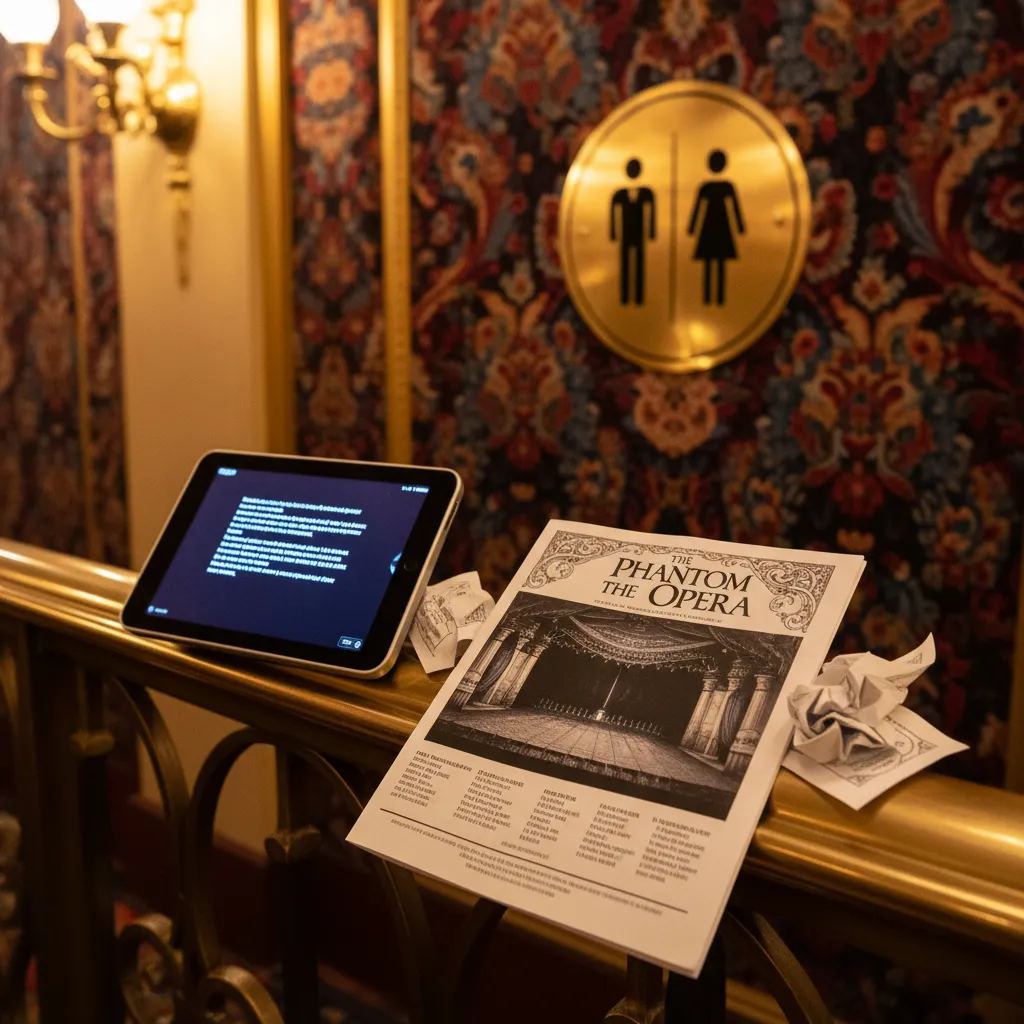
Restroom access can be the hardest part of an older theater. Ask before booking whether accessible restrooms are on the same level as your seat, whether elevator access is available during intermission, and whether staff recommend using the restroom before the show instead. If you have limited walking capacity, choose restaurants, cafes, or hotel-lobby-adjacent stops before the performance with verified accessible restrooms rather than saving everything for the theater.
Intermission crowds are fast, narrow, and loud. If stairs, sensory load, or timing are concerns, consider staying seated and planning a restroom stop before and after instead. If leaving during intermission is necessary, tell an usher before the show begins so you know which aisle and door to use. Staff cannot solve every building constraint, but they can often prevent a wrong turn.
Pre-Theater Dinner Should Reduce Risk
The restaurant before the show should be chosen for access first and atmosphere second. A beautiful dining room with a step at the entrance, a basement restroom, or a tight route between tables can undo an otherwise careful Broadway plan. Look for reservation notes that mention wheelchair access, call to confirm the entrance, and avoid restaurants that require your party to split across high-top seating if anyone needs stable transfer space. In the Theater District, the best accessible dinner is often the one with the cleanest path to the door and enough time to leave calmly.
If captioning or audio description is essential, keep dinner close and early. A late check, slow elevator, or crowded sidewalk can compress the device-pickup window at the theater. For visitors with chronic pain or limited stamina, choose a meal that ends at least 45 minutes before curtain and treat that buffer as protected access time. It gives you room to use a restroom, adjust layers, check the MTA elevator status again, and enter before the lobby reaches peak noise.
Practical Notes
Before buying, confirm seat type, companion placement, restroom route, captioning or audio-description availability, device pickup, entrance timing, bag policy, and the current MTA elevator path. Re-check everything on the day of the performance. For dinner, pick a nearby restaurant with accessible entry and no forced stairs; the pre-theater rush is not the moment to improvise.
Tags: #accessiblebroadway #theaterdistrictnyc #mtaaccessibility #captionedperformances #wheelchairseating #broadwayguide #nycaccessguide #stepfreenyc #assistivelistening #accessibletravel #karpocityguide #theatrenight
Sources consulted: Theatre Access NYC · TDF Accessibility Programs · Broadway Accessibility · MTA Accessibility · NYC Mayor's Office for People with Disabilities Transportation Resources
All trademarks are the property of their respective owners.
Ask Karpo first
Want a Broadway night that starts with the right elevator, not the nearest station? Ask Karpo for a live Theater District route, pre-show restroom stop, and access checklist before you book.


