Above Chinatown works best as a compact detour, not a full shopping itinerary. The shop’s own site places it on the second floor of an inconspicuous Chinatown mall under the Manhattan Bridge, at 75 East Broadway #201, with daily hours listed as noon to 7 p.m. That gives downtown browsers a rare useful combination: a specific address, a manageable time window, and an indoor destination when humidity or sudden rain makes aimless walking less appealing. Treat it like a focused vintage hunt with one friend, a flexible budget, and enough patience for racks where the right piece may be highly specific, not guaranteed.
Want a weird indoor vintage stop near East Broadway without overplanning? Text Karpo before you go and ask for a quick rain-day Chinatown detour check.
Finding Above Chinatown at 75 East Broadway
The first decision is whether you are comfortable with the building format. Above Chinatown identifies itself as a second-floor shop inside a low-profile Chinatown mall, which means the arrival can feel more like finding an office suite than entering a street-level boutique. Use the official address, 75 East Broadway #201, as the anchor, then look for the mall entrance rather than a conventional storefront. This is part of the appeal, but it can slow down first-timers.
Do not build the visit around curbside visibility. The shop’s practical value is that it gives you a short indoor target near East Broadway, close to the Manhattan Bridge approach, where the surrounding streets can be loud, busy, and weather-exposed. If your companion dislikes ambiguous entrances, send the address ahead and agree that ten minutes of wayfinding is acceptable. If the building feels confusing, step outside, recheck the suite number, and call or message before wandering.
Using Above Chinatown’s Noon-to-7 Window
The shop’s website lists hours as every day from 12 p.m. to 7 p.m., which makes weekday midafternoon the cleanest version of the plan. Arriving after lunch avoids the opening-minute uncertainty that can affect small retail, while still leaving time to browse without watching the clock. For a low-commitment stop, budget twenty to forty minutes. If you are planning around a meal, put the shop before dinner, not after.
Because hours are a changing fact, treat noon to 7 p.m. as verified for July 21, 2026, but still worth checking the same day. Small vintage stores can close for sourcing, appointments, private pulls, illness, or building issues without much warning. The failure mode is not catastrophic if you frame this as a detour: if the gate is down, switch to a nearby Chinatown snack, coffee, gallery, or another verified open shop rather than waiting.
Browsing Above Chinatown’s Curated Designer Racks
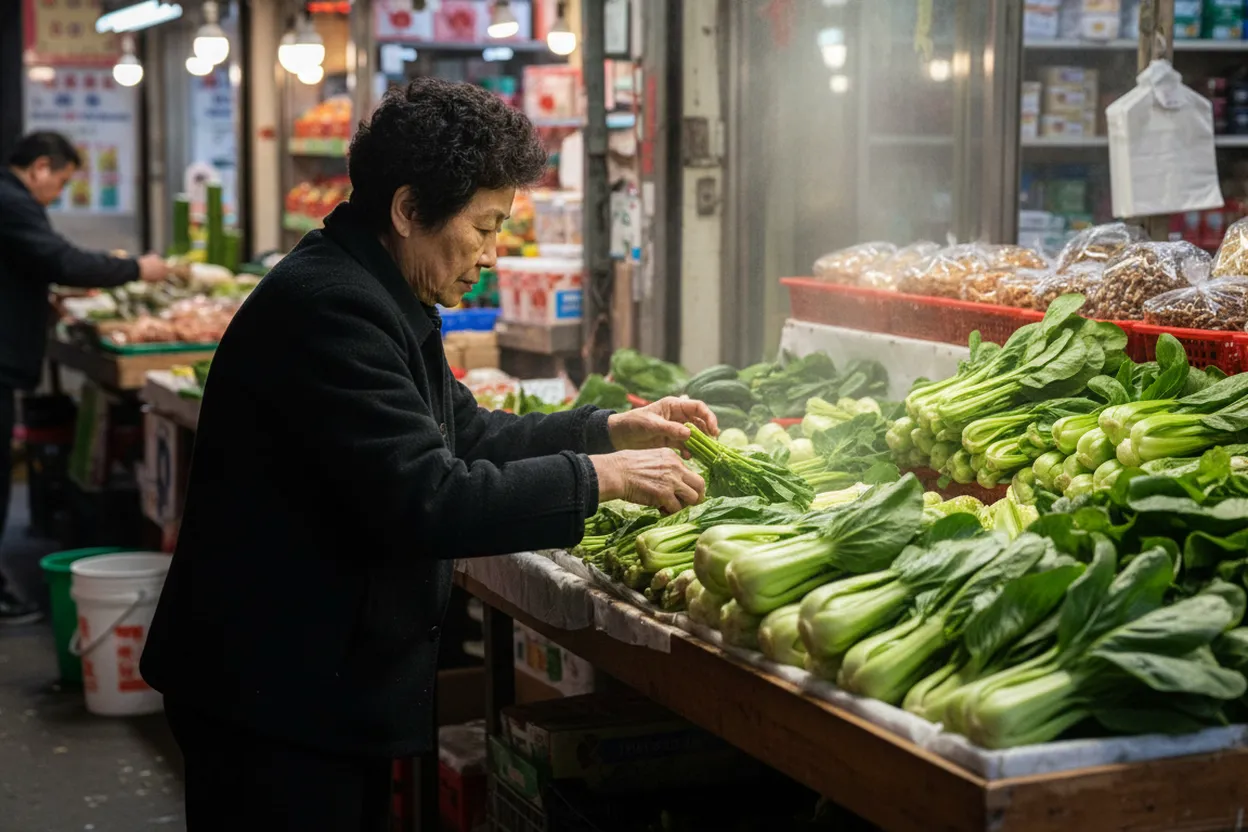
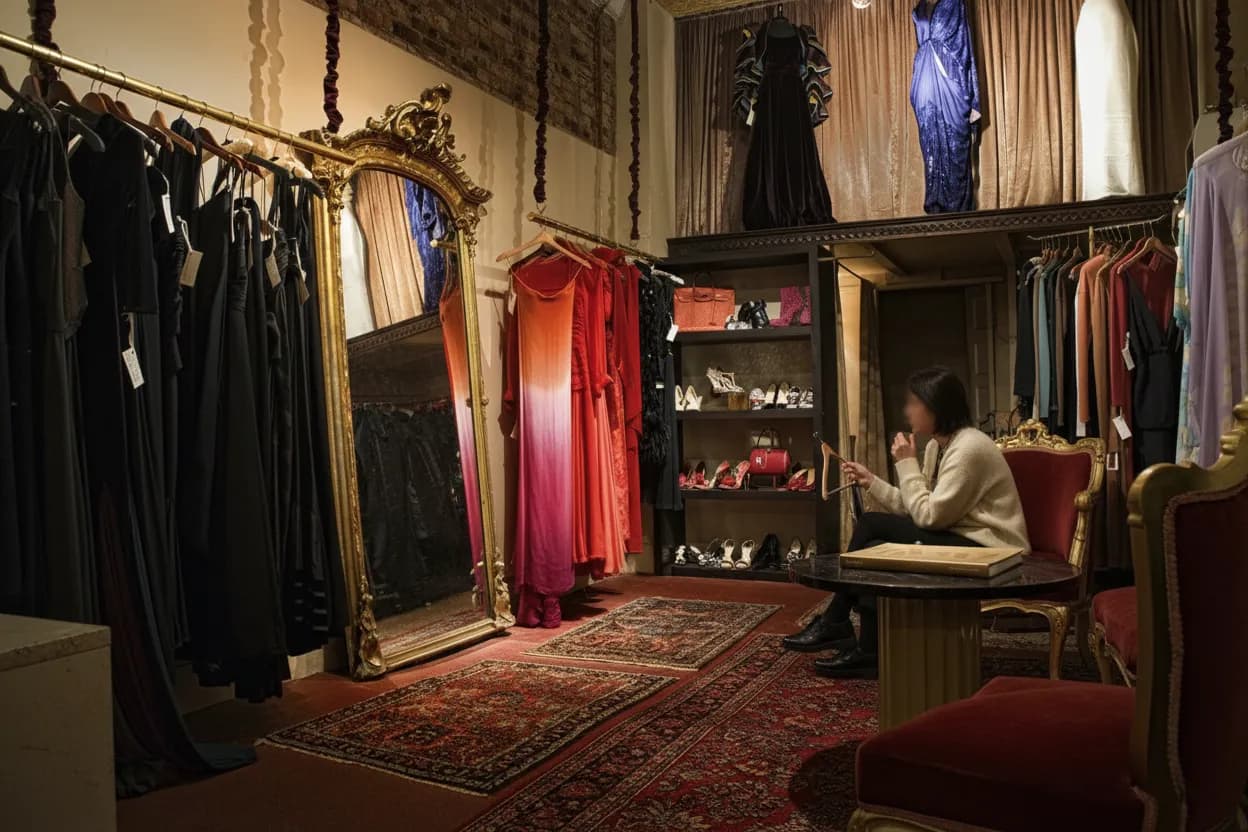
Above Chinatown describes its inventory as one-of-a-kind vintage and names designers including Versace, Moschino, Vivienne Westwood, Jean Paul Gaultier, and Miss Sixty, along with Y2K pieces. That points to a curated rack experience rather than a bargain-bin thrift sweep. Go in ready to inspect fabric, fit, condition, and alterations. The better mindset is edit-and-try, not hoard-and-sort, because a small upstairs room rewards decisive handling more than exhaustive digging.
This is most useful for someone who likes character, labels, unusual silhouettes, or styling experiments. It is less useful if you need a guaranteed size, a specific garment category, or low prices confirmed in advance; no current official price list was available from the sources checked. If budget matters, ask about price before trying several items. Vintage sizing can be misleading, so prioritize measurements, shoulder fit, closures, and wearability over the number on a tag.
Making Above Chinatown a Rain-Day Detour
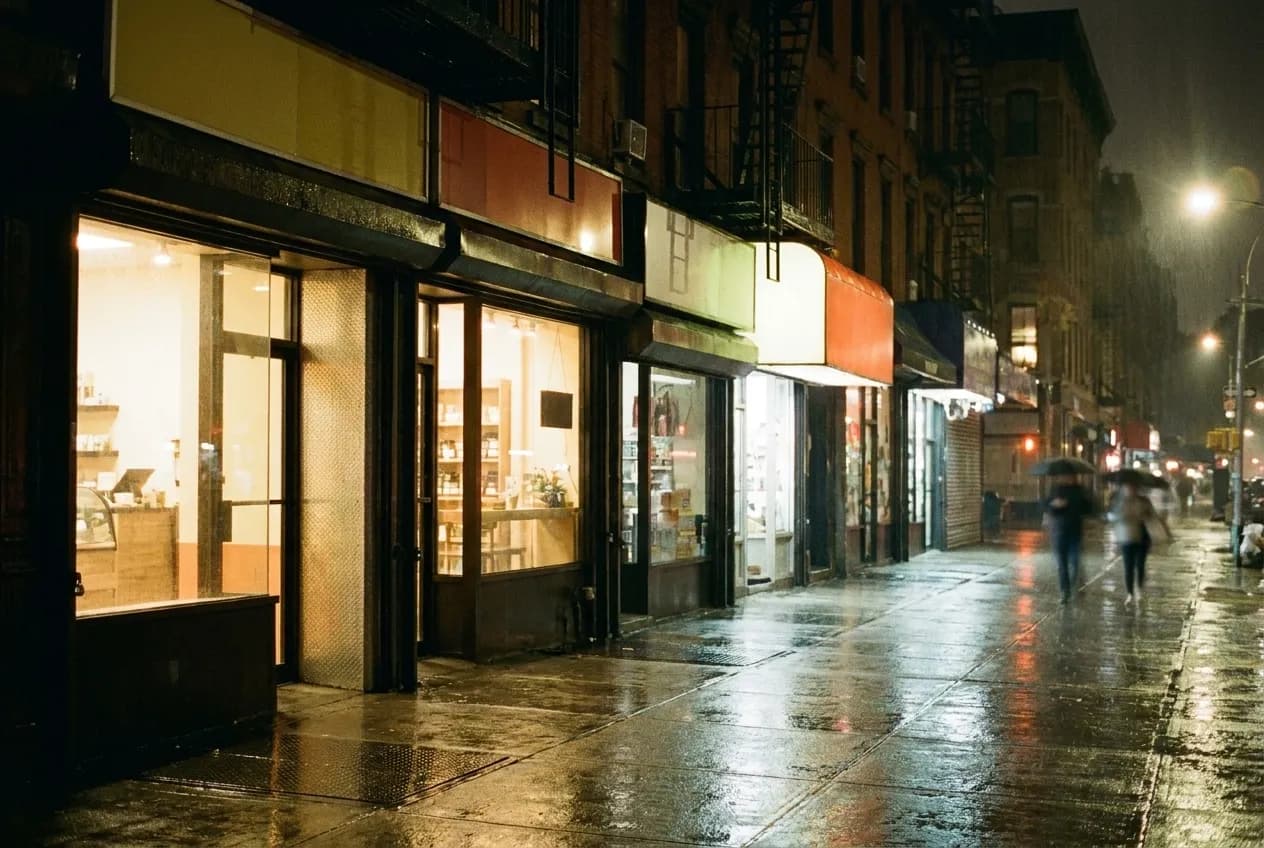
The rain-day logic is straightforward: East Broadway gives you a concrete indoor destination without committing to a museum-length visit. On a humid afternoon or sudden shower, the second-floor setting can reset the pace after outdoor wandering. It is a good fit when you and one friend want something odd, tactile, and specific, but do not want a ticketed event, a timed reservation, or a long subway transfer just to stay dry.
The tradeoff is that indoor does not automatically mean spacious, quiet, or fully comfortable. Small vintage shops can feel tight when several people browse at once, and wet bags or umbrellas make rack shopping clumsier. Keep the group small, avoid dragging luggage, and be prepared to leave quickly if the room is crowded. If you need air-conditioning, seating, restrooms, or a place to linger, verify those directly; they were not confirmed in official source text.
Reaching Above Chinatown by Subway and Street
For transit planning, East Broadway is the obvious nearby subway reference, and current MTA station data should be checked before departure because service patterns and accessibility status can change. The MTA’s accessibility page directs riders to accessible-station information, elevator and escalator status, and accessible trip-planning tools. That matters here because even if the subway route works, the final building approach and second-floor shop may introduce separate access questions.
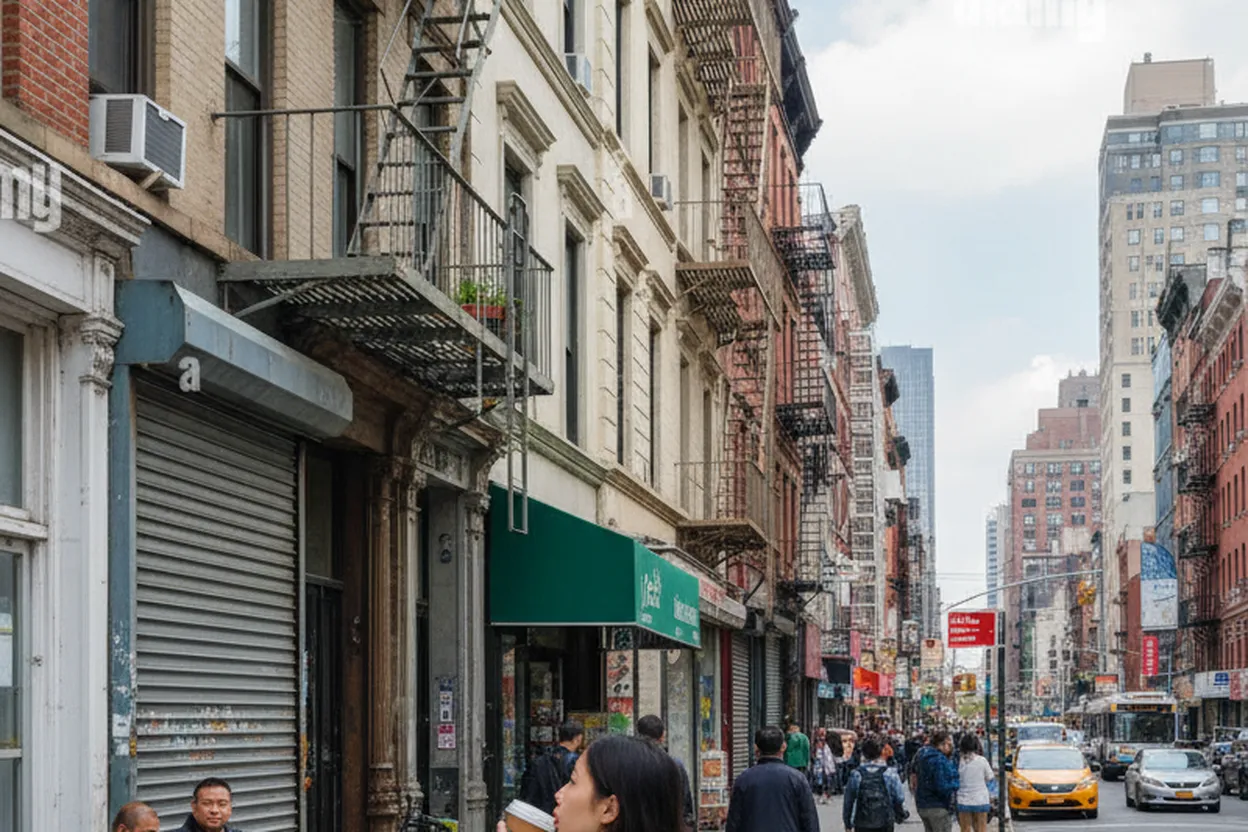
The surrounding street context is busy rather than polished. NYC DOT’s Manhattan Bridge page confirms the bridge connects Chinatown and Downtown Brooklyn and carries vehicles, transit, pedestrians, and cyclists, so the area around the bridge approach can feel layered and noisy. For a calmer arrival, choose daylight, cross at signals, and do not pause in curb cuts or loading areas to debate directions. If a companion is sensitive to crowds, set a nearby meeting point first.
Checking Above Chinatown’s Second-Floor Access
Accessibility is the main unresolved practical issue. The official shop page confirms a second-floor location but does not, in the source text reviewed, confirm an elevator, ramp, stair count, restroom, seating, aisle width, or fitting-room dimensions. That does not mean those features are absent; it means they should not be promised. If step-free access, mobility aid clearance, or a low-stimulation environment is required, contact the shop or building before leaving.
This verification step should shape the go-or-skip decision, not sit as a footnote. If the building confirms step-free access and the shop is open, the visit can be an easy indoor browse. If access is uncertain, choose a street-level backup nearby or save Above Chinatown for a day when stairs and tight browsing are acceptable. The same applies to service animals, stroller access, large bags, and any shopper who needs seating between try-ons.
Deciding Whether Above Chinatown Is Worth the Climb
Go when the point is discovery, not efficiency. Above Chinatown is strongest as a short treasure-hunt stop for someone already downtown, already interested in vintage, and willing to judge success by the browse itself. The shop’s verified address and daily listed hours remove some uncertainty, while the second-floor mall setting adds just enough friction to make it feel like a find. That balance is exactly why it suits a curious, low-commitment afternoon.
Skip or postpone if you need predictable inventory, published prices, confirmed accessibility, or a guaranteed purchase. Before leaving, verify three things in order: the shop’s current hours, whether any same-day closure is posted on its official channels, and whether the building access works for your group. If all three check out, go with one friend, keep the visit compact, and let a no-buy outcome still count as a useful Chinatown reconnaissance stop.
Tags: #AboveChinatown #ChinatownNYC #NYCVintage #EastBroadway #HiddenGemsNYC #OddFinds #VintageShopping #DesignerVintage #RainyDayNYC #DowntownNYC #TwoBridges #AskKarpo #BeforeYouGo #KarpoNYC
Sources consulted: Source 1: abovechinatown.com · Source 2: mta.info · Source 3: nyc.gov
All trademarks are the property of their respective owners.
Ask Karpo first
Tell Karpo your date, group size, budget, and starting neighborhood. We’ll check current access, timing, transit, and the cleanest plan for Above Chinatown before you head out.