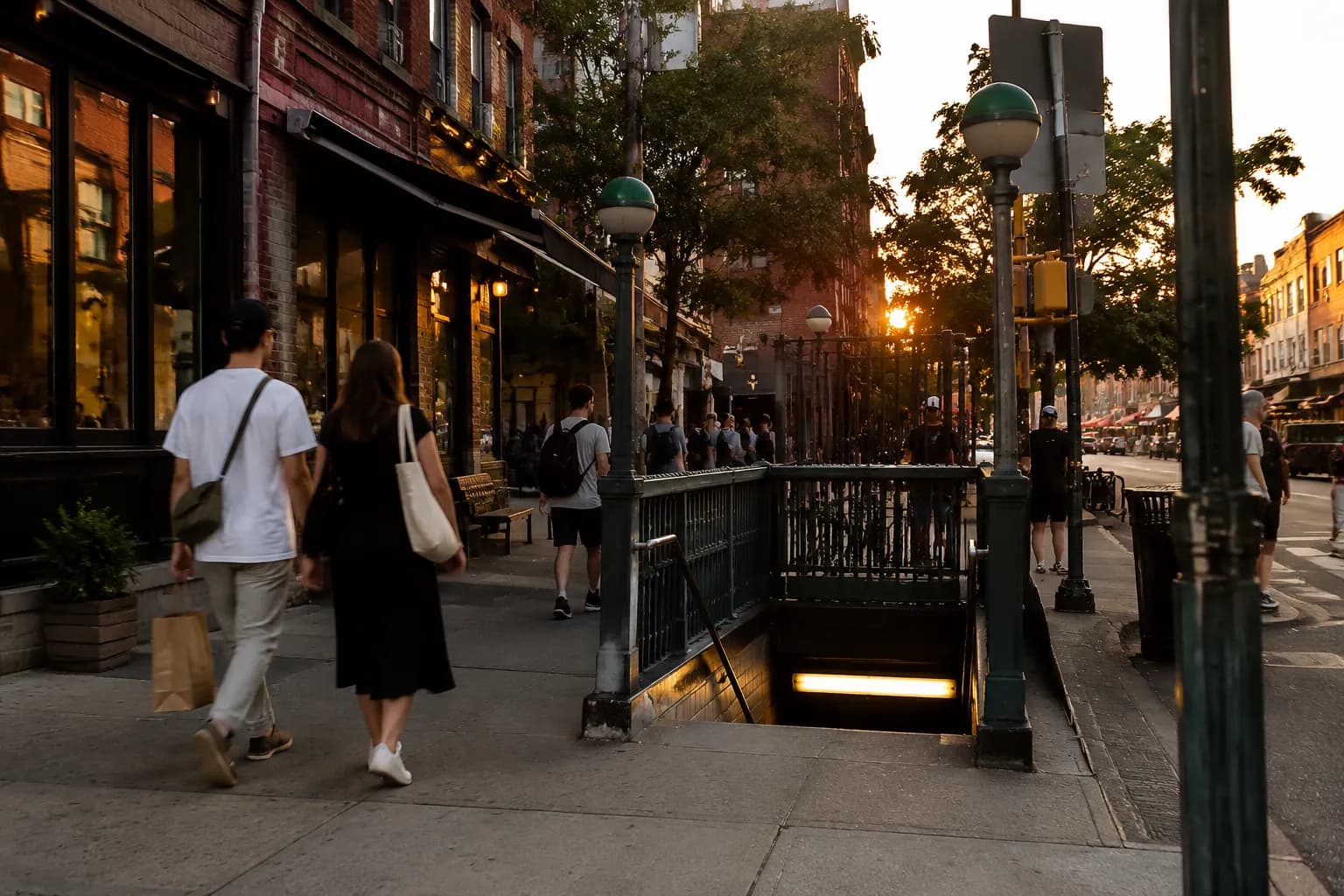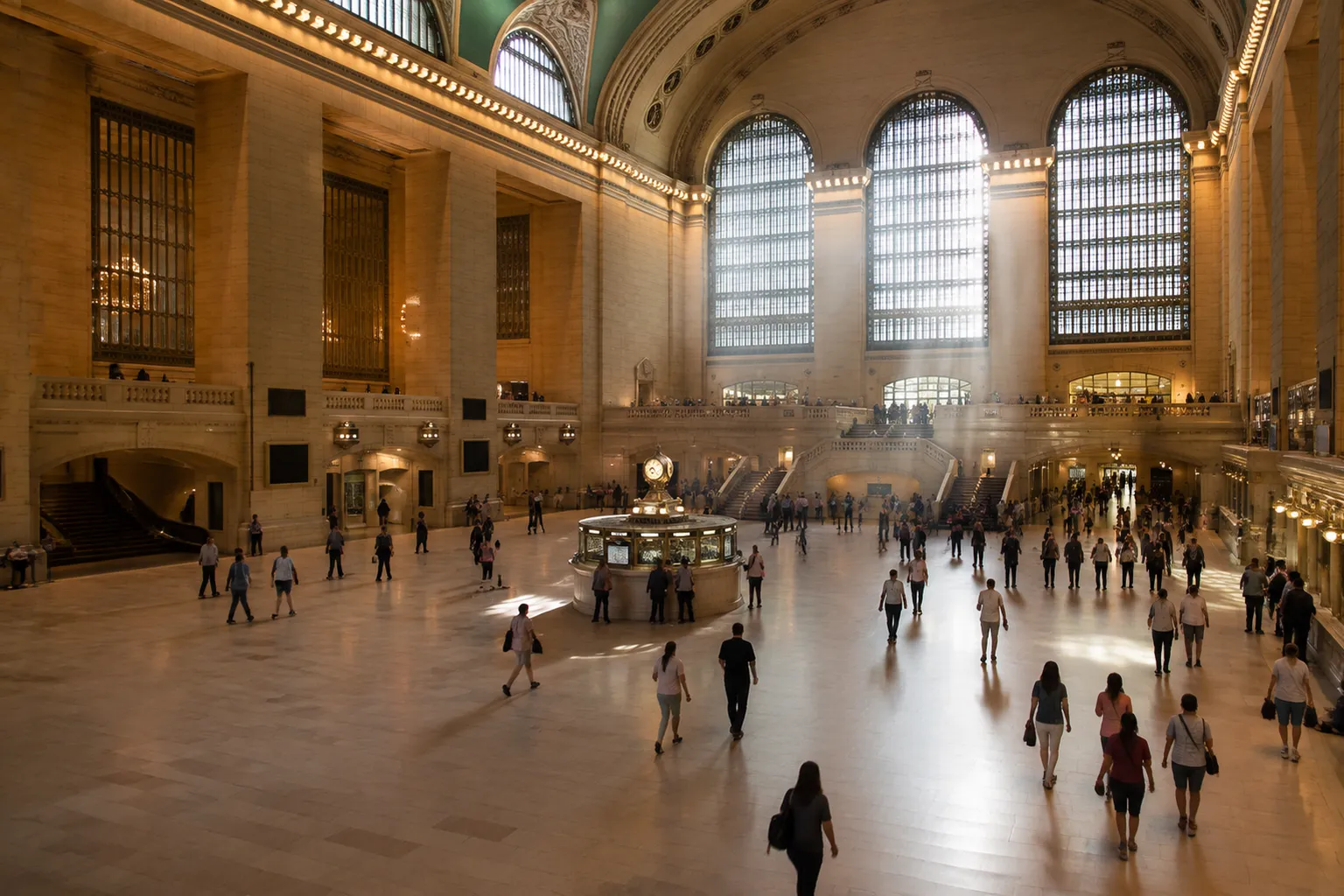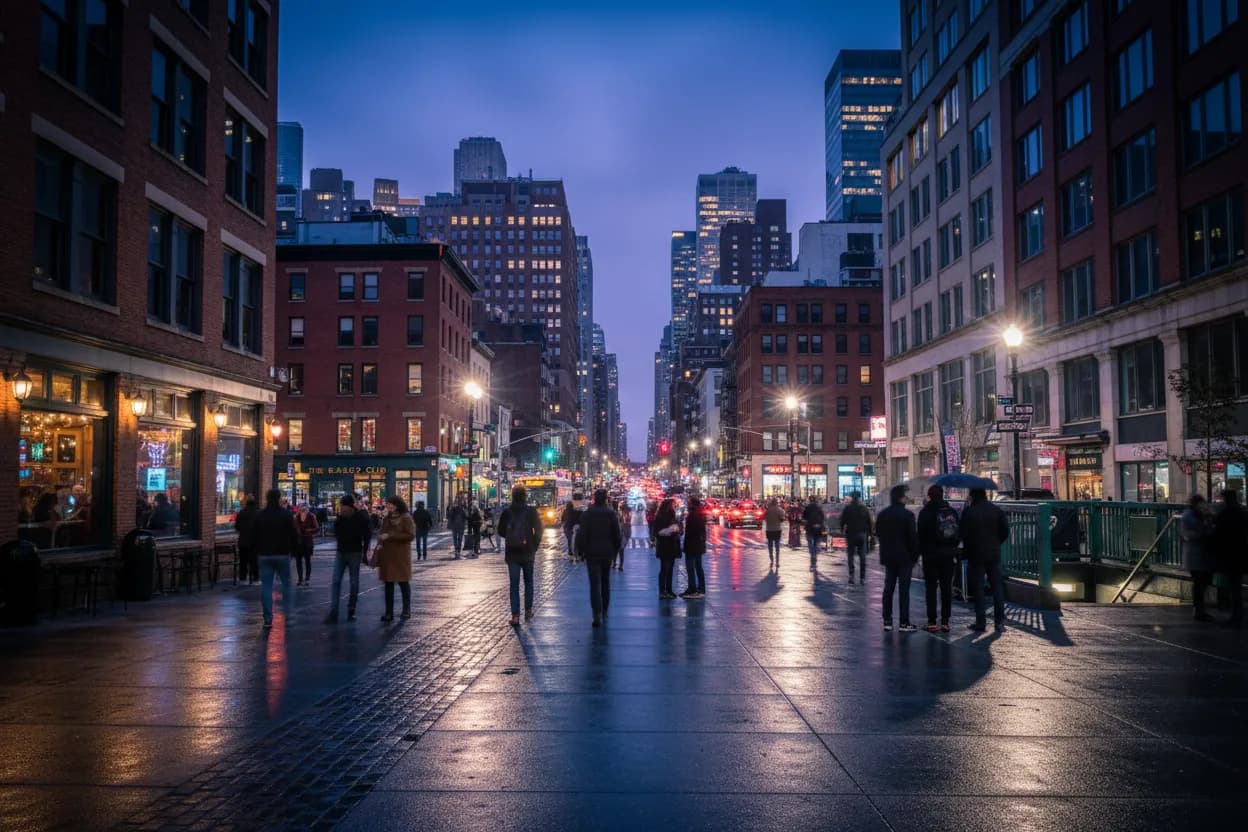
abdul el-sayed is a timely search hook, but a smart NYC night out should not depend on a rumor, a supposed sighting, or a last-minute event claim. Treat the name as a conversation starter, then build the evening from public information you can verify before you leave. NYC Tourism frames the city as five boroughs with constant energy, nightlife, restaurants, events, and subway-accessible culture; that is enough to plan well without pretending there is a guaranteed appearance or private access anywhere. For Monday, August 10, 2026, the better move is practical: pick a public bar area, confirm the venue’s own program, leave room for food, check transit, and decide in advance when you will switch to a backup.
Want a tighter route before you leave? Text Karpo with your borough, start time, sound preference, and backup tolerance, and ask for a verified public night-out plan.

Use the topic as the night’s conversation starter
The clean way to use abdul el-sayed in an NYC bars night is conversational, not promotional. Do not tell friends there is an appearance unless a venue, campaign, institution, or organizer has published it on an official page. Do not assume a bar is hosting a watch party, panel, fundraiser, or meet-and-greet because people are searching a name. In a city this dense, search interest and local reality often drift apart.
Instead, make the topic your opening round: “What are people actually looking for, and what can we verify?” That keeps the night social without turning it into a misinformation chase. NYC already supplies the real reason to go out: nightlife, dining, arts, borough-hopping, and public events. If the topic fizzles, your plan still works because it is based on confirmed places, not hype.
Set the group expectation early. Tonight is a public bars night with a backup, not a celebrity hunt. Anyone joining should know the first stop, the rough transfer point, the food option, and the rule for changing rooms if the crowd, sound, line, or vibe is wrong.
Choose sound level before cocktails
Before choosing a neighborhood, choose the night’s sound level. A political or current-events conversation needs a different room than a dance-floor night. NYC Tourism’s nightlife coverage acknowledges the city’s range, from historic dance-floor culture to contemporary going-out options, but it does not mean every room fits every plan. If the point is to talk, favor a seated or lower-volume first stop. If the point is to move, put the louder room second.
Use three categories: talk-first, mixed, and music-first. Talk-first means you can actually hear the person across the table. Mixed means a drink and a little crowd energy without needing to shout all night. Music-first means the conversation topic is just the pregame, and the room itself becomes the plan. Decide this before anyone orders, because once the group settles into a loud room, changing course gets harder.
Verification matters here because programming can change the room. A normally calm bar may have a DJ, trivia, comedy, a private booking, or a special event. Check the venue’s official page or social feed before leaving, and again while in transit if the first stop depends on a specific atmosphere.
Build a walkable two-stop route
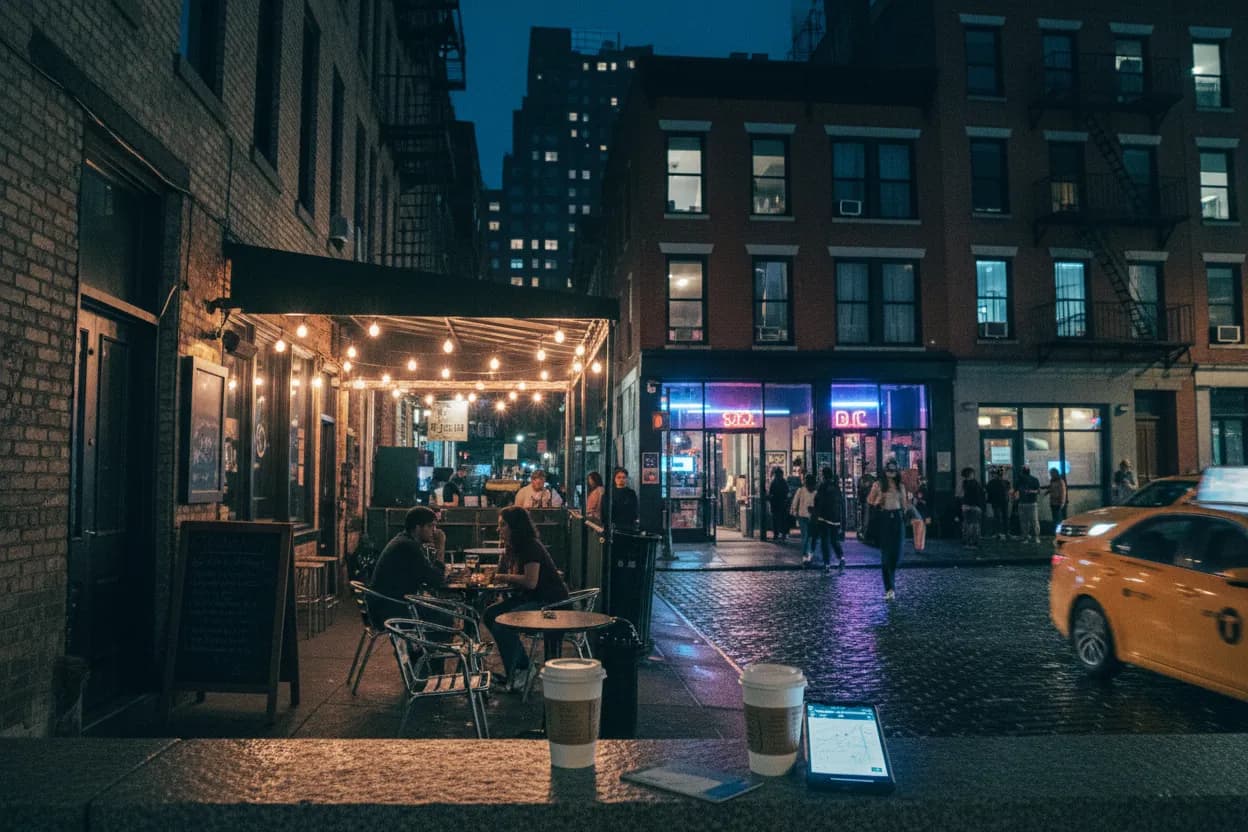
A workable NYC night should not require heroic transfers between drinks. Pick one borough and one walkable cluster. Manhattan is the most familiar choice for visitors, with the bright lights of Broadway, Central Park, and dense evening foot traffic in many areas. Brooklyn has a recognized nightlife reputation alongside boundary-pushing cuisine. Queens offers broad global dining options, which can make it useful when food is part of the night rather than an afterthought.
For a two-stop structure, make Stop 1 the lower-risk room: easier to enter, easier to talk, easier to leave. Make Stop 2 the higher-energy option, but only if the group is still aligned. The two stops should be close enough that a delayed train, bad weather, or a long line does not collapse the evening. If the walk between them feels like a third activity, the route is too ambitious.
Use official and venue-controlled pages to confirm the basics: address, open status, age rules if posted, event listings, and any access notes the venue publishes. Do not rely on old roundups for same-night details. NYC Tourism can help orient you by borough and activity type, but the final check belongs with the venue or event host.
Keep food and late transit in the plan
Food is not optional planning in NYC; it is crowd control. From July 20 through August 16, NYC Restaurant Week Summer 2026 is listed by NYC Tourism with two-course lunches and three-course dinners across all five boroughs, starting at $30. If you want to use that window, verify the participating restaurant, booking rules, menu, and timing on the official information page before you build the bar route around it.
For this date, a pre-bar dinner can make the night calmer and more flexible. If Restaurant Week is part of the plan, reserve or confirm directly where required; if not, still choose a food area near the first stop. Queens is especially useful for diners who want a wide range of global cuisines, while Manhattan and Brooklyn can keep the after-dinner walk short if the bars are clustered nearby.
Late transit needs the same skepticism. Check the official transit source before leaving and before the final round, especially if anyone is crossing boroughs. The best nightlife plan includes a latest-departure time, a ride-home threshold, and one person willing to call the switch. Do not wait until phones are low and the group is split between “one more” and “how do we get home?”
Know when to switch to the backup room
The backup is not a failure; it is what makes the night executable. Choose it before the first drink, not while standing outside a crowded room. A good backup is public, nearby, and different enough to solve the actual problem. If the first place is too loud, the backup should be quieter. If the first place is dead, the backup should have more energy. If the first place has a line, the backup should be easier to enter.
Use a clear trigger. Switch if the wait looks longer than the group is willing to tolerate, if the program is not what was expected, if the room is too packed for conversation, or if the access conditions have changed from what you verified. NYC is too full of alternatives to spend the whole night negotiating a doorway.
Crowd risk rises when a topic is timely, an event is vague, or a neighborhood is already busy with theater, dining, or weekend-style traffic. Even on a Monday, assume conditions can shift. The group should know the backup name, approximate direction, and whether food remains available nearby, but verify any changeable detail on the official venue page.
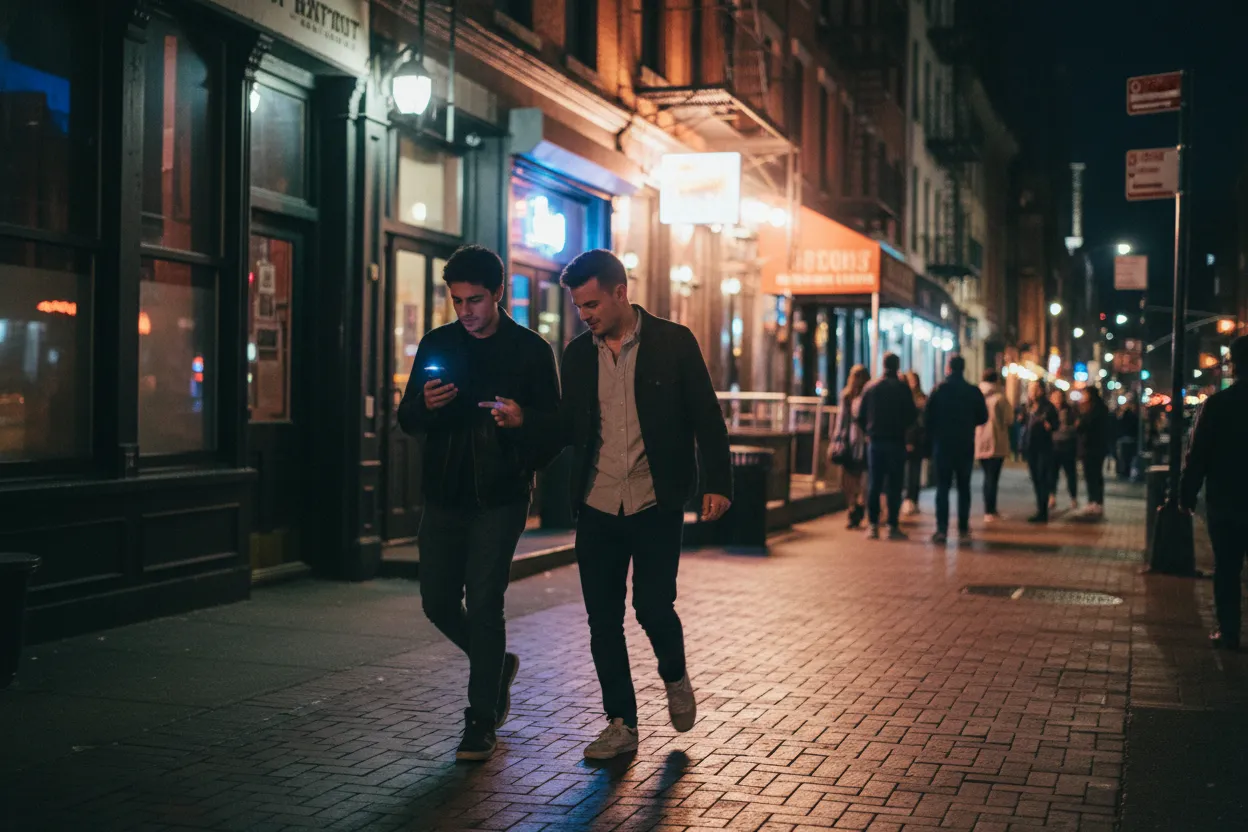
Verify the night’s program before leaving
The final check should happen close to departure, not at lunchtime and not from memory. Open the venue’s official page, event calendar, or direct channel. Confirm the address, the night’s program, and whether anything suggests a private event, closure, ticketed entry, or changed hours. If a public event is the reason you are going, verify it with the organizer’s official listing too.
Do the same with the city layer. NYC Tourism maintains current-facing categories for things to do, eat and drink, maps and guides, nightlife, events, and borough information. Use that for orientation, then narrow to the places you can confirm directly. If an official page cannot verify the key promise, remove that promise from the plan.
The simplest public itinerary is still the strongest: meet near the first stop, order only after the group agrees the room fits, revisit transit before the second stop, and move to the backup at the first clear sign the plan is degrading. That way, a search-driven topic can start the night without controlling it.
Tags: #abdulelsayed #NYCNightlife #NYCBars #bars_nights_out #ManhattanNights #BrooklynNightlife #QueensDining #NYCRestaurantWeek #PublicEvents #TransitCheck #BackupPlan #NightOutNYC #AskKarpo #BeforeYouGo
Sources consulted: nyctourism.com · new.mta.info · nycgovparks.org
All trademarks are the property of their respective owners.
Ask Karpo first
Ask Karpo first if the plan depends on a rumor, a crowded room, or a cross-borough transfer. Send the start time, neighborhood, sound level, food need, and backup preference, then verify every venue and transit detail before you go.