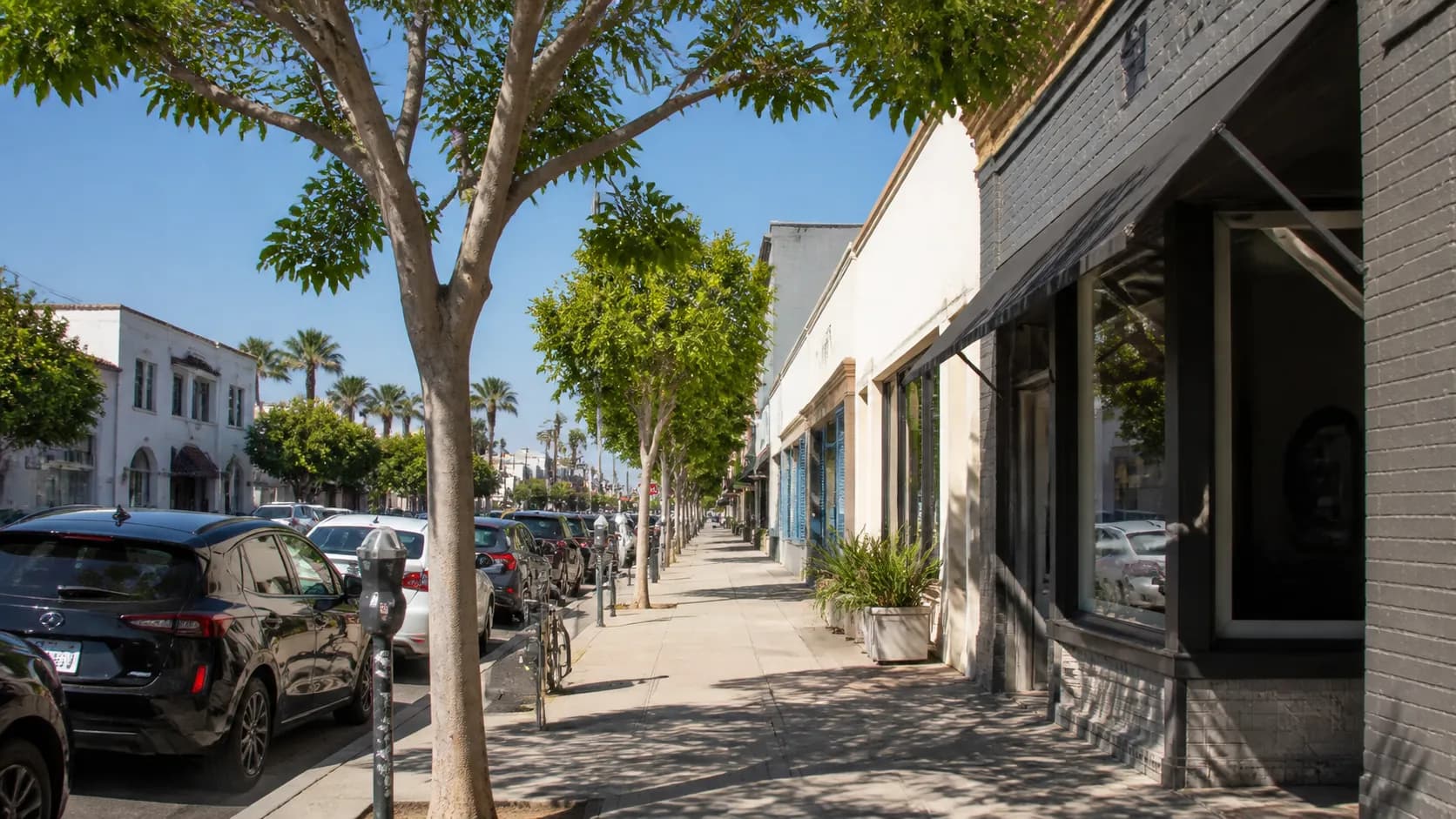
For Pacific Northwest transplants living in Los Angeles, maintaining connection to regional news—including topics like aaron farinacci spokane and broader Spokane-area developments—often means seeking out fellow former residents who gather informally at coffee shops. These weekend morning meetups offer a chance to discuss home-region news, share nostalgia, and build community among people who understand the unique culture of Washington and Oregon. Unlike formal clubs with membership fees or strict schedules, these coffee shop gatherings typically welcome drop-ins and operate on flexible, word-of-mouth arrangements. However, finding legitimate groups requires verification steps, since not every online listing translates to an active, welcoming meetup. This guide walks through the decision tradeoffs involved in choosing a cafe meetup, how to confirm a group is real and beginner-friendly, and what Pacific Northwest transplants should consider before showing up to discuss regional topics over coffee.
Text Karpo your starting point, timing, group size, and priorities for a Los Angeles plan tailored to this exact situation, with one realistic backup before you leave.

Choosing Between Established Meetup Groups and Organic Cafe Gatherings
Pacific Northwest transplant communities in Los Angeles organize along a spectrum: some groups maintain structured schedules through platforms like Meetup or Facebook, while others form organically when a few Spokane or Seattle natives become regulars at the same coffee shop and start chatting. Established groups offer predictability—you know the date, time, and topic in advance—but they may require RSVP confirmations or have waitlists during popular discussion weeks. Organic gatherings feel more spontaneous and low-pressure, yet they demand more detective work to locate and may dissolve if key members move or lose interest. The tradeoff centers on reliability versus flexibility: structured groups provide consistent community but less freedom to shape the conversation, while organic cafe meetups let discussions flow naturally but offer no guarantee anyone will show up on a given Saturday.
To verify whether a group is active, search for recent posts or comments rather than relying on outdated event pages. A Facebook group that last posted six months ago likely no longer meets, even if the description promises weekly gatherings. Look for photo evidence from recent meetups, check-ins at specific cafes, or replies from multiple members confirming the next date. If you find a promising lead, consider sending a direct message to the organizer asking whether the group still meets and if newcomers are welcome. This step filters out defunct listings and gives you a contact who can answer logistical questions, such as whether the group discusses general PNW news or focuses on specific cities like Spokane, and whether the vibe is casual chat or deeper political and cultural analysis.
Evaluating Cafe Suitability for Regional Discussion Meetups
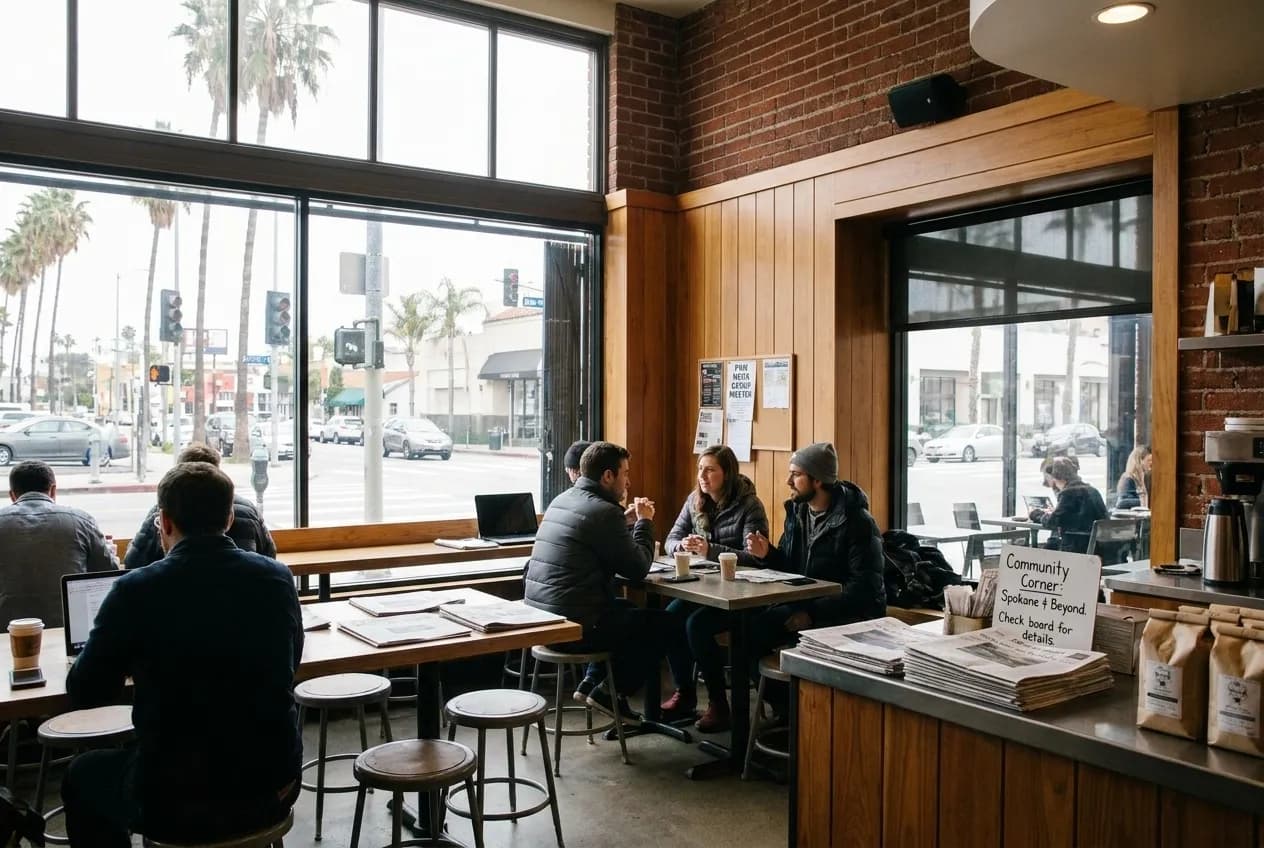
Not every coffee shop accommodates group discussions equally well. Ideal venues offer a balance of seating capacity, ambient noise levels that allow conversation without shouting, and a tolerance for customers who linger over a single drink. Large chain cafes often have ample seating but high turnover expectations and loud espresso machines that drown out nuanced talk about regional news. Independent coffee shops may provide quieter corners and a more welcoming attitude toward meetups, yet limited seating can become a problem if six people arrive simultaneously on a busy Saturday morning. Some cafes explicitly welcome community groups and even set aside tables during off-peak hours, while others discourage gatherings that occupy space without continuous purchases.
Before committing to a cafe as your regular meetup spot, visit during the intended time window to assess crowd density, table availability, and staff demeanor. Note whether other groups are meeting there—a sign the cafe tolerates or encourages community use—and whether the layout includes a corner or back area that offers semi-privacy without isolating your group. Consider proximity to Metro stations or bus lines, since many transplants rely on public transit; the official Metro site confirms that regular fare is $1.75 with free transfers within two hours, making multi-stop journeys affordable. If the cafe lacks accessible seating or has no nearby transit, the meetup may exclude participants who cannot drive or have mobility needs, narrowing the community you hope to build.
Navigating Regional News Topics Without Overstating Local Presence
When Pacific Northwest transplants gather to discuss regional news, the conversation often touches on names, events, or developments that trend in Spokane or Seattle media. However, responsible discussion requires distinguishing between following news from afar and claiming direct local knowledge or presence. For example, if aaron farinacci spokane appears in search trends or regional news feeds, participants might share articles, debate implications, or compare the story to similar events they remember from their time in the Northwest. What the group should avoid is asserting that any person, event, or organization has a verified presence in Los Angeles without concrete evidence, since speculation can spread misinformation and damage the group's credibility.
Establish ground rules early: members can share links, summarize news, and offer personal memories or context, but should preface uncertain claims with phrases like "according to this article" or "I read that." This approach keeps discussions grounded while still allowing robust debate. If someone wants to dive deeper into a specific topic, suggest they research official sources or contact relevant organizations directly rather than relying on group consensus. By modeling careful information-sharing, the meetup becomes a space for nostalgia and connection without devolving into rumor-sharing or unfounded assertions about who is doing what in Los Angeles versus Spokane.
Timing and Companion Dynamics for Weekend Morning Meetups
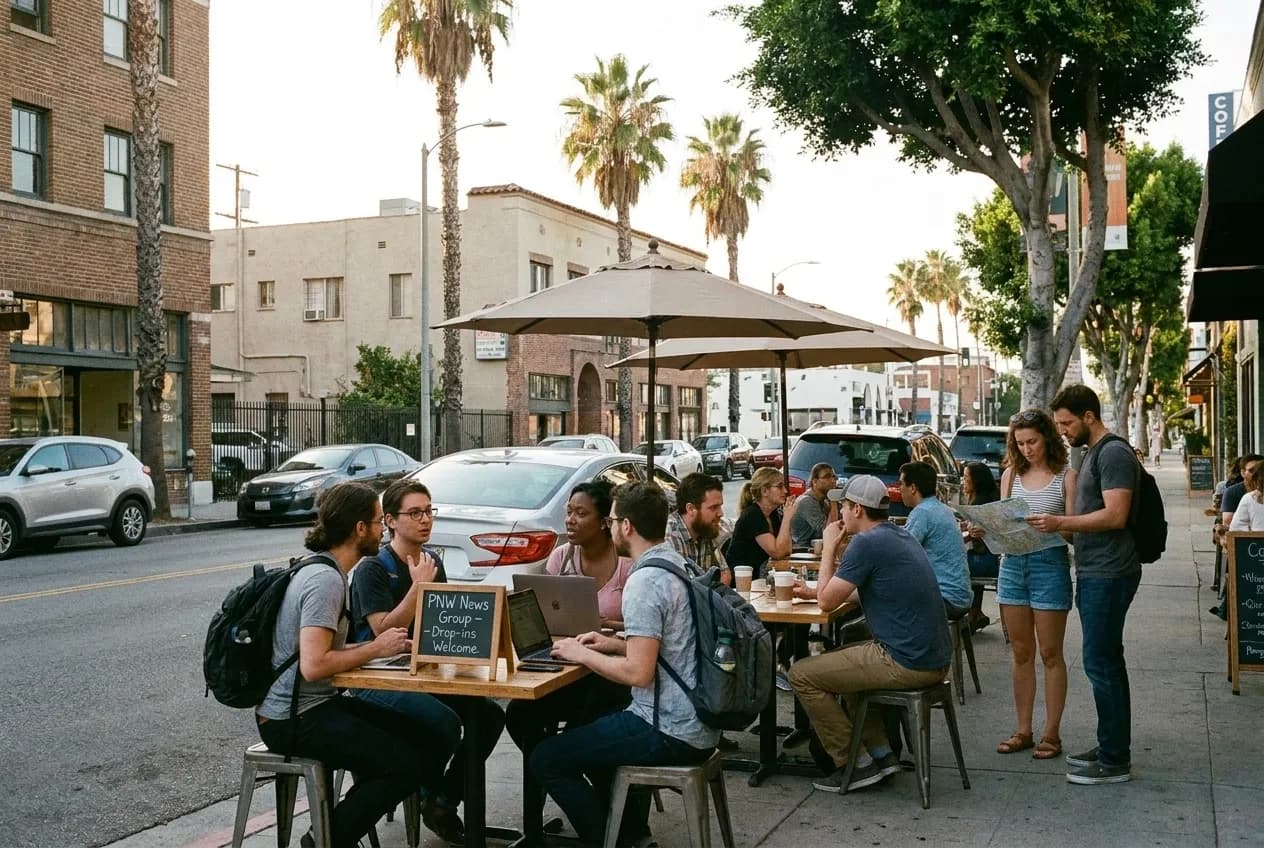
Weekend mornings offer a natural window for transplant meetups: participants have finished Friday work stress, Saturday morning feels relaxed, and the time slot avoids conflicts with evening social plans or Sunday family obligations. However, the exact start time matters. A 9 a.m. gathering may suit early risers but exclude night-shift workers or parents coordinating childcare. A 10:30 a.m. start accommodates more schedules yet risks peak cafe crowding, making it harder to secure tables. Groups often experiment with timing over several weeks, soliciting feedback to find the sweet spot that maximizes attendance without sacrificing comfort.
Companion dynamics also shape the meetup experience. Some attendees bring fellow transplants they already know, creating instant subgroups that can feel cliquish to solo newcomers. Others arrive alone, hoping to make new connections but uncertain how to break into established conversations. Organizers can ease this tension by starting each session with brief introductions—name, which part of the Pacific Northwest you're from, and one thing you miss—giving everyone a structured entry point. Encouraging people to shift seats or form smaller discussion clusters after the first fifteen minutes prevents the meetup from calcifying into insiders and outsiders, ensuring that even beginner-friendly participants feel genuinely welcome rather than tolerated.
Verifying Group Legitimacy and Safety Considerations
Online listings for regional meetups can attract well-meaning organizers, but they can also serve as fronts for commercial pitches, political recruitment, or individuals with poor boundaries. Before attending, verify the group's legitimacy by checking whether the organizer has a consistent online presence, whether past attendees have left reviews or comments, and whether the meetup description focuses on community connection rather than selling products or promoting a single agenda. Red flags include requests for upfront fees beyond the cost of your own coffee, pressure to share personal contact information before attending, or vague descriptions that avoid naming a specific cafe or time.
Safety considerations extend beyond vetting the organizer. Choose cafes in well-trafficked areas with multiple exit points, and let a friend know where you'll be and when you expect to return. Metro's safety resources note that transit ambassadors and security personnel are available systemwide, and riders can use Transit Watch to report concerns, which applies if you're traveling to the meetup via public transit. If a meetup feels uncomfortable once you arrive—whether due to aggressive behavior, unwelcome topics, or simply a mismatch in expectations—you have no obligation to stay. Politely excuse yourself, and consider sharing your experience in online reviews or community forums so other transplants can make informed decisions. Legitimate groups will understand that safety and comfort come first, and they'll appreciate feedback that helps them maintain a welcoming environment.
Tags: #PacificNorthwesttransplants #SpokanecommunityLosAngeles #regionalnewsdiscussiongroups #coffeeshopmeetupsLA #transplantcommunitycafes #weekendmorninggatherings #PNWnostalgiagroups #verifiedcommunitymeetups #beginnerfriendlysocialgroups #LosAngelesregionalconnections
Sources consulted: Source 1: laparks.org · Source 2: metro.net · Source 3: discoverlosangeles.com · Source 4: lacity.gov
All trademarks are the property of their respective owners.
Ask Karpo first
Ask Karpo to turn this Los Angeles idea into a current plan for your date, budget, companion, transit preference, and energy level. Karpo can narrow the route and flag what to verify before you go.