 Gothic Clothing Near Me in Wynwood: Dolls Kill Miami After Freak House
Hidden Gems & Odd Finds

A Watchmaker in Philadelphia's Jewelers Row Repairing Movements From 1890
A third-floor bench on Sansom St; he diagnoses by sound and stocks crystals for brands that folded decades ago
You climb two flights of narrow stairs on Sansom Street, past jewelers' benches cluttered with loupes and pliers, and push open a door marked only with a faded "3" to find Joseph Lieberman hunched over a movement so old it predates the wristwatch. He doesn't look up when you enter. The ticking tells him everything he needs to know about the 1890 pocket watch spread across his leather pad, and right now it's telling him the fourth wheel arbor is bent.
The Sound Comes First, Then the Diagnosis
Lieberman has been repairing watches in this third-floor workshop since 1987, inheriting the space from a man who learned the trade in Switzerland during the Depression. You hand him your watch and he holds it to his ear before he even looks at the dial. The rhythm of the escapement—that tick-tick-tick you barely notice—reveals whether a movement is running fast, losing amplitude, or suffering from magnetization. He sets it on his bench and reaches for a drawer containing crystals for brands that haven't existed since Eisenhower was president: Gruen, Hamilton railroad grades, Waltham pocket watches. The drawer smells like old machine oil and has a handwritten index card taped inside listing crystal sizes in fractions you haven't seen since high school geometry.
Movements That Predate the Zipper

The oldest piece on his bench right now is an 1893 Elgin pocket watch that arrived in a cigar box from an estate sale in Chestnut Hill. The balance wheel—the heart that beats five times per second—is held in place by a cock bridge engraved with scrollwork done by hand. Lieberman shows you how the jewels (actual rubies, synthetic now but originally mined) reduce friction on the pivots. This watch was manufactured the same year the World's Columbian Exposition opened in Chicago, and it still keeps time within thirty seconds a day once he replaces the mainspring. He sources these springs from a supplier in Le Locle, Switzerland, who maintains stock for movements that stopped being manufactured before World War II. The minimum order is fifty springs. Lieberman has drawers full of them, organized by caliber number in a filing system that makes sense only to him.
The Bench Where Diamonds Get Set Next Door
Your conversation gets interrupted every twenty minutes by jewelers from the second floor bringing up pieces for timing adjustments. Jewelers Row has contracted since its 1970s peak, but this building still houses seven independent workshops. The woman from 2B who sets diamonds in engagement rings brings Lieberman her personal Omega Seamaster every Tuesday around 2:30 PM because it loses three minutes over the weekend. He's never charged her for the regulation adjustments—just tweaks the regulator arm while she waits and hands it back. She brings him coffee from the Wawa on 8th and Sansom, always with two sugars even though he switched to black three years ago. He drinks it anyway.
What a Rolex Service Center Won't Touch

The watch industry wants you to believe anything older than thirty years needs to go back to the manufacturer, where they'll replace half the movement with modern parts and charge you $800. Lieberman rebuilds what Rolex calls "obsolete"—vintage Oyster Perpetuals from the 1950s with acrylic crystals and movements that weren't designed for quick-set date changes. He has a lathe in the corner for fabricating parts that no longer exist in any catalog. Last month he turned a new winding stem for a 1940s Movado that required matching the thread pitch to a Swiss standard that changed in 1955. The work took six hours. He charged $120. The watch will outlive its owner's grandchildren if they remember to wind it.
The Loupe You'll Never Use Correctly
Lieberman tries to show you what he sees through his 10x loupe, but you can't hold it close enough to your eye without blinking. The trick is pressing it into your eye socket and bringing the watch up to the lens, not the other way around. Through it, the hairspring—that coiled wire thinner than a human hair—reveals whether someone has dropped the watch or exposed it to a magnetic field. A magnetized hairspring coils stick together, making the watch run fast by several minutes per day. He demagnetizes it in three seconds using a device that looks like it belongs in a 1950s science classroom, waving the watch through a decreasing electromagnetic field. The repair costs nothing. He doesn't even write it down.
The Waiting List You Can't Buy Your Way Onto
Lieberman takes on twelve new clients per year, usually through referrals from the jewelers downstairs. He's not on Instagram. He doesn't have a website. His phone number is listed in a directory that hasn't been updated since 2008, and he prefers it that way. If you want your watch repaired here, you need an introduction from someone whose work he's already handled. The current wait time is four months for a basic service, eight months for a complicated repair involving fabricated parts. He's not trying to be exclusive—he's just one person with two eyes and ten fingers, working under a lamp that gets turned off every evening at 5:45 PM when he walks down to catch the Market-Frankford Line at 11th Street Station.
Practical Notes
The workshop is at 714 Sansom Street, third floor, but there's no sign and the building entrance is easy to miss between the jewelry displays. Lieberman works Tuesday through Friday, 9 AM to 5:45 PM, closed Mondays and weekends. He doesn't take appointments—you show up during business hours and wait if he's with another client. Expect repairs to take 3-6 months depending on parts availability. Cash or check only, no cards. Typical service runs $150-$400 depending on the movement's complexity. The nearest SEPTA stop is 11th Street Station (Market-Frankford Line, orange), three blocks east. Street parking is metered and competitive; the lot at 8th and Sansom charges $12 for three hours. Bring your watch in its original box if you have it, but he's seen them arrive in everything from sock drawers to Ziploc bags.
Tags: #PhiladelphiaHiddenGems #JewelersRow #VintageWatches #WatchRepair #ThirdGeneration #PhillyCraftsmanship #CenterCityPhilly #HorologyCulture #AntiqueTimepieces #SmallBatchRepair #OldWorldCraft #SansomStreet #PhillyFinds #TheOddEdit #ForgottenTrades
All trademarks are the property of their respective owners.
Ask Karpo for more information.
Keep reading
- Gothic Clothing Near Me in Wynwood: Dolls Kill Miami After Freak House
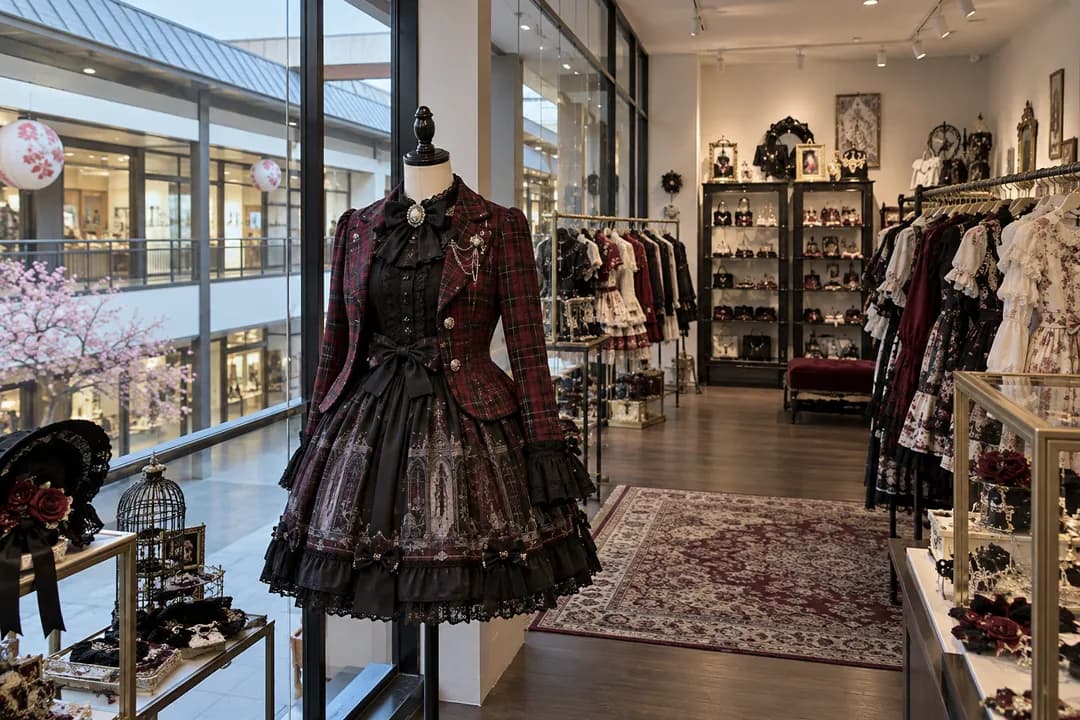 Gothic Clothing Near Me in Japantown: BABY, the Stars Shine Bright SF
 Gothic Clothing Near Me for Men: The Archive SF's Darkwear on Geary