The Gate That Has Never Had a Sign
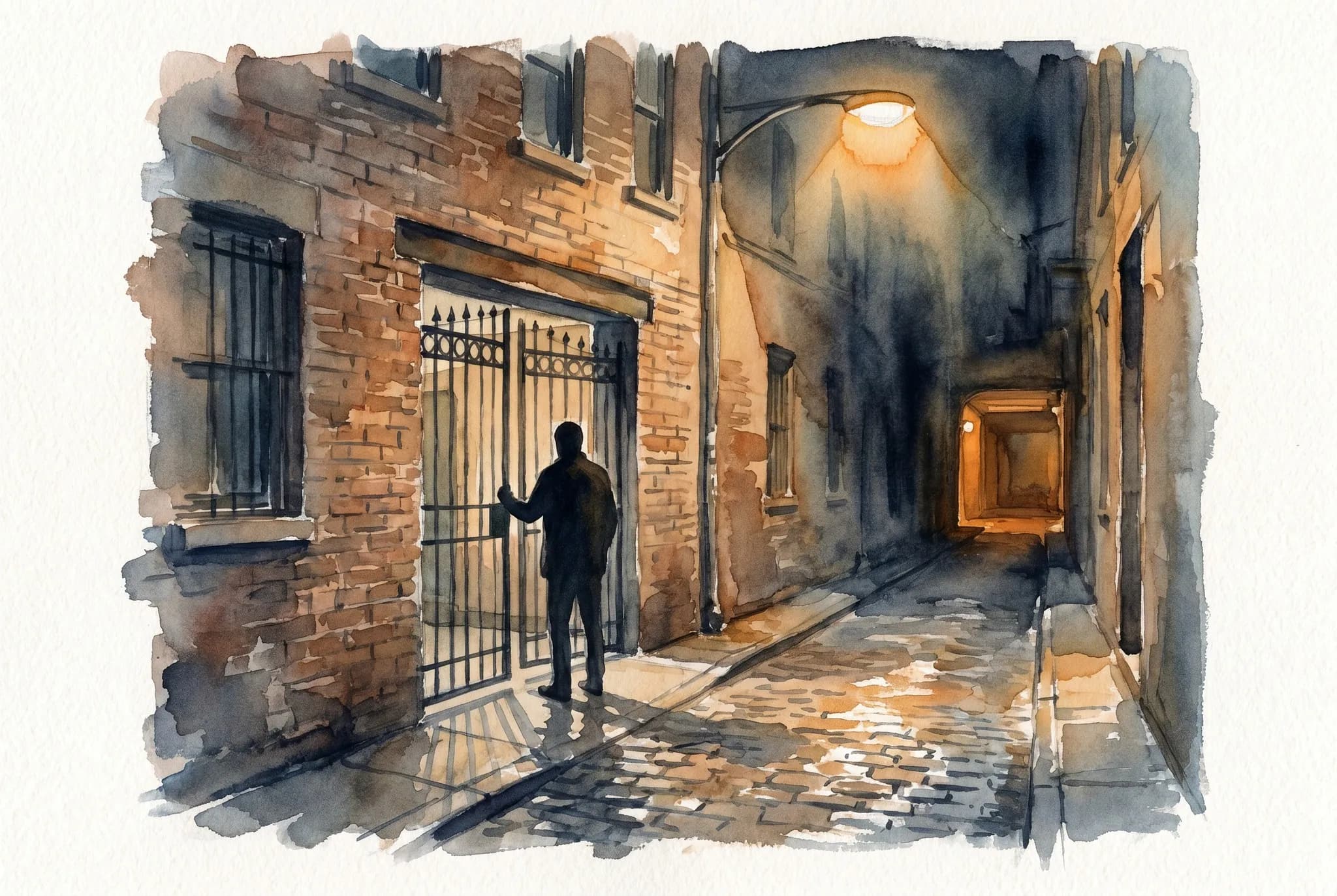
At 102 Norfolk Street, there is a wrought-iron gate. On it, in faded adhesive stickers, it reads: Lower East Side Toy Company. There is no menu in the window because there is no window. There is no other signage, and no indication that anything lies beyond the gate except, on some nights, faintly, the sound of jazz.
Push through and walk down the stairs. The corridor goes underground. You emerge into a dim courtyard. A black metal door ahead has toy fire trucks arranged in front of it, which is either a leftover prop or a very specific joke about the building's history. Open the door and the whole apparatus reveals itself: velvet couches, tin ceilings, crystal chandeliers, a roaring fireplace, and a mahogany bar at the back.
What Ratner's Left Behind
The building at the corner of Norfolk and Delancey has a longer memory than most. In the 1920s, 138 Delancey was Ratner's — a kosher dairy restaurant that had anchored the Lower East Side for decades. Behind Ratner's walls, and beneath them, it hid something else entirely.
The speakeasy was known as the Back of Ratner's, and it sat on a warren of tunnels and alleys connecting it to surrounding buildings. The main bar had exits on Suffolk, Norfolk, and Delancey Street. Bugsy Siegel, Lucky Luciano, and Meyer Lansky were among the regulars, using the back rooms for what were described, with understatement, as business meetings. The tunnels gave everyone options.
Johnny Barounis reopened the space under its current name in 2004 — most speakeasies open as tributes to a period; this one is reopening as itself.
The Ritual of the Teacup
Prohibition ended in 1933. The Back Room is still serving drinks in teacups.
During the 1920s, speakeasies kept champagne flutes and pint glasses off the premises because their presence constituted evidence. Teacups were plausibly domestic and held about as much. The paper bag around the beer bottle served the same function. The law knew better, but needed to prove it.
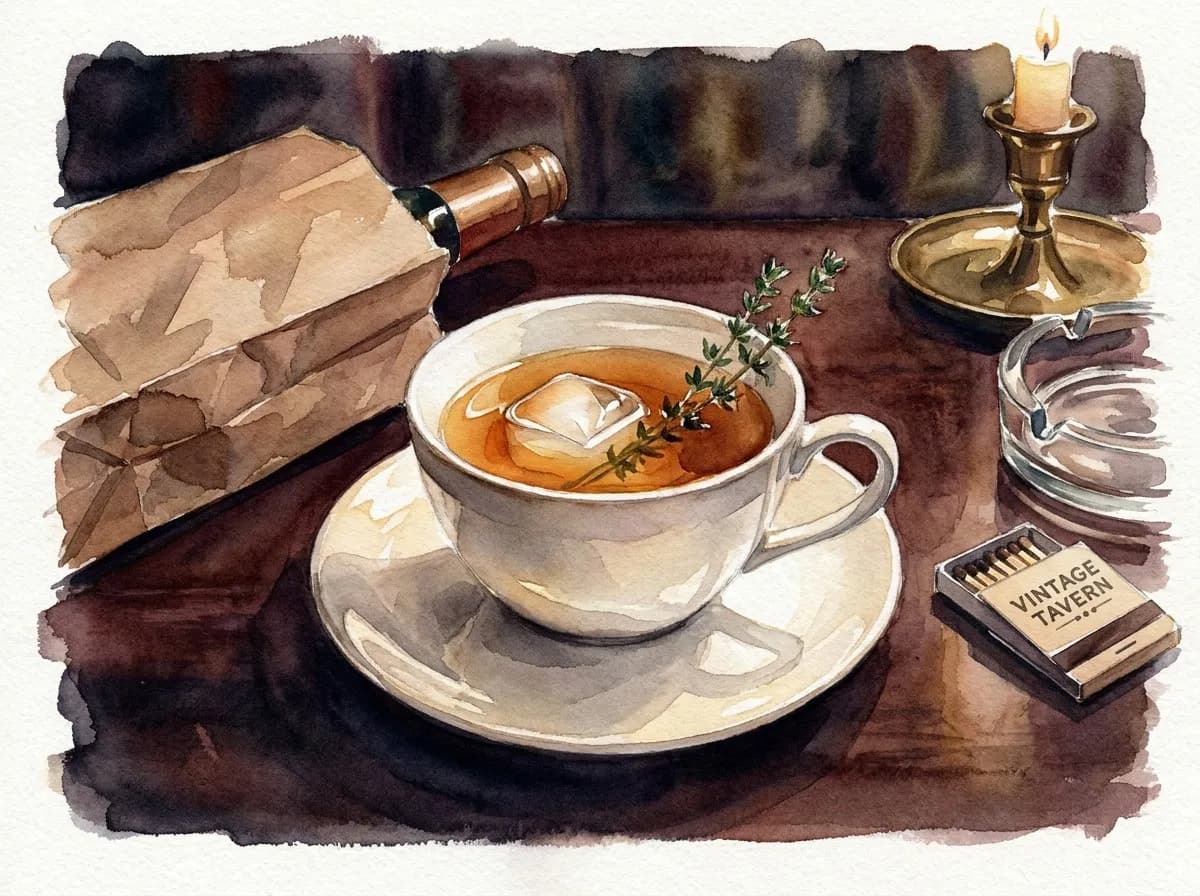
The Back Room kept both conventions after reopening because they work — not merely as theater, but because receiving a cocktail in a teacup is the right amount of ceremony for a room that takes its own past seriously.
Behind the Bookcase
Off the main room, there is a VIP area accessible through a revolving bookcase. The mechanism is not a replica — it is the original 1920s device that served as the inner sanctum's entrance when exits to three streets were being exercised in earnest.
The VIP room is smaller, quieter, and warmer. The bookcase pivot is satisfying in the way that hidden doors always are: even knowing the trick, you walk through one and feel briefly like someone handed information most people don't have.
Tuesday Night Logic
The Back Room is open seven nights a week. The logic of when to go: weeknights before 10pm, Tuesday through Thursday. The lighting does what it was designed to do, the fireplace has the corner to itself, and the bartenders have time to explain the seasonal menu rather than just execute it.
Friday and Saturday after 10pm are a different proposition. The teacup ritual lands differently when explained at volume over a DJ set. The history is still there. The Tuesday version is easier to hear.
Jazz Night runs Mondays at 9pm — the most specific scheduling this place has ever offered, and entirely correct for the room.
What the Walls Remember
The Back Room's two Mutoscopes still work. A Mutoscope is an early moving-picture device from the 1890s — a coin-operated viewer that flips cards to produce motion. The Back Room has had them long enough they have stopped being remarkable to the staff. There is also a vintage cigarette dispenser that no longer operates and a collection of smoky portraits whose subjects are unclear in the low light.
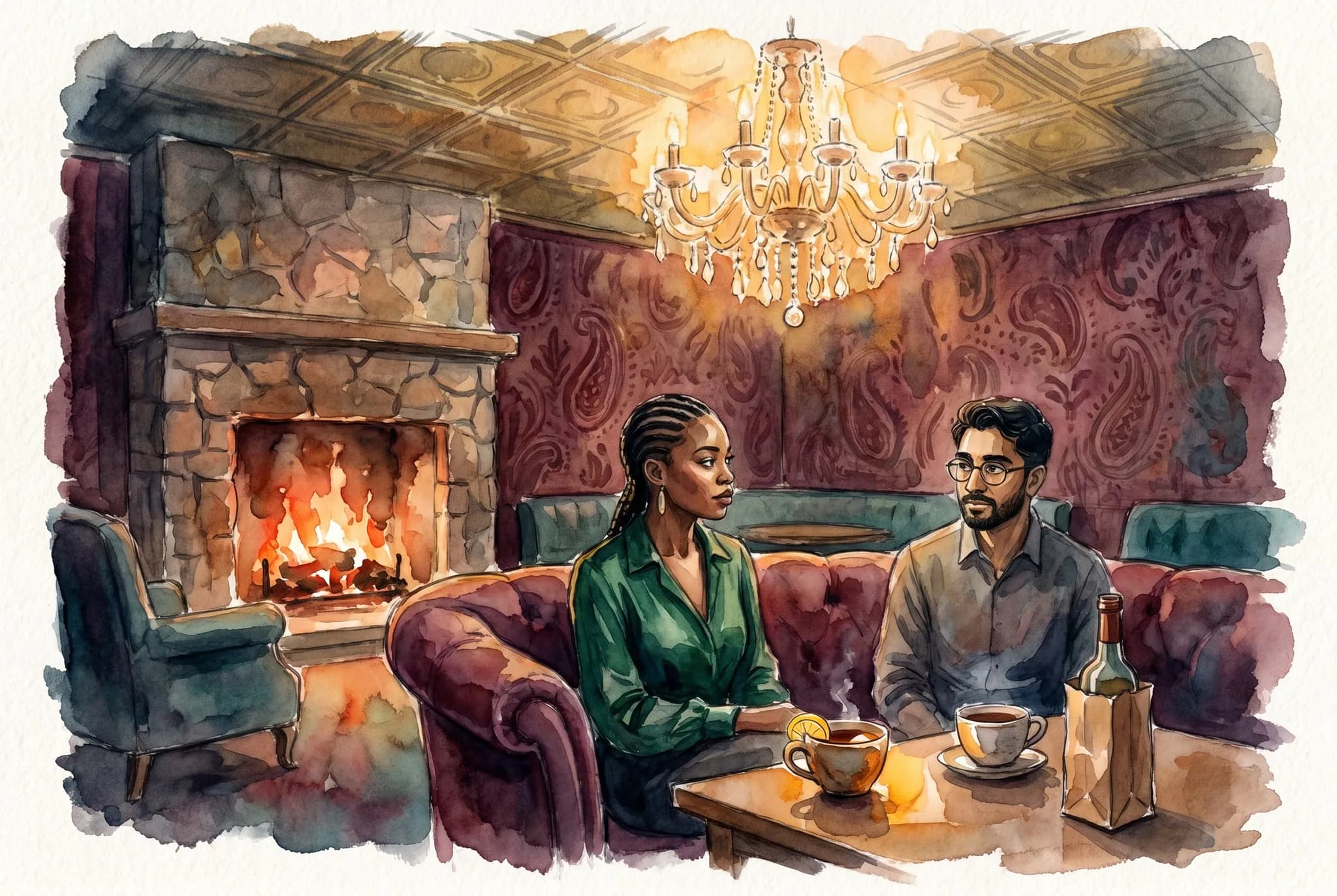
The paisley wallpaper may not be original. The chandeliers may be. The fireplace is. This is the right ratio for a room more interested in atmosphere than documentation.
Practical notes
- Address: 102 Norfolk Street, New York, NY 10002 (between Delancey and Rivington Streets)
- Hours: Mon 6pm–1am · Tue–Thu 6pm–2am · Fri–Sat 6pm–3am · Sun 6pm–1am
- Getting there: J/M/Z to Essex Street, or F to Delancey Street; 5-minute walk
- Go for: Seasonal cocktail menu in teacups; Jazz Night on Mondays at 9pm
- Best window: Tuesday–Thursday before 10pm
- What to do after: Russ & Daughters Café on Houston Street — five minutes north, open late
The point
The Back Room is not trying to be a museum. It is trying to be a bar that has been in the same place, more or less, for a hundred years. That the entrance ritual — the gate, the corridor, the courtyard, the door — is the one Bugsy Siegel used is interesting, but it is not the reason to go. The reason to go is that the cocktail arrives in a teacup, and the silence on a Tuesday before 10pm has accumulated over the course of a century and is sitting there with you.
Tags: #thebackroom #speakeasybar #prohibitioncocktails #teacupcocktails #hiddenbarnyc #lowereastsidenyc #nycnightlife #lesnightlife #nycbars #hiddengem #adaptivereuse #theoddedit #karposfinds #speakeasystyle #1920snyc
Sources consulted: backroomnyc.com · savingplaces.org · timeout.com · atlasobscura.com
All trademarks are the property of their respective owners.
Please drink responsibly. Must be of legal drinking age.