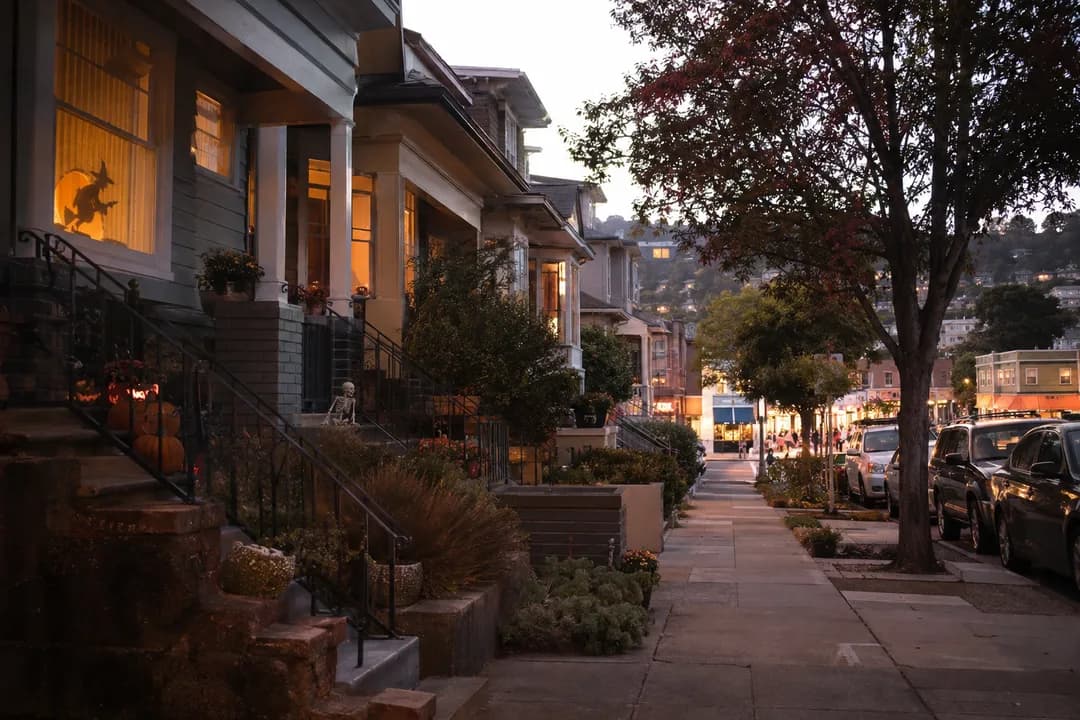
 Best Trick or Treating Neighborhoods Near Me: West Portal
Neighborhood Guides
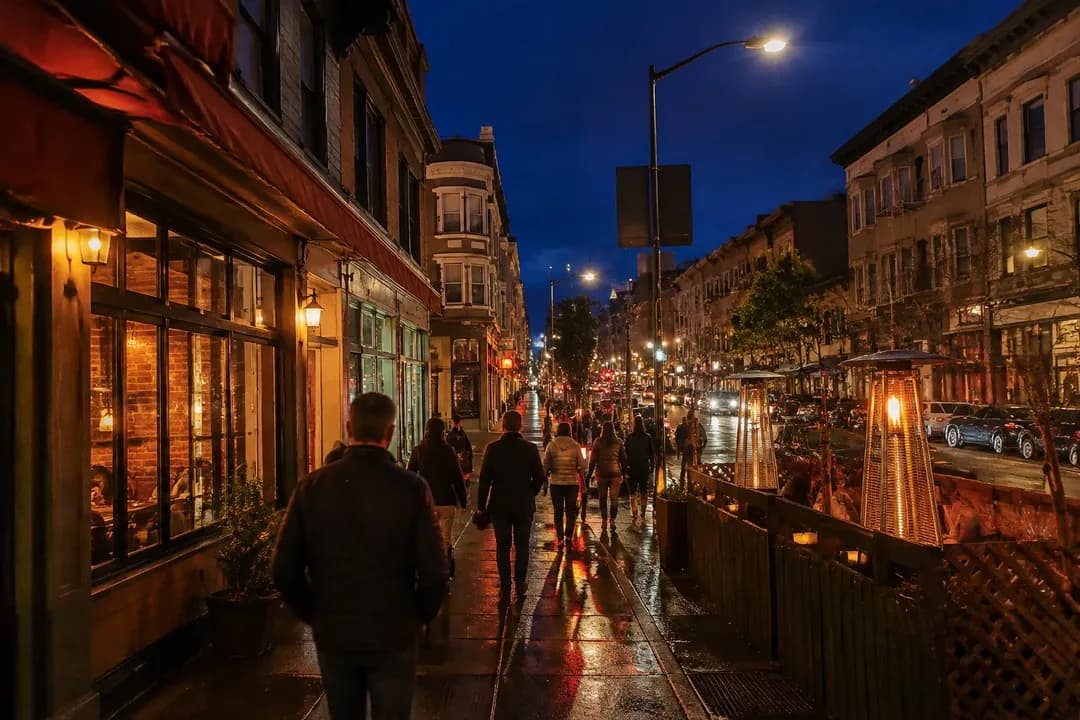
A Local's Guide to Places to Eat in San Francisco This Summer
Summer fog changes everything about where you'll want to eat dinner in San Francisco, and most visitors figure that out too late.
When people search for places to eat in San Francisco during summer, they're usually standing somewhere cold at seven-thirty, hungry, wondering why they didn't bring a jacket. The phrase shows up in half a million searches because it's what you type when your original plan—outdoor seating, something light, maybe a walk after—has just hit fifty-three degrees and wind. Summer here doesn't work like it does in the rest of the country. June is the coldest month in most neighborhoods. July fog sits over the Sunset until noon. August might give you four warm days, but they won't be consecutive.
Karpo checks which restaurants have heated patios open tonight, confirms kitchen hours before you walk uphill, and reroutes you if the fog rolls in early. Text it before you leave.
What summer dining searches actually mean here
The search itself is generic because the problem is immediate. You need places to eat that account for microclimates, for kitchens that close at nine, for the fact that walking ten blocks west drops the temperature eight degrees. Visitors search this phrase standing outside Ferry Building or near Fisherman's Wharf, realizing their sundress or linen shirt was a miscalculation. Locals search it when they're trying to meet someone halfway across town and can't remember which corner of the Mission still gets sun after six.
The best places to eat in summer are the ones that solve for cold, not the ones with the best Yelp photos. That means looking for parklets with heat lamps, enclosed patios, or dining rooms with southern exposure. It means knowing which blocks in North Beach hold warmth after sunset because the buildings are close together and the hill blocks wind. It means having a backup in your back pocket, because the restaurant you walked twenty minutes uphill to reach might have closed its kitchen early if it was slow.
North Beach holds heat better than anywhere else
North Beach is the correct answer to summer dining more often than any other neighborhood, and it's not because of the Italian food. The streets are narrow, the buildings are tall and built close, and the hill geography creates pockets where wind doesn't reach. Columbus Avenue between Broadway and Filbert catches late sun on the west side of the street. The blocks around Washington Square Park—especially the stretch on Union between Stockton and Grant—stay five degrees warmer than the Embarcadero after seven PM.
This matters because most summer evenings in San Francisco require you to sit inside or find engineered warmth. North Beach gives you a third option: streets that function like unplanned courtyards. The density that makes parking impossible also makes the neighborhood walkable when you're underdressed. You can move between places to eat without committing to a full Muni ride or a long exposed stretch on Market Street.
The other advantage is operational. North Beach restaurants expect summer to be busy, so kitchens stay open later than they do in the Richmond or the Outer Sunset. You're less likely to arrive at eight-fifteen and find out the last seating was thirty minutes ago. The neighborhood also has enough density that if your first choice has a forty-minute wait, your second and third choices are within two blocks. That's not true in most of the city, where restaurants cluster near intersections and the next option might be half a mile through fog.
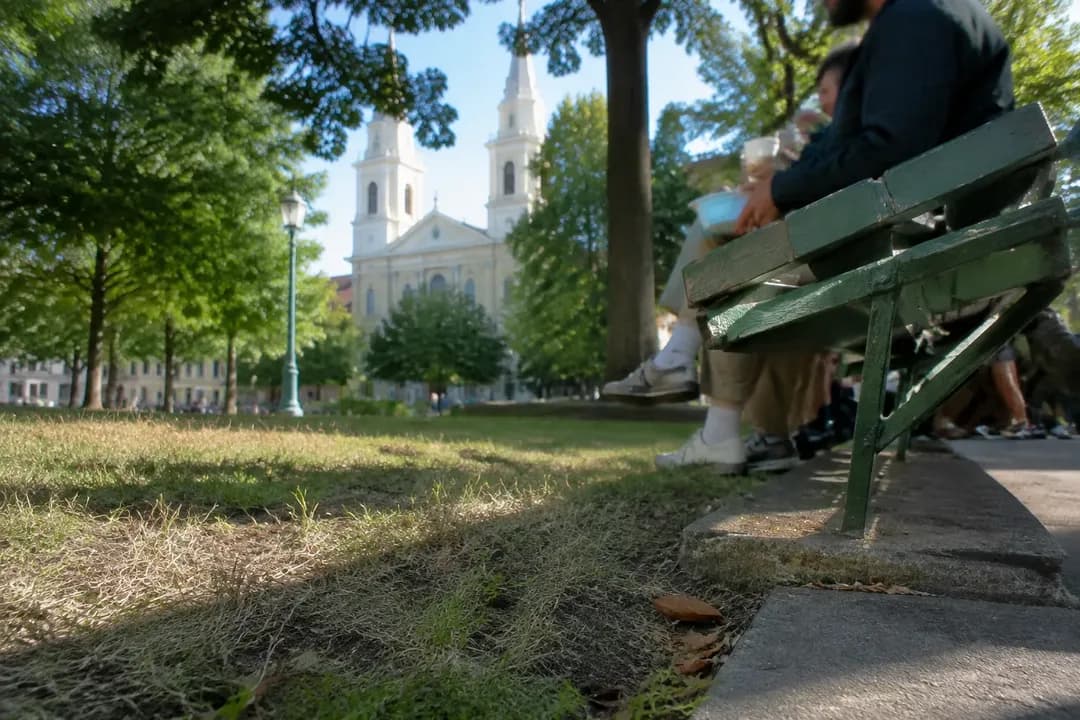
Washington Square Park itself is worth using as a landmark, not a destination. The north side gets the most sun during the day, but by evening the benches there are in full shade and wind. The southeast corner, near the church, holds a little warmth if you need a place to regroup or wait for a table. Don't plan to eat takeout there unless it's an unusually warm day; even in August, sitting on the grass after sunset means you'll be cold within fifteen minutes.
Timing is the whole trick
Summer dining in San Francisco is less about where and more about when. If you eat between five-thirty and six-thirty, you can still catch ambient warmth on east-facing patios and parklets in the Mission, Potrero Hill, or Dogpatch. By seven-fifteen the temperature has dropped enough that you'll want to be inside or under a heat lamp. By eight-thirty, outdoor seating is only comfortable if it's fully enclosed or you're someone who runs warm.
The other timing issue is kitchen hours. A lot of neighborhood restaurants close early on weeknights during summer, especially if it's been foggy for three days straight and foot traffic is down. This is particularly true in the Outer Sunset, the Richmond, and parts of the Haight. If you're planning to eat after eight PM on a Tuesday or Wednesday, verify the kitchen is still taking orders. Websites are often wrong. Google hours pull from outdated submissions. The safest move is to check the restaurant's own Instagram story or call ahead.
Lunch is underrated in summer. Eating between noon and two gives you the warmest part of the day, and you avoid the dinner guessing game entirely. The Ferry Building, the Embarcadero near Pier 3, and the northeast corner of Dolores Park all have spots that work for midday eating when the fog hasn't burned off yet. You can also eat earlier than you think—five PM reservations are easier to get, and in summer that still counts as dinner.
The Inner Richmond works when North Beach doesn't
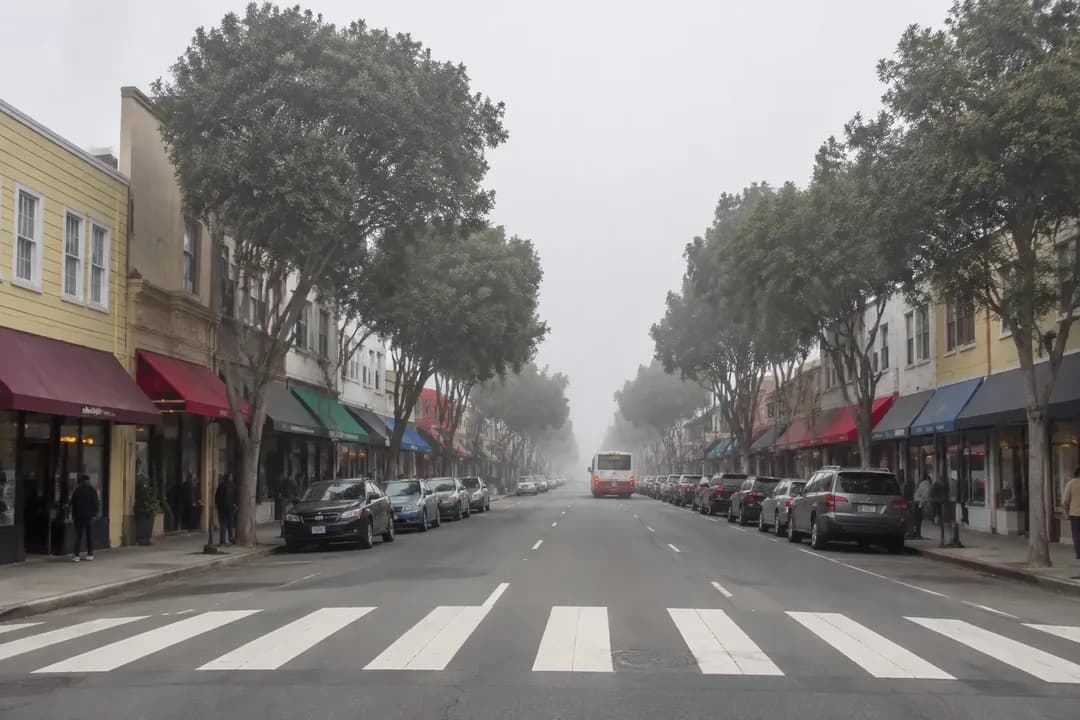
If North Beach is full or you're starting from the west side of the city, the Inner Richmond between Arguello and Park Presidio is the quieter alternative. Clement Street has enough places to eat that you can walk the strip and pick based on what has space. The neighborhood doesn't hold heat the way North Beach does—it's foggier, windier, and the streets are wider—but it compensates by being less crowded and easier to navigate.
The blocks between Second Avenue and Sixth Avenue are the densest stretch. You're close enough to Golden Gate Park that you could walk there after eating, but far enough from the beach that you're not dealing with tourist overflow. The trade-off is that you'll almost certainly need to eat inside. Outdoor seating on Clement is only comfortable maybe ten days a year, and those days are unpredictable.
The Inner Richmond also has better parking than North Beach, which matters if you're driving in from another part of the city. Street parking on the numbered avenues south of Clement is usually available after six PM. You'll still walk a few blocks, but it's flat and well-lit. Muni access is decent—the 1 and 2 lines run down California, and the 38 runs on Geary—but expect delays after eight PM and plan accordingly.
Verify before you commit to the walk
The single most useful thing you can do before picking places to eat in San Francisco is confirm that what you're walking toward is actually open and serving food. This sounds obvious, but summer schedules are inconsistent. Restaurants close for private events, cut hours short when it's slow, or pause dinner service for a week while the chef is gone. The website might say open until ten; the reality might be last seating at eight-fifteen.
This is especially important if you're heading somewhere that requires a walk uphill or a transfer between Muni and BART. San Francisco's geography punishes wrong guesses. If you take the N to Ninth and Irving, walk up the hill to a restaurant on Judah, and find out it's closed for a private party, your next option is back downhill or another ten-minute walk west. Both of those put you deeper into fog and farther from reliable transit.
The other thing to verify is whether the restaurant's outdoor space is actually usable. A lot of parklets and patios look good in photos but don't have heat lamps or wind protection. If the temperature is below sixty degrees—and in summer, it usually is by seven PM—you want to know ahead of time whether outside means comfortable or means you'll eat fast and leave. Some restaurants will tell you over the phone; others post updates on Instagram when they fire up the heaters. It's worth the thirty seconds to check.
Practical notes
- Bring a jacket even if it's seventy degrees at four PM; by seven-thirty it will be fifty-five and windy
- Verify kitchen hours before you walk uphill—many neighborhood spots close early on slow weeknights
- North Beach blocks between Columbus and Grant hold the most warmth after sunset
- Muni delays are common after eight PM; build in fifteen extra minutes if you're transferring lines
- Parklets and patios need heat lamps to be usable; confirm before you sit down outside
- Inner Richmond parking is easier than North Beach, but outdoor seating is rarely comfortable
Tags: #karpo #sanfrancisco #sfrestaurants #northbeach #wheretoeat #summerdining #sflocal #sanfranciscofood #innerrichmond #clementstreet #sfneighborhoods #dinnerplans #bayareafood #sfvisitor #localeats
Sources consulted: SF Municipal Transportation Agency · National Weather Service Bay Area · SF Recreation and Parks
All trademarks are the property of their respective owners.
Ask Karpo first
Before you walk to dinner, ask Karpo which restaurants still have their kitchens open, whether the parklet heaters are on, and if there's a warmer block nearby. It'll build you a route that skips the coldest stretches and gives you a backup if your first choice is full.
Ask Karpo for more information.
Keep reading
- Best Trick or Treating Neighborhoods Near Me: West Portal
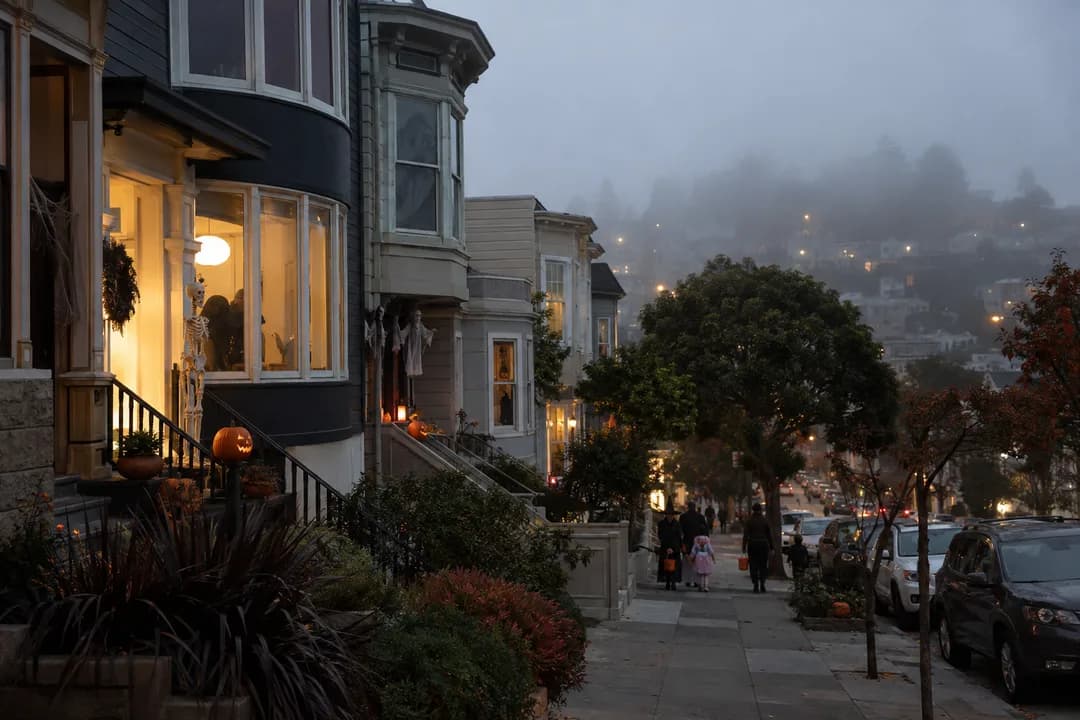 Best Trick or Treating Neighborhoods Near Me: Noe Valley
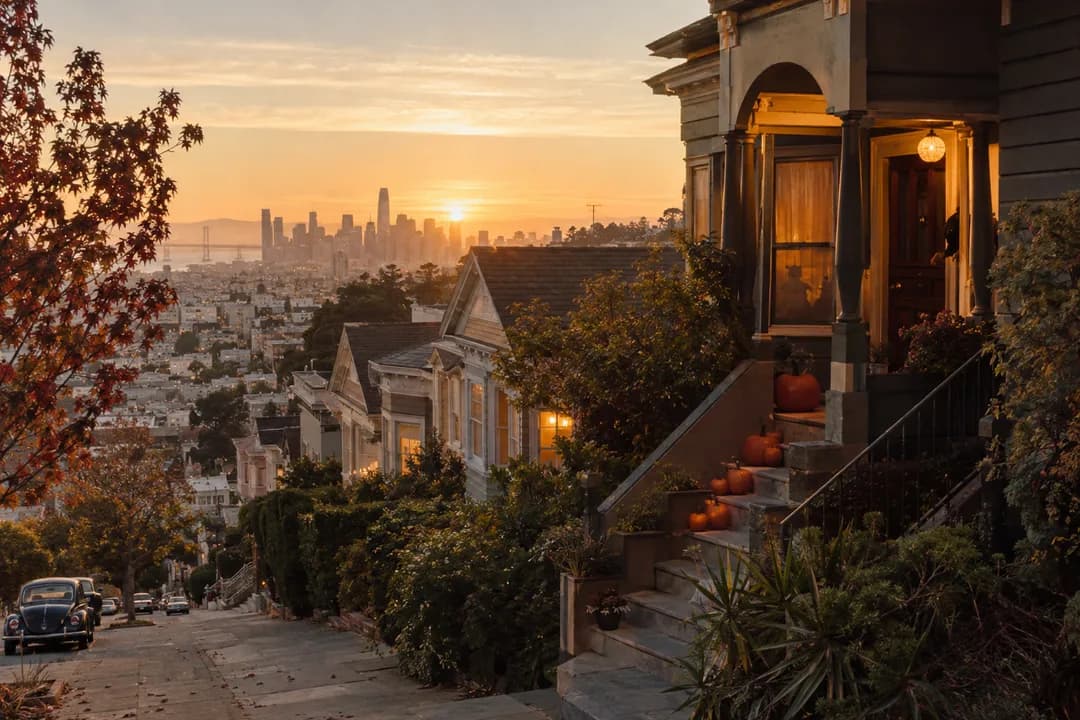 Best Trick or Treating Neighborhoods Near Me: Bernal Heights