 Live Music Near Me in the Theater District: Birdland's Nightly Jazz Sets
Bars & Nights Out
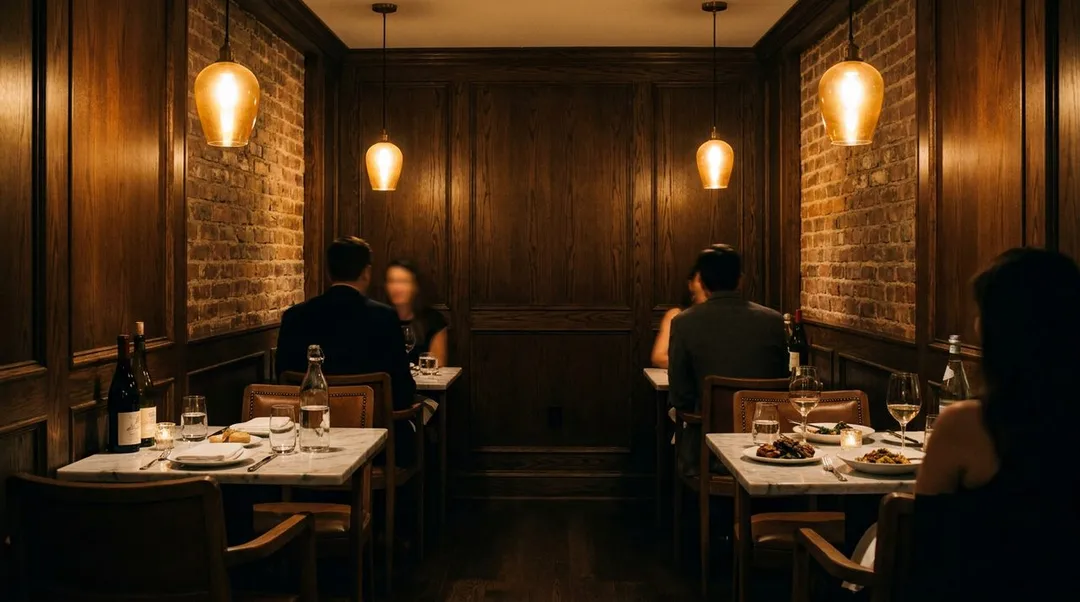
A Last Glass of Vermouth in a West Village Back Room Where No Music Plays
A narrow room past the bar where conversation stays low, the vermouth comes over ice, and the walk home feels like part of the night.
You slip past the bar where everyone else stays planted, through a doorway most people don't notice, into a room so narrow two strangers can't pass without one turning sideways. The walls hold old mirrors that double the candles without brightening anything, and the vermouth comes over a single large cube that cracks when the pour hits it. This is where the night slows down before you let it go.
The Room That Doesn't Announce Itself
The front bar gets the foot traffic, the casual drop-ins who order whatever's on draft and scroll their phones between sips. You walk past all of that. The back room sits beyond a doorway with no signage, just a threshold that separates the casual from the committed. Inside, six small tables crowd against exposed brick, each one far enough from the next that conversations don't bleed together. The ceiling presses low enough that tall regulars duck slightly when they stand. A single bartender works a marble-topped station no bigger than a writing desk, pulling bottles from shelves that climb to the molding. The room smells like orange peel and old wood and something faintly herbal you can't name. No music plays. You hear glassware, low voices, the scrape of a chair. The quiet isn't imposed—it just happens, the way certain rooms shape the people inside them.
Vermouth Like You Haven't Been Drinking It
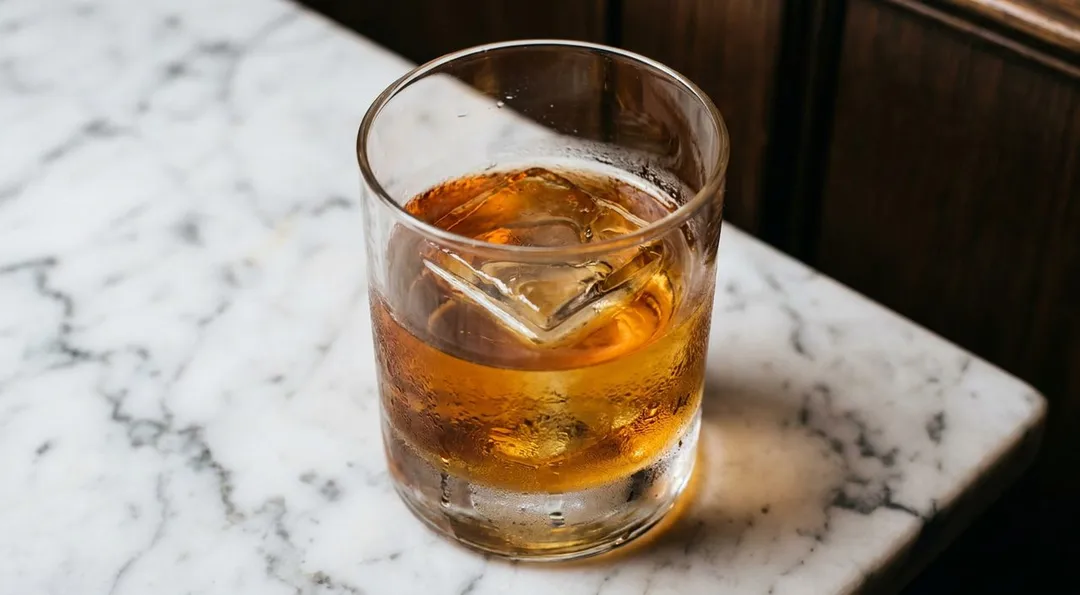
The menu lives on a single card, handwritten in tight script that changes weekly. You're here for vermouth, which most places treat as a modifier, something to rinse a glass with before the real drink starts. Here it's the point. The pours come in short, wide glasses over ice that's been cut from a block, not scooped from a machine. The bartender doesn't ask if you want a twist—the citrus is already in hand, expressed over the glass so the oils catch the candlelight before the peel drops in. The first sip tastes like wormwood and honey and something almost savory, a bitterness that doesn't punish. You're not here to get anywhere. You're here to stay put while the hour gets late and the vermouth gets lower. Between rounds, the glass sweats onto the marble, leaving rings that overlap like a Venn diagram of your evening.
The Regulars Who Don't Perform
You notice them after your second visit—the same faces in different configurations, always in the back room, never loud. A couple in their fifties who sit at the corner table and read separate books, sharing a bottle of something amber between them. Two men who speak what sounds like Portuguese, their conversation a steady murmur that never crescendos. A woman alone with a notebook, writing in bursts, pausing to look at nothing in particular. They don't perform solitude or sophistication. They're just here, the way you're here, because this room allows a specific kind of presence. No one's networking. No one's celebrating. You're all just extending the night by one drink, maybe two, before the walk home through West Village streets that stay busy until they suddenly don't. The bartender knows orders without asking, refills water glasses without interrupting, moves through the narrow space like someone who learned the geometry years ago.
What the Candles Do to Time
Electric light would ruin this. The candles—mismatched votives and tapers in brass holders—create a time outside of time, where eleven-thirty feels like it could be nine or one. Shadows pool in the corners and climb the brick, and faces across tables soften into impressionist versions of themselves. You lose track of how long you've been here. Your phone stays in your pocket because the light from the screen would feel like a violation, a brightness that doesn't belong. The candles gutter when the door opens, then steady again. They burn down slowly enough that you can measure your stay in wax, the way sailors once measured speed in knots. When you finally check the time, you're surprised—by how late it is, or how early, depending on what you expected. The room exists in its own zone, and the vermouth slows your pulse to match it.
The Walk Home You've Been Setting Up
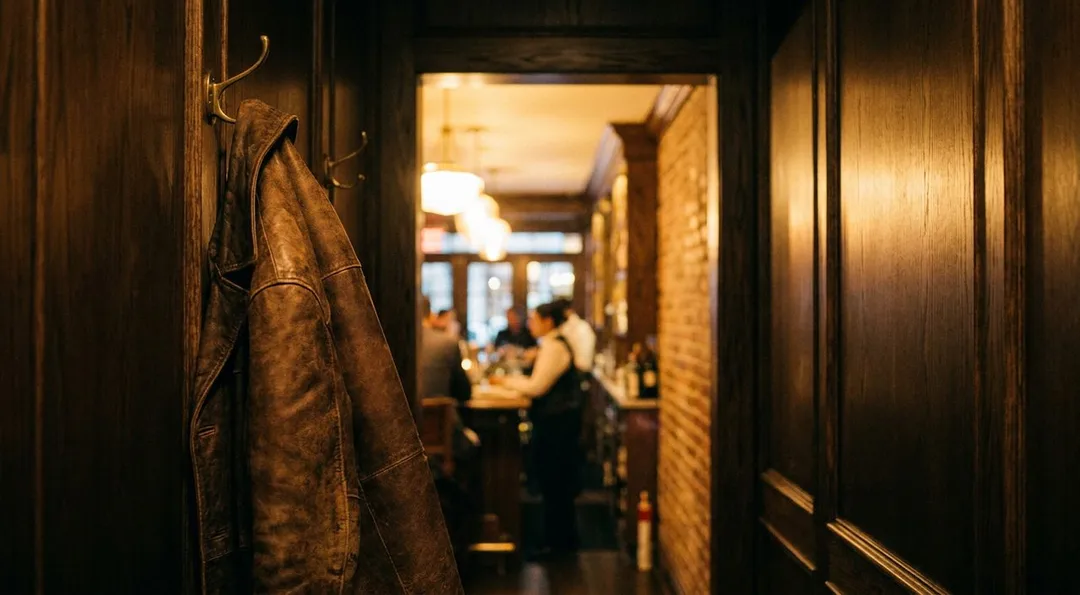
You settle up and step back through the bar, which feels too bright and too loud after the back room, even though nothing's changed. Outside, Bleecker carries the late-night energy of people still looking for something—the next bar, the next conversation, the right slice. You turn down a quieter street where the trees grow through iron grates and the brownstones glow from interior lights left on in empty parlors. The vermouth sits warm in your chest, botanical and slightly bitter, and your pace matches people walking dogs or coming home from late shifts. This is the walk you were preparing for without knowing it—the one where you're alone but not lonely, where the city feels like it's showing you something private. You pass closed storefronts and open bodegas, hear laughter from a third-floor window, smell someone's late dinner cooking. The night doesn't end when you leave the bar. It extends through these blocks, through the specific quality of light on wet pavement, through the sound of your own footsteps. You take the long way because the long way is the point.
Why You'll Come Back on a Tuesday
Weekend nights bring bridge-and-tunnel crowds to the West Village, people chasing some idea of what the neighborhood used to be. Tuesday is when the back room shows its real self. The regulars claim their tables. The bartender has time to talk if you want to talk, or to leave you alone if you don't. The vermouth tastes the same but the room breathes differently, less precious, more lived-in. You can arrive at nine and stay until midnight without the pressure of a crowd waiting for your table. This isn't a place you take someone to impress them. It's a place you take yourself when you want the night to taper rather than end, when you need a room that asks nothing of you except that you sit quietly and drink something good and let the hours do what they do.
Practical Notes
The back room opens when the bar opens, usually late afternoon, and stays open until the last person leaves, which tends to be well past midnight on weekends. You can't reserve the tables—they're first-come, and on busy nights you might wait at the bar until space opens up. The vermouth selection changes but expect to spend somewhere in the low-to-mid range for a pour, less than you'd pay for a cocktail at the louder places up the block. Subway access is easy from multiple lines—the Christopher Street station puts you a short walk away. Cash is welcome, cards are fine. The bartender can guide you through the selection if you're new to drinking vermouth neat, but don't expect a performance—the recommendations come quiet and certain, without the craft-cocktail theater that's infected half the bars in Manhattan.
Tags: #TheLongWayHome #WestVillage #NewYorkCity #VermouthBar #QuietNights #NeighborhoodBars #NYCNightlife #SlowDrinking #CandlelitSpaces #LateNightNYC #VermouthNeat #VillageLife #NYCInsider #HiddenBarNYC #DrinkingAlone
Sources consulted: timeout.com · atlasobscura.com · nycgo.com
Please drink responsibly. Must be of legal drinking age.
All trademarks are the property of their respective owners.
Ask Karpo first
Want to know which vermouth to start with if you've never ordered it over ice, how late the back room stays open, and whether you need to arrive early to claim a table?
Ask Karpo for vermouth recommendations for first-timers, typical back room crowd levels after eleven, how to find the entrance past the bar, and a live route around West Village before you head out.
Ask Karpo for more information.
Keep reading
- Live Music Near Me in the Theater District: Birdland's Nightly Jazz Sets
 Live Music Near Me in the West Village: The Vanguard's Monday Big Band
 Live Music Near Me in Park Slope: Barbès' Back-Room World Music