 Clubs Near Me in Ridgewood: Nowadays' Outdoor Dance Floor
Sports Social
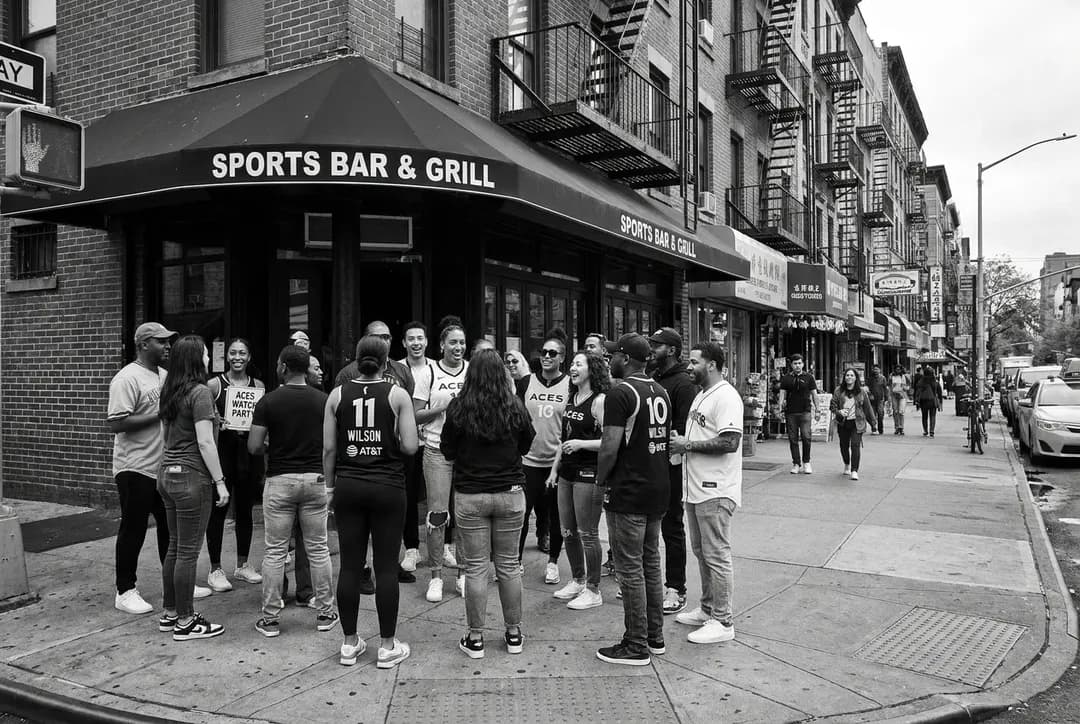
A'ja Wilson Fan Meetups: NYC Sports Social Events for WNBA
Connect with fellow WNBA enthusiasts at organized viewing parties and fan gatherings celebrating one of basketball's brightest stars. Discover NYC's vibrant community of Aces supporters and league fans who gather to watch games, share insights, and build lasting friendships.
New York City's sports bar scene and community spaces have become gathering points for WNBA fans eager to celebrate standout players like a'ja wilson, the Las Vegas Aces powerhouse whose dominance continues to draw admirers nationwide. While Wilson plays for a Western Conference team, her influence reaches across the country, inspiring viewing parties and fan discussions in cities far from Nevada. For newcomers seeking social connection through basketball, finding the right meetup involves understanding how these groups form, what to expect at events, and how to verify that a gathering matches your comfort level and schedule. The city's transit accessibility via the MTA subway and bus network makes attending events across boroughs feasible, though confirming exact venue locations and event times before committing remains essential.
Text Karpo your starting point, timing, group size, and priorities for a NYC plan tailored to this exact situation, with one realistic backup before you leave.
How Fan Meetups Form Around Star Players
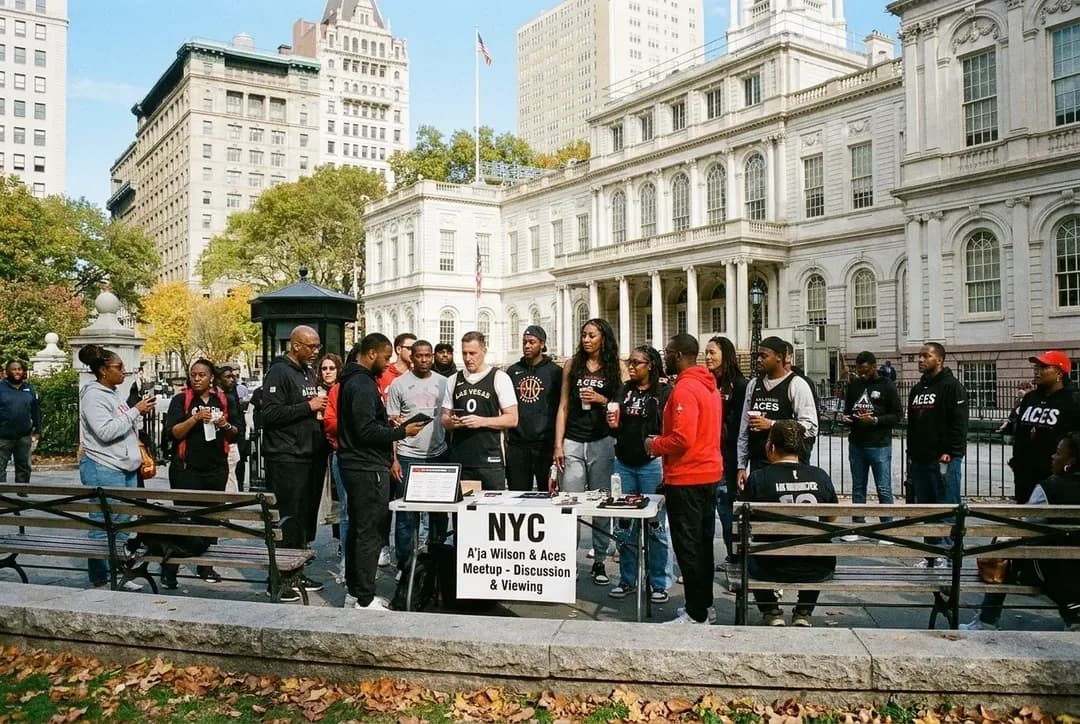
Organized fan gatherings typically emerge through social media platforms, sports bar partnerships, or established community groups that pivot focus based on current league storylines and player performances. Groups might center on a specific team like the Aces, celebrate the WNBA broadly, or focus on women's sports in general with basketball as one component. Some meetups welcome all skill levels and basketball knowledge, positioning themselves as beginner-friendly social environments where asking basic questions about gameplay or league structure feels comfortable. Others attract longtime fans who prefer deeper tactical discussions and assume familiarity with rosters and statistics. Before attending, prospective members should clarify whether the group emphasizes casual socializing with games as background or focused viewing with limited conversation during play.
Membership requirements vary significantly across organizations. Some operate as open drop-in events at public venues where anyone can join without advance registration, while others function as closed groups requiring online signup, identity verification, or even membership fees that cover reserved seating or food minimums. Typical group sizes range from intimate gatherings of eight to twelve people at smaller bars to larger events drawing fifty or more attendees at venues with dedicated screening areas. Understanding these dynamics helps set expectations—larger groups offer more networking opportunities but less intimate conversation, while smaller meetups foster closer connections but may feel intimidating if the existing members already know each other well.
Venue Selection and Verification Steps
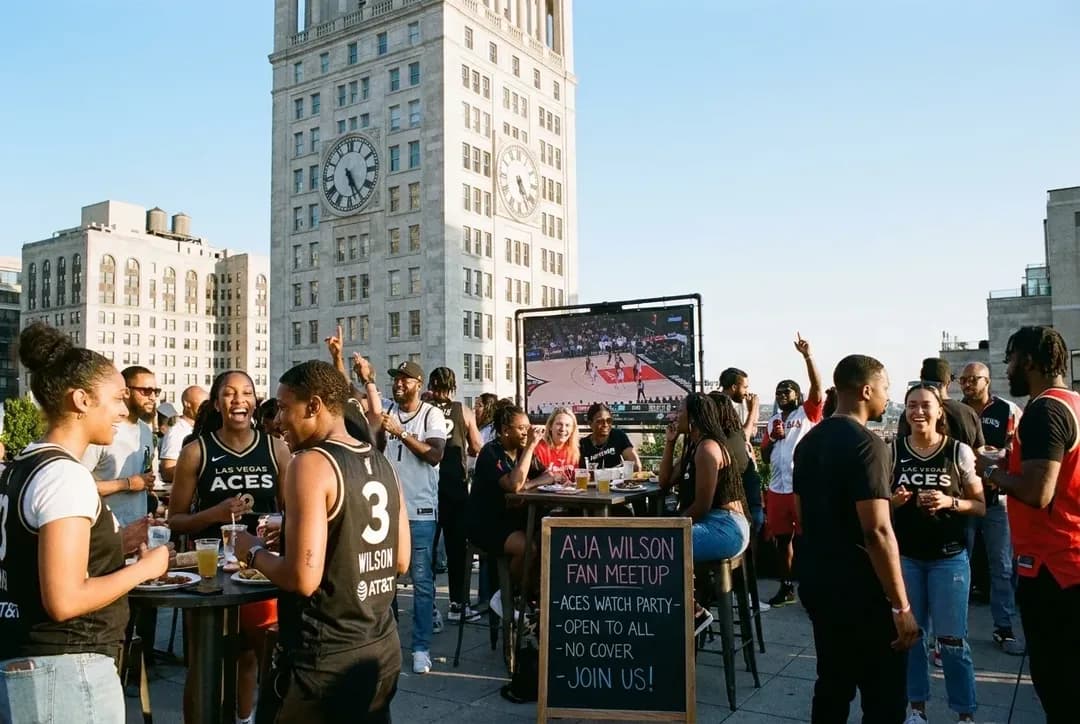
Sports bars and restaurants hosting fan events usually require participants to meet minimum purchase requirements, which might mean ordering at least one drink or appetizer per person during the event. These costs sit separate from any group membership fees, and venues rarely guarantee seating without advance reservation, especially for popular matchups or playoff games. Prospective attendees should contact the venue directly to confirm whether the event is still scheduled, whether the establishment can accommodate additional guests, and what the expected crowd size might be. Bars sometimes cancel bookings if projected attendance falls below profitability thresholds, and relying solely on social media event pages without venue confirmation can lead to wasted trips.
Public spaces like parks or community centers occasionally host outdoor viewing events during summer months, though these require checking NYC Parks event listings and understanding that weather contingencies may force cancellations. Library branches sometimes offer community room reservations for groups, but policies on food, drink, and event types vary by location, making advance inquiry necessary. The advantage of public venues lies in lower cost barriers and more inclusive atmospheres, while the tradeoff involves less control over viewing quality, potential audio issues, and limited food options. Deciding between commercial and public venues depends on whether you prioritize comfort and amenities or accessibility and cost.
Navigating Social Dynamics as a Newcomer
Arriving at an established fan group for the first time presents social navigation challenges that differ from attending games at arenas. Existing members may have inside jokes, shared history from previous seasons, or established seating preferences that aren't immediately obvious to newcomers. Beginner-friendly groups often designate greeters or hosts who introduce new attendees and facilitate initial conversations, while less structured meetups might leave newcomers to self-advocate and initiate interactions. Checking group descriptions or messaging organizers beforehand to ask about newcomer integration practices helps gauge whether the environment will feel welcoming or require significant social effort.
The companion dynamic at these events skews toward individuals open to meeting new people rather than closed friend groups, though both types attend. Solo attendees often find these gatherings ideal for expanding social circles through shared basketball interest, while those bringing existing friends should remain mindful of including others in conversations rather than forming insular clusters. Game-day timing typically involves pre-event socializing starting thirty to sixty minutes before tipoff, allowing mingling before attention shifts to screens. This structure works well for people who enjoy social warmth-up periods but may feel prolonged for those preferring to arrive right at game time and focus immediately on action.
Transit Logistics and Multi-Borough Considerations
The MTA subway and bus system connects potential meetup venues across all five boroughs, though travel times and service reliability vary significantly by route and time of day. Evening games often coincide with post-work rush periods, meaning transit from outer boroughs to Manhattan venues might require forty-five minutes to over an hour depending on service changes and connections. Checking the MTA's planned service changes page before committing to an event prevents surprises from weekend line suspensions or weeknight diversions that could add substantial travel time. Real-time service alerts available through MTA apps help adjust routes dynamically if disruptions occur during your journey.
Choosing meetups in your home borough or nearby neighborhoods reduces transit uncertainty and makes spontaneous attendance more feasible, though it limits exposure to the city's broader fan community. Manhattan venues offer centrality and numerous transit options but often come with higher venue minimums and more crowded spaces. Brooklyn and Queens host growing numbers of sports-focused social events with neighborhood bar atmospheres and slightly lower costs, while Bronx and Staten Island options remain less common but may offer tighter-knit communities when available. Weighing convenience against variety helps determine whether sticking close to home or exploring different neighborhoods better serves your social and basketball interests.
Evaluating Long-Term Fit and Group Culture
Attending one or two events provides insufficient data to judge whether a fan group matches your preferences, as game outcomes, attendance fluctuations, and seasonal timing all influence atmosphere. Playoff games generate higher energy and larger crowds than mid-season matchups, while early-season events might draw only core members. Committing to three or four gatherings across different game contexts reveals whether the group's culture remains consistent or shifts dramatically based on circumstances. Pay attention to how members handle controversial calls, whether discussions remain respectful when opinions diverge, and if the focus stays on basketball or drifts toward unrelated topics that might not interest you.
Long-term participation often involves informal expectations beyond simple attendance—contributing to group chats, helping promote events, or rotating responsibility for securing venue reservations. Some groups evolve into broader social networks with off-season activities like pickup games, trivia nights, or watch parties for other sports, while others dissolve entirely until the next WNBA season begins. Understanding these trajectories helps set realistic expectations about whether you're joining a basketball-specific gathering or a general social club using WNBA fandom as an initial connection point. Neither approach is inherently better, but mismatched expectations lead to disappointment when a casual viewer joins a group expecting year-round intensive engagement or when a dedicated fan finds others treat games as background noise for socializing.
Tags: #WNBAfanmeetupsNYC #AjaWilsonviewingparties #NYCsportssocialevents #basketballfancommunities #LasVegasAcesfansNYC #womensbasketballNYC #sportsbarviewingparties #NYCfangroups #WNBAsocialgatherings #NYCsportsnetworking
Sources consulted: Source 1: nycgovparks.org · Source 2: new.mta.info · Source 3: nypl.org · Source 4: a816-health.nyc.gov
All trademarks are the property of their respective owners.
Ask Karpo first
Ask Karpo to turn this NYC idea into a current plan for your date, budget, companion, transit preference, and energy level. Karpo can narrow the route and flag what to verify before you go.
Ask Karpo for more information.
Keep reading
- Clubs Near Me in Ridgewood: Nowadays' Outdoor Dance Floor
 Clubs Near Me in Gowanus: Public Records' Hi-Fi Sound System
 Events Near Me in Bushwick: Elsewhere's Multi-Room Rooftop Nights