The phrase "72 hours" has been climbing search trends lately, and it's a useful lens for planning a US Open visit that feels local rather than rushed. If you're holding a ticket to one session at the Billie Jean King National Tennis Center in Flushing Meadows—whether it's a day session starting around 11 a.m. or an evening slate beginning at 7 p.m.—you have roughly three days to think about meals, snacks, and the eating rhythm that makes sense for your schedule, your starting point in Queens, and the neighborhoods you'll move through before and after the match. This isn't about cramming every restaurant into a weekend; it's about choosing a few reliable food stops that align with your transit route, your session time, and the way you actually want to spend energy on match day versus the day before or after.
Text Karpo with your US Open session time and Queens starting point, and we’ll turn this Queens food stops, snack planning, and practical match-day eating choices into a practical local plan.
Why 72 Hours Shapes Your Queens Food Plan
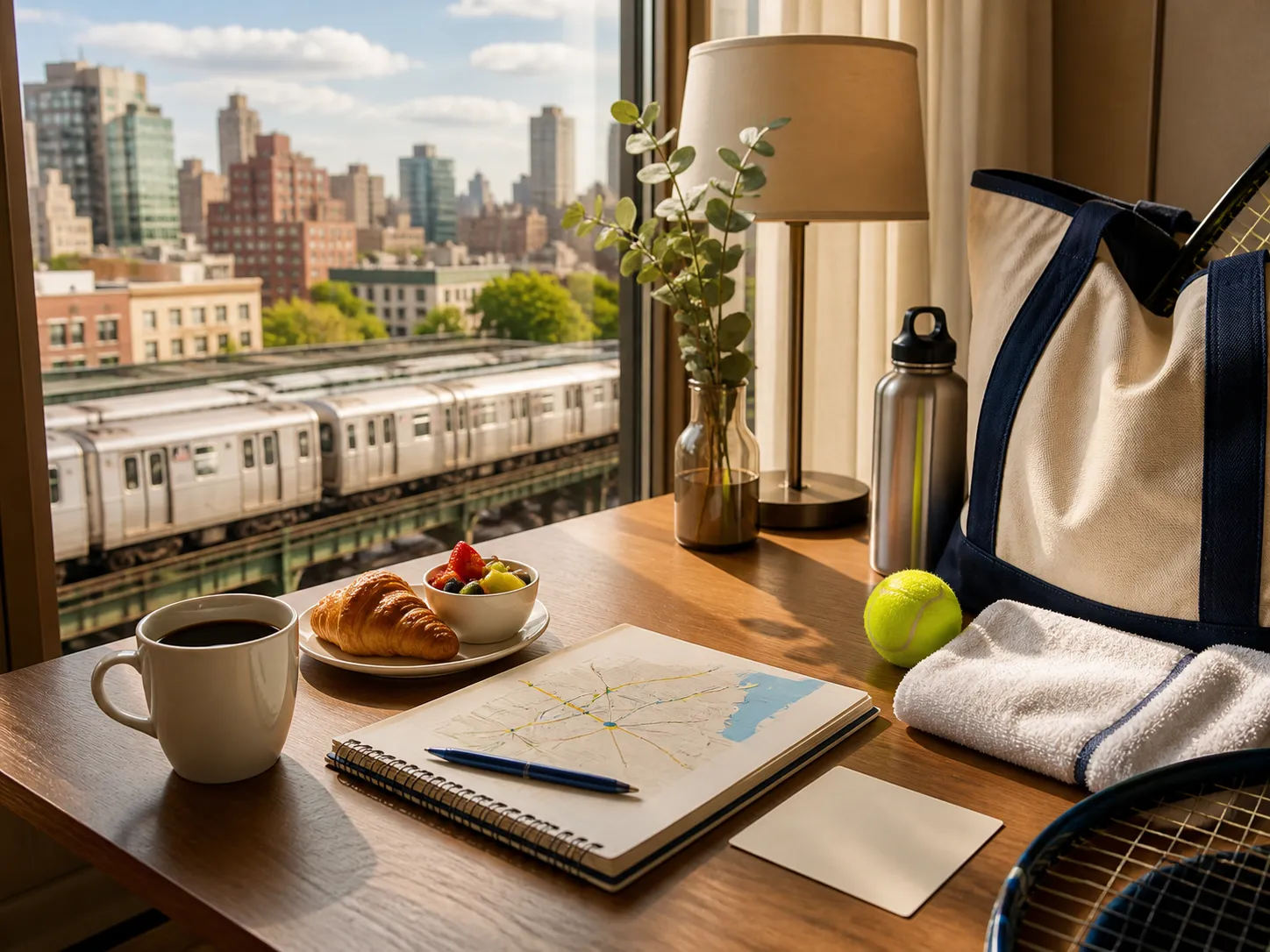
A 72-hour window—roughly the day before your session, match day itself, and the day after—gives you time to eat at a comfortable pace, test a breakfast spot near your hotel or starting neighborhood, pack or buy snacks that comply with US Open bag policy, and choose one post-match meal that doesn't require a long detour. The US Open runs late August through early September, and the 2026 edition will follow a similar schedule. According to the official event schedule on usopen.org, day sessions typically begin around 11 a.m., and night sessions start around 7 p.m., though exact times are confirmed closer to the tournament. That structure affects whether you want a sit-down lunch in Flushing before you enter the grounds, a quick grab-and-go breakfast in Jackson Heights if you're staying west, or a late dinner in Astoria after an evening session wraps.
What You Can Bring Into the US Open Grounds
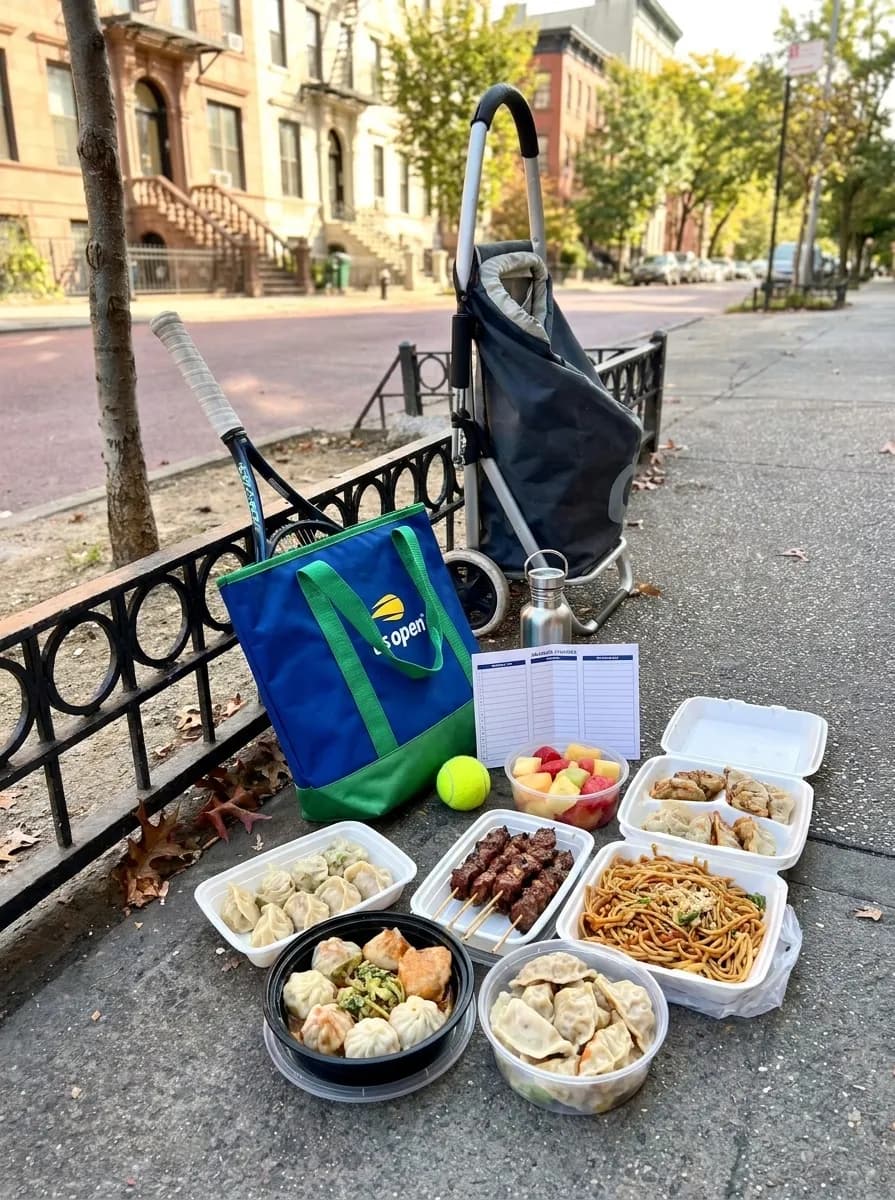
Before you plan any food stops, check the official prohibited-items guide at usopen.org. In recent years, the tournament has allowed one factory-sealed plastic bottle of water (up to one liter) and small snacks in clear plastic bags, but glass containers, cans, and large coolers are not permitted. Bags themselves must meet size restrictions—typically no larger than 12 by 12 by 16 inches—and all bags are subject to search. If you're planning to bring a sandwich, granola bars, or fruit from a Queens bakery or deli, pack them in a clear resealable bag and keep portions modest. This policy means your 72-hour food plan should include at least one stop to buy or assemble compliant snacks the morning of your session, rather than assuming you'll carry in a full picnic.
Day One: Arrival and Neighborhood Reconnaissance
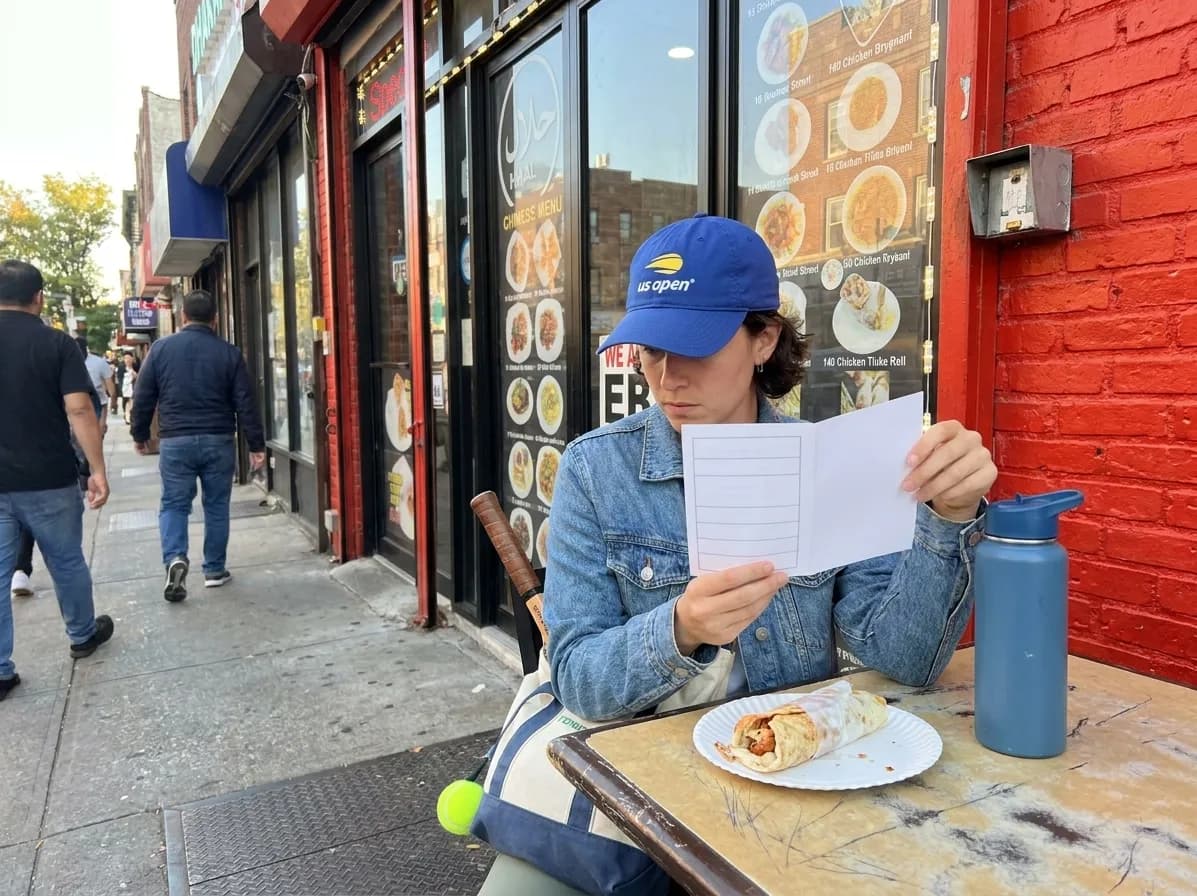
If you arrive in Queens the day before your session, use that time to walk or ride transit through the neighborhood where you'll start match day. Flushing is the closest commercial hub to the tennis center, and the Mets–Willets Point station on the 7 train puts you within walking distance of both Citi Field and the Billie Jean King National Tennis Center. Flushing's Main Street corridor, a short ride north on the 7, is dense with bakeries, dumpling counters, noodle shops, and bubble-tea cafés. You won't need to commit to a full meal on reconnaissance day—just note which spots have lines, which open early, and which offer grab-and-go options that travel well. Jackson Heights, a few stops west on the 7, is another option if your hotel or starting point is closer to Roosevelt Avenue; the neighborhood is known for South Asian and Latin American groceries, and many shops sell packaged snacks, fresh fruit, and bottled drinks that meet venue rules.
Match Day Morning: Timing Breakfast and Snack Assembly
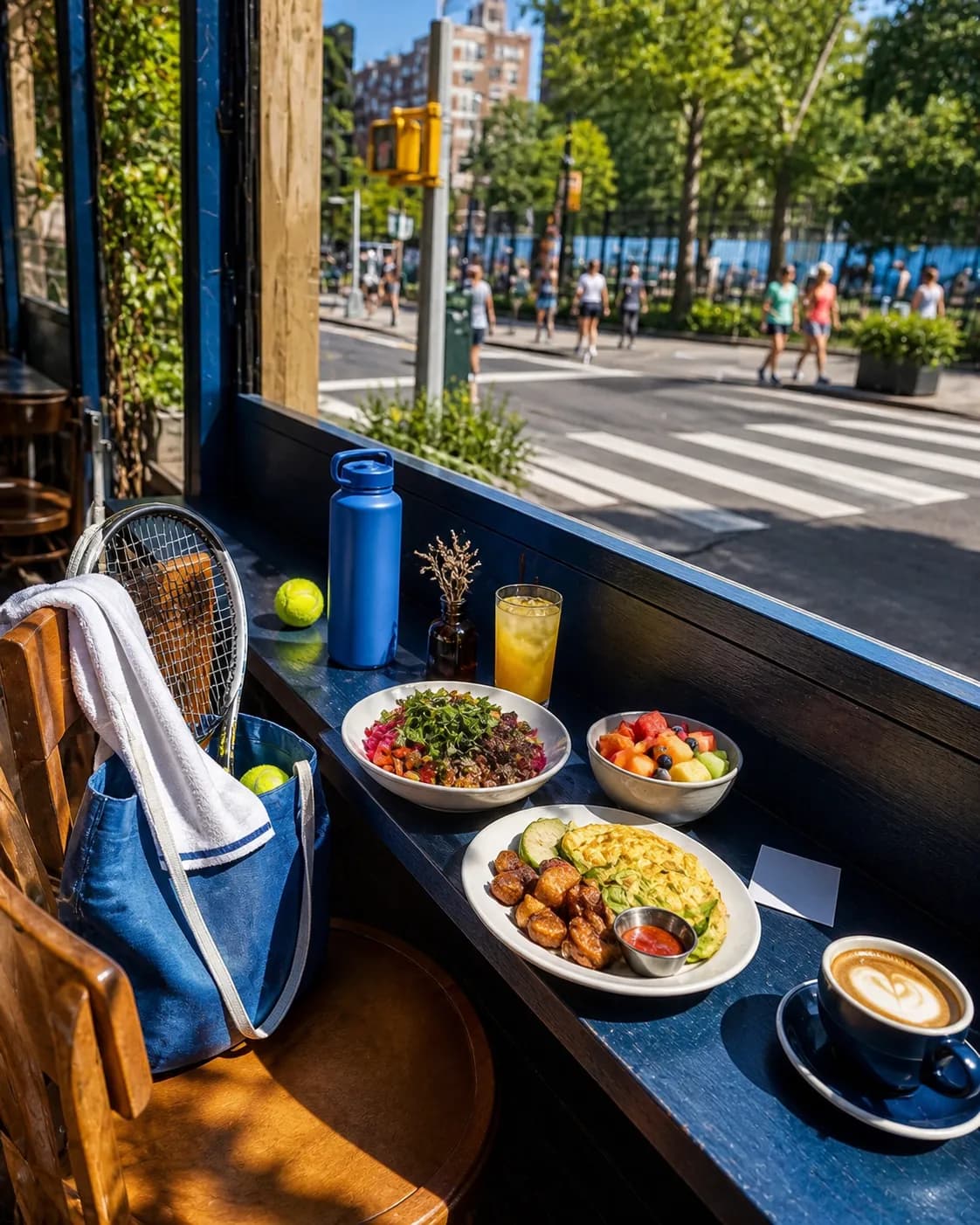
On the day of your session, plan breakfast and snack assembly around your entry time. If you're attending a day session starting around 11 a.m., aim to finish breakfast by 9 a.m. so you have time to buy or pack snacks, ride the 7 train to Mets–Willets Point, and clear security without rushing. A sit-down breakfast in Flushing or a quick stop at a bakery for a filled bun or pastry both work, as long as you leave margin for the snack run. For an evening session starting around 7 p.m., you have more flexibility: you might eat a late lunch in Flushing around 3 or 4 p.m., then pack a light snack to carry in, knowing you'll have dinner options after the session ends. Either way, buy your sealed water bottle and any packaged snacks—crackers, trail mix, fruit cups—at a deli or supermarket near your transit stop, and transfer them into a clear bag before you board the train.
Inside the Grounds: Concessions and Hydration
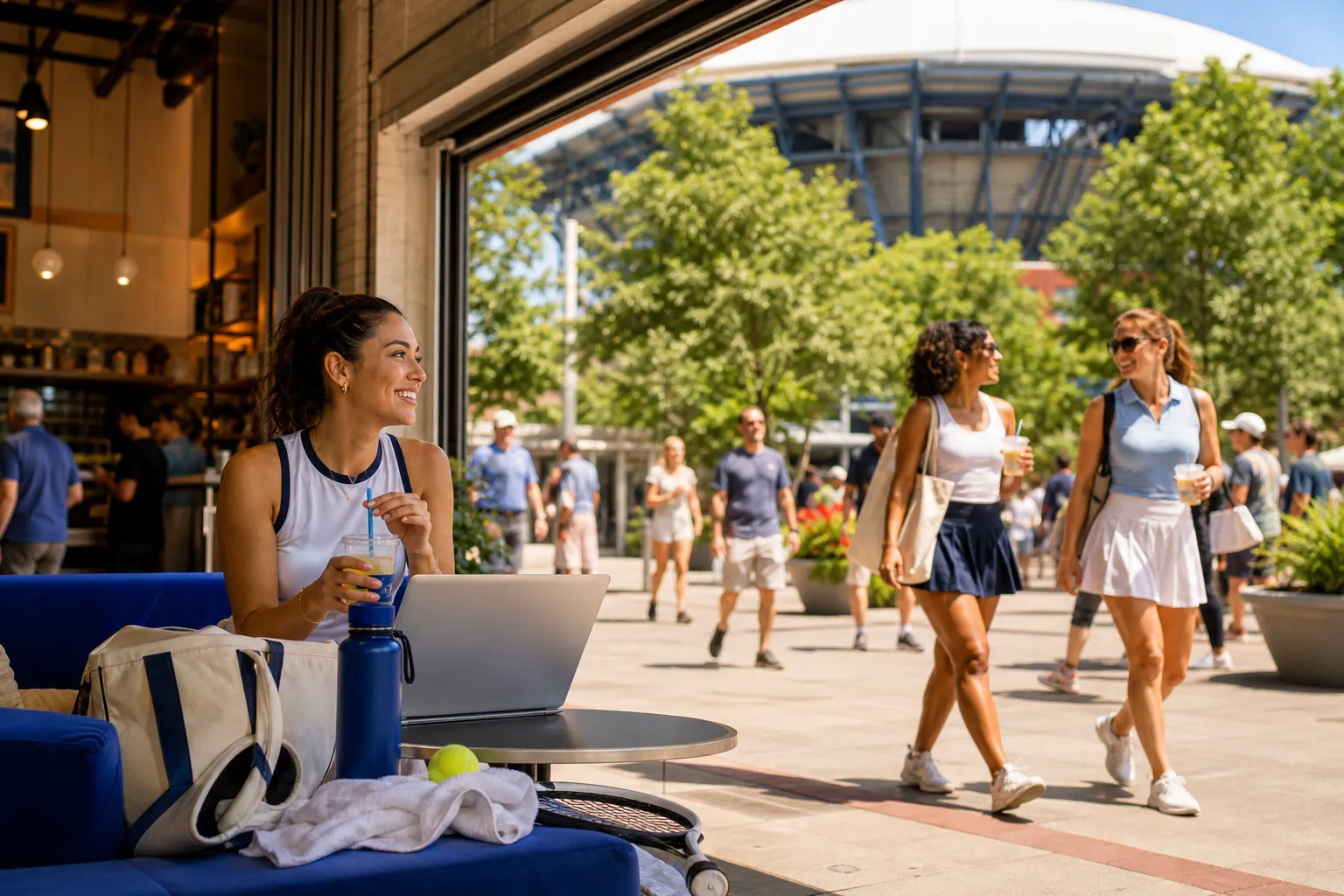
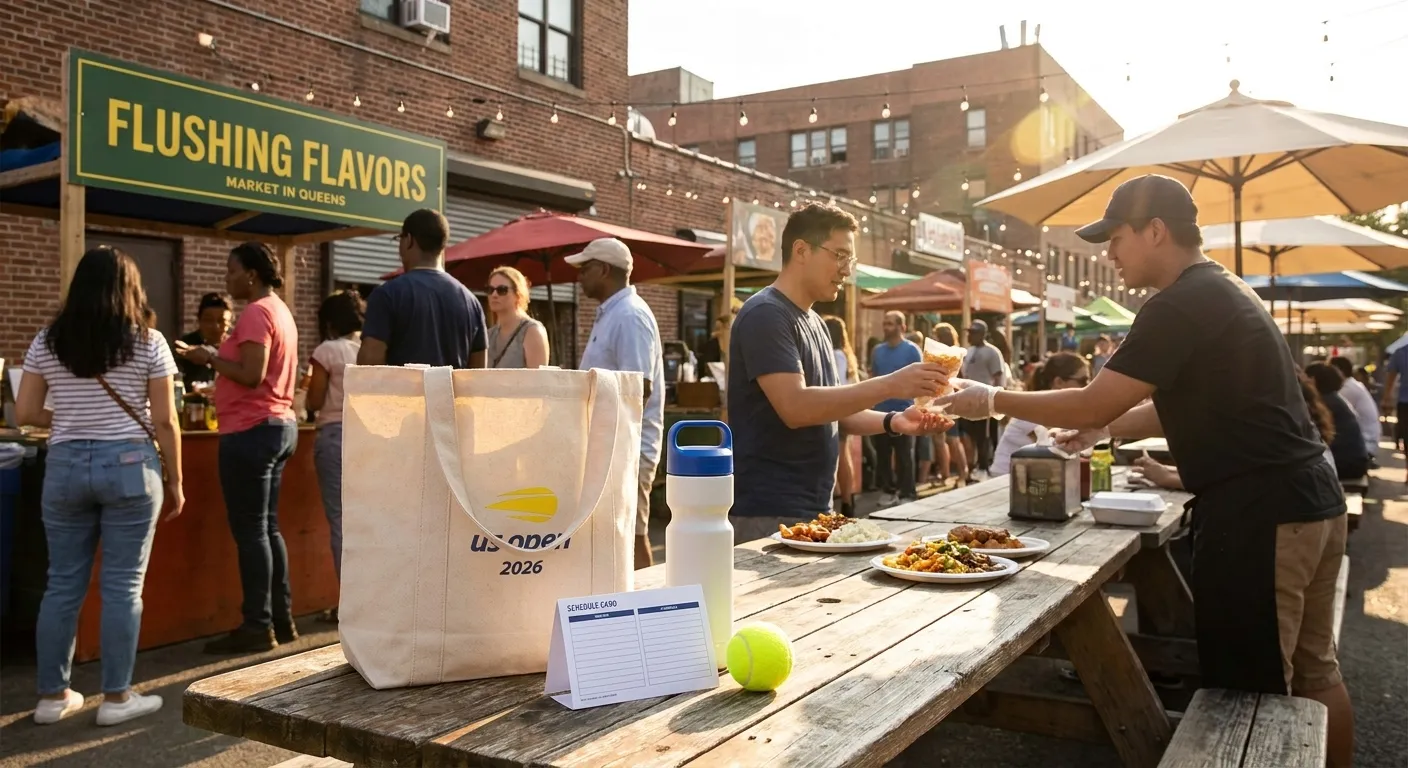
The US Open offers a wide range of food vendors inside the grounds, from quick-service counters to sit-down restaurants in the food village. Prices are higher than neighborhood spots, and lines can be long during changeovers or between featured matches. If you've packed compliant snacks, you can skip the concession lines during peak times and save your appetite for one intentional meal—perhaps a late lunch if you're at a day session, or a mid-evening snack if you're staying through night matches. Water fountains and refill stations are available throughout the grounds, so once you've finished your sealed bottle, you can refill rather than buying additional drinks. The official A-Z guide at usopen.org includes a map of amenities, though the exact layout is published closer to the tournament.
Post-Match Eating: Choosing a Neighborhood and a Meal Type
After your session ends, you'll exit the grounds and rejoin the crowd at Mets–Willets Point. If you're hungry and your energy is still high, Flushing's Main Street is a short ride north and stays open late; many restaurants serve until 10 p.m. or later, and you'll find options for noodle soups, hot pot, Korean barbecue, and dim sum. If you'd rather head west toward your hotel or another neighborhood, Jackson Heights and Astoria both offer evening dining, though you'll add 15 to 30 minutes of transit time. If your session runs late—night matches can finish after 11 p.m.—consider a lighter option near your hotel or a deli stop on your way back, saving a full sit-down meal for the next day. The key is to decide before you leave the grounds whether you're eating in Flushing or traveling farther, so you're not making that choice while standing on a crowded platform.
Day Three: Recovery Meals and Neighborhood Exploration
The day after your session, you have no entry time to hit and no bag policy to navigate. This is the day to try a sit-down brunch in Astoria, explore the food stalls and bakeries along Roosevelt Avenue in Jackson Heights, or revisit a Flushing spot you noted on reconnaissance day. If you're staying in Queens another night, you might also visit Flushing Meadows Corona Park outside the tennis center—the park includes the Queens Museum, the New York Hall of Science, and walking paths around Meadow Lake—and plan a late lunch or early dinner in Corona, the neighborhood just west of the park. Corona's 103rd Street corridor has taquerias, Ecuadorian restaurants, and Italian bakeries that reflect the area's layered immigration history. NYC Tourism's Queens page at nyctourism.com offers additional neighborhood context, though it's worth checking individual business hours and transit schedules on the day you plan to visit.
Practical Notes for Queens Food Planning Around the US Open
- Check the official prohibited-items guide at usopen.org before you pack snacks; rules on bag size, sealed containers, and outside food are enforced at security.
- Buy your sealed water bottle and any packaged snacks at a Queens deli or supermarket near your transit stop, not at the last minute inside the grounds.
- Plan breakfast and snack assembly around your session start time, leaving at least 90 minutes for transit, security, and finding your seat.
- Use the 7 train as your primary route to Mets–Willets Point; service is frequent, but trains are crowded before and after sessions, so avoid carrying large bags or bulky food containers.
- Decide before you leave the grounds whether you're eating in Flushing or traveling to another neighborhood, so you're not choosing while standing on a packed platform.
- Save sit-down meals for the day before or after your session, when you have more time and no entry deadline to meet.
- Check NYC Health's food-safety page at nyc.gov for general guidance on food handling if you're assembling snacks in a hotel room or short-term rental.
- Confirm restaurant hours, transit schedules, and any neighborhood street closures close to your visit, especially during the tournament's final weekend when crowds peak.
US Open® is a registered trademark of the United States Tennis Association. Karpo is an independent guide and is not affiliated with, endorsed by, or connected to the USTA, the US Open, or the Billie Jean King National Tennis Center.
Ask Karpo First
Tags: #USOpen2026 #Queens #FlushingMeadows #KarpoFinds #Karpo #72hours #NewYorkLocal #TennisTravel #NYCLocalLife #TennisTravel
Sources consulted: usopen.org — Official event schedule · usopen.org — Official visitor A-Z guide · usopen.org — Official transportation directions · usopen.org — Official prohibited-items guide · NYC Tourism — Queens · NYC Health — Food Safety
All trademarks are the property of their respective owners.
Ask Karpo first
Want to know what is actually open, how to time the trip, and where to pause around Queens? Ask Karpo for the latest public US Open context, a respectful visitor plan, and a live route around Flushing Meadows before you head out.