When organizers plan cooling logistics for massive outdoor tournaments, they think about ice supply chains, hydration stations, shaded rest zones, and how thousands of people move through hot spaces without wilting. The 2026 World Cup ice operations planning—focused on keeping players, staff, and fans safe in summer heat—offers a surprisingly useful lens for anyone heading to the US Open in late August and early September. Flushing Meadows Corona Park becomes a sun-baked village of courts, walkways, food plazas, and crowded transit connections, and understanding how large events manage heat can help you plan smarter days around Queens tennis.
Text Karpo with your US Open session time and Queens starting point, and we’ll turn this large-event cooling logistics translated for fans into a practical local plan.
Why cooling logistics matter for tennis spectators
Large tournaments treat heat management as infrastructure. Ice operations aren't just about cold drinks—they're about medical safety, crowd flow, and keeping people comfortable enough to stay engaged. At the US Open, you're often outside for five or six hours, moving between courts, standing in food lines, and sitting in direct sun. The official US Open visitor A-Z guide at usopen.org covers what you can bring, but it doesn't always spell out how to structure your day around heat. Thinking like an event planner—hydration first, shade breaks scheduled, cooling supplies packed—makes the difference between a great day and a miserable slog.
What you can (and can't) bring for personal cooling
The US Open prohibited-items guide at usopen.org is strict: no large bags, no glass, no umbrellas, no aerosol sprays. But you can bring a soft-sided bag up to 12 inches, one factory-sealed plastic water bottle up to one liter, and sunscreen in compliant containers. That means your cooling kit needs to be compact and TSA-style smart. A frozen water bottle (allowed if factory-sealed and under the size limit) doubles as ice pack and hydration. A small microfiber towel, a hat with a brim, and a portable fan that fits in your bag are all fair game. Check the official prohibited-items page close to your visit, because policies can shift year to year.
Hydration stations and refill strategy
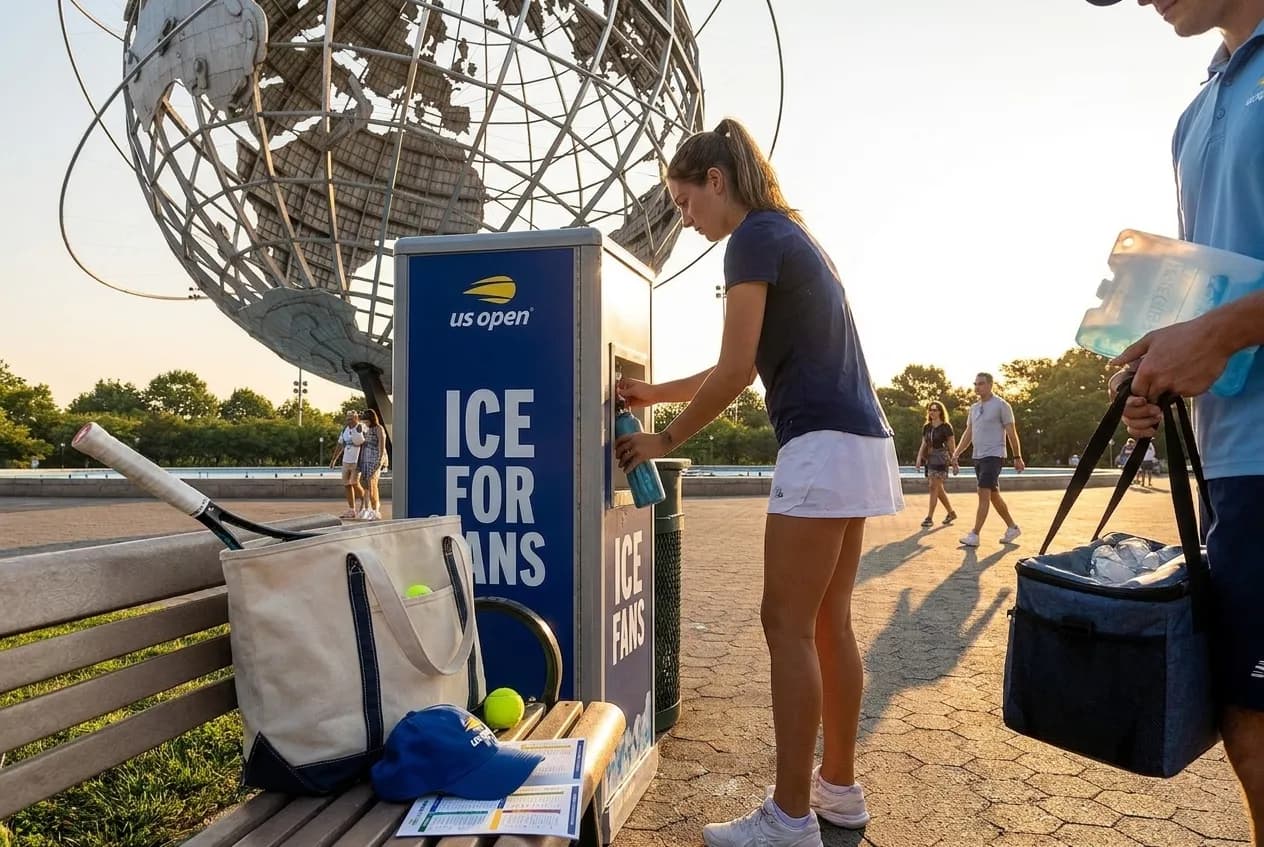
Large-event ice operations prioritize hydration points where crowds naturally gather. At the US Open, water fountains and refill stations are scattered around the grounds, but lines can be long during peak afternoon hours. Bringing your own empty reusable bottle (allowed) or one sealed bottle means you can refill without waiting. Plan to drink before you feel thirsty—by the time you notice, you're already behind. If you're spending the whole day, budget time between matches to sit in shade, refill, and let your body cool down. The official event schedule at usopen.org helps you map breaks between sessions so you're not rushing court to court in the hottest part of the day.
Shade, rest zones, and crowd flow
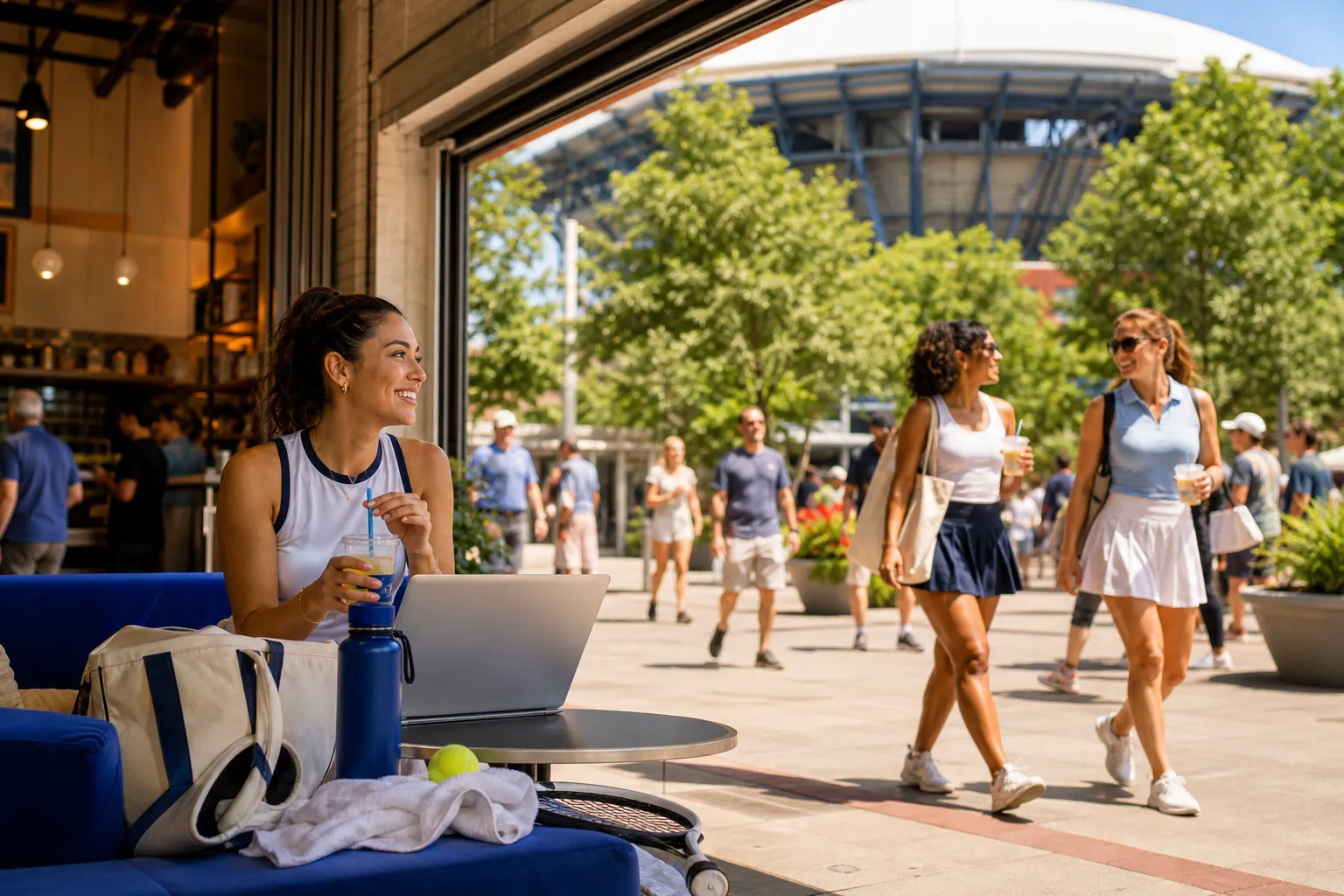
Tournament planners design rest zones with shade structures, misters, and seating to prevent heat exhaustion. At Flushing Meadows, shaded areas fill up fast, especially near food vendors and between Arthur Ashe Stadium and Louis Armstrong Stadium. Arrive early if you want a shaded picnic table or a spot under the trees in the park. The grounds are large, and walking from one court to another in full sun adds up. If you're attending an evening session, the afternoon before can be brutal—consider spending midday elsewhere in Queens and arriving closer to your session start. The MTA US Open transit guide at new.mta.info/guides/stadiums/us-open shows 7 train frequency, which increases during tournament weeks, making it easier to time your arrival.
Timing your travel and pre-tournament cooling
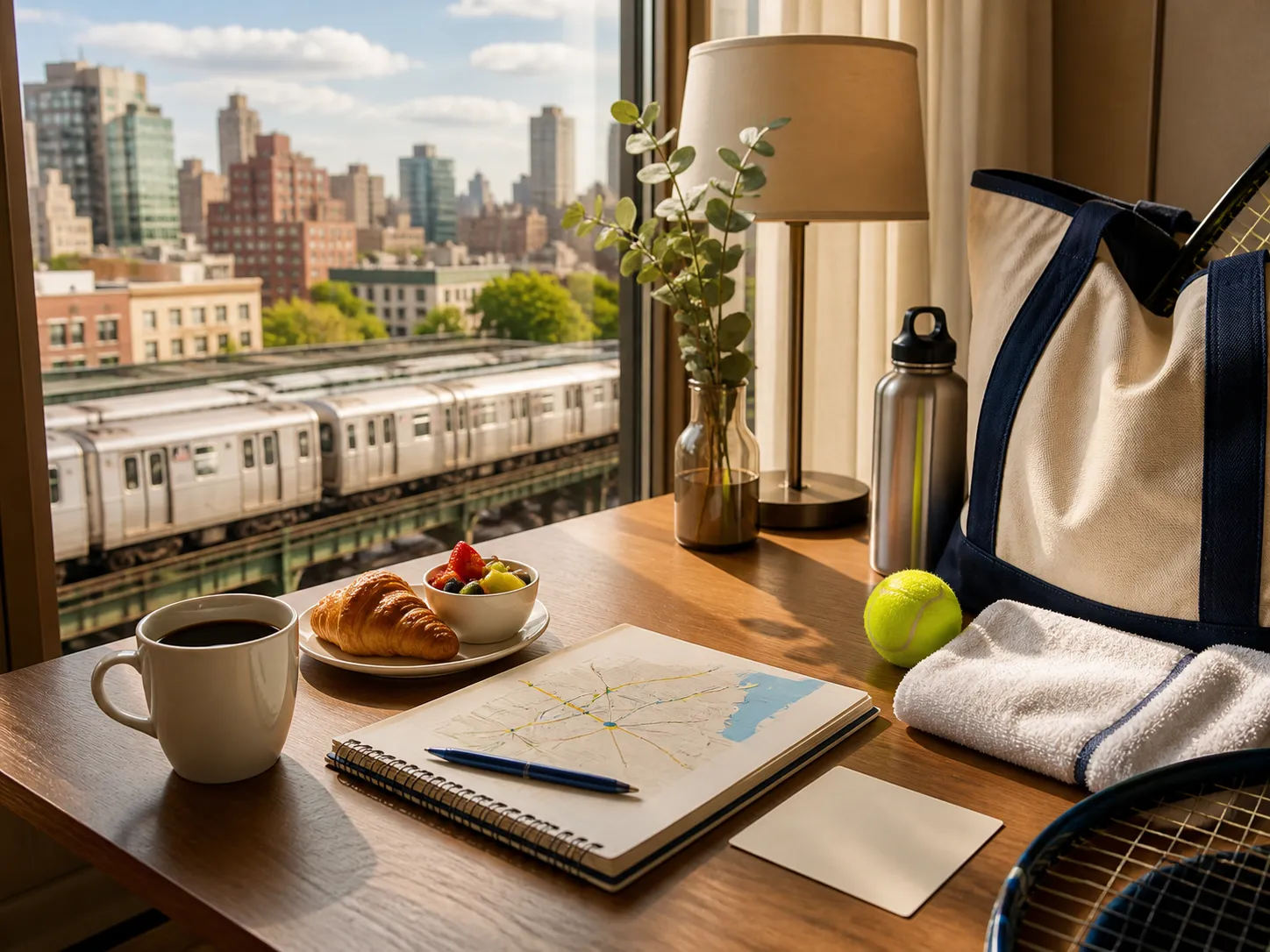
The 7 train from Manhattan or western Queens to Mets–Willets Point is the main artery, and it gets hot and crowded during peak hours. If you're coming from Long Island City, Astoria, or Jackson Heights, plan to travel before the midday heat spike or after the worst of the afternoon sun. Arriving an hour before your session gives you time to walk the grounds, find your seat, and hydrate without rushing. If you're staying nearby, some visitors retreat to air-conditioned cafes or libraries in Flushing or Corona between day and night sessions. The official transportation directions at usopen.org include details on accessible entrances and shuttle options, which can save walking in the heat if you're coming from parking or alternate transit.
What to wear and pack for all-day comfort
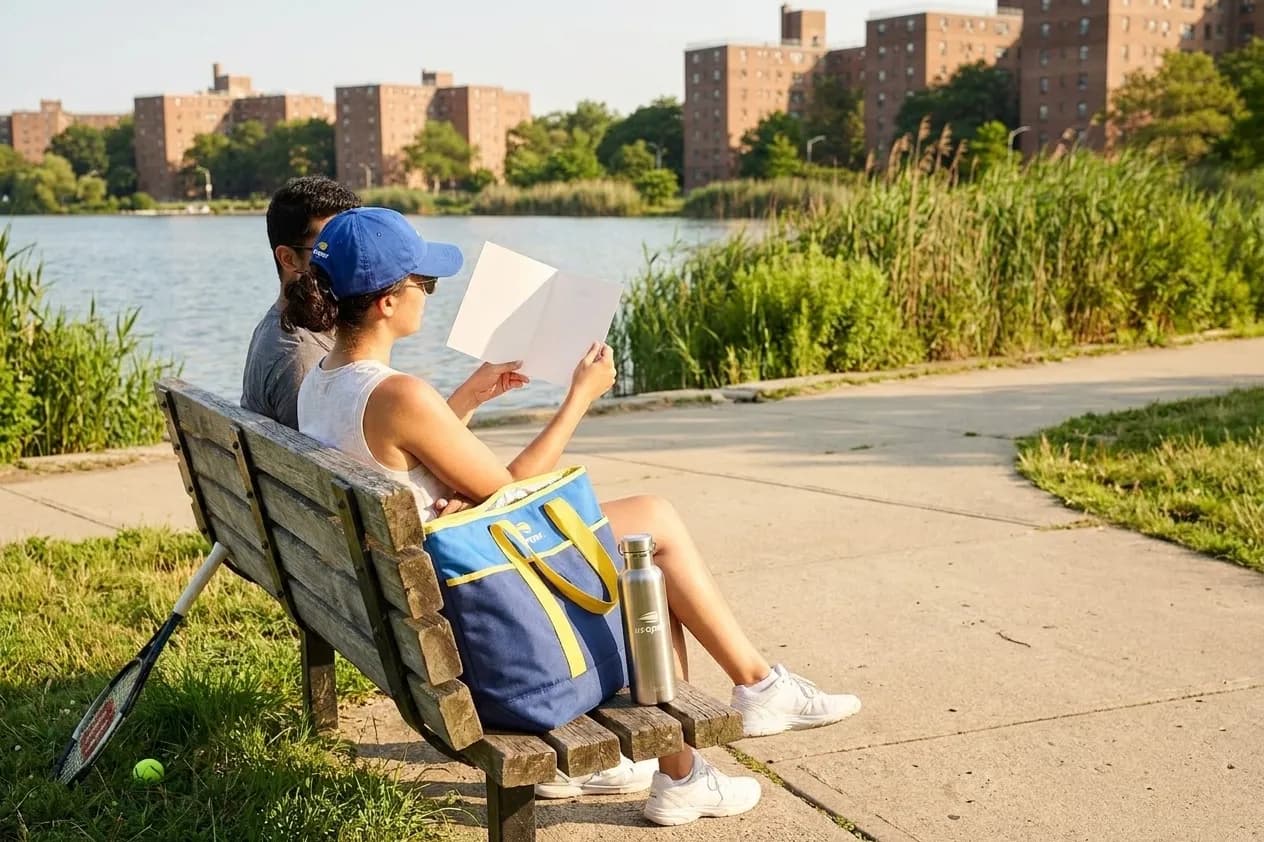
Dress like you're spending the day in a park with no escape from the sun. Light colors, breathable fabrics, a hat, and sunglasses are standard. Closed-toe shoes matter more than you'd think—your feet will be on hot pavement and metal bleachers for hours. A small backpack or crossbody bag that meets the size limit lets you carry sunscreen, a refillable bottle, a portable charger, and a light layer for air-conditioned indoor spaces or evening cool-downs. The US Open A-Z guide at usopen.org lists bag dimensions and what's allowed, so measure your bag before you leave. If you're planning to stay from day session into night, pack a long-sleeve shirt—temperature swings can be surprising once the sun sets.
Practical notes for staying cool at the US Open
- Check the National Weather Service New York forecast at weather.gov/okx/ the morning of your visit for heat advisories or storm warnings.
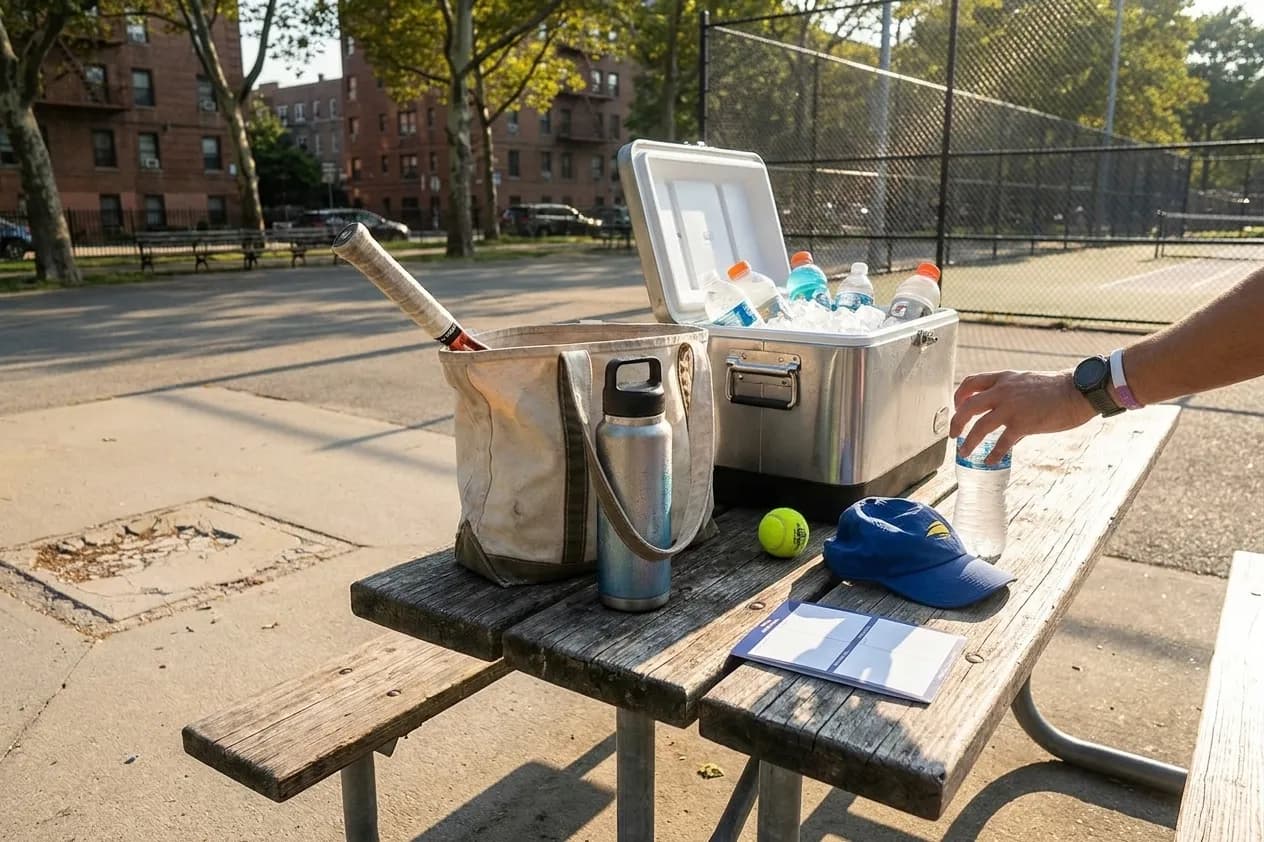
- Freeze a factory-sealed water bottle the night before and pack it in your bag—it melts into cold water by midday.
- Arrive early to claim shaded seating or explore the grounds before the sun peaks between noon and 3 p.m.
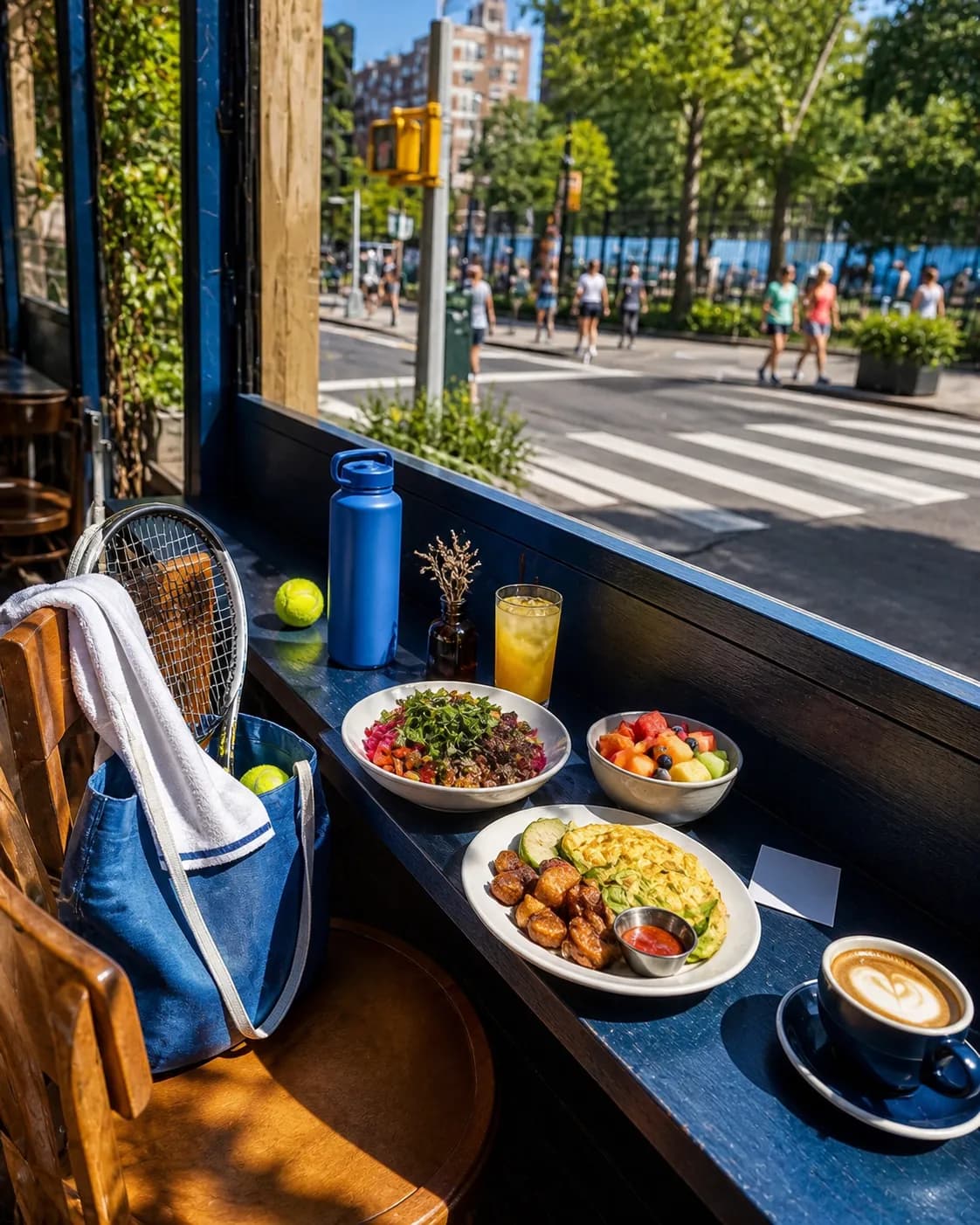
- Plan a midday break if you have tickets to both day and night sessions—Flushing's cafes, libraries, and parks offer air conditioning.
- Use the MTA 7 train guide at new.mta.info to check real-time service and plan your return trip before the evening rush.
- Reapply sunscreen every two hours, even if you're sitting under cover—reflected light from courts and concrete adds up.
- Bring cash or card for food and drinks, but eat a real meal before or after to avoid long lines during peak heat.
- Review NYC Parks rules at nycgovparks.org/rules if you're planning to picnic or rest in Flushing Meadows before or after your session.
2026 world cup ice operations, large-event cooling logistics translated for fans, US Open heat management, Flushing Meadows Corona Park visitor tips, 7 train to US Open, Queens tennis day planning, staying cool at outdoor tournaments, US Open hydration and shade strategy.
US Open is a registered trademark of the United States Tennis Association. This article references publicly available information for planning purposes only. Karpo is not affiliated with the USTA, the US Open, or the MTA.
Tags: #USOpen2026 #Queens #FlushingMeadows #KarpoFinds #Karpo #2026worldcupiceoperations #NewYorkLocal #TennisTravel #NYCLocalLife #TennisTravel
Sources consulted: usopen.org — Official event schedule · usopen.org — Official visitor A-Z guide · usopen.org — Official transportation directions · usopen.org — Official prohibited-items guide · MTA — Official US Open transit guide · NYC Parks — Flushing Meadows Corona Park · National Weather Service New York · NYC Parks — Park rules
All trademarks are the property of their respective owners.
Ask Karpo first
Want to know what is actually open, how to time the trip, and where to pause around Queens? Ask Karpo for the latest public US Open context, a respectful visitor plan, and a live route around Flushing Meadows before you head out.