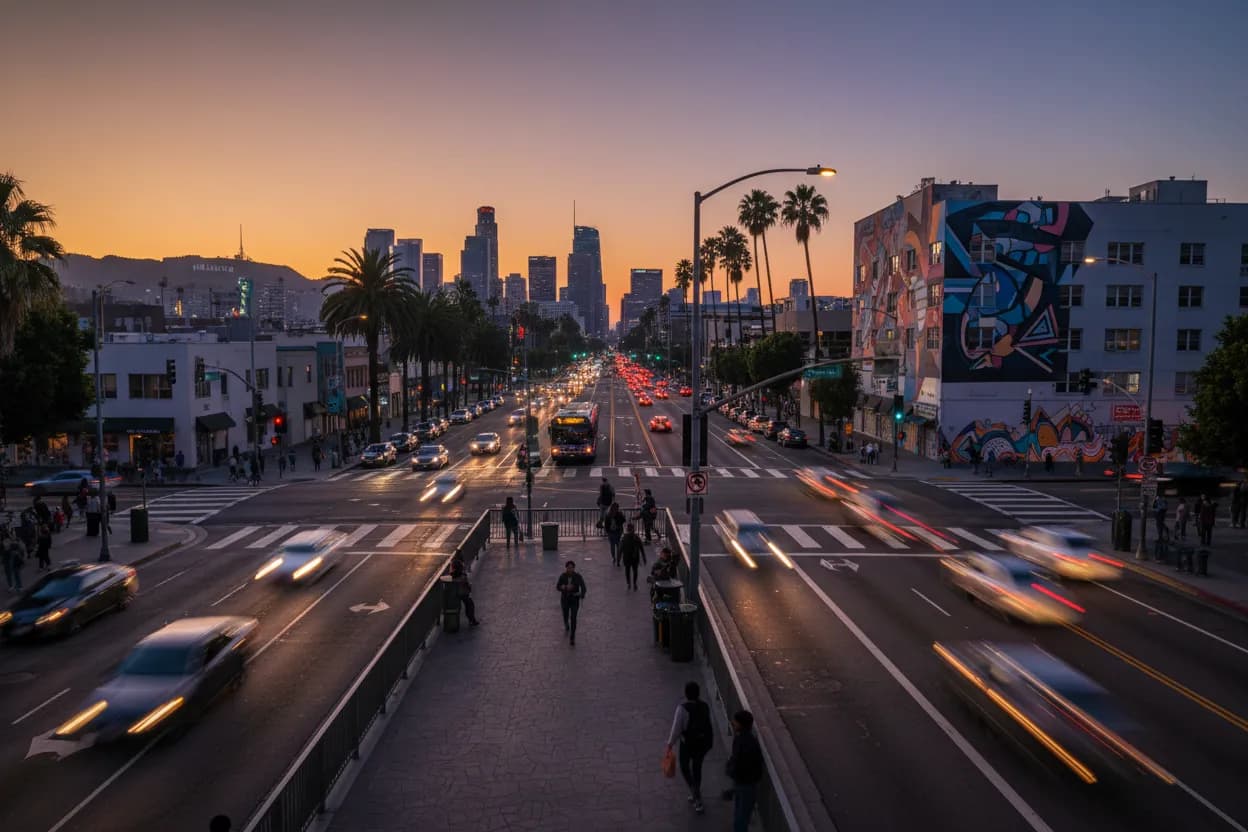
The phrase “2026 house incumbent primary losses” may be moving through national conversation, but that does not automatically make it a Los Angeles event, a local appearance, or a reason to cross town without a plan. In a city where a short map distance can become a long afternoon, the better move is to translate the headline into a practical neighborhood decision: where can you meet, read, eat, watch public updates, or reset if the plan changes? As of Monday, August 10, 2026, official Los Angeles visitor and Metro pages point to a city full of scheduled cultural activity, transit tools, and neighborhood choices. Treat the phrase as a prompt to verify, not as a promise.
Want a quick neighborhood sanity check before you leave? Text Karpo with your starting point, time window, and backup need, and ask for a public-source-first Los Angeles plan.

Translate the headline into a neighborhood question
Start by separating the national news hook from the local task. “2026 house incumbent primary losses” can explain why people are suddenly searching, talking, or gathering online, but it does not verify that anything is happening at a particular Los Angeles venue. Your first question should be local and concrete: do you need a quiet place to read, a central meeting point, a museum-and-meal afternoon, a transit-accessible route, or a low-stress fallback if crowds or schedules shift?
Los Angeles Tourism’s official guide presents LA as a city best discovered through its vibrant multicultural neighborhoods, with categories for things to do, food and drink, events, itineraries, tourist information, and points of interest. That is the right frame for this topic. Use the city’s neighborhood structure to design an outing that still works if the political conversation turns out to be entirely online.
Avoid building a plan around unnamed appearances, insider access, or rumored gatherings. If a real public event matters to your day, verify it on the official event page before leaving. If you cannot confirm a time, venue, access rule, or transit route from an official source, downgrade that item from “plan” to “maybe.”
Choose the area by the actual task
For a civic-minded but flexible afternoon, pick the area by what you actually want to accomplish. Downtown Los Angeles can work when the priority is centrality and onward transit. Mid-Wilshire makes sense when you want museums or cultural anchors nearby. Hollywood may suit visitors who also want entertainment options. The Westside or beach communities are better when the day needs more outdoor breathing room, though cross-city travel should be checked carefully before committing.
The official Discover Los Angeles site highlights arts and culture, museum guides, outdoor and wellness options, dining itineraries, film locations, beaches, hiking trails, rooftop bars, and streetwear or team-gear routes. It also identifies neighborhood names such as Studio City, Sherman Oaks, Santa Monica, Brentwood, San Pedro, South Park, Beverly Hills, and Exposition Park. Use those as planning labels, not as guarantees that every attraction is open or easy to access on your date.
If you are meeting other people, choose the neighborhood with the fewest failure points. A plan that requires one train, one short walk, and an obvious indoor backup is stronger than a plan that depends on multiple transfers, a tight event time, and a restaurant you have not checked. In LA, practical beats symbolic.
Use transit exits as planning anchors
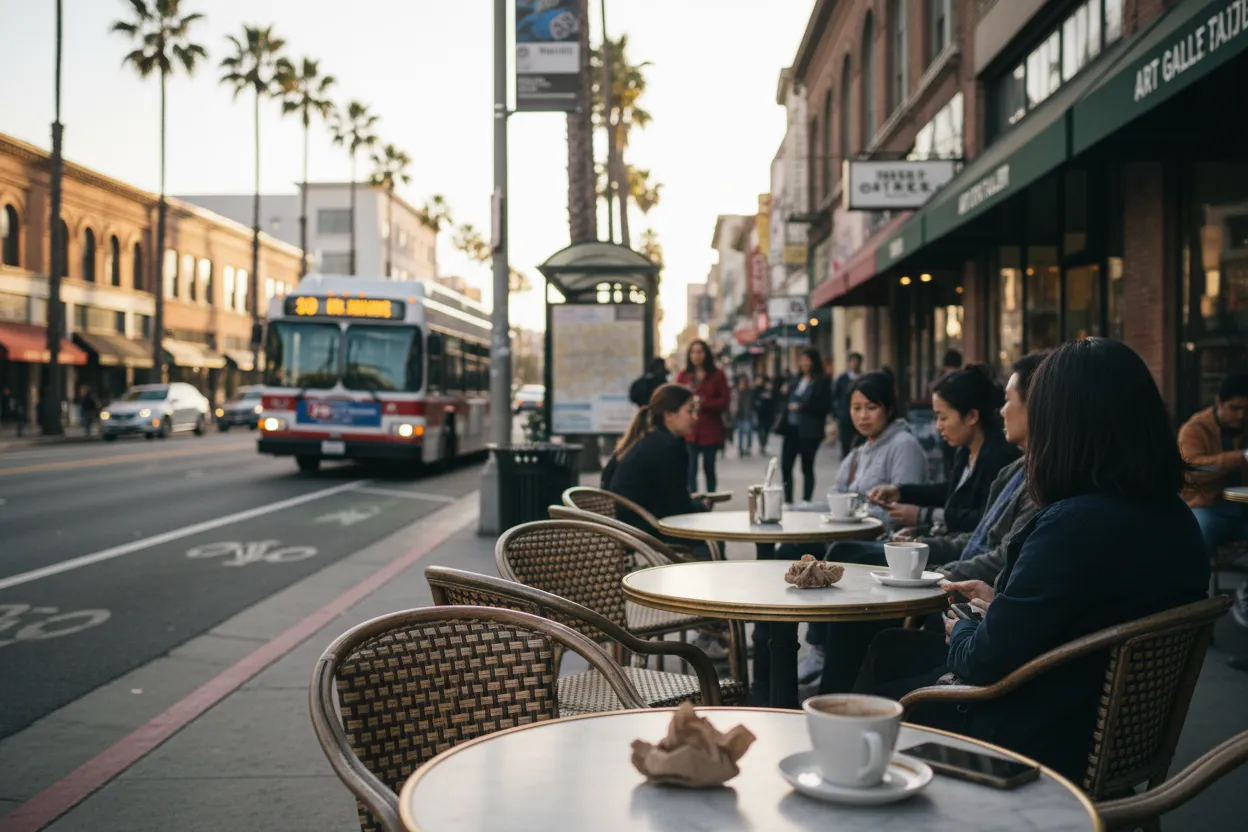
Metro should be part of the first draft, not an afterthought. The official Metro site offers a Trip Planner, arrivals, alerts, maps and schedules, and the Official LA Metro App for real-time arrivals, step-by-step directions, and service alerts. It also notes that riders can pay fare by tapping a credit or debit card in plastic or digital form on buses or at train stations. Verify current conditions in those tools before you leave.
For Mid-Wilshire planning, Metro’s official page specifically notes new D Line Extension stations at La Brea, Fairfax, and La Cienega, connecting the cultural energy of Mid-Wilshire with Koreatown and Downtown LA. That makes station names useful anchors: pick a station, identify the exit area, then decide what you can do within a manageable walking radius if your original plan changes.
Do not treat a transit line as a guarantee of speed. Alerts, crowding, construction meetings, and event traffic can affect the day. Metro’s events list for this period includes Vermont Transit Corridor Project community meetings and a D Line Beverly Hills construction update meeting, which is a reminder to check official notices rather than assume yesterday’s route is still the cleanest option.
Add one indoor and one outdoor backup
A good Los Angeles neighborhood plan has two backups: one indoor, one outdoor. The indoor option protects you from heat, fatigue, delays, or a noisy meeting spot. The outdoor option keeps the day from collapsing if a museum, restaurant, or ticketed item is not workable. Discover Los Angeles’ official site points readers toward museums, arts and culture, dining, beaches, hiking trails, film-location itineraries, and outdoor wellness ideas; choose backups from current official pages before heading out.
For example, a Mid-Wilshire plan could pair a museum-oriented goal with a nearby dining or transit reset. A coastal plan could pair a beach walk with a verified food stop. A Downtown plan could pair an indoor cultural stop with an outdoor stroll if conditions are comfortable. The exact place is less important than the structure: primary plan, indoor backup, outdoor backup, and a clear route home.
Build timing with humility. Discover Los Angeles lists many upcoming events in August and September 2026, including music, food and drink, and miscellaneous festival entries, but event times and details should be checked on their official pages. If your backup depends on an event listing, verify the time, location, and access rules the same day.
Avoid treating online attention as a local promise
The safest assumption is that online attention is not local evidence. A search spike, viral post, or national political phrase can make people feel as if something is happening nearby, but Los Angeles plans should rest on public, checkable details. No public-source plan should claim a candidate appearance, private gathering, endorsement, screening, broadcast setup, or guaranteed crowd unless an official source confirms it.
This matters because LA is expensive in time even when you are not spending money. Crossing from the Valley to Downtown, from the Westside to Hollywood, or from the South Bay toward central LA can consume a large part of the day. If the only reason for the trip is a vague reference to 2026 house incumbent primary losses, pause and ask what you will still get from the outing if the rumor evaporates.
A better plan is content-neutral and neighborhood-useful. Meet a friend, visit a cultural area, check an official event calendar, use Metro tools, and keep a backup. That way, the headline gives you a reason to be alert, not a reason to gamble your afternoon.
Verify conditions before crossing the city
Make a five-minute verification checklist before leaving. Check the official Discover Los Angeles event or guide page for the destination you care about. Check Metro’s Trip Planner, arrivals, alerts, maps and schedules, or the official app for current routing. Confirm whether your meeting point is near the station or stop you actually intend to use. Share the backup plan with anyone joining you.
Then test the crowd risk. Is there a major listed event nearby? Discover Los Angeles shows multiple upcoming events across music, food and drink, and festival categories in mid-August 2026, including Dine LA Restaurant Week from August 14 to August 28 and KCON LA 2026 Festival opening day on August 14. Those listings do not define every crowd condition, but they are signals to verify neighborhood congestion before committing.
Finally, set a turn-back rule. If an official page does not confirm the key detail, if Metro alerts complicate the route, or if your backup is weaker than the original plan, choose the closer neighborhood instead. Los Angeles rewards flexible planners. The win is not chasing the loudest phrase; it is getting across the city only when the facts justify the trip.
Tags: #AskKarpo #BeforeYouGo #LosAngeles #NeighborhoodGuides #LAMetro #MidWilshire #DowntownLA #LAEvents #TransitPlanning #CityGuide #VerifyFirst #PublicSources #TravelSmart #LocalPlanning
Sources consulted: discoverlosangeles.com · metro.net · laparks.org
All trademarks are the property of their respective owners.
Ask Karpo first
Ask Karpo first if your Los Angeles plan depends on a headline, a rumor, or a tight cross-town connection. Send the neighborhood, time window, transit preference, and must-do item, and get a verification-first plan with a practical backup before you go.


