

Your First Scuba Dive Starts From the Sand at Kaanapali
Most people who try scuba on Maui do it from a boat. This one starts on a public beach in Kaanapali, where the reef begins close enough to shore that you gear up on the sand and walk in. Two hours, no certification required, and an instructor who takes no more than four beginners at a time.
Kahekili Beach Park sits at the north end of Kaanapali, and most visitors know it by its other name, Airport Beach. It is an ordinary county beach park: sand, a parking lot, folding chairs, kids in the shallows.
The reason a dive shop meets people here is what the operator describes as a reef that begins close to the coastline, close enough that divers gear up on the sand and walk in. No boat, no harbour, no early crossing.
You can book this one with no certification and no previous time on a regulator. What you cannot skip is swimming. The operator requires that you be able to swim unassisted in the open ocean, and it is not a formality: misrepresenting your swimming ability means removal from the dive and no refund.

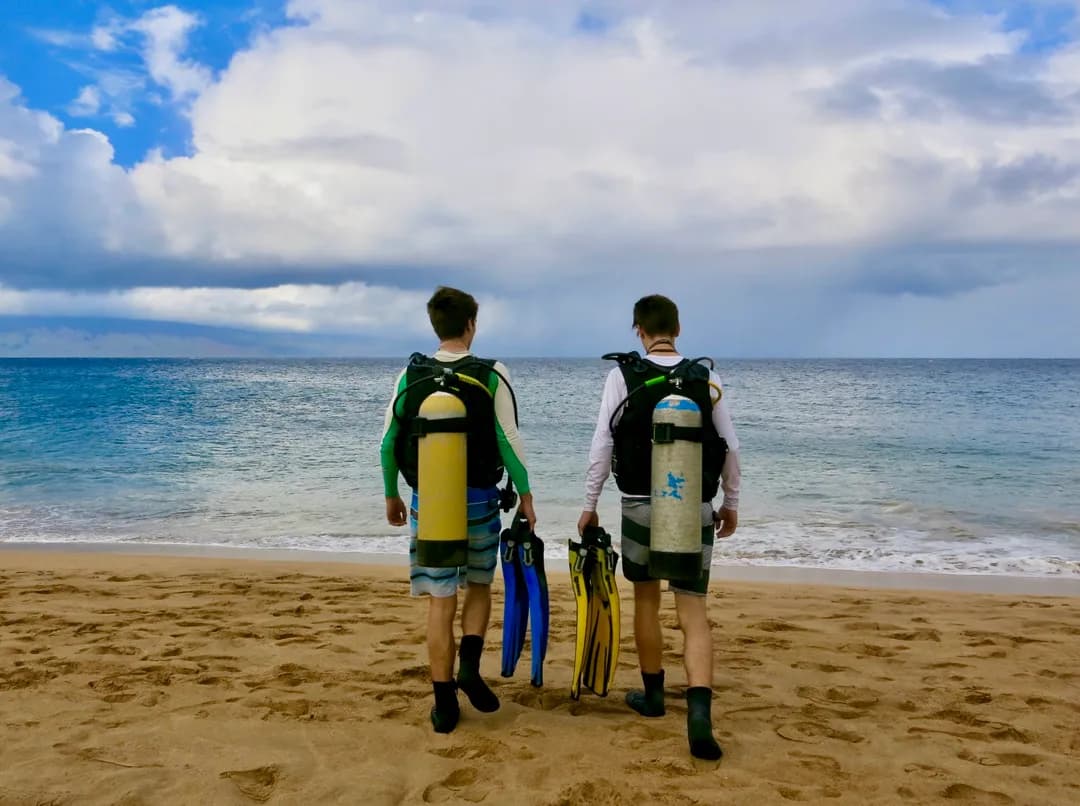
One booking on this listing takes up to eight travellers. Separately, the operator caps each instructor at four non-certified divers, a number it repeats on its activity page, its FAQ and its guide to this beach.
 Beginner Scuba Diving in KaanapaliBanyan Tree Divers Maui. Around two hours, shore entry in Kaanapali, rental scuba gear and a professional instructor included.www.viator.com
The First Part of Your Dive Happens on Dry Sand
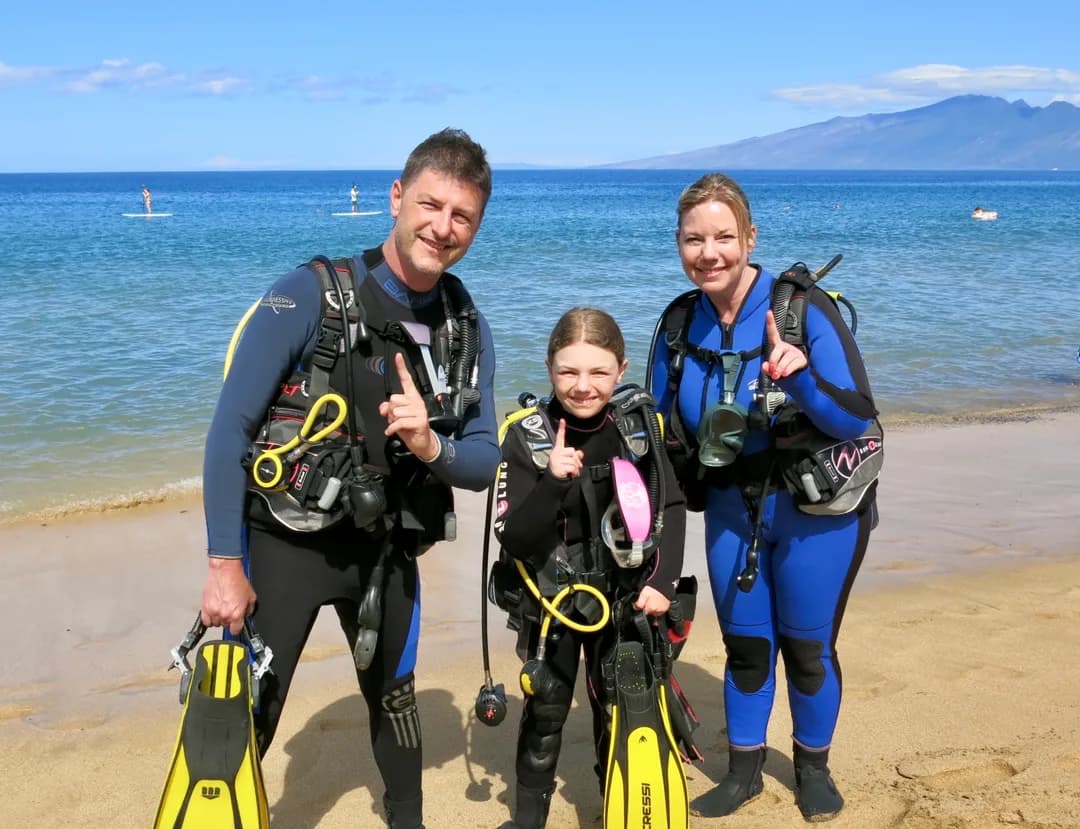
You meet your instructor at the vehicle. The operator tells people to look for a white Toyota truck or an orange Jeep and to meet at whichever one is there. Gear is fitted on the beach, then comes a briefing: the equipment, the skills you will use, the hand signals you will need once talking stops being an option.
In the water, the first thing you do is breathe through the regulator at the surface. Only after that does the instructor take the group into shallow water to practise the basics. The reef comes last, and the operator is explicit that there is no rush to descend.
For a lot of first-timers the moment that sticks arrives before the reef does. It is the first few breaths, when the equipment stops being an idea and starts being something you are actually using.
What Is Down There, and What Nobody Can Promise
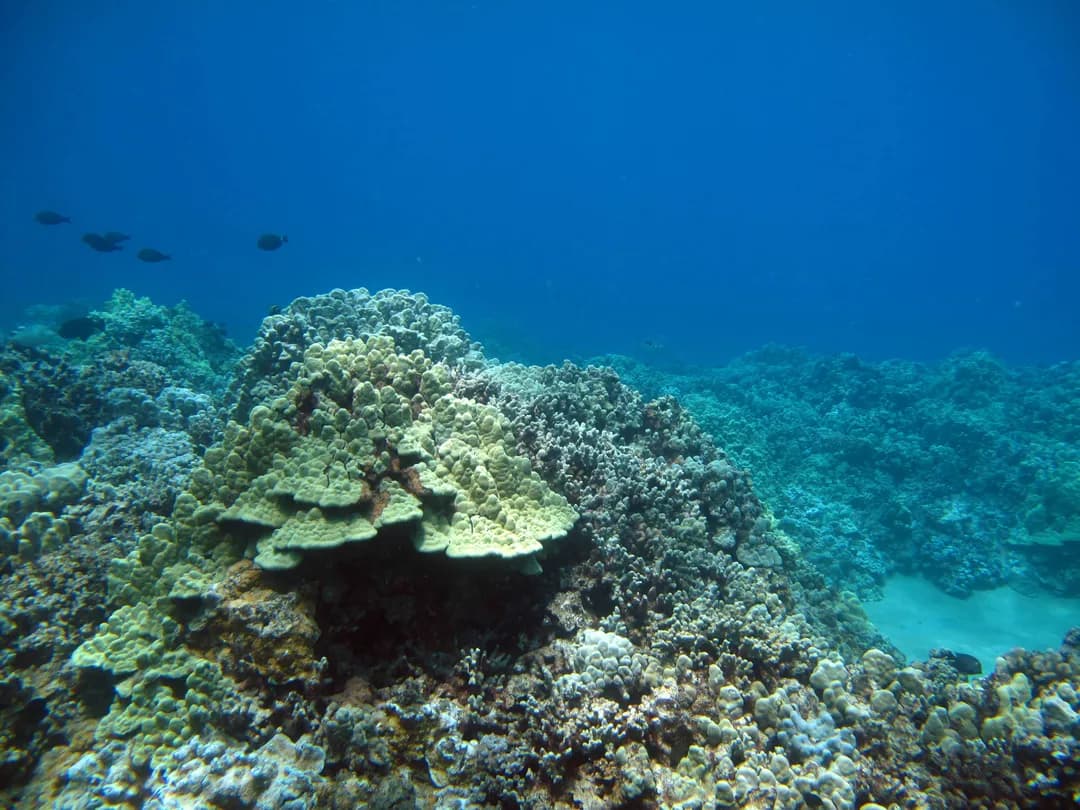
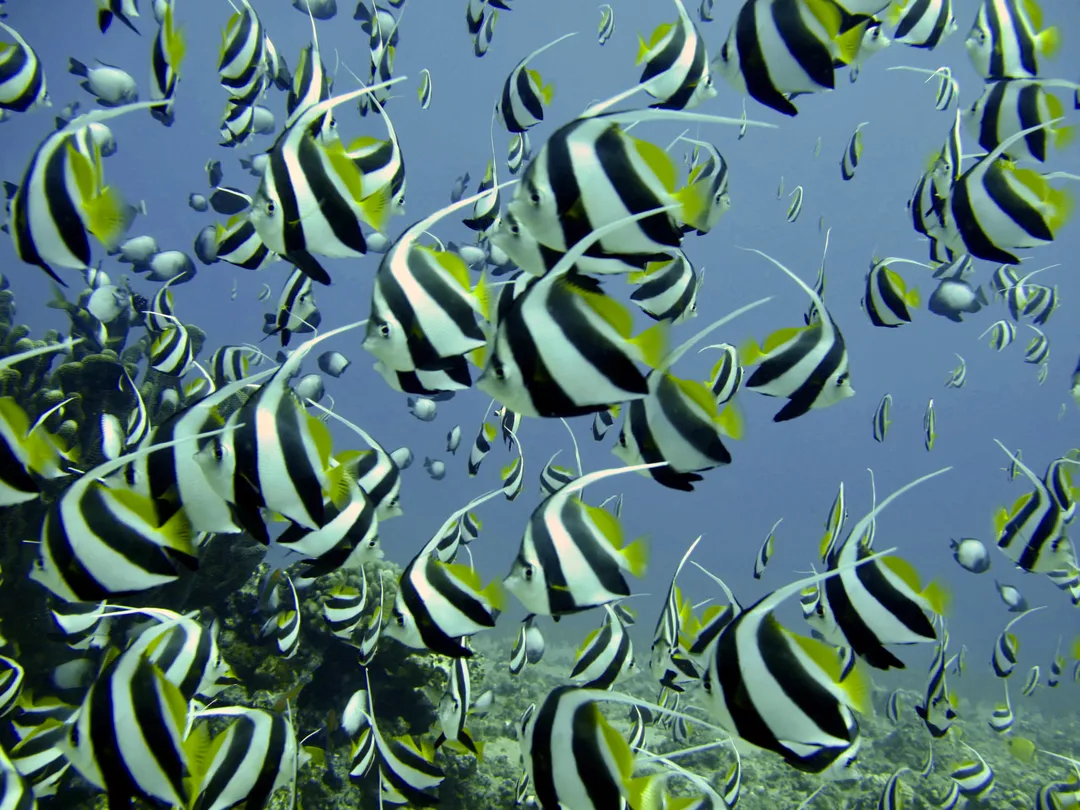
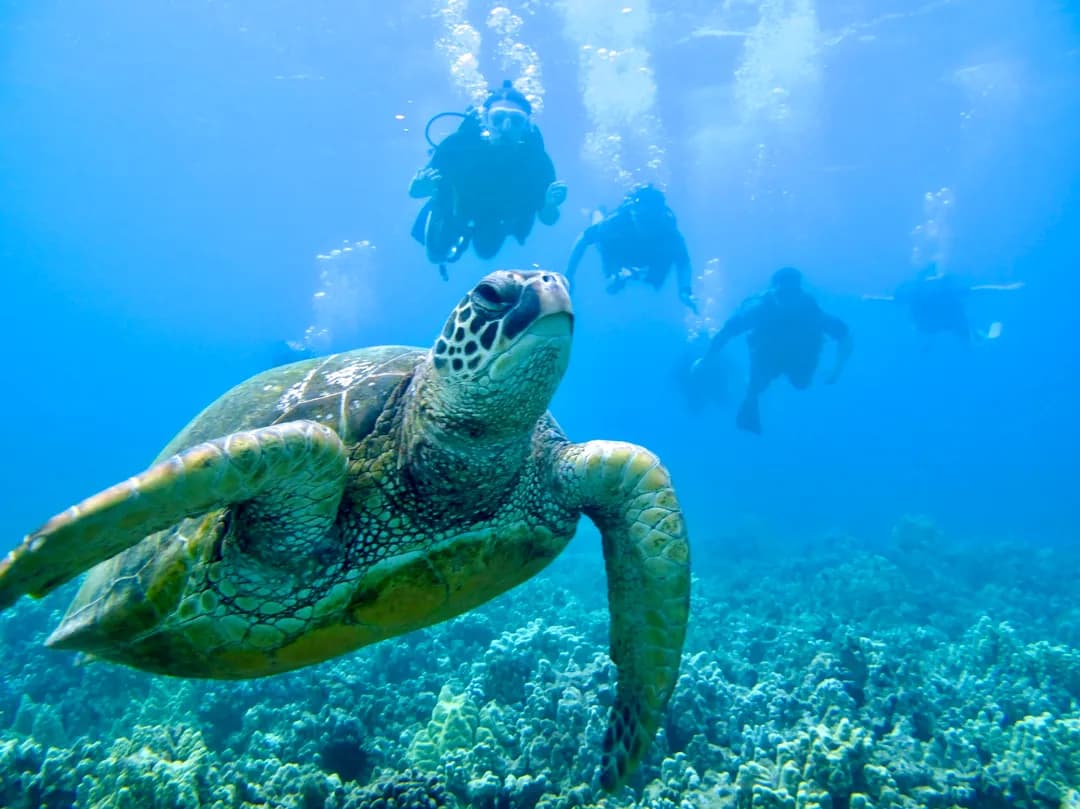
Green sea turtles are the animal everyone asks about. The operator lists them alongside moray eels, octopuses and the reef fish this coastline is thick with, then says the thing an honest dive shop has to say: encounters are never guaranteed. Turtles are common here. Common and scheduled are different words.
The reef itself is the constant. Hard coral in mounds and plates, butterflyfish moving in numbers, sand channels running between the heads.
One seasonal extra is worth knowing about. During Maui's humpback season, sound carries far enough underwater that divers sometimes hear whale song with no whale anywhere in sight. Actually seeing one on a dive is a different matter, and the operator says it should never be expected.
The Requirements Are Real and They Get Enforced
Four things decide whether you get in the water.
- Swimming. You must be able to swim unassisted in deep ocean water. The operator points anyone with novice swimming ability toward its private dive. Take that suggestion at booking time; the shoreline is a bad place to discover you are out of your depth.
- Age. The operator's own minimum for this experience is ten, while the booking form on this listing opens at thirteen, because the ten to twelve bracket cannot be added to an order here. A family travelling with an eleven-year-old will hit that wall at checkout.
- Medical. Every non-certified diver completes the PADI medical questionnaire. A yes on any question means a physician's clearance before you dive, and turning up without it forfeits both the dive and the refund. The listing separately flags asthma and sinus conditions, spinal injuries, pregnancy and poor cardiovascular health as reasons to sort this out early.
- Carrying. A shore dive means you carry your own tank and weights across sand. The listing asks that you be able to manage at least 30 pounds for a short distance, and rates the activity at a moderate level of physical fitness.
Mixed groups are fine. Certified divers can join the beginner dive, which the operator treats as the normal way for a couple or a family at different levels to stay together. The dive then runs to beginner limits for everyone in it.
Build the Rest of Your Maui Days Around This One
Diving puts a hard edge on an itinerary, and on Maui that edge lands on two specific plans.
After a single dive the operator asks you to stay below 1,000 feet of elevation for twelve hours. After two or more dives in one day, eighteen. This listing sells one dive, which puts you in the twelve-hour bracket. The listing itself prints a flat eighteen hours, so take the longer number as your margin if you are diving anywhere else that day.
The operator names Haleakala in that same answer, next to flying and zip-lining, and the summit road climbs many times higher than the thousand-foot line. Dive in the morning and a sunrise summit trip the following day clears the window comfortably. Dive in the morning and fly out that evening and it does not.
Cancellation comes with two numbers as well. This booking refunds in full if you cancel at least 24 hours ahead. The operator's own policy page asks for 48. Cancel two days out and you satisfy both. If the operator calls off the dive for weather or ocean conditions, you get a full refund or a move to another date.
One last practical thing, and it is the one most likely to cost you a morning. The listing names Kahekili Beach Park, and that is where this dive normally goes in. The operator, on three separate pages of its own site, still asks guests to follow the meeting instructions that arrive with the reservation, because the site can be moved when conditions call for it. 📍 Read the confirmation before you set the navigation, and do not drive to the shop address on Kupuohi Street. Getting there is on you either way: transport is not included, and the operator asks you to say so in advance if you will not have a rental car.
After that it is sand, a truck, a briefing, and a slow walk into water that most people come out of wanting more of. You are back on the beach before lunch with salt in your hair, working out whether this turns into a certification course.